
When you step into a gym or even your garage, the sight of a boxing bag hanging in the corner can be both inspiring and intimidating. You might have asked yourself, “How heavy are boxing bags?”
This is a great question because the weight of a boxing bag is crucial for your training effectiveness and safety. Whether you’re a seasoned boxer or just starting out, understanding the right weight of a boxing bag can make a significant difference in your workouts.
We’ll break down everything you need to know about boxing bag weights, tailored to your needs. Get ready to punch smarter, not harder, as we dive into the world of boxing bags and help you find the perfect fit for your training goals. Keep reading, and you’ll soon become an expert in choosing the right boxing bag to elevate your fitness journey.
Types Of Boxing Bags
Boxing bags come in various types, each designed to enhance specific skills and training techniques. Understanding the different types of boxing bags can help you choose the right one for your training needs. Let’s dive into the details of each type and their unique characteristics.
Heavy Bags
Heavy bags are the cornerstone of boxing training, typically weighing between 70 to 150 pounds. They’re perfect for developing power punches and improving strength. When you strike a heavy bag, it mimics the resistance you’d face in a real fight, making it an essential tool for building endurance.
Speed Bags
Speed bags are much lighter and smaller, usually weighing just a few pounds. These bags are hung at eye level and are perfect for enhancing your hand-eye coordination and speed. Ever watched a boxer hitting a speed bag with rhythmic precision? That’s what you aim for – a quick, continuous pace to sharpen reflexes.
Double-end Bags
The double-end bag is an excellent choice for improving timing and accuracy. Suspended by two elastic cords, it rebounds quickly when hit, forcing you to stay alert. It’s about dodging and striking back, helping you refine your defensive and offensive skills simultaneously.
Freestanding Bags
Freestanding bags offer flexibility and convenience, as they can be easily moved and positioned. They typically range from 140 to 260 pounds, including the base filled with sand or water. Ideal for home workouts, they cater to both beginners and advanced practitioners, allowing you to practice kicks, punches, and combinations without needing wall or ceiling mounts.
Have you ever wondered how each type of bag could transform your boxing skills? Whether you’re aiming to punch harder, move faster, or strategize smarter, selecting the right bag is crucial for maximizing your training outcomes.

Credit: bulldozafightwear.co.uk
Choosing The Right Weight
Selecting the appropriate weight for boxing bags depends on training goals and skill levels. Lighter bags suit beginners, enhancing speed and technique. Heavier bags improve strength and power for advanced users.
Choosing the Right Weight Selecting the right weight for your boxing bag can significantly impact your training effectiveness. If you’ve ever wondered why your punches aren’t landing with the intended power, it might be due to using a bag that doesn’t align with your needs. Let’s break down the crucial factors to consider when choosing the right weight for your boxing bag.Skill Level Considerations
Your skill level plays a pivotal role in determining the ideal bag weight. Beginners often benefit from lighter bags, around 40 to 70 pounds, as they allow for better technique development without overwhelming force. Conversely, seasoned boxers might opt for heavier bags, over 100 pounds, to simulate real fight conditions and enhance power delivery.Training Goals
Clarifying your training goals can guide you towards the appropriate bag weight. Are you focusing on speed, endurance, or power? Lighter bags can improve speed and technique, making them perfect for cardio workouts and quick combinations. Heavier bags, however, are excellent for strength building and power shots, helping you develop the force needed for competition.Body Weight And Strength
Consider your own body weight and strength when selecting a boxing bag. A general rule of thumb is to choose a bag that is about half your body weight. This balance helps ensure you can effectively move the bag without risking injury or compromising technique. If you’re exceptionally strong for your size, you might increase the bag weight to challenge yourself further. Conversely, if you’re still developing strength, a lighter option might be more suitable to build confidence and skill. Choosing the right bag weight isn’t just about numbers; it’s about finding what feels right for you. What will you choose to ensure your training is both effective and enjoyable?Heavy Bag Weight Range
Boxing bags vary in weight to suit different training needs. Lighter bags weigh around 40 pounds, ideal for beginners and speed work. Heavy bags can reach up to 150 pounds, providing resistance for strength training and improving striking power.
Understanding the weight range of boxing bags is essential for anyone stepping into the world of boxing or martial arts. Whether you’re training for fitness or competition, the right heavy bag can significantly impact your progress and technique. Let’s take a closer look at the different types of heavy bags and their weight ranges to help you make an informed choice.Standard Heavy Bags
Standard heavy bags typically weigh between 70 to 100 pounds. These bags are ideal for beginners and offer a balanced resistance for developing strength and improving technique. If you’re just starting out, a 70-pound bag might be a great starting point, allowing you to refine your punches and kicks without overwhelming your form.Muay Thai Heavy Bags
Muay Thai heavy bags often weigh more, ranging from 100 to 150 pounds. Their elongated design is perfect for practicing kicks, knees, and elbows, reflecting the diverse striking techniques of Muay Thai. As someone who once transitioned from boxing to Muay Thai, I found the extra weight and length crucial for conditioning my leg strength and precision.Uppercut Bags
Uppercut bags are generally lighter, weighing around 60 to 80 pounds. These bags are designed specifically to enhance your uppercut and hook techniques. Their unique shape allows you to target different angles, which can be quite liberating if you’re looking to add variety to your training routine. Have you ever considered how refining just one punch could elevate your entire game? Choosing the right bag involves considering your training goals and physical strength. A heavier bag will build power, while a lighter one can improve speed and technique. Which aspect do you need to focus on more?Bag Filling Options
Boxing bags vary in weight depending on their filling. Sand-filled bags are heavier, while textile-filled bags are lighter. Choosing the right weight depends on your training needs and experience level.
Choosing the right filling for your boxing bag can significantly impact your training experience. It’s not just about weight; the type of filling influences the bag’s texture and how it reacts to punches. Understanding different filling options can help you tailor your bag to suit your training needs and preferences.Sand
Sand is a popular choice for many boxing enthusiasts. It’s affordable and easily accessible. Sand provides a firm and dense surface, making it ideal for practicing power punches. However, be cautious; sand can shift within the bag, causing uneven weight distribution. This can lead to hard spots that might be tough on your wrists. If you’re aiming for consistency and stability, consider mixing sand with other materials.Water
Water-filled bags offer a unique training experience. They mimic the feel of hitting a human body, absorbing and dispersing the impact well. This helps in reducing stress on joints and tendons. Water bags can be adjusted easily; just add or remove water to change the weight. However, they require a sturdy outer shell to prevent leaks. Would you trust a bag filled with water during an intense workout session?Textiles
Textiles are another versatile option. Using old clothes, rags, or fabric scraps can create a softer surface ideal for beginners or those focusing on technique rather than power. Textile-filled bags tend to be lighter, making them easy to move and store. They also provide a forgiving surface, reducing the risk of injuries. But remember, textiles can settle over time, requiring you to refill or adjust the material occasionally. Choosing the right filling depends on your training goals. Are you focusing on power or technique? Do you prefer a softer or harder surface? Each filling option has its advantages and challenges. By understanding these, you can make an informed decision and enhance your boxing practice.Installing Your Boxing Bag
Choosing the right boxing bag weight is crucial for effective training. Most bags weigh between 60 to 150 pounds. Heavier bags provide resistance, while lighter ones suit beginners.
Installing Your Boxing Bag Getting your boxing bag installed properly is crucial for a rewarding workout experience. Imagine throwing punches at a bag that swings wildly or crashes to the ground—frustrating, right? A secure setup helps ensure your training is effective and safe. Whether you choose to hang your bag or opt for a freestanding model, each method has its unique benefits and considerations. Let’s dive into the options.Hanging Methods
The most traditional way to install a boxing bag is by hanging it. This setup allows the bag to move naturally, mimicking the dynamics of an opponent. You’ll need a sturdy ceiling beam or wall mount to support the weight of the bag. Consider the height and space around the bag to ensure you can move freely during your workout. Use heavy-duty chains or straps designed for boxing bags. These ensure your bag is securely fastened and can withstand intense sessions. Don’t forget to check the bag’s weight capacity of your chosen mounting hardware. You wouldn’t want your bag crashing down mid-punch!Freestanding Setup
Freestanding bags offer flexibility in installation and can be moved easily—ideal if you’re renting or have limited space. They come with a base that can be filled with sand or water to provide stability. This makes them perfect for apartment living or multipurpose rooms. Position your freestanding bag in an area where it won’t bump into furniture or walls. While it doesn’t swing like a hanging bag, you still need space to move around it. Experiment with different placements to find what works best for your workout routine. Which setup suits your space and training style best? Installing your boxing bag correctly can elevate your practice and keep your workouts efficient and enjoyable.
Credit: www.amazon.ca
Safety Tips For Beginners
Boxing bags come in various weights, suitable for different skill levels. Beginners must prioritize safety when starting. Knowing safety tips prevents injuries and enhances learning. Focus on technique, gear, and physical preparation for a safe start.
Proper Technique
Learning the correct technique is crucial. Start with lighter bags to practice form. Maintain a balanced stance to avoid losing stability. Keep your hands up to protect your face. Use controlled movements to prevent strain. Practice punches slowly before increasing speed.
Protective Gear
Wearing the right gear is essential for safety. Invest in quality hand wraps to protect your knuckles. Gloves provide cushioning and support. Choose gloves that fit well and are appropriate for your training level. Mouthguards protect your teeth during practice. Consider using wrist supports if needed.
Warm-up And Cool Down
Prepare your body with a good warm-up. Start with light cardio to increase your heart rate. Stretch your muscles, focusing on arms and shoulders. Gradually increase intensity to prevent injuries. After training, cool down to relax your muscles. Stretch again to improve flexibility and reduce soreness.
Maintenance And Care
Boxing bags come in various weights, typically ranging from 70 to 150 pounds. Regular maintenance involves checking for wear and tear, ensuring the material remains intact, and cleaning the surface to extend its lifespan.
Maintaining and caring for your boxing bag ensures it lasts longer. A well-cared-for bag provides better performance and saves money on replacements. Regular attention keeps your equipment in top shape, ready for every punch. Explore how proper maintenance can extend the life of your boxing bag.Regular Inspections
Regularly check your boxing bag for any signs of wear. Look for tears, holes, or loose stitching. Inspect the straps and hanging fixtures for damage. Tighten any loose bolts or screws. Early detection prevents small issues from becoming big problems.Cleaning Tips
Keep your boxing bag clean to maintain its condition. Wipe it down with a damp cloth after each use. Use mild soap for stubborn dirt or stains. Avoid harsh chemicals that might damage the material. Dry the bag thoroughly to prevent mold or mildew.Longevity Strategies
Store your boxing bag in a cool, dry place. Avoid direct sunlight, which can weaken the material. Rotate the bag occasionally to ensure even wear. Use a protective cover if storing for long periods. Regular maintenance and proper storage extend its lifespan significantly.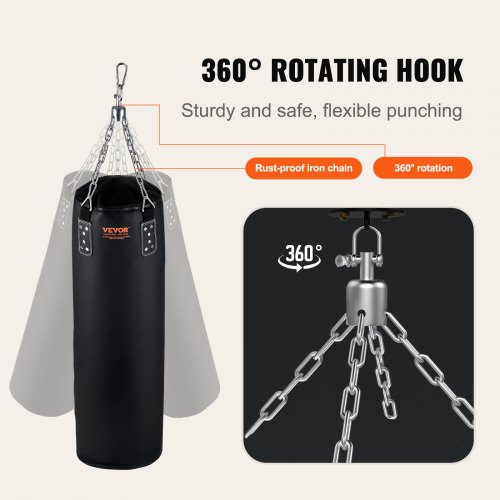
Credit: www.vevor.ca
Frequently Asked Questions
Is A 70 Lb Punching Bag Enough?
A 70 lb punching bag suits beginners and light training. It’s ideal for improving technique and cardio. Heavier bags offer more resistance for strength training. Choose based on your goals and experience level.
How Heavy Is Mike Tyson’s Punching Bag?
Mike Tyson uses a punching bag weighing around 300 pounds. This heavy bag helps him train effectively. The weight provides resistance, enhancing his strength and precision in punches. Using such a bag is crucial for maintaining his powerful punching ability.
Is A 50 Pound Punching Bag Good?
A 50-pound punching bag is ideal for beginners and light training. It’s great for improving technique and endurance. Heavier bags are better for strength and advanced workouts. Choose based on your fitness level and goals. Ensure it’s hung securely for safety and optimal use.
Is A 100 Lb Heavy Bag Enough Reddit?
A 100 lb heavy bag is often sufficient for most training needs. It offers a good balance for developing technique and power. Consider your strength and training goals to ensure it’s suitable. For powerful punches, heavier bags may be preferred.
Always ensure proper installation for safety.
Conclusion
Choosing the right boxing bag weight is crucial. Beginners may prefer lighter bags. Advanced boxers often opt for heavier bags. Lighter bags swing more, improving speed and accuracy. Heavier bags provide resistance, enhancing power and strength. Consider your training goals when selecting a bag.
Think about space and budget, too. Bag weight impacts your workout experience. It helps you develop skills effectively. A well-chosen bag leads to better training results. Take your time in making the right choice. Your boxing journey starts here, with the right bag weight.