

Is boxing dead? This question might have crossed your mind, especially with the rise of mixed martial arts and other combat sports.
You might remember the glory days when heavyweight champions were household names and boxing matches dominated the sports headlines. But does that mean boxing has faded into oblivion? Imagine the adrenaline rush of a packed arena, the tension building up as the bell rings, and the sheer excitement of two skilled fighters going head-to-head.
Boxing still has that magic, and it continues to captivate fans worldwide. But why does it sometimes seem overshadowed by newer sports? Let’s dive into the current state of boxing, uncovering the reasons behind its perceived decline and discovering the vibrant world that still exists within the ropes. You’ll be surprised to learn that boxing might be more alive than you think. Stick around, and you might just find a renewed appreciation for this storied sport.
Boxing’s Historical Glory
Boxing has a rich and storied history. Its roots reach deep into centuries past. This sport has mesmerized audiences with its blend of skill and bravery. Legends were born in the ring, captivating hearts worldwide. Boxing’s historical glory remains a fascinating tale of triumph and resilience.
Golden Era Highlights
The 1920s to 1950s marked boxing’s golden era. Icons like Muhammad Ali and Joe Louis graced the ring. Their matches were electrifying, drawing massive crowds. The world watched as champions battled for supremacy. Boxing was at the forefront of sports culture, with epic fights shaping its legacy.
Influence On Popular Culture
Boxing has influenced popular culture in numerous ways. Films like “Rocky” immortalized the spirit of fighters. Music and literature often draw inspiration from boxing’s drama. The sport’s impact extends beyond the ring, creating cultural icons. It has inspired countless stories of hope and perseverance.

Credit: www.tmz.com
Factors Leading To Decline
Boxing, once the unrivaled heavyweight in the sports world, now faces multiple challenges leading to its decline. While it still has a dedicated fan base, several factors contribute to its struggle for relevance in today’s sports landscape. Let’s explore some of these factors that have impacted boxing’s popularity.
Rise Of Competing Sports
In recent years, the sports world has seen an explosion of interest in various disciplines. Mixed Martial Arts (MMA), with organizations like the UFC, has captivated audiences with its diverse fighting styles and charismatic fighters. Unlike boxing, MMA offers a broader range of combat techniques, attracting fans who crave dynamic and unpredictable action.
Sports like basketball and soccer have also expanded their global reach, drawing more fans and media attention. Their fast-paced, team-oriented gameplay contrasts with boxing’s one-on-one format, often making them more appealing to younger audiences. Have you found yourself tuning into a basketball game instead of a boxing match?
Impact Of Regulatory Changes
Regulatory changes have also played a role in boxing’s decline. Concerns over safety have led to stricter rules and regulations, affecting the sport’s raw appeal. While these changes are necessary for protecting athletes, they can sometimes dilute the intensity that fans crave.
Moreover, the increasing awareness of head injuries and their long-term impact has prompted many to question the ethics of combat sports. This scrutiny has led some fans and potential athletes to reconsider their involvement in boxing, opting for safer sports instead. Does the risk of injury make you hesitant to support or participate in boxing?
Modern Challenges
Boxing has faced many challenges in recent years. These challenges are reshaping its future. Safety concerns and changing audience preferences are two main issues. Understanding these challenges helps us see boxing’s current state.
Safety Concerns
Safety in boxing is a growing concern. Many worry about head injuries. Repeated hits can cause long-term damage. This has led to debates about the sport’s safety. People demand better protection for fighters. New rules and equipment are being considered. These changes aim to make boxing safer. Yet, some fear it could alter the sport’s nature. Balancing safety with tradition is a complex issue.
Changing Audience Preferences
Audience preferences are shifting. Younger fans seek different entertainment. They prefer faster, more dynamic sports. Mixed Martial Arts (MMA) is gaining popularity. MMA offers variety and excitement. Boxing must adapt to stay relevant. Engaging new fans is crucial. Promoters are exploring new formats and events. They hope to attract a broader audience. Social media plays a big role in this effort. Fighters now connect with fans online. This approach aims to build a loyal fanbase.
Revival Strategies
Boxing’s future hinges on fresh talent, engaging storylines, and global promotions. Embracing digital platforms can attract younger audiences.
Reviving boxing requires strategic approaches to rekindle interest and engagement. The sport has witnessed declining popularity in recent years. Yet, innovative strategies can breathe new life into it. Focused marketing, engaging youth, and enhancing training are vital components. These elements can rejuvenate the sport and attract new enthusiasts.Innovative Marketing Techniques
Marketing plays a crucial role in boxing’s revival. Creative campaigns can capture the audience’s attention. Digital platforms offer new opportunities for promotion. Social media channels can create engaging content. Collaborations with influencers amplify reach. Interactive videos and behind-the-scenes footage keep fans engaged. Live streaming of matches attracts global viewers. These techniques can increase visibility and interest in boxing.Youth Engagement And Training
The future of boxing lies with the youth. Engaging young audiences is essential for sustainability. Schools can introduce boxing clubs and classes. This fosters interest from an early age. Accessible training programs encourage participation. Mentorship by experienced boxers inspires young athletes. Competitions and tournaments build excitement. These initiatives develop skills and passion in the younger generation. They ensure boxing remains vibrant for years to come.Role Of Technology
In recent years, technology has transformed the way we engage with sports, and boxing is no exception. The advent of digital platforms and social media has breathed new life into this age-old sport. As an enthusiast, you can now experience boxing in ways that were unimaginable a decade ago.
Streaming Platforms
Streaming platforms have revolutionized how fans access boxing matches. Gone are the days when you had to be glued to your TV at odd hours to catch a fight. Now, with just a click, you can watch live matches on platforms like DAZN or ESPN+ from anywhere in the world.
These services often come with features like on-demand replays, behind-the-scenes footage, and expert commentary. This offers a richer, more interactive experience. Have you ever watched a thrilling match replay while analyzing every jab and hook with slow-motion features?
Social Media Influence
Social media has become a powerful tool for boxers to engage with their fans. Platforms like Instagram and Twitter allow fighters to share their training routines, personal stories, and even call out rivals. This direct connection builds a community and keeps fans invested in their journeys.
Moreover, viral clips and memes can quickly elevate a match or fighter to global fame. Remember that knockout punch you saw on Twitter that made you search for the full fight? Social media is not just promoting boxing; it’s making the sport trendier and more accessible to younger audiences.

Credit: kfoxtv.com
Notable Comebacks
Boxing has seen remarkable comebacks in recent years. Notable fighters have made their return to the ring, reigniting the sport’s passion. These comebacks have drawn audiences back, proving that boxing is far from dead. Let’s explore successful events and influential fighters who have contributed to boxing’s revival.
Successful Events
Several events have breathed new life into boxing. Major promotions have staged thrilling matches, capturing the attention of fans worldwide. These events showcase legendary fighters and emerging talent alike. Pay-per-view numbers have surged, demonstrating boxing’s enduring appeal. Stadiums brim with excited spectators, eager to witness history. The excitement surrounding these events shows boxing’s vibrant pulse.
Influential Fighters
Influential fighters have played a key role in boxing’s resurgence. Champions from past eras have returned, bringing their charisma back into the spotlight. Their stories inspire fans and newcomers to the sport. New talents also emerge, captivating audiences with their skill and determination. These fighters have become household names, driving interest and engagement. Their influence extends beyond the ring, revitalizing boxing culture.
Future Prospects
Boxing has evolved over the years, but its future prospects remain a topic of debate. Some argue that boxing is losing its appeal, while others believe it has untapped potential. Examining the future of boxing reveals exciting possibilities and opportunities for growth.
Potential Growth Areas
Boxing can expand by tapping into new markets. Emerging countries show interest in boxing, creating opportunities for growth. Youth programs can increase participation rates, ensuring boxing’s longevity. Investing in technology can enhance viewer experience and engagement.
Collaborations And Partnerships
Boxing can benefit from strategic partnerships. Collaborating with media outlets can increase visibility. Partnerships with fitness brands can attract new audiences. Sponsorships can bring financial support, enabling larger events.
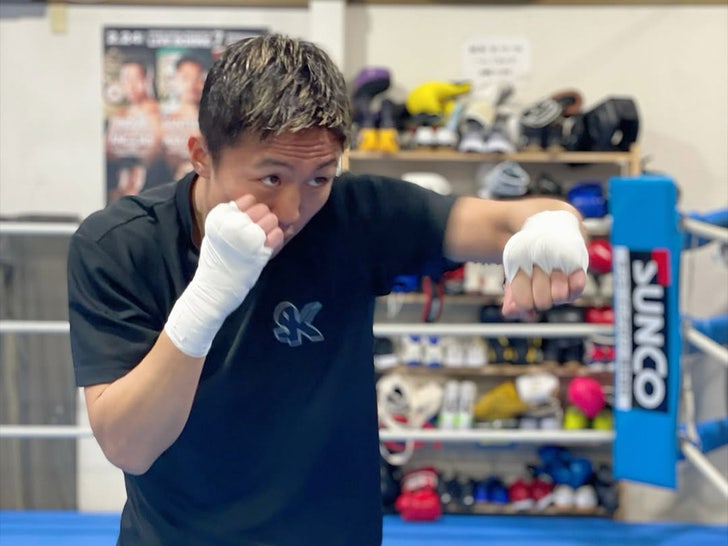
Credit: www.tmz.com
Frequently Asked Questions
Is Boxing Losing Its Popularity?
Boxing faces challenges but retains a strong fan base. New promotions and fighters keep interest alive. Streaming services help reach wider audiences. Shifts in viewer preferences impact traditional boxing viewership, yet its appeal persists. The sport evolves, adapting to modern trends and maintaining relevance in the competitive sports landscape.
Is There A Future In Boxing?
Boxing has a promising future with growing global interest and new talent emerging. Major events attract millions of viewers. Innovations in training and technology enhance the sport. The rise of women’s boxing and diverse weight classes contribute to its evolution.
Boxing remains a captivating and dynamic sport worldwide.
Is Boxing Dead As A Sport?
Boxing is not dead as a sport. It remains popular, with significant events and a dedicated fanbase. Prominent fighters and exciting matches continue to draw audiences worldwide. Boxing’s rich history and ongoing evolution keep it relevant and vibrant in today’s sports landscape.
Does Gen Z Like Boxing?
Gen Z shows interest in boxing for its fitness benefits and exciting matches. Social media boosts boxing’s popularity among them. Influencers and athletes engage Gen Z through online content, sparking curiosity. Boxing’s cultural significance and iconic personalities also attract this generation’s attention.
Conclusion
Boxing remains alive and strong today. Many fans still enjoy the sport. Young athletes continue to train hard, dreaming of championship titles. Big matches draw large crowds and excitement. Boxing gyms everywhere buzz with energy and dedication. Enthusiasts love the thrill and discipline boxing offers.
It connects fans worldwide, sharing a passion for skill and strategy. While other sports rise, boxing holds its ground. Its rich history and fierce competition captivate audiences. Boxing’s spirit persists, fueled by loyal followers. As long as there are fighters, boxing will never truly fade away.