
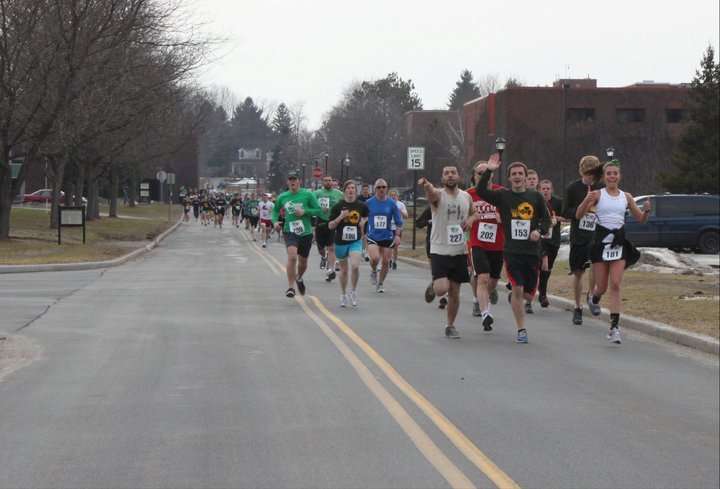
Have you ever wondered if your favorite workout might be affecting your height? If you’re a runner, or thinking about taking it up, you might have heard the intriguing claim: “Does running make you shorter?”
It’s a question that taps into our curiosity and concerns about maintaining our stature while reaping the benefits of exercise. This idea might sound surprising, but it’s time to uncover the truth. Imagine lacing up your sneakers, hitting the trail, and feeling the rush of energy as you propel yourself forward.
Now, imagine finding out that this exhilarating activity might be altering your height. It’s enough to make anyone pause and question their routine. You’re not alone in your curiosity. Many have wondered whether pounding the pavement could lead to shrinking over time. You will discover the science behind running and its impact on your height. We’ll delve into myths, facts, and everything in between. By the end, you’ll not only have the answers but also a clearer understanding of how running affects your body. Let’s explore the fascinating intersection of exercise and physical stature together. Your height curiosity won’t be left unanswered.
Running And Height Myths
Running is a popular exercise, but myths about it persist. One common myth is that running makes you shorter. Let’s explore these misconceptions and understand the truth.
Does Running Compress Your Spine?
Some believe running compresses the spine, making you shorter. This myth stems from the impact running can have on the body. Yes, running involves impact, but it’s not enough to cause height loss. The spine can compress slightly during the day but returns to normal after rest.
Impact Of Running On Joint Health
Another myth is that running damages joints, affecting height. Running can be hard on joints if done incorrectly. Proper technique and good footwear help maintain joint health. Healthy joints mean no height loss from running.
Role Of Genetics In Height
Height is mostly determined by genetics. Exercise like running doesn’t change genetic height. Running supports health and fitness but doesn’t alter genetic traits.
Exercise And Posture Improvement
Running can improve posture, making you appear taller. Good posture aligns the spine, enhancing your natural height. Strong muscles from running support better posture.
Benefits Of Running Beyond Myths
Running offers many health benefits. It boosts cardiovascular health, strengthens muscles, and enhances mood. These benefits outweigh any myths about height loss.

Credit: www.instagram.com
Impact Of Running On The Body
Running impacts the body in various ways, but it doesn’t make you shorter. Temporary height loss may occur due to spinal compression during running, but normal height returns after rest. Regular running can improve posture and muscle tone, contributing to better overall body alignment.
Running is a popular exercise that many people enjoy for its physical and mental benefits. However, it raises questions about its impact on the body, particularly concerning height. Understanding how running affects your body can help you make informed decisions about incorporating it into your fitness routine.Physical Changes
Running can lead to several physical changes in your body, most of which are positive. It enhances cardiovascular health, strengthens muscles, and improves endurance. You might notice increased muscle tone, especially in your legs and core, as these areas are heavily engaged during running. But what about height? Some worry that the repetitive impact of running might compress the spine, making you shorter. While it’s true that running can cause temporary compression in the spine, this is usually relieved with rest and proper stretching.Bone Health And Density
Running is excellent for bone health. It is a weight-bearing exercise, which means it puts stress on your bones, encouraging them to become denser and stronger. This can help prevent osteoporosis and other bone-related issues as you age. A friend of mine started running in her mid-30s. She was initially concerned about potential negative effects on her height. However, after months of regular runs and proper nutrition, she not only maintained her height but also reported stronger bones during her next health check-up. So, does running make you shorter? The evidence suggests otherwise. Instead, it contributes positively to bone health, provided you maintain good form and recovery practices. Have you considered how your running routine might be impacting your body? Taking a closer look at your running habits and ensuring you’re supporting them with proper nutrition and recovery can make a significant difference in your overall well-being.Factors Influencing Height
Running does not make you shorter; it supports overall health and fitness. Height is primarily influenced by genetics, nutrition, and overall lifestyle. Regular exercise, including running, may promote healthy growth and development.
Factors influencing height are varied. They involve elements beyond our control and choices we make daily. Understanding these aspects can help us appreciate how height is affected and why running doesn’t make you shorter.Genetic Determinants
Genes play a major role in determining height. Parents pass on their height traits to their children. If both parents are tall, children are likely to be tall too. Conversely, shorter parents often have shorter children. Genetic factors set limits on potential height growth.Nutritional Influence
Nutrition is crucial for height development. A balanced diet supports growth during childhood and adolescence. Proteins, vitamins, and minerals are essential. They aid bone health and growth. Malnutrition can stunt growth, leading to shorter stature. Proper nutrition helps reach full height potential.Lifestyle And Activity Levels
Lifestyle choices impact height. Regular physical activity promotes healthy growth. Exercises like stretching can improve posture. Good posture can make one appear taller. Sedentary lifestyle may hinder growth potential. Staying active is beneficial for overall well-being and height maintenance.
Credit: www.caryortho.com
Scientific Studies And Findings
Running is a popular exercise with many benefits. People often ask if running affects height. The concern is whether it might make you shorter. Scientific studies offer insights into this topic.
Research On Athletes
Scientists study athletes to understand running’s impact on height. Most research shows that running does not make people shorter. Athletes tend to have strong bones due to physical activity. Studies reveal that running may even improve bone density. This supports taller posture and healthy bones.
Some research focuses on young athletes. Growth plates are sensitive during development. Running does not harm growth plates. This means running is safe and healthy for young runners. It promotes growth rather than hindering it.
Insights From Medical Experts
Medical experts provide valuable insights on running and height. They emphasize the importance of exercise for overall health. Experts say running does not compress the spine permanently. Temporary height loss can occur due to spinal compression. This is normal and resolves after rest.
Nutrition also plays a crucial role in height. Experts advise a balanced diet to support growth. Proper nutrition ensures that running benefits the body. Inadequate nutrition can lead to weaker bones. This is more likely to affect height than running itself.
Running Benefits Beyond Height
Running doesn’t make you shorter; it enhances cardiovascular health and boosts mood. Regular running strengthens bones, improving overall fitness and posture. Enjoy the myriad benefits beyond just height.
Running is often celebrated for its ability to enhance physical fitness, but its benefits extend far beyond just the physical attributes. While the myth that running might make you shorter persists, the reality is that running offers a wealth of advantages that contribute to overall well-being. Let’s delve into some of the remarkable benefits of running that go beyond the concern of height.Cardiovascular Health
Running is a powerful way to boost your cardiovascular health. Each step you take strengthens your heart, enhancing its efficiency in pumping blood. This can lead to lower blood pressure and a reduced risk of heart disease. Even a simple routine of running a few times a week can improve your cholesterol levels. It increases the production of high-density lipoprotein (HDL), the “good” cholesterol, while helping to lower triglycerides. Have you noticed how your stamina builds over time? That’s your heart and lungs getting more robust, allowing you to enjoy everyday activities with more energy.Mental Well-being
Have you ever experienced a runner’s high? It’s that exhilarating sense of joy and relaxation that follows a good run. This isn’t just a myth; running releases endorphins, the body’s natural mood lifters. Running can be a form of moving meditation, clearing your mind and reducing stress. It’s a time when you can disconnect from daily pressures and focus on your breathing and the rhythm of your footsteps. If you’re looking to boost your self-esteem, running can help. Setting and achieving personal milestones, whether it’s your first mile or a personal best, builds confidence and a sense of accomplishment. So, as you lace up your running shoes, remember that the benefits of running extend beyond any concerns about height. What other positive effects could running bring into your life?
Credit: www.instagram.com
Common Misconceptions
Running is a popular form of exercise with numerous health benefits, yet it often falls victim to myths and misconceptions. One such myth is the belief that running can make you shorter. This misconception can deter people from enjoying an otherwise beneficial activity.
Debunking Height Loss Myths
The idea that running makes you permanently shorter is a myth. Many believe that the impact of running compresses the spine and leads to a decrease in height. However, there’s no scientific evidence supporting this claim.
In reality, the human body is resilient and adapts well to physical activity. Running, in fact, strengthens your bones and muscles, which can contribute to better posture and an impression of increased height.
Think about it: if running made people shorter, wouldn’t professional runners be significantly shorter than the average person? Yet, many elite runners are often taller than average.
Understanding Temporary Height Changes
While running doesn’t cause permanent height loss, you might experience temporary changes. Throughout the day, your spine naturally compresses due to gravity and physical activity. This can lead to a slight decrease in height by the evening, often recovering overnight as you rest.
This temporary compression is normal and happens to everyone, not just runners. It’s part of the body’s natural cycle and doesn’t signify any damage or long-term change.
So, the next time you lace up your running shoes, remember that running is unlikely to impact your height in the long term. Instead, focus on the benefits it brings to your overall health and well-being. Have you noticed any surprising changes since you started running?
Proper Running Techniques
Running does not make you shorter. Proper running techniques help maintain height by promoting good posture. Focus on correct form to support healthy growth.
Proper running techniques play a crucial role in maximizing performance and minimizing the risk of injury. Many runners are concerned about their height, wondering if the impact of running can make them shorter. While running itself doesn’t directly cause height loss, improper techniques can lead to issues that might affect your posture and overall health. Let’s explore some essential tips to ensure you’re running correctly and safely.Posture And Alignment
Maintaining a good posture while running is vital. Keep your head up, looking forward, not down at your feet. This helps to naturally align your spine and prevent unnecessary stress on your back and neck. Your shoulders should be relaxed and slightly back, avoiding any hunching. This alignment can prevent injuries and ensure you’re using your muscles efficiently. Aligning your hips with your shoulders and feet helps in maintaining balance and reduces the risk of strain. Think of your body as a straight line from head to toe, allowing for a smoother and more efficient stride.Footwear And Terrain Considerations
Choosing the right footwear can make a significant difference. Invest in running shoes that provide adequate support and cushioning for your foot type. This helps in absorbing impact and reducing stress on your joints. Be mindful of the terrain you choose for running. Opt for softer surfaces like grass or trails, which can be gentler on your body than hard concrete. Varying your routes can also prevent repetitive stress injuries. Consider replacing your running shoes every 300 to 500 miles to ensure they continue to provide the support you need. Worn-out shoes can lead to poor alignment and increased risk of injury. Proper techniques not only enhance your running experience but also protect your body in the long run. How do you ensure you’re running with the best form possible?Maintaining Overall Health
Running does not make you shorter. It strengthens muscles and bones, promoting overall health. Regular running supports height maintenance through improved posture and bone density.
Maintaining overall health is vital for every runner. Running offers numerous benefits. It improves cardiovascular health and boosts mental well-being. But maintaining balance is key. A balanced approach can prevent potential downsides. It ensures that running helps, not hinders, your health.Balanced Exercise Regimen
A balanced exercise regimen supports overall health. Running should be part of a varied workout plan. Include strength training and flexibility exercises. This approach builds muscle and improves joint function. It reduces the risk of injury from overuse. Alternate running with other activities like swimming or cycling. This keeps workouts interesting and targets different muscle groups.Nutrition And Hydration Tips
Nutrition is crucial for maintaining health. Eat a balanced diet rich in fruits and vegetables. Include lean proteins and whole grains. These provide essential nutrients and energy. Proper hydration is equally important. Drink water throughout the day, not just during exercise. Hydrated muscles perform better and recover faster. Adjust your water intake based on activity level and climate. Aim for a diet that supports your running routine.Frequently Asked Questions
Do You Get Shorter If You Run?
Running does not make you permanently shorter. Temporary compression of spinal discs might occur, but height returns after resting. Maintaining good posture and proper hydration during running helps minimize any temporary height change.
Does Running Affect My Height?
Running does not affect your height. Genetics and nutrition primarily determine height. Running promotes overall health and fitness, but it doesn’t increase or decrease height. Ensure a balanced diet and good posture for optimal growth during development years.
What Is The 80% Rule In Running?
The 80% rule in running suggests that 80% of your weekly mileage should be at a comfortable, easy pace. This helps prevent injuries and promotes endurance. By focusing on slower, steady runs, runners can improve their stamina while reducing the risk of overtraining.
Can Running For 30 Minutes Temporarily Shrink Your Height?
Running for 30 minutes does not temporarily shrink your height. Physical activity may cause slight spinal compression, but this is normal. Any height change is negligible and temporary, quickly resolving after rest. Maintaining good posture and hydration can also help minimize spinal compression effects during exercise.
Conclusion
Running does not make you shorter. The opposite can be true. It boosts health and improves posture. Regular exercise strengthens bones and muscles. Height is mostly genetic. Running supports growth by promoting a healthy lifestyle. Some might think it compresses joints.
But running encourages proper alignment. It is essential to stay hydrated. Stretching before and after helps maintain flexibility. Listen to your body. Running offers many benefits. Stand tall and embrace the journey. Your height remains unaffected. Enjoy the run!