
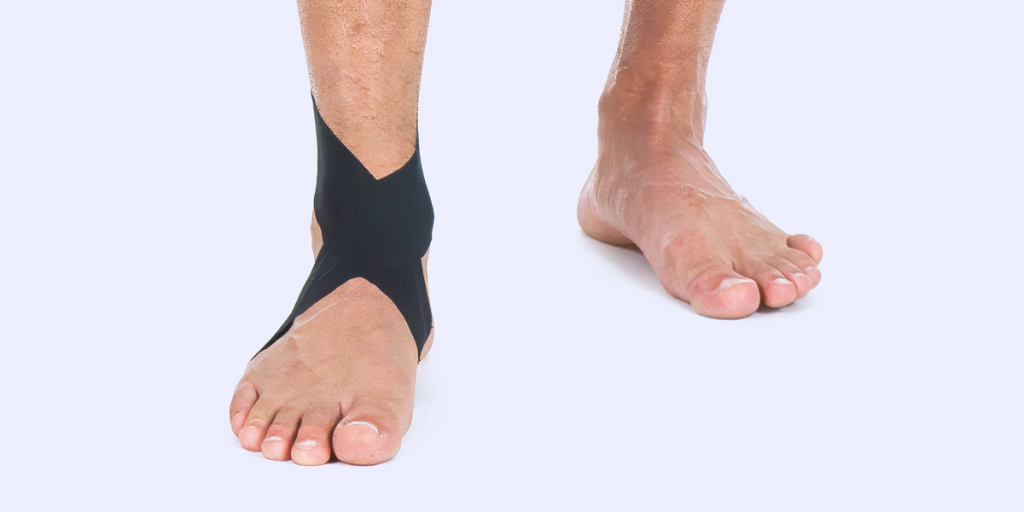
Imagine stepping out for a run, feeling the wind in your hair, only to be stopped by an annoying foot pain. You want freedom from discomfort, and taping your foot might be the answer.
You might be wondering how something so simple could make such a difference. Well, it’s all about the right technique! Proper foot taping can offer stability, reduce pain, and even prevent injuries. Whether you’re an athlete pushing your limits or someone who just wants to walk without discomfort, knowing how to tape your foot can be a game-changer.
In this guide, you’ll discover easy steps to tape your foot effectively and keep you moving with confidence. Ready to learn how to give your feet the support they need? Let’s dive in!
Benefits Of Foot Taping
Taping your foot can provide support and reduce strain during activities. It helps in managing pain and preventing injuries. This simple technique promotes healing and improves stability for those on their feet often.
Taping your foot can be a game-changer for anyone dealing with foot discomfort or instability. Whether you’re an athlete, a weekend warrior, or just someone who enjoys a long walk, foot taping can offer significant benefits. It provides support, reduces pain, and enhances your overall foot health. But have you ever wondered how this simple technique can make such a difference? Let’s delve into the benefits of foot taping.
Improved Stability
Imagine stepping with confidence, knowing your foot is well-supported. Taping helps anchor your foot, offering stability during activities. This can be particularly beneficial if you’re prone to ankle twists or need extra support while running or playing sports. The tape acts like a gentle guide, helping your foot stay aligned, which can prevent injuries.
Pain Reduction
Dealing with foot pain can be frustrating. Foot taping can alleviate discomfort from conditions like plantar fasciitis or tendonitis. By applying tape correctly, you can reduce strain on certain foot areas, providing relief from persistent pain. It’s like giving your foot a comforting hug, easing tension and promoting healing.
Enhanced Athletic Performance
Are you striving for better performance in your sport? Taping can enhance your athletic abilities by supporting your foot during intense activities. It enables a more efficient push-off and improves balance, helping you achieve your personal best. You might find that with taped feet, your movements become more agile and controlled.
Preventive Measure
Why wait for an injury to happen when you can prevent it? Regular foot taping can act as a proactive measure to keep your feet safe. If you’re engaging in activities known for high foot stress, taping can be your secret weapon to avoid potential problems. Consider it a preemptive strike against injuries that could sideline you.
Customization To Your Needs
One of the great things about foot taping is its adaptability. You can tailor the taping method to suit your specific needs, whether it’s targeting a particular pain point or offering general support. With a variety of techniques available, you can experiment to find what works best for your feet. Have you found your perfect taping method yet? Embrace the benefits of foot taping and step into a more supported, pain-free world. Whether you’re seeking stability, pain relief, or enhanced performance, taping offers practical solutions that are easy to implement.
Credit: medium.com
Materials Needed For Taping
Gather athletic tape, scissors, and pre-wrap for taping your foot. Ensure you have adhesive spray for better tape grip. Keep skin clean and dry before starting.
Taping your foot can be a game-changer, especially if you’re dealing with injuries, blisters, or need additional support for athletic activities. But before you start, it’s crucial to gather the right materials. Having everything ready not only makes the process smoother but also ensures the tape will hold up under pressure. Whether you’re a seasoned athlete or just starting out, knowing what you need can make all the difference.
1. Athletic Tape
The cornerstone of foot taping is quality athletic tape. Choose a tape that’s durable yet flexible, allowing for movement without losing support. Look for brands that offer a good balance of adhesive strength and comfort. If you’ve ever had tape peel off mid-run, you know how important this choice is.
2. Pre-wrap
Pre-wrap is essential for protecting your skin from irritation. It acts as a barrier between your skin and the adhesive tape. This is especially important if you have sensitive skin or plan to tape your foot frequently. It also makes removal easier, saving you from unnecessary discomfort.
3. Scissors
A sturdy pair of scissors is necessary for cutting the tape to the right size. You don’t want to struggle with tearing tape by hand, which can lead to jagged edges and poor application. Keep scissors handy to ensure precise cuts and a professional finish.
4. Adhesive Spray (optional)
For extra hold, consider using an adhesive spray. This can be particularly useful if you’re engaging in activities that involve a lot of sweat or water. It gives an added layer of security, ensuring your tape stays put. Think of it as the secret weapon for those challenging conditions.
5. Foam Padding (optional)
Foam padding can offer additional cushioning and protection. This is useful if you’re dealing with specific pressure points or injuries. It adds comfort and can be tailored to fit the exact shape of your foot. If you’ve ever experienced that uncomfortable pinch, this could be your solution. Are you ready to start taping like a pro? With these materials on hand, you’ll be prepared to tackle any foot taping challenge. What other items do you find essential for taping your foot? Share your thoughts!
Types Of Foot Taping Techniques
How to Tape Your Foot Explore various foot taping techniques for support and pain relief. Techniques include ankle taping, arch taping, and toe taping. Each method targets specific issues, offering stability and comfort during activities.
Taping your foot can offer stability and reduce pain. Different techniques suit specific needs. Understanding these methods can improve foot health.
Ankle Taping
Ankle taping provides support for weak or injured ankles. It limits movement to prevent further injury. To tape your ankle, start by wrapping around the base of your foot. Next, use strips of tape going upward, crossing over the ankle joint. Finish with a figure-eight wrap for added security. Proper ankle taping enhances stability during physical activities.
Arch Support Taping
Arch support taping helps relieve discomfort in the arch area. It supports the foot’s natural curve and can reduce strain. Begin by anchoring the tape at the ball of your foot. Guide it around the heel, forming a loop under the arch. Apply gentle pressure while taping. This technique supports the arch and alleviates pain.
Plantar Fasciitis Taping
Plantar fasciitis taping targets heel pain caused by inflammation. It reduces stress on the plantar fascia. Start by placing anchor strips around the ball of the foot. Create a cross pattern beneath the arch using additional tape. Secure the heel with horizontal strips. This taping method provides relief and supports healing.
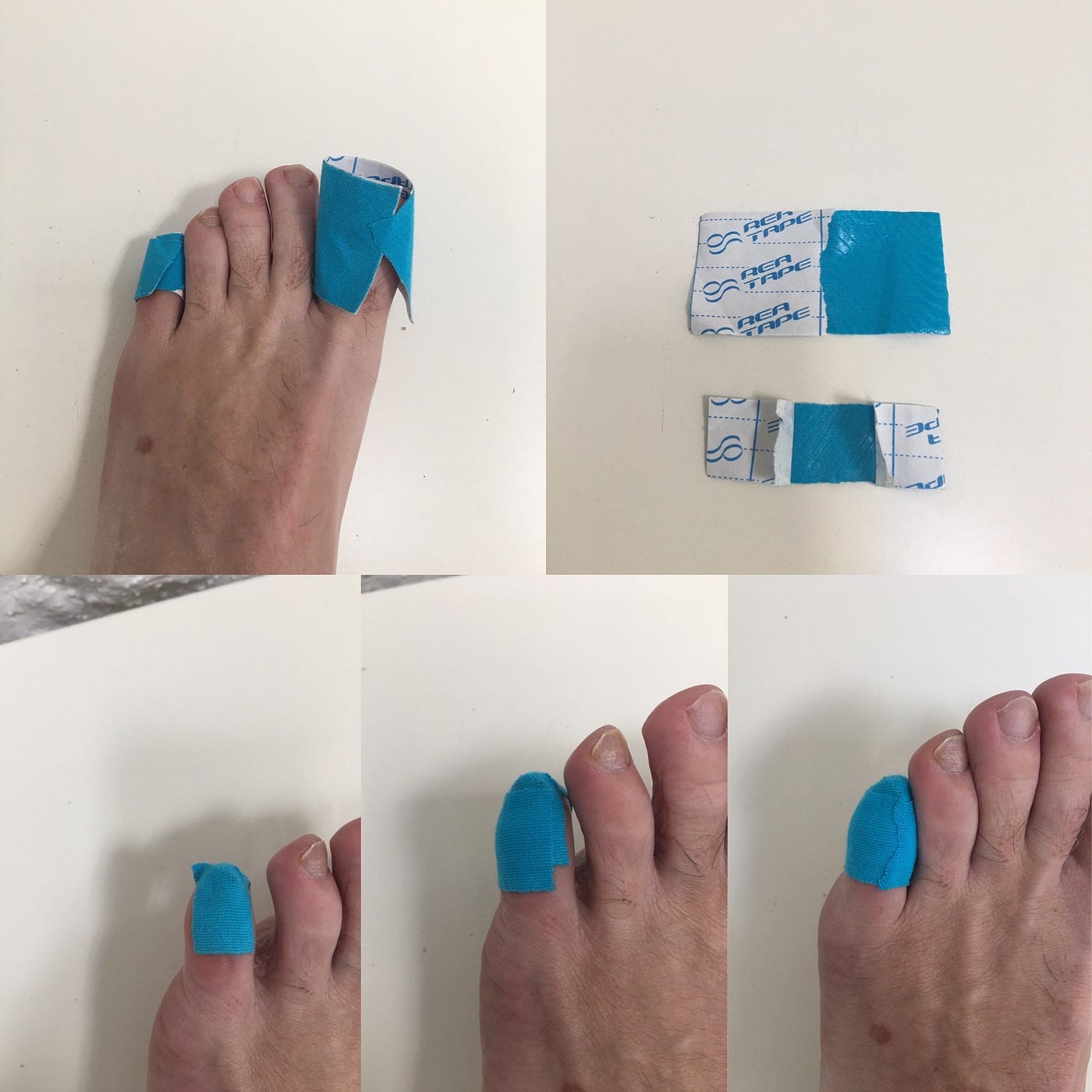
Toe Taping
Toe taping stabilizes toes and prevents blisters during activities. Wrap each toe individually for optimal protection. Cut small strips and wrap them around the base and tip of each toe. Ensure the tape is snug but not too tight. This technique is ideal for athletes or those experiencing toe pain.
Step-by-step Taping Guide
Learning to tape your foot can offer great relief and support. Whether you’re managing an injury or preventing one, taping is a helpful skill. This step-by-step guide will walk you through the process. Follow each section closely for effective results.
Preparing The Foot
Start by cleaning your foot thoroughly. Use soap and water to remove sweat and dirt. Dry your foot completely to ensure the tape sticks well. Consider shaving any hair on the foot for better adhesion.
Applying The Tape
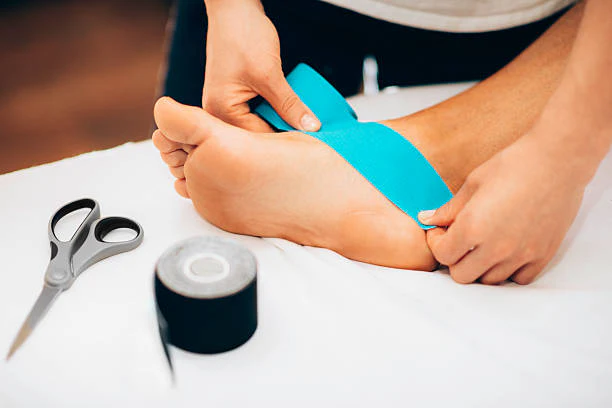
Choose the right tape for your needs. Kinesiology tape provides flexibility, while athletic tape offers firm support. Cut the tape into strips that suit the area needing coverage. Begin wrapping from the ball of the foot, moving towards the heel. Overlap each strip slightly for full coverage.
Ensuring Proper Tension
Maintain consistent tension as you apply the tape. Too tight can restrict blood flow, while too loose may not provide support. Test the tension by flexing your foot gently. Adjust as needed for comfort and effectiveness.
Common Mistakes To Avoid
Incorrectly taping your foot can worsen discomfort. Ensure tape isn’t too tight to prevent circulation issues. Avoid taping over unclean or wet skin, which might cause irritation.
Taping your foot can be a game-changer for anyone dealing with foot pain or looking to prevent injuries. However, it’s easy to make mistakes that could render your efforts ineffective or even cause more harm. Identifying these common errors can save you time, frustration, and discomfort. Let’s delve into the pitfalls you should steer clear of.
Improper Tension In The Tape
Using the wrong tension can be a major issue. If the tape is too tight, it could cut off circulation. On the flip side, if it’s too loose, it won’t provide the necessary support. Always aim for a snug fit that allows normal blood flow. Check by ensuring your toes are warm and have normal color.
Ignoring Skin Preparation
Skipping skin preparation is a rookie mistake. Dirty or oily skin can cause the tape to slip off. Clean and dry your foot thoroughly before applying tape. Consider using an adhesive spray for better grip.
Overlapping Tape Incorrectly
Incorrect overlapping can make your tape job fall apart quickly. The tape layers should support each other, not fight for space. Ensure each strip overlaps the previous one by half its width. This creates a stable and cohesive support structure.
Using The Wrong Type Of Tape
Not all tapes are created equal. Athletic tape, kinesiology tape, and medical tape serve different purposes. Choose the tape that suits your specific needs. For example, use athletic tape for stability and kinesiology tape for flexibility.
Skipping A Test Run
You wouldn’t wear new shoes without breaking them in, right? The same applies to taping techniques. Test your tape job in a safe environment first. Walk around and see if it holds up and feels comfortable.
Not Consulting A Professional When Needed
Sometimes DIY just isn’t enough. Persistent pain or discomfort may require expert advice. If you’re unsure, consult a medical professional for guidance. They can provide personalized tips and adjustments. By avoiding these common pitfalls, you can effectively tape your foot and enjoy greater comfort and mobility. So, have you been making any of these mistakes?
Credit: denielfootandanklecenter.com
Tips For Effective Taping
Taping your foot correctly is crucial for support and injury prevention. To ensure effective taping, consider several key factors. Follow these tips for a secure and comfortable taping experience.
Choosing The Right Tape
Selecting the right tape is essential for effective foot taping. Opt for athletic tape that offers good stretch and support. Ensure it’s hypoallergenic to prevent skin irritation. The tape should be easy to tear by hand for convenience. Adhesive strength matters; it should stay put but be gentle on the skin. Brands offer various widths, so pick one suitable for your foot size.
Monitoring Skin Reaction
Watch for any signs of skin irritation or allergic reactions. Redness, itching, or blistering indicates a problem. Test a small area before full application if you have sensitive skin. Keep the skin clean and dry before applying tape. Use a skin barrier if necessary to protect sensitive skin. Remove the tape carefully to avoid damaging the skin.
Maintaining Tape Durability
Ensure your tape lasts throughout your activity. Apply tape to clean, dry skin for better adhesion. Avoid applying lotions or oils on the area before taping. Overlap the tape slightly to enhance its hold. Secure the ends firmly to prevent peeling during movement. Use a sweat-resistant tape if engaging in intense activities. Store your tape in a cool, dry place to maintain its quality. Regularly check and replace worn-out tape for consistent support.
When To Seek Professional Help
Persistent pain or discomfort after taping your foot may require professional help. Consult a specialist if swelling worsens or movement becomes difficult. Expert advice ensures proper healing and prevents further injury.
Taping your foot can be an effective way to manage pain and support healing. However, there are times when seeking professional help is crucial. Understanding when to reach out to a healthcare provider can make a significant difference in your recovery process.
Signs You Need Expert Advice
If you notice persistent pain despite taping, it’s a sign that you might need professional guidance. Occasional discomfort is normal, but if pain continues and interrupts daily activities, consulting a healthcare provider is advisable. Another indication is swelling or bruising that doesn’t subside. These symptoms might suggest an underlying issue that requires medical attention. A doctor can provide a thorough examination and determine the best course of action.
When Your Foot Condition Worsens
In situations where your foot condition deteriorates, professional help becomes essential. If mobility decreases or you experience new symptoms like numbness, it’s time to consult a specialist. These changes can indicate nerve or vascular issues that need immediate attention.
Difficulty In Correctly Taping Your Foot
Sometimes, taping your foot correctly can be challenging. If you’re struggling to apply tape properly and maintain stability, seeking advice from a physical therapist can be beneficial. They can demonstrate the correct technique and ensure you’re supporting your foot effectively.
Persistent Symptoms Beyond Two Weeks
If symptoms persist beyond two weeks, it’s wise to seek medical advice. A prolonged recovery might suggest a more serious problem that taping alone cannot resolve. Early intervention can prevent further complications and promote faster healing.
Personal Experience: Seeking Help Changed Everything
I once ignored persistent pain in my foot, believing taping would suffice. However, consulting a healthcare professional revealed a stress fracture. Timely intervention allowed for proper treatment and a smoother recovery. Have you ever wondered if seeking help could make a difference in your situation?
Credit: www.tiktok.com
Frequently Asked Questions
How To Tape A Foot For Pain?
Clean the foot and apply adhesive spray. Start taping from the ball of the foot, wrapping in a figure-eight pattern around the arch and ankle. Secure with an anchor strip. Ensure the tape is snug but not too tight. Consult a healthcare professional for proper guidance.
Does Taping Your Feet Help?
Taping your feet can provide support and reduce pain. It stabilizes joints and prevents injuries during activities. Proper technique is essential for effectiveness. Always consult a healthcare professional for advice tailored to your needs.
Can You Tape Your Own Foot?
Yes, you can tape your own foot using athletic tape for support. Ensure the tape is snug, not tight, and follow proper techniques for effectiveness. Consider consulting a professional for guidance if unsure. Proper foot taping can help prevent injuries and provide stability during physical activities.
How To Wrap Feet For Walking?
To wrap feet for walking, use elastic bandages or sports tape. Start at the ball of the foot, wrap around the arch, heel, and ankle securely. Ensure even pressure and avoid wrinkles. This supports foot structure, preventing blisters and injuries during long walks.
Adjust tightness for comfort and circulation.
Conclusion
Taping your foot can help support and protect it. Follow the steps to tape properly. Practice makes perfect. Take your time and be patient. Remember, it’s important to ensure comfort and stability. Adjust the tape if it feels too tight or loose.
Regular taping can prevent injuries and offer relief. Listen to your body and consult a professional if needed. With consistent care, your foot will feel better and stay supported. Try it for yourself and experience the benefits. Stay active and enjoy your activities with confidence.