

Imagine this: you’re gearing up for a big game, your adrenaline is pumping, and the sun is blazing down. As an athlete, staying hydrated is crucial, but it’s Ramadan, and you’re fasting.
The question that might be lingering in your mind is, “Can you drink water during Ramadan if you play sports? ” This dilemma is not just about thirst; it taps into your physical performance, your commitment to faith, and your ability to juggle both.
We’ll dive into the heart of this conundrum, unraveling the facts, and offering insights that align with your athletic needs and spiritual obligations. Stay with us, because what you discover here could be the game-changer for balancing your sports passion and fasting duties. Let’s uncover the possibilities together.

Credit: www.hindustantimes.com
Ramadan And Fasting Rules
Ramadan is a holy month for Muslims. It involves fasting from dawn to sunset. During this time, Muslims refrain from eating and drinking. This includes abstaining from water. The fast is a time for reflection and spiritual growth. It is also a test of self-discipline and devotion.
Understanding The Basics Of Fasting
Fasting during Ramadan is a fundamental practice. It starts with the pre-dawn meal called Suhoor. The fast ends with Iftar, the evening meal. Between these times, no food or drinks are consumed. This includes all liquids, even water. The fast is observed for 29 to 30 days, depending on the moon sighting.
Exemptions From Fasting
Not everyone is required to fast. Children, the elderly, and those who are ill are exempt. Pregnant or nursing women may also be excused. Travelers and people with certain medical conditions have exemptions too. These exceptions ensure health and well-being are prioritized.
Sports And Physical Activity During Ramadan
Many wonder about physical activity during Ramadan. Exercise is still possible but requires caution. Timing is crucial. Many athletes train after breaking the fast. Some prefer early morning sessions after Suhoor. Hydration and nutrition are key during non-fasting hours.
Adjusting Sports Routines For Ramadan
Athletes may need to adjust their routines. Lighter workouts may be more suitable. Rest and recovery become even more important. Listening to one’s body and staying hydrated at night is vital. It helps maintain performance and health.
Impact Of Fasting On Athletes
Ramadan, a sacred month of fasting observed by millions worldwide, brings unique challenges for athletes. Abstaining from food and drink from dawn until sunset can significantly impact physical and mental performance. Yet, many athletes continue to train and compete during this period, adapting their routines to align with their spiritual commitments. But how exactly does fasting affect athletic performance?
Physical Challenges
During fasting, athletes might experience decreased energy levels due to limited nutrition intake. This can lead to fatigue and slower recovery times after workouts. Imagine trying to maintain peak performance without your usual hydration and nutrients—it’s tough.
Without regular water intake, dehydration is a real risk, affecting endurance and strength. Your body relies heavily on fluids to regulate temperature and maintain muscle function. The lack of water can lead to cramps and reduced stamina.
How do athletes overcome these hurdles? Adjusting workout intensity and timing can help. Opt for lighter sessions or train during the cooler parts of the day. Prioritize pre-dawn meals and hydrate well before fasting begins.
Mental Effects
Fasting isn’t just a physical challenge; it impacts mental focus too. Athletes often report decreased concentration and alertness during workouts or competitions. The absence of food and drink can disrupt usual mental sharpness.
However, fasting can also enhance mental resilience. It teaches discipline and patience, qualities invaluable in sports. Many athletes find they develop stronger mental fortitude, pushing through discomfort and honing their focus.
Ask yourself: Can the mental strength gained during fasting outweigh the temporary discomfort? Many athletes believe it does, driving them to refine their strategies and adapt to new routines.
Adapting to fasting while playing sports is challenging but possible. It’s about understanding your body’s limits and finding creative ways to maintain performance without compromising your spiritual practices.
Hydration Needs For Athletes
During Ramadan, athletes who play sports face unique challenges with hydration. Fasting hours can be long, impacting energy and water intake. Staying hydrated is crucial for maintaining performance and health. Athletes need to balance their physical activities with the fasting schedule.
Importance Of Hydration
Hydration is essential for athletes to perform at their best. Water helps regulate body temperature and lubricates joints. It also aids in transporting nutrients to cells. When athletes are well-hydrated, they can maintain stamina and focus. Proper hydration reduces the risk of cramps and heat-related illnesses. For athletes fasting during Ramadan, planning is key. They should drink adequate water during non-fasting hours.
Signs Of Dehydration
Dehydration can significantly affect athletic performance. Early signs include thirst and dry mouth. Athletes may also experience fatigue and dizziness. In more severe cases, dehydration leads to confusion and rapid heartbeat. Recognizing these signs is vital for athletes. They should monitor their body for these symptoms, especially during Ramadan. Prompt action can prevent further health risks and ensure safe sports participation.
Strategies For Managing Hydration
Balancing hydration during Ramadan while playing sports requires careful planning. Focus on drinking plenty of water during non-fasting hours. Prioritize hydrating foods like fruits and vegetables to maintain energy levels.
Observing Ramadan while maintaining an active sports routine can be challenging, especially when it comes to staying hydrated. While fasting, you refrain from consuming food and drink from dawn until sunset, which means strategic planning is essential to ensure your body remains well-hydrated. The key is to maximize hydration during the non-fasting hours and adapt your routine to suit your body’s needs.Pre-dawn Hydration Techniques
Start your day right by drinking plenty of water during Suhoor, the pre-dawn meal. Aim for at least two to three glasses of water, which helps to kickstart your hydration for the day. Incorporate hydrating foods such as fruits like watermelon and cucumbers into your meal. These foods are high in water content and can help you stay hydrated longer. Consider consuming a sports drink or adding a pinch of salt to your water to maintain electrolyte balance, especially if you plan to engage in intense physical activities later.Post-sunset Recovery
Breaking your fast with water is vital. As soon as you hear the call for Iftar, drink a glass of water to rehydrate your body. After a long day of fasting, replenish your fluids gradually. Drinking too much water at once can overwhelm your system; instead, sip water throughout the night. Include soups and broths in your Iftar, which not only help with hydration but also provide nutrients to aid recovery. Pair these with dates, which are a traditional and effective way to boost energy levels. Engage your mind: Have you ever noticed the difference in your performance when you focus on hydration? Ensuring you’re hydrated can transform your energy levels and enhance your athletic performance during Ramadan.Balancing Sports And Religious Obligations
Balancing sports and fasting during Ramadan can be challenging. Athletes must decide if they can stay hydrated. Understanding personal limits and consulting with religious and sports experts can help find a suitable balance.
Balancing sports and religious obligations during Ramadan can be challenging. Athletes may wonder how to maintain performance while fasting. Observing Ramadan means abstaining from food and drink during daylight hours. This can impact energy levels and hydration. Sports require stamina and peak physical condition. So, it’s essential to find a balance between faith and fitness. Understanding how to manage these demands is crucial for athletes during Ramadan.Prioritizing Health
Athletes need to prioritize their health during Ramadan. Hydration is key, especially for sports activities. Lack of water can lead to fatigue and decreased performance. It is vital to drink sufficient water before sunrise and after sunset. This helps maintain energy levels throughout the day. Eating balanced meals during non-fasting hours supports health. Focus on foods rich in nutrients and hydration. This ensures the body gets necessary support for sports activities.Seeking Guidance From Religious Leaders
Consulting religious leaders can provide clarity on fasting rules. They offer guidance on balancing sports with religious obligations. Many athletes seek advice from knowledgeable leaders. This helps them understand how to manage fasting while playing sports. Religious leaders may offer practical advice for athletes. This includes ways to stay hydrated and maintain performance. Athletes should seek guidance to ensure their actions align with their beliefs.Alternative Training Approaches
During Ramadan, athletes often face the challenge of maintaining their fitness levels while fasting. This can be particularly tough when you’re unable to drink water during daylight hours. However, this doesn’t mean you have to put your training on hold. By adopting alternative training approaches, you can continue to play sports effectively without compromising your fasting commitments.
Adjusting Training Schedule
One practical approach is to adjust your training schedule around the fasting hours. Consider training either before dawn or after sunset when you can hydrate and replenish your energy. This allows you to maximize your performance without risking dehydration. If morning workouts suit you, try waking up before the pre-dawn meal (Suhoor) to get in a quick session. This way, you can hydrate post-training.
Evening workouts might be more appealing if you prefer to exercise after breaking your fast. Timing your sessions shortly after Iftar ensures you have enough energy from your meal. By aligning your workouts with these times, you can maintain your routine while respecting your fasting schedule.
Low-intensity Workouts
During Ramadan, consider switching to low-intensity workouts that require less energy and hydration. Activities such as yoga, stretching, and light jogging can help you maintain your fitness without overexerting yourself. This approach not only keeps you active but also prevents fatigue and dehydration.
Incorporating exercises like bodyweight workouts or pilates can be beneficial. These activities focus on strength and flexibility, providing a balanced routine that doesn’t demand high water intake. If you usually engage in high-intensity sports, temporarily scaling back can preserve your energy and keep your training sustainable.
Think about what adjustments could make your workouts more comfortable and effective during fasting. How can you modify your routine to align with your physical needs during Ramadan? Finding the right balance can help you maintain your athletic performance without compromising your spiritual commitments.
Success Stories And Experiences
Balancing sports and fasting during Ramadan can be challenging. Many athletes share experiences of adapting training schedules while fasting. They often focus on hydration before dawn and after sunset to maintain performance.
Success Stories and Experiences Drinking water during Ramadan can be a challenging decision, especially for athletes. Yet, many have embraced this challenge and shared their inspiring stories. These athletes have discovered unique ways to balance their faith with their passion for sports, and their experiences offer valuable lessons for anyone facing similar dilemmas.Athletes’ Personal Accounts
Several athletes have shared how they successfully navigated Ramadan while maintaining their athletic performance. A football player from Morocco revealed his strategy of adjusting training schedules to evenings post-Iftar. By doing so, he ensured he was hydrated and fueled for rigorous practice sessions. A runner found success by focusing on shorter, high-intensity workouts during fasting hours, reserving longer runs for after breaking the fast. These stories demonstrate that with creative adjustments, athletes can maintain their performance and honor their religious commitments.Lessons Learned
These experiences highlight key lessons for anyone balancing fasting with physical activity. Timing is crucial. Adjusting training schedules to evenings can allow for better hydration and energy levels. Listening to your body is essential. Recognizing when to rest or modify workouts prevents exhaustion and enhances overall well-being. The question remains: How can you find a balance that respects both your faith and your passion for sports? Drawing from these athletes’ experiences, consider experimenting with your routine and being open to adjustments. You might discover new strengths and strategies that can enhance your athletic performance during Ramadan.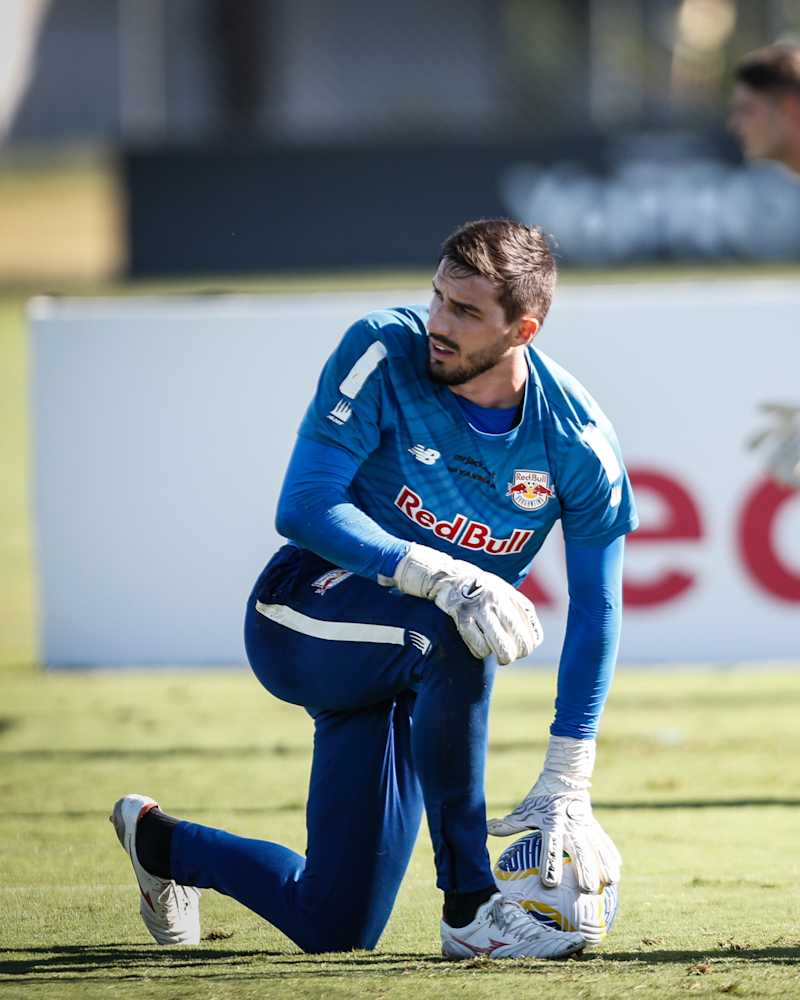
Credit: www.redbull.com
Consulting Health Professionals
Consulting health professionals can help athletes navigate fasting during Ramadan. Understand safe hydration methods while playing sports. This ensures performance is maintained without compromising health.
Consulting health professionals can be a game-changer if you’re an athlete observing Ramadan. It’s essential to ensure your body gets the support it needs while fasting. Seeking advice from experts can help balance your religious duties with your sporting goals.Role Of Nutritionists
Nutritionists can provide tailored dietary plans that accommodate the fasting schedule. They understand how to optimize your meal times for maximum energy and hydration. You might be surprised to learn how even small adjustments, like the timing of your pre-dawn meal, can make a huge difference in your performance. They can also suggest nutrient-rich foods that keep you fueled longer. Imagine having the stamina to play your best game even after a long day of fasting. Isn’t that something you would want to achieve?Advice From Sports Doctors
Sports doctors offer invaluable insights into maintaining physical health during Ramadan. They can guide you on safe ways to stay hydrated and avoid injury. Their advice often includes practical tips like adjusting your training schedule to cooler parts of the day. You may also receive recommendations on monitoring your body’s signals. Recognizing when to rest or hydrate, even within the constraints of fasting, can prevent exhaustion. Have you ever considered how listening to your body can enhance both your sports performance and fasting experience?
Credit: www.hindustantimes.com
Frequently Asked Questions
Can You Play Sports While Fasting In Ramadan?
Yes, you can play sports while fasting in Ramadan. Choose lighter activities and stay hydrated after breaking your fast. Listen to your body and adjust intensity to avoid fatigue. Prioritize safety and well-being during workouts.
What Are The Rules For Athletes In Ramadan?
Athletes can train during Ramadan by adjusting workout timings, focusing on nutrition, and hydrating properly during non-fasting hours. Prioritize rest, monitor energy levels, and consult with coaches for tailored plans. Balance spiritual commitments with physical activities for optimal performance and well-being.
Can You Do Sports While Water Fasting?
Engaging in sports while water fasting is not recommended. Fasting can lead to fatigue and dizziness. Light activities like walking or stretching are safer. Always listen to your body and consult a healthcare professional before combining fasting with exercise. Prioritize safety and well-being over physical exertion during fasting.
Can You Break Your Fast If You Play Sports?
Breaking your fast due to sports depends on your health and religious guidelines. Consult your physician and religious advisor. Playing sports might require energy, but decisions should align with your health needs and religious beliefs. Always prioritize well-being and follow spiritual guidance for fasting and physical activity.
Conclusion
Balancing sports and fasting during Ramadan can be challenging. Stay mindful of your body’s needs. Hydration is crucial, but rules during Ramadan are clear. Drinking water breaks your fast. Plan workouts wisely. Evening or night sessions might be best. Listen to your body.
Adapt routines to match energy levels. Consult with a coach or doctor for guidance. Everyone’s body reacts differently. Prioritize health and well-being. Ramadan offers a time for reflection. Consider how sports fit into this spiritual journey. Keep fitness goals realistic and safe.
Make thoughtful choices that respect both faith and fitness.
2 Responses