

Are you wondering if your trusty running shoes can double up for a game of basketball? You’re not alone.
Many people consider this switch to save time and money, but is it the right choice for you? The footwear you choose can significantly impact your performance and safety on the court. Understanding the differences between running and basketball shoes could be the game-changer you need.
We’ll dive into the pros and cons of using running shoes for basketball, helping you make an informed decision. Stick around to discover how the right pair of shoes can elevate your game and keep you injury-free.
Running Shoes Vs Basketball Shoes
Choosing the right footwear is important for performance and safety. Running shoes offer lightweight comfort and flexibility, but lack the ankle support and traction needed for basketball. For quick moves and jumps on the court, basketball shoes provide better stability and grip.
Running shoes and basketball shoes serve different purposes. Each type of shoe has unique features tailored to its sport. Understanding these differences helps in choosing the right footwear.Design Differences
Running shoes focus on forward movement. They have lightweight materials for speed. The soles are flexible to help with foot movement. Cushioning is important for absorbing impact. This helps during long runs. Basketball shoes focus on multi-directional movement. They offer more ankle support. The soles are thicker and more rigid. This design helps with quick stops and jumps. High-tops provide ankle stability. This reduces the risk of injury on the court.Performance Variations
Running shoes excel in straight-line speed. They help runners maintain a consistent pace. The cushioning reduces fatigue during long distances. They are not ideal for sudden turns or jumps. Basketball shoes support lateral movements. They enhance agility and balance on the court. The thicker soles give better grip on indoor surfaces. This helps players maneuver effectively. They offer protection during high-impact landings.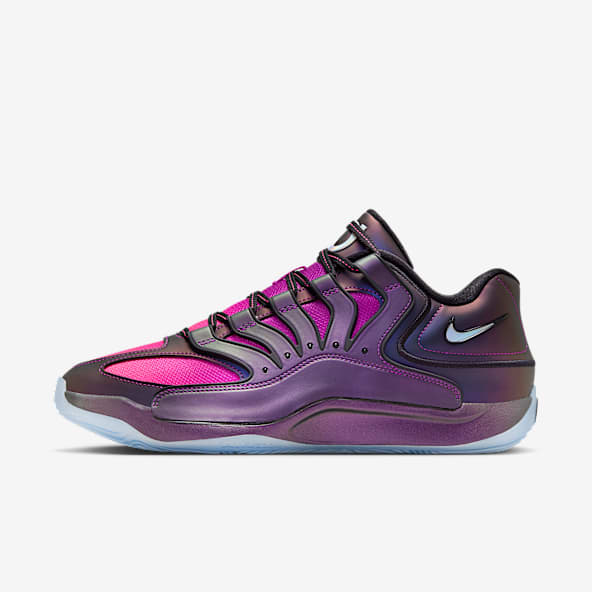
Credit: www.nike.com
Impact On Foot Health
Running shoes often enter the conversation about foot health in basketball. They offer comfort and cushioning for runners. But are they suitable for the demands of basketball? The impact on foot health is significant. Let’s explore how running shoes affect support, stability, and injury risks on the court.
Support And Stability
Running shoes prioritize forward motion. They lack lateral support needed in basketball. Basketball involves quick turns and jumps. Players need shoes that stabilize the foot during side-to-side movements. Running shoes might not provide this stability. Poor stability can lead to ankle twists or falls.
Injury Risks
Wearing the wrong shoes increases injury risk. Running shoes may lead to foot pain or blisters. They do not handle basketball’s hard landings well. This can stress the feet and joints. Players might experience more sprains or strains. Proper basketball shoes reduce these risks with better design. They cushion impacts and support the ankle.
Traction And Grip
When considering whether running shoes are suitable for basketball, traction and grip are crucial factors. Basketball requires quick movements, sudden stops, and rapid changes in direction. The shoes you choose must provide a firm grip on the court to enhance performance and prevent injuries.
Court Surface Compatibility
Different basketball courts have varying surfaces, each influencing traction differently. Indoor courts are typically smoother and may require shoes with softer rubber outsoles for better grip. In contrast, outdoor courts are rougher, demanding more durable soles to withstand the abrasive surface.
Running shoes are generally designed with running tracks or pavements in mind. Their grip may not be optimized for the slick surfaces of indoor courts or the gritty texture of outdoor ones. Consider the type of court you’ll frequently play on when choosing your shoes.
Slippage Concerns
Have you ever felt that heart-stopping moment when you almost slip on the court? This is a common concern with using running shoes for basketball. Running shoes often have flatter soles, which can lead to less grip and increased slippage risk during lateral movements.
Basketball shoes, on the other hand, are specifically designed to tackle these issues. They feature patterned outsoles that enhance grip and minimize slippage. If you frequently experience slippage, it might be time to rethink your choice of footwear.
Choosing the right shoe is more than just about comfort—it’s about your safety on the court. Are you willing to compromise performance and risk injury for the sake of convenience?

Credit: www.amazon.com
Durability And Longevity
Running shoes and basketball shoes serve different purposes. Understanding their durability and longevity helps decide their suitability for basketball. Running shoes are built for forward motion. Basketball shoes focus on lateral movements and jumps. This difference affects how each type handles wear and tear.
Material Quality
Running shoes often use lightweight materials. They prioritize breathability and comfort. Mesh and synthetic materials are common. These materials enhance speed and flexibility. Basketball shoes, however, use sturdier materials. Leather and thicker fabrics provide support and stability. These materials resist the rigors of basketball play.
Wear And Tear
Running shoes face wear mostly on the sole. Constant forward motion wears them down. Basketball shoes endure stress in multiple areas. Their soles, sides, and uppers face heavy use. Quick stops and jumps increase wear. Running shoes might wear out faster in a basketball setting. Basketball shoes are designed for the sport’s demands.
Comfort And Fit
Comfort and fit are crucial factors in choosing the right basketball shoes. The right shoes can enhance performance and prevent injuries. While running shoes are designed for forward motion, basketball involves quick stops and lateral moves. This makes comfort and fit even more important.
Cushioning Features
Running shoes often have excellent cushioning. This design absorbs impact during long runs. Basketball shoes need cushioning too, but with a twist. They require support for jumping and sudden stops. Running shoes may lack the lateral support necessary for basketball. They focus on heel-to-toe cushioning, which isn’t ideal for side-to-side movement.
Sizing Considerations
Proper sizing is key for both running and basketball shoes. Running shoes might feel snug at the toe, which helps during long runs. Basketball shoes, however, should provide room for lateral movement. A snug fit can cause discomfort during quick direction changes. Always try shoes in-store to ensure the right fit. Consider the width of your foot too. Basketball requires more room than running.
Expert Opinions
Running shoes offer comfort and lightweight design, but might lack ankle support needed for basketball. Experts suggest specialized basketball shoes for better traction and stability on the court.
Running shoes and basketball shoes serve different purposes. Understanding expert opinions can help decide their interchangeability. Experts in sports often discuss whether running shoes work for basketball. This section covers insights from athletes and coaches.Athlete Experiences
Many athletes share their experiences with using running shoes for basketball. Some find running shoes comfortable and lightweight. They appreciate the ease of movement and breathability. Others notice a lack of ankle support. This can lead to a higher risk of injury during intense games. Performance on the court varies based on shoe choice. Each athlete’s preference depends on their playing style.Coach Recommendations
Coaches have strong opinions about proper footwear. They emphasize the importance of basketball shoes for games. Basketball shoes provide better ankle support and grip. This helps in quick movements and sudden stops. Coaches believe that running shoes might compromise safety. They recommend basketball shoes for optimal performance and injury prevention.Cost Comparison
Comparing costs reveals running shoes are often cheaper than basketball shoes. Yet, the design might not support basketball’s intense movements. While budget-friendly, running shoes could compromise performance on the court.
Cost Comparison Choosing the right shoes for basketball can be a challenge. Comparing costs between running shoes and basketball shoes is essential. Understanding the price range and value for money helps make informed decisions.Price Range
Running shoes often have a wide price range. You can find budget-friendly options for around $50. Premium running shoes can cost over $150. Basketball shoes are usually priced higher. Their range starts from $70 and can go up to $200. Specialized basketball shoes tend to be more expensive due to added features.Value For Money
Running shoes can offer good value for everyday use. They are lightweight and comfortable for walking and casual wear. For basketball, specialized shoes provide better support and grip. Basketball shoes are designed for quick movements and jumps. Investing in basketball shoes can enhance your performance on the court.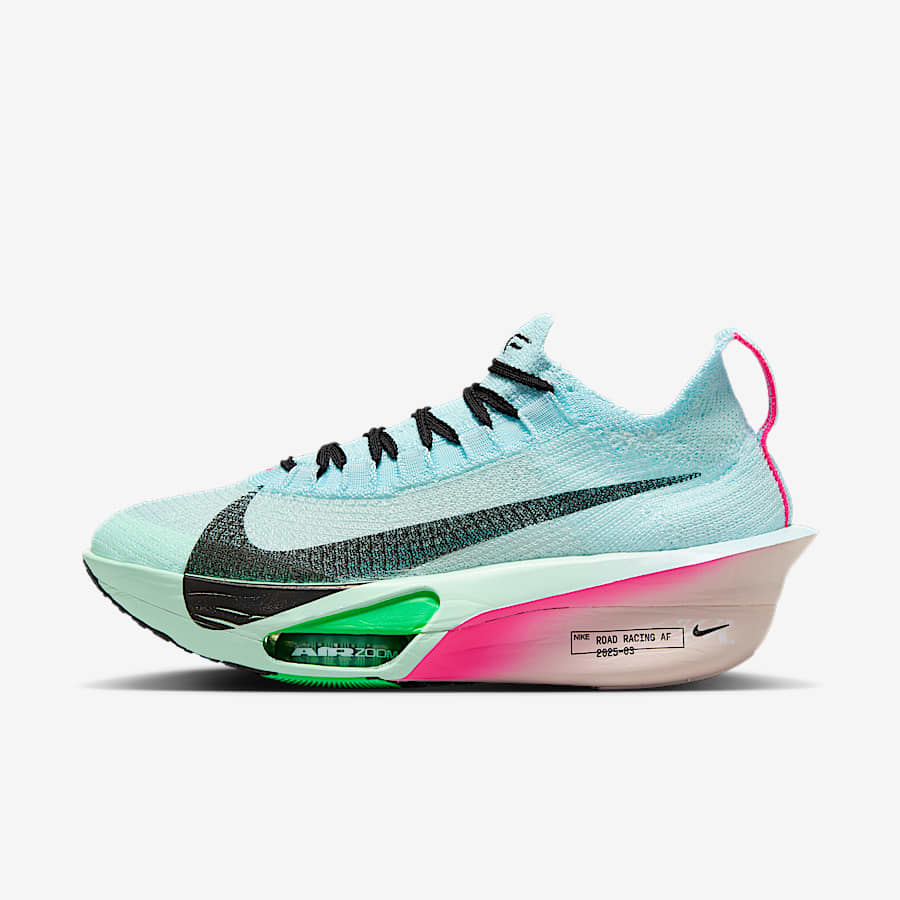
Credit: www.nike.com
Frequently Asked Questions
What Type Of Shoes Are Best For Basketball?
Basketball shoes should offer ankle support, cushioning, and good traction. High-tops provide stability, while low-tops offer agility. Popular brands like Nike, Adidas, and Under Armour design shoes specifically for basketball. Choose based on playing style and comfort to enhance performance and prevent injuries.
What Is The Difference Between Basketball Shoes And Running Shoes?
Basketball shoes offer ankle support and traction for quick lateral movements. Running shoes provide cushioning and flexibility for forward motion. Basketball shoes are heavier and more durable, while running shoes are lighter to enhance speed and comfort. Each design caters to specific sports requirements.
Can I Use Any Shoes For Basketball?
Wearing basketball-specific shoes enhances performance and reduces injury risk. Regular shoes lack necessary ankle support and grip. Always choose shoes designed for basketball.
Can I Use Running Shoes For Sports?
Yes, running shoes are versatile for many sports. They provide comfort and support for activities like jogging, walking, and gym workouts. However, specialized sports may require specific footwear for optimal performance and injury prevention. Always choose shoes that match the demands of your sport for the best experience.
Conclusion
Running shoes can work for basketball, but they have limits. Basketball needs support and grip. Running shoes focus on cushioning and speed. This difference matters on the court. Basketball shoes offer ankle support, which running shoes lack. They also provide better traction for sudden moves.
Choosing the right shoe depends on your playing style. Occasional players might use running shoes. Regular players should consider basketball shoes. Comfort and safety are key. Always test shoes on the court. Your feet will thank you. Make smart choices for your game.