
Are you planning your next big adventure in the great outdoors? Packing smart is crucial, especially when it comes to efficiently attaching your sleeping bag to your backpack.
Picture this: You’re wandering through a forest trail, your backpack snugly balanced on your shoulders, and your sleeping bag securely attached, not bouncing around or causing discomfort. Sounds ideal, right? Knowing how to attach a sleeping bag properly can make your hiking experience more enjoyable and stress-free.
You might think it’s a small detail, but it can significantly impact your comfort and mobility. Imagine the sense of relief when everything is organized, and you can move freely without worrying about readjusting or losing your gear. You’ll learn simple, practical methods to secure your sleeping bag to your backpack, making your trekking experience smoother and more enjoyable. Stay with us, and you’ll discover that a bit of preparation can transform your journey from chaotic to carefree.
Choosing The Right Sleeping Bag
Secure your sleeping bag to your backpack using compression straps or loops. Ensure it’s balanced for easy carrying. This method keeps your hands free while hiking.
Choosing the right sleeping bag is a crucial step in preparing for your outdoor adventure. A well-suited sleeping bag can make the difference between a restful night under the stars and a chilly, uncomfortable experience. Let’s dive into what you should consider to ensure you’re making the best choice for your needs.Size And Weight Considerations
When selecting a sleeping bag, its size and weight are essential factors to consider. A bulky sleeping bag can be cumbersome to carry, especially if you’re trekking for long distances. Opt for a sleeping bag that is compact and lightweight, making it easier to attach to your backpack and transport. Think about the bag’s packed dimensions and how they fit with your backpack’s capacity. If you’re petite or tall, ensure the sleeping bag’s length accommodates your height comfortably. A snug fit not only keeps you warm but also minimizes unnecessary weight.Material And Durability
The material of your sleeping bag plays a key role in its durability and comfort. Synthetic materials often offer better water resistance, which is handy if you’re expecting damp conditions. On the other hand, down-filled sleeping bags provide superior warmth-to-weight ratio but may be less effective when wet. Consider the environment and climate of your adventure. If you’re venturing into rugged terrains, a sleeping bag with a robust shell material will endure wear and tear better. Always check the quality of the zippers and stitching to ensure longevity. Choosing wisely means your sleeping bag will not only attach securely to your backpack but also serve you well through many adventures. What are the most important features for your next camping trip?
Credit: www.reddit.com
Selecting The Ideal Backpack
Attaching a sleeping bag to a backpack can be simple. Use straps or loops on the backpack to secure it. Consider placing it at the bottom for better balance.
Selecting the Ideal Backpack Choosing the right backpack is crucial when you’re planning to attach a sleeping bag. A well-selected backpack not only ensures comfort but also makes packing and accessing your gear easier. Think about your needs and how often you’ll be using it. Do you prefer long hikes or short weekend trips? Your backpack choice should reflect your adventures.Capacity And Fit
When considering capacity, it’s all about balance. A larger backpack might seem appealing, but it can become cumbersome and tiring. Choose a backpack with enough space for your gear without overloading. Fit is equally important. Ensure the backpack sits comfortably on your hips and shoulders. Adjustable straps can make a significant difference, so take the time to find the perfect fit.Strap And Loop Features
Backpacks with versatile strap and loop features are game-changers for attaching a sleeping bag. Look for backpacks with external straps that can secure your sleeping bag tightly. This prevents it from swinging and keeps it stable during your hike. Loops and daisy chains offer additional attachment options. You can attach a sleeping bag using carabiners or bungee cords through these loops. This setup not only saves space inside but also allows quick access whenever needed. With the right backpack, your outdoor trips can become more enjoyable and less stressful. Have you ever struggled with a poorly packed bag on a hike? Selecting the right backpack could be the answer to a smoother journey.Packing Techniques
Packing your sleeping bag onto your backpack is crucial for comfort. It can make a significant difference in your hiking experience. Learn the right techniques to ensure your gear is secure and easily accessible.
Rolling Vs. Stuffing
Rolling a sleeping bag saves space and keeps it tidy. Start by folding the bag in half lengthwise. Roll tightly from the closed end, pushing out air as you go. Secure the roll with straps or cords.
Stuffing is faster and maintains insulation. Begin by stuffing one end into the bag’s sack. Push it down firmly, allowing the bag to fill the space naturally.
Compression Sack Benefits
Compression sacks reduce the bag’s size, saving space in your backpack. They feature straps that squeeze the bag tightly. This allows you to pack more efficiently. Compressing the bag also keeps it dry and protected.
Use a waterproof sack for added protection against moisture. A well-compressed sleeping bag ensures a comfortable trek.
Credit: www.trespass.com
Attachment Methods
Secure the sleeping bag using compression straps on the backpack. Alternatively, attach it to the bottom using loops or buckles. Ensure it’s tightly fastened to prevent shifting during hikes.
Attaching a sleeping bag to your backpack is an essential skill for any outdoor enthusiast. It not only saves space inside your pack but also ensures that your sleeping gear is easily accessible. Various methods can be used to secure your sleeping bag to your backpack, each with its own benefits. Understanding these methods can enhance your hiking or camping experience, allowing you to carry your gear efficiently and comfortably.Using Straps And Buckles
Straps and buckles are the most common and versatile attachment method. Many backpacks come equipped with built-in straps specifically designed for this purpose. To use them, simply place your sleeping bag in its stuff sack and position it at the bottom of your backpack. Secure the straps around the bag tightly, ensuring it doesn’t shift as you move. If your backpack doesn’t have built-in straps, you can easily add your own. Purchase adjustable straps from any outdoor store and loop them through your backpack’s existing loops or handles.Utilizing Gear Loops
Gear loops are another effective way to attach a sleeping bag to your backpack. These are often found on the exterior of hiking packs and can be used to secure various types of equipment. To attach your sleeping bag using gear loops, thread a piece of cord through the loops and around your sleeping bag. Ensure the cord is tightly fastened to prevent the bag from swinging as you walk. This method is particularly useful if you’re carrying a lightweight sleeping bag. Consider experimenting with different cord materials like elastic bungee cords for added flexibility. Have you ever considered how a well-packed backpack can make or break your outdoor adventure? By choosing the right attachment method, you ensure your sleeping bag stays secure, leaving you free to enjoy the great outdoors.Securing For Stability
Securing a sleeping bag to a backpack ensures stability during hikes. Utilize straps or cords to attach it firmly. Place the bag at the bottom or sides to balance weight and maintain comfort while trekking.
Securing your sleeping bag to your backpack is crucial for stability. This ensures a comfortable and safe hiking experience. A well-secured sleeping bag prevents unnecessary strain on your body. It also keeps your gear organized and accessible. Let’s explore some effective techniques for securing your sleeping bag.Balancing Weight Distribution
Proper weight distribution is key for a balanced hike. Attach the sleeping bag close to your back. This reduces strain on your shoulders and back. Use compression straps to secure it tightly. This keeps the weight centered and stable. Avoid hanging it too low, which could cause imbalance. Keep heavier items at the center of your pack. This helps maintain your center of gravity.Preventing Movement
Preventing movement ensures your sleeping bag stays in place. Use adjustable straps to tighten the bag firmly. This reduces swaying and keeps it secure. Consider using bungee cords for extra hold. Loop them through the bag’s loops and backpack frame. Ensure the sleeping bag does not dangle or shift during your hike. This minimizes distractions and enhances comfort.Weather Considerations
Weather can affect how you attach a sleeping bag to a backpack. Wet conditions may require waterproof covers. Cold weather might need extra straps to secure the bag.
Weather can greatly impact your camping experience. Attaching a sleeping bag to your backpack requires careful planning. This ensures your gear remains protected and functional. Consider the effects of rain, wind, and temperature changes. Each can challenge the integrity of your sleeping bag. Let’s explore how to safeguard it effectively.Waterproofing Tips
Rain can soak your sleeping bag quickly. Use a waterproof cover. This shields the sleeping bag from moisture. Ensure the cover fits snugly. A loose fit can allow water in. Choose materials that repel water. Synthetic fabrics often work well. Consider a plastic liner for extra protection.Protecting From Elements
Wind can be harsh on camping gear. Secure the sleeping bag tightly to the backpack. Use strong straps or bungee cords. This prevents the bag from flapping around. Dust and debris can also cause issues. A cover can keep dirt out. Ensure it is durable and tear-resistant. Cold weather requires insulation. A thermal cover can help maintain warmth.Safety And Comfort
Attaching a sleeping bag to a backpack enhances safety and comfort during hikes. Secure it using straps or bungee cords to prevent shifting. Position it at the bottom for stability and ease of access.
Attaching a sleeping bag to your backpack enhances safety and comfort during hikes. Proper attachment prevents discomfort and promotes ease of travel. It ensures that your load is balanced and accessible when needed. This enhances your overall hiking experience.Avoiding Back Strain
Back strain can ruin a perfect hiking trip. To prevent this, distribute the weight evenly. Attach the sleeping bag at the bottom of your backpack. This keeps the center of gravity low and stable. Use compression straps to secure it tightly. This prevents unnecessary movement and reduces strain on your back. Check that the weight is balanced on both sides. This reduces the risk of injury and discomfort.Maintaining Accessibility
Accessibility is key for a stress-free hike. Ensure your sleeping bag is easy to reach. Attach it in a way that doesn’t block other essentials. Keep emergency items within easy reach. Use quick-release buckles for speedy access. This ensures you can respond quickly to changing weather conditions. Properly attached, the sleeping bag should not hinder your movement. It should allow you to set up camp swiftly and efficiently.
Credit: www.youtube.com
Frequently Asked Questions
How To Secure A Sleeping Bag To A Backpack?
Use compression straps or bungee cords to secure the sleeping bag to your backpack. Place it at the bottom. Ensure it’s tightly fastened to prevent shifting during hikes. Utilize built-in loops or attachment points on your backpack for extra stability.
Can You Put A Sleeping Bag In A Backpack?
Yes, you can put a sleeping bag in a backpack. Choose a compact, lightweight sleeping bag for easy packing. Use compression straps or a stuff sack to minimize space. Attach larger sleeping bags externally using straps or loops. Ensure the backpack remains balanced for comfortable carrying.
Where Should I Put My Sleeping Bag In My Backpack?
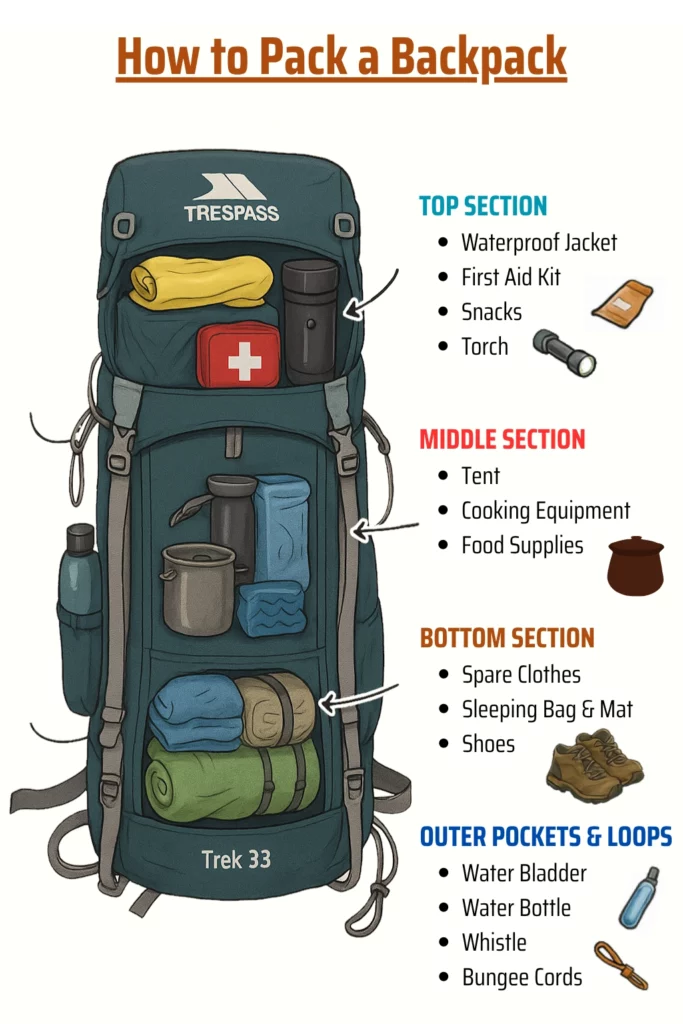
Place your sleeping bag at the bottom of your backpack. It provides stability and balances the weight. Use a compression sack to save space and keep it dry. This arrangement makes it easier to access other essentials quickly and efficiently.
Remember to pack lighter items on top.
How To Attach Camping Gear To Backpack?
Secure camping gear using straps, loops, or carabiners on backpack. Distribute weight evenly to maintain balance. Use compression straps for bulky items. Attach lighter gear to top and heavier gear to the bottom. Ensure gear is tightly fastened to prevent shifting during hike.
Conclusion
Attaching a sleeping bag to a backpack is simple. Follow the steps shared above. Secure your bag tightly to avoid losing it. Choose the right straps and loops for stability. Make sure your sleeping bag is dry before packing. Wet bags can be heavy and uncomfortable.
Practice attaching it before your trip. This saves time and hassle on the trail. A well-packed sleeping bag adds comfort to your adventure. Enjoy the journey with less stress and more ease. Safe travels and happy camping!