

Have you ever unrolled your sleeping bag after a camping trip and wondered how to get it clean without ruining it? You’re not alone.
Many people are unsure about the best way to wash their sleeping bag using a washing machine. You might worry about damaging the fabric or losing its warmth. But the good news is, with the right steps, you can safely clean your sleeping bag and keep it in perfect condition.
Imagine the feeling of crawling into a freshly washed, cozy sleeping bag on your next adventure. In this guide, you’ll discover the simple, effective method to wash your sleeping bag in a washing machine, ensuring it’s ready for your next outdoor experience. Let’s dive in and learn how to keep your sleeping bag clean and comfortable, without any stress or hassle.
Preparation Steps
Preparing your sleeping bag for a wash is crucial. Proper preparation ensures its longevity and cleanliness. Follow these simple steps for an effective wash.
Check The Care Label
Always read the care label first. It provides vital washing instructions. Some sleeping bags need special care. The label tells you if machine washing is safe. Follow the manufacturer’s advice for the best results.
Inspect For Damage
Examine the sleeping bag for any visible damage. Look for tears, loose seams, or broken zippers. Repair these issues before washing. This prevents further damage during the wash cycle.
Pre-treat Stains
Spot-treat any visible stains before washing. Use a gentle stain remover. Apply it directly to the stained area. Let it sit for a few minutes. This helps in removing tough stains effectively.
Choosing The Right Detergent
Selecting the right detergent ensures a clean, fresh sleeping bag. Opt for a mild liquid formula to protect fabric. Avoid bleach or strong chemicals, as they can damage the fibers.
Choosing the right detergent for washing your sleeping bag in a washing machine is crucial to preserving its texture and functionality. The wrong detergent can damage the insulation or leave residues that affect its performance. Let’s dive into some considerations to help you make an informed choice.Avoiding Harsh Chemicals
When it comes to detergents, steer clear of those containing bleach or fabric softeners. These substances can break down the delicate fibers and insulation inside your sleeping bag. Have you ever noticed how some detergents leave a strong chemical scent? Imagine that lingering in your sleeping bag. Not pleasant, right? Opt for products that are free from harsh chemicals to maintain the integrity of your sleeping bag.Selecting Suitable Detergents
Choose a detergent specifically designed for outdoor gear or down items. These detergents are formulated to clean without stripping away the natural oils or damaging the insulation. Brands like Nikwax or Gear Aid offer specialized detergents that are gentle yet effective. These products often come in concentrated formulas, so a small amount goes a long way. Wondering if your regular detergent will do the trick? While it might seem convenient, regular laundry detergents often leave residues that can impact the loft and warmth of your sleeping bag. Choose wisely to keep your gear in top shape.Machine Settings
Select a gentle cycle for washing sleeping bags in the machine. Use cold water to prevent damage.
Washing your sleeping bag in a washing machine might sound daunting, but with the right machine settings, it’s a breeze. Understanding how to set your machine correctly can mean the difference between a fresh, fluffy sleeping bag and a clumpy mess. Let’s dive into the specifics of machine settings to ensure your sleeping bag comes out clean and intact.Temperature Selection
Choosing the right temperature is crucial for maintaining your sleeping bag’s integrity. Most sleeping bags, especially those filled with down or synthetic materials, should be washed in cold water. Cold water prevents the delicate filling from clumping and preserves the fabric’s color and texture. If you’re dealing with stubborn stains, consider using warm water. However, always check the care label first. Remember, hot water can cause the filling to break down and lose its insulating properties.Cycle Type
Selecting the appropriate cycle type is equally important. A gentle or delicate cycle is your best bet when washing a sleeping bag. These cycles minimize agitation, reducing the risk of tearing or damaging the bag’s seams. Avoid using a regular or heavy-duty cycle, as these can be too harsh. If you’re unsure which cycle to choose, think about how you’d treat a fragile item of clothing. Would you want it subjected to the same rigorous conditions? By focusing on these machine settings, you’re setting yourself up for success. Next time you’re prepping your sleeping bag for a wash, take a moment to adjust your machine settings thoughtfully. It’s a small step that makes a big difference.
Credit: www.instagram.com
Drying Techniques
Selecting the right drying technique is crucial for washing a sleeping bag in a machine. Use a low-heat setting in the dryer, adding clean tennis balls to maintain loft and fluffiness.
Drying your sleeping bag correctly is just as crucial as washing it. The drying process can significantly impact its insulation and overall lifespan. Whether you choose to air dry or use a machine, knowing the right techniques can make all the difference.Air Drying Vs. Machine Drying
Air drying your sleeping bag is often the safest bet. It helps maintain the loft and integrity of the insulation. Simply hang the bag in a shaded, well-ventilated area. Make sure it’s fully unzipped and laid flat or draped over a line. This process can take a few days, but the gentle drying ensures no clumping of insulation. Machine drying, on the other hand, is faster but requires careful attention. Use a large, front-loading dryer on the lowest heat setting. High heat can damage the fabric and insulation, so patience is key. Check the bag periodically to avoid overheating.Using Dryer Balls
Dryer balls can be a game-changer for machine drying. They help fluff up the sleeping bag, preventing insulation from clumping. Add two or three dryer balls to the dryer to speed up the drying process and maintain loft. You might wonder, do these balls really work? Yes, they do! They effectively redistribute the filling and ensure even drying. If you don’t have dryer balls, clean tennis balls can serve as a handy alternative. By carefully choosing your drying technique, you can extend the life of your sleeping bag. What technique will you try next?Storage Tips
Gently clean your sleeping bag by placing it in a large washing machine. Use a mild detergent and set the machine to a gentle cycle. Dry on low heat or air dry to maintain its fluffiness.
After successfully washing your sleeping bag in the washing machine, proper storage is key to maintaining its loft and warmth. Storing it correctly not only prolongs its life but also ensures it’s ready for your next adventure. Here are some essential storage tips to keep your sleeping bag in top condition.Folding Properly
Folding your sleeping bag correctly can prevent damage to its insulation. Start by laying it flat on a clean, dry surface. Fold it in half lengthwise, then roll from the foot up to the head, squeezing out any excess air. This method helps maintain the bag’s shape and fluffiness. Make sure the zippers are closed to avoid any snagging or damage during storage.Avoiding Compression
Avoid storing your sleeping bag in its compression sack for long periods. Compression can damage the insulation, reducing its effectiveness and warmth. Instead, use a large, breathable storage sack or hang it in a closet. This allows the insulation to remain fluffy and ready for use. Consider how you store other gear—are you compressing items unnecessarily? Your sleeping bag deserves the same care. By following these storage tips, you ensure your sleeping bag remains cozy and efficient, ready for many more nights under the stars.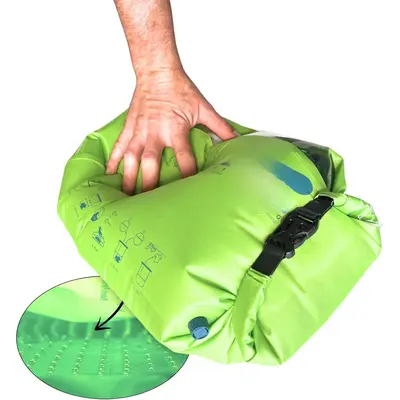
Credit: www.tiktok.com
Maintaining Freshness
Maintaining the freshness of your sleeping bag is essential. A fresh sleeping bag enhances your outdoor experience, providing comfort and warmth. Regular cleaning ensures your sleeping bag stays in top condition. Here’s how to maintain its freshness effectively.
Regular Cleaning Schedule
Create a cleaning schedule for your sleeping bag. Wash it after every few uses. This routine helps remove dirt and grime. Regular washing prevents buildup of bacteria. Choose a gentle cycle in your washing machine. Use mild detergent to avoid fabric damage.
Preventing Odors
Preventing odors is crucial for a fresh sleeping bag. Always air out your sleeping bag after use. This helps moisture evaporate. Store it in a dry, cool place. Use a breathable storage sack, not a tight compression sack. This allows air circulation and reduces odor buildup.

Credit: www.gearaid.com
Frequently Asked Questions
Can You Put A Sleeping Bag In The Washing Machine?
Yes, you can wash a sleeping bag in a washing machine. Use a front-loading machine for safety. Opt for a gentle cycle with cold water and mild detergent. Avoid fabric softeners, and ensure it’s properly dried afterward. Always check the care label for specific instructions before washing.
Do I Wash A Sleeping Bag Zipped Or Unzipped?
Wash your sleeping bag unzipped to allow thorough cleaning and prevent damage. Use a gentle cycle with mild detergent.
What Is The Best Cycle To Wash A Sleeping Bag?
Use a gentle or delicate cycle with cold water to wash a sleeping bag. Add mild detergent and avoid fabric softeners. Tumble dry on low heat with dryer balls to maintain loft. Always follow the care label for specific instructions.
Is It Okay To Put My Bag In The Washing Machine?
Check your bag’s care label first. Some bags can be machine-washed, while others need hand washing. Use a gentle cycle and mild detergent if it’s machine-washable. Avoid using high heat for drying. Always ensure the bag is empty and secure straps and zippers before washing.
Conclusion
Washing your sleeping bag in a machine is easy. Follow simple steps. Use gentle detergent and cold water. Zip the bag before washing. Avoid fabric softeners. They can harm the insulation. Check care label for machine settings. Dry it properly.
Use low heat or air dry. Ensure it’s completely dry before storing. This prevents mold. Regular cleaning extends the bag’s life. Keeps it fresh for every adventure. Remember, a clean sleeping bag means cozy nights outdoors. So, take good care of it and enjoy your camping trips!