

Imagine standing in the ring, the crowd roaring, adrenaline pumping through your veins. You’re about to face your opponent, relying on every ounce of skill and training you’ve invested in.
But how do you get to that point, where confidence matches capability? If you’re gearing up for your first boxing match or looking to refine your training regimen, you’re in the right place. This article will guide you step-by-step through the process, ensuring you’re prepared both physically and mentally.
Dive in to discover techniques that can sharpen your skills, boost your stamina, and give you the edge you need to succeed. You’re on the brink of unlocking your true potential—let’s make sure you’re ready to deliver that knockout punch!
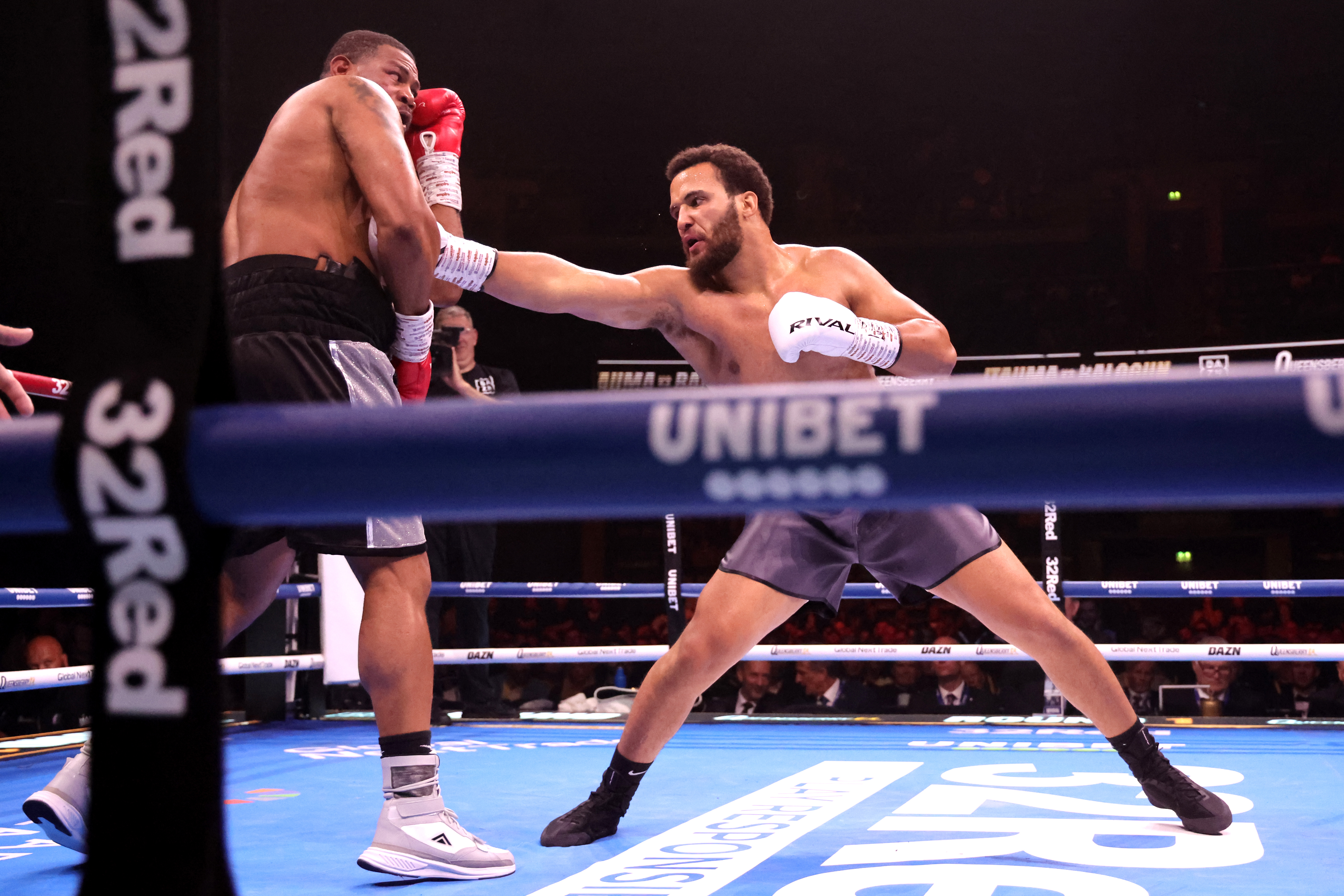
Credit: www.dazn.com
Setting Goals And Objectives
Define clear goals for your boxing match training. Focus on improving strength, agility, and technique. Plan specific objectives for each workout session to track progress effectively.
Setting clear goals and objectives is crucial for training effectively. These guide your journey and keep you focused. Achieving success in boxing requires commitment and planning. Goals define what you aim to accomplish. Objectives are the specific steps to reach those goals. Together, they shape your training path.Understanding Your Motivation
Identify why you want to train for a boxing match. Is it for fitness, competition, or personal growth? Knowing your motivation helps set realistic and meaningful goals. Write down your reasons. They will inspire you during tough training days.Setting Achievable Goals
Start with small, achievable goals. These could be improving your stamina or mastering a new technique. Smaller goals build confidence and lead to larger achievements. Be specific with your goals. Instead of “getting fit,” aim to “increase endurance by running 5 miles.”Establishing Specific Objectives
Objectives are actionable steps towards your goals. If your goal is to improve speed, an objective might be “practice footwork drills thrice weekly.” Keep objectives clear and measurable. Track progress to see improvement and adjust as needed.Creating A Timeline
Set a timeline for your goals and objectives. Decide when you want to accomplish each goal. A timeline keeps you on track and prevents procrastination. Break your timeline into weekly or monthly milestones. Celebrate achievements to stay motivated.Monitoring Progress
Regularly review your progress. Are you meeting your objectives? Adjust your training plan if needed. Monitoring helps identify areas for improvement. Reflect on what works and what doesn’t. Adapt your approach to maximize effectiveness.Staying Focused And Motivated
Staying focused is key to reaching your goals. Remind yourself of your motivations. Visualize success to keep spirits high. Surround yourself with supportive people. They encourage and push you to keep going. Setting goals and objectives is the foundation of effective training. Follow these steps to stay organized and motivated as you prepare for your boxing match.
Credit: www.elitesports.com
Building A Training Schedule
Crafting a training schedule for a boxing match involves balancing strength, speed, and stamina. Focus on daily workouts with varying intensity levels to build endurance. Include rest days to allow muscle recovery and prevent injuries.
Building a Training Schedule for a boxing match is crucial for achieving peak performance. It requires a structured approach, ensuring every aspect of your physical and mental preparation is covered. A well-planned schedule doesn’t just happen; it’s crafted with intention and attention to detail.Daily Routine Breakdown
A successful training schedule begins with a solid daily routine. Start your day with a light jog or brisk walk to get your blood flowing. Follow this with a dynamic stretching session to prepare your muscles for the intense workouts ahead. In the mid-morning, focus on skill training. Dedicate time to refining your punches, footwork, and defensive techniques. Use video analysis to identify areas for improvement and track your progress. Afternoons are perfect for strength and conditioning. Incorporate exercises like weightlifting, plyometrics, and core strengthening. Mix in some sparring sessions to simulate real match conditions and test your endurance.Balancing Rest And Recovery
Rest and recovery are as vital as the training itself. Overtraining can lead to injuries and burnout, derailing your progress. Prioritize quality sleep, aiming for at least 7-8 hours each night. Schedule rest days into your week. Use these days for light activities, such as yoga or swimming, to keep your body active without overexertion. Consider massage therapy or foam rolling to relieve muscle tension and accelerate recovery. Listen to your body and adjust your training intensity as needed. If you feel fatigued or notice persistent soreness, it might be time to scale back and allow your body to recover fully. Remember, a well-rested athlete is a more effective one.Strength And Conditioning
Strength and conditioning play a crucial role in boxing training. It builds power, endurance, and resilience. This foundation helps boxers perform at their best. A well-rounded program includes core exercises and cardio workouts. Each component is vital for success in the ring.
Core Exercises
The core is the powerhouse of a boxer. Strong core muscles enhance balance and power. Focus on exercises like planks and Russian twists. These strengthen the abs and obliques. Medicine ball throws add dynamic movement. They improve rotational strength. Consistent core training boosts punch power.
Cardio Workouts
Cardio workouts build stamina and endurance. They are essential for lasting through rounds. Jump rope is a staple for boxers. It enhances footwork and coordination. Running improves overall cardiovascular health. Sprints and interval training increase speed and agility. Include shadow boxing for technique refinement. It also increases heart rate effectively. Cardio ensures you’re ready for the fight’s demands.
Skill Development
Training for a boxing match requires focus on endurance, strength, and technique. Incorporate cardio workouts and strength training. Practice boxing drills to improve speed and agility.
Training for a boxing match requires more than just physical endurance; it demands honing your skills to precision. Skill development is crucial as it separates an average boxer from a formidable opponent. Whether you’re a novice or a seasoned fighter, focusing on techniques and movement can significantly elevate your performance in the ring. Let’s delve into the core aspects of skill development, ensuring you’re equipped with the right techniques and footwork to outmaneuver your rival.Punch Techniques
Mastering punch techniques is essential for delivering powerful and effective strikes. Start with the basics: the jab, cross, hook, and uppercut. Each punch serves a different purpose and requires precise execution. – Jab: It’s your fastest punch, used to keep your opponent at bay and set up combinations. Practice snapping it out quickly, with the intention to hit and retract swiftly. – Cross: Known for its power, the cross is thrown with your dominant hand. Rotate your hips and shoulders to generate maximum force. – Hook: This close-range punch can be devastating. Focus on pivoting your front foot and keeping your elbow at a 90-degree angle to ensure effectiveness. – Uppercut: Delivered from below, the uppercut is perfect for catching opponents off guard. Use your legs to generate power and aim for the chin. Regular practice with a coach or training partner will help refine these punches. Shadowboxing is also a great way to enhance your form and speed. Are you consistently landing your punches with accuracy and force?Footwork Drills
Footwork is the foundation of boxing. Without proper movement, even the best punches can fall flat. Begin by learning to move efficiently in all directions. – Lateral Movement: Practice sidestepping while maintaining balance. This helps in dodging punches and creating angles for your attacks. – Pivoting: Perfect your ability to pivot on your lead foot. This movement is crucial for quickly changing direction and counterattacking. – Shuffling: Master the art of shuffling to close or create distance rapidly. Your feet should glide lightly across the floor to maintain speed and control. Incorporate footwork drills into your daily routine. Use cones or markers to simulate opponents and practice moving around them. Are you able to maintain balance and speed under pressure? Skill development is a dynamic process. By focusing on these punch techniques and footwork drills, you build a solid foundation that can give you the upper hand in a match. Ready to step into the ring with confidence?Sparring Strategies
Sparring is the heart of boxing training, where theory meets practice. It’s where you sharpen your skills, test your endurance, and learn to think on your feet. But sparring isn’t just about throwing punches; it’s about strategy, adaptability, and choosing the right partners to elevate your game. Let’s dive into some key sparring strategies to prepare you for the ring.
Choosing Sparring Partners
Your sparring partner can make or break your training session. Choose someone who challenges you but doesn’t overwhelm you. Think of them as a mirror reflecting your strengths and weaknesses. Spar with someone who has a slightly higher skill level to push you beyond your comfort zone.
Consider variety in your sparring partners. Different styles and techniques will prepare you for any opponent. A partner who mimics your upcoming opponent’s style can be invaluable. Ask yourself, what specific skills do you need to improve, and who can help you achieve that?
- Pick partners of varying skill levels.
- Seek those who mimic your opponent’s style.
- Ensure a balance of challenge and growth.
Simulating Match Conditions
Sparring should replicate the intensity and conditions of an actual match. This means mimicking the environment, pace, and pressure of a real fight. Train in the same gear, under similar lighting, and with the same fight duration.
Focus on maintaining your composure and strategic thinking under fatigue. It’s not just about physical endurance; mental resilience is key. Ask yourself, can you keep your cool and execute your plan when things don’t go your way?
- Use the same equipment and attire as a real match.
- Practice under similar conditions and time constraints.
- Develop mental toughness alongside physical stamina.
Nutrition And Hydration
Proper nutrition and hydration are vital for boxing training. Balanced meals and regular hydration boost energy levels and improve performance. Staying hydrated helps maintain focus and endurance during intense workouts.
Proper nutrition and hydration are crucial components of training for a boxing match. They fuel your body, enhance your performance, and aid in recovery. Ignoring these aspects can leave you feeling sluggish and unfocused in the ring.Meal Planning
Creating a strategic meal plan is essential for maintaining energy levels. Focus on a balanced diet rich in proteins, carbohydrates, and healthy fats. For breakfast, you could try oatmeal with fruits and a boiled egg, providing both immediate and sustained energy. Consider timing your meals to align with your workouts. Eating a light snack like a banana or yogurt 30 minutes before training can boost your performance. Post-workout meals, such as grilled chicken with quinoa and vegetables, help with recovery.Hydration Tips
Staying hydrated is just as important as eating right. Dehydration can lead to fatigue and poor performance. Aim to drink at least 8-10 glasses of water daily, and monitor your urine color—it should be light yellow. During training sessions, sip water frequently rather than consuming large amounts at once. Electrolyte drinks can be beneficial, especially during long sessions or when sweating heavily. Have you ever noticed how even a slight headache can impact your focus? Proper hydration can prevent that. Incorporating these nutrition and hydration strategies can enhance your training and improve your chances of success in the ring. Are you ready to fuel your body like a champion?Mental Preparation
Mental preparation is crucial for boxing. Focus on discipline and confidence. Visualization techniques help anticipate challenges in the ring.
Mental preparation is crucial for boxing. It builds resilience and focus. A strong mind can be your best ally in the ring. Training the mind involves various techniques. Each technique aims to strengthen your mental game. Let’s explore two key methods that help.Visualization Techniques
Visualization helps create a mental picture of success. Imagine yourself in the ring, making perfect moves. Picture your opponent and your strategy. This practice builds confidence and reduces anxiety. It prepares you for different scenarios during the match.Stress Management
Managing stress is vital for boxers. Stress can affect performance negatively. Techniques like deep breathing calm the mind. Meditation is another useful tool. It helps maintain focus and clarity. A stress-free mind boosts concentration during intense moments.Analyzing Opponents
Studying opponents helps boxers prepare for a match by understanding their strengths and weaknesses. Observing their movements and tactics aids in developing effective counter-strategies. This strategic analysis enhances performance and readiness in the ring.
Analyzing opponents is a crucial part of preparing for a boxing match. Understanding their strengths and weaknesses can give you a strategic advantage. This involves studying their past performances and identifying patterns in their fighting style.Studying Fight Videos
Watching fight videos of your opponent can be a game-changer. Pay attention to their movement, footwork, and how they handle different situations in the ring. Do they start strong but lose energy in later rounds? Noticing these details can help you craft a strategy that exploits their vulnerabilities. Don’t just watch passively—take notes. Create a list of their signature moves and how often they use them. Consider how you would counter these moves effectively during a match.Identifying Weaknesses
Once you’ve studied the videos, it’s time to pinpoint weaknesses. Are they slow to react to jabs? Do they struggle against southpaw fighters? Identifying these weaknesses can help you tailor your training to exploit them. Consider how you can leverage your strengths against their weaknesses. If your opponent has a weak defense, focus on your offensive strategies. If they tire easily, work on endurance to outlast them in the ring. What if you could predict their next move? By understanding their patterns and weaknesses, you come closer to anticipating their actions. This preparation can boost your confidence and readiness for the match.Final Week Preparations
Final week preparations for a boxing match focus on sharpening skills and mental readiness. Emphasize light workouts, strategic sparring, and proper nutrition. Rest is crucial to maintain peak performance on fight day.
Preparing for a boxing match requires intense training. The final week before the match is crucial. Focus on conserving energy and sharpening your strategy. Your body needs to be in peak condition, but not overworked. This period is about fine-tuning your skills and mental readiness.Tapering Workouts
In the last week, reduce workout intensity. Shorten your sessions and focus on technique. Practice light sparring and drills. Maintain movement sharpness without exhausting yourself. This keeps your muscles active but not fatigued.Rest And Focus
Rest is vital in the final week. Ensure you get plenty of sleep. Prioritize mental preparation. Visualize the fight and plan your strategy. Clear your mind and stay positive. This mental clarity boosts confidence in the ring.Day Of The Match
Preparing for a boxing match requires a mix of endurance and technique. Focus on cardio exercises and strength training to build stamina. Practice sparring to improve reflexes and timing for the big day.
The day of the boxing match is crucial. It’s when months of hard work pay off. Your focus and energy must peak. This day is not just about physical readiness. Mental preparation plays a big role too. Proper planning and execution are essential. Here are some key aspects to consider.Pre-match Routine
Start your morning with a light breakfast. Choose foods that provide energy, like oatmeal or fruit. Drink plenty of water. Stay hydrated throughout the day. Arrive at the venue early. Familiarize yourself with the surroundings. Warm up with light exercises. Stretch your muscles to prevent injuries. Keep your mind calm and focused. Use breathing techniques to ease nerves.Post-match Recovery
Recovery is crucial after a match. Begin with cooling down exercises. This helps your muscles relax. Hydrate immediately after the fight. Your body needs to replenish lost fluids. Consume a balanced meal rich in protein. This aids in muscle repair. Take a warm shower to soothe soreness. Rest is vital. Allow your body time to heal. Consider light stretching the next day. It aids in reducing stiffness.
Credit: www.youtube.com
Frequently Asked Questions
How Should I Train For A Boxing Match?
Focus on strength, endurance, and technique training. Combine cardio, sparring, and drills regularly. Maintain a balanced diet and hydration. Rest adequately to prevent injuries. Consult with a professional trainer for personalized guidance.
How Long Does It Take To Train For A Boxing Match?
Training for a boxing match typically takes 6 to 12 weeks. This period involves intense physical conditioning, skill development, and strategy planning. Fighters focus on improving strength, endurance, and technique to ensure peak performance during the match. Proper nutrition and rest also play crucial roles in preparation.
What Does 1, 2, 3, 4, 5, 6 Mean In Boxing?
In boxing, numbers 1 to 6 refer to punch types. 1 is a jab, 2 a cross, 3 a lead hook, 4 a rear hook, 5 an uppercut, and 6 a rear uppercut. These numbers help boxers and trainers communicate and execute combinations efficiently.
How Do I Train Myself For Boxing?
Start with basic boxing techniques like jabs and hooks. Practice regularly with shadow boxing and bag work. Include strength, cardio, and flexibility exercises. Join a boxing gym for professional guidance. Ensure proper nutrition and adequate rest for recovery. Stay motivated and track your progress consistently.
Conclusion
Training for a boxing match takes dedication. Stick to your routine. Focus on strength and stamina. Practice footwork and speed. Balance skill with power. Remember to rest, too. A tired body can’t perform well. Healthy eating fuels your energy. Stay hydrated always.
Listen to your coach’s advice. They know what works best. Consistency is key to success. Build mental toughness. Boxing is as much mental as physical. Stay calm under pressure. Believe in your skills. Prepare thoroughly and you’ll be ready. Step into the ring with confidence.
You’ve trained hard for this moment. Now, give it your all.