
Are you ready to unleash your inner fighter and boost your fitness game? Hitting a punching bag is not just about throwing random punches; it’s an art that combines technique, power, and precision.
Whether you’re looking to relieve stress, improve your boxing skills, or simply get a killer workout, learning how to hit a punching bag effectively can transform your routine. Imagine feeling the adrenaline rush as your punches land perfectly, each strike more powerful than the last.
You’re not just working out; you’re mastering a skill that enhances both your physical and mental strength. Dive in, and discover the secrets to hitting a punching bag like a pro, ensuring every punch you throw counts. Stay with us, and let’s turn those punches into power-packed performance!

Credit: boxingathome.medium.com
Choosing The Right Equipment
Getting the most out of your punching bag workout starts with choosing the right equipment. The right gear enhances performance and prevents injuries. Whether you are a beginner or a seasoned fighter, selecting the appropriate equipment is crucial for effective training.
Types Of Punching Bags
Different punching bags serve various purposes. Heavy bags are ideal for power and strength training. They help develop muscles and improve endurance. Speed bags are perfect for enhancing coordination and rhythm. They help improve reflexes and speed. Free-standing bags are great for small spaces. They offer versatility and convenience. Each type of bag targets different skills and techniques.
Selecting Gloves And Wraps
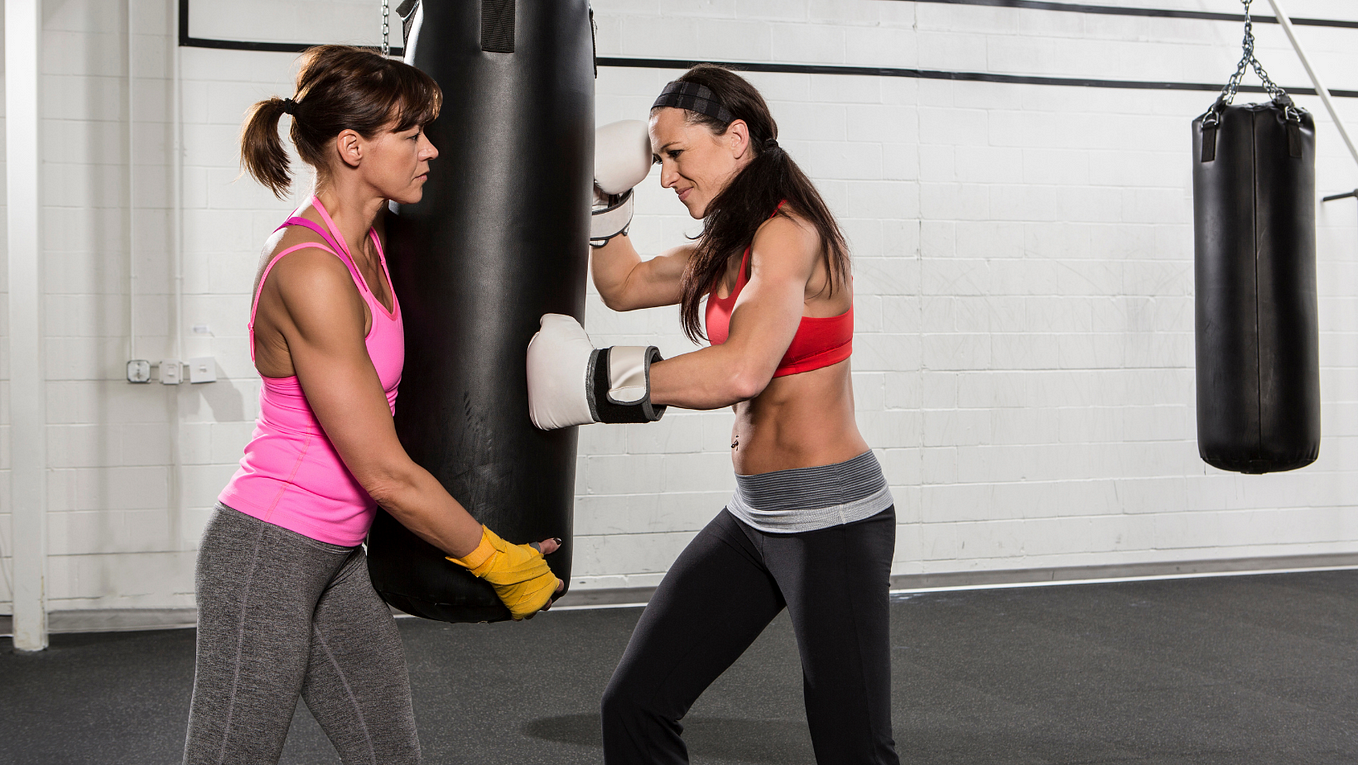
Gloves protect your hands during training. Choose gloves that fit well and provide ample cushioning. Wraps offer additional support to your wrists. They prevent injuries by stabilizing your hands. Wraps should be snug but not too tight. Properly wrapping your hands ensures safety and comfort. Quality gloves and wraps enhance your training experience.
Credit: boxingathome.medium.com
Setting Up Your Space
Creating the right environment for punching bag workouts is crucial. Ensure adequate space around the bag for safe movements. This setup helps prevent accidents and enhances focus during training.
Setting up your space is crucial for effective punching bag workouts. A well-organized area ensures safety and enhances your training experience. Consider factors like space, equipment placement, and safety measures. This preparation helps maintain focus and improve skills.Bag Placement
Choose a sturdy spot for your punching bag. Ensure there’s enough room around it. This allows you to move freely and practice different techniques. Avoid placing the bag near walls or fragile items. A basement or garage can be ideal. These areas usually offer ample space and fewer distractions.Creating A Safe Environment
Safety should be a top priority. Clear the area of any tripping hazards. Secure your bag properly to prevent it from falling. Use durable hooks or brackets. Check them regularly for wear and tear. Ensure the floor is non-slippery. Mats can provide extra grip and cushioning. Proper lighting is essential. It helps you see your movements clearly.Stance And Footwork
Stance and footwork are the foundation of effective punching bag training. Whether you’re aiming to boost your fitness levels or enhance your boxing skills, establishing a solid stance and mastering foot movement are crucial. These elements not only stabilize your punches but also improve your balance, speed, and power.
Finding Your Stance
Your stance is your anchor. Begin by standing with your feet shoulder-width apart. If you’re right-handed, position your left foot forward; if left-handed, place your right foot forward. This is known as the orthodox and southpaw stance respectively.
Bend your knees slightly to maintain flexibility and balance. Your weight should be evenly distributed to allow quick movements. Imagine you’re ready to spring forward or backward at any moment. Keeping your feet grounded yet agile is key.
Consider your own comfort and body mechanics. Experiment with your stance to find what feels natural for you. Small adjustments can make a big difference in your stability and effectiveness.
Mastering Foot Movement
Footwork is your secret weapon for maximizing efficiency and power. Start by practicing basic movements such as stepping forward, backward, and side-to-side. Your feet should glide smoothly rather than stomp heavily.
Keep your movements subtle and controlled. Avoid crossing your feet or standing too wide, as this can disrupt your balance. Imagine your feet as extensions of your punches; they should move in sync with your upper body.
Challenge yourself with exercises that enhance your footwork. Try shadowboxing with focus on foot movement or set up cones to navigate around them. Engaging your feet with purpose adds a dynamic edge to your training.

Credit: www.legendsboxing.com
Basic Punch Techniques
Learning to hit a punching bag is an empowering journey, combining strength, precision, and technique. Understanding basic punch techniques is crucial for maximizing your workout and improving your boxing skills. These foundational punches will not only improve your fitness but also boost your confidence in the ring.
The Jab
The jab is your go-to punch, setting the stage for more powerful strikes. It’s quick, direct, and vital for keeping your opponent at bay. Stand in your boxing stance, with your dominant foot slightly back. Extend your lead hand straight out, aiming for the center of the bag. Snap it back quickly to maintain your guard. Practicing your jab helps with speed and accuracy, transforming your punching bag sessions into strategic workouts.
Cross Punch
The cross punch is where power meets precision. It’s your dominant hand’s punch, packing more force than the jab. Rotate your hips and pivot your rear foot as you throw the punch, ensuring your body weight supports the strike. Imagine you’re driving through the bag with focused energy. This technique not only builds muscle but also develops your ability to deliver impactful hits.
Hook Punch
The hook punch is all about angles and surprise. Unlike the straight jab or cross, the hook comes from the side, targeting the bag’s vulnerable areas. Bend your elbow and swing your arm in a horizontal arc, using your hips and shoulders for momentum. Keep your thumb up or slightly turned for stability. This punch adds versatility to your routine, helping you become unpredictable in your approach.
These basic techniques are the building blocks of effective punching. As you practice them, consider what each punch adds to your skill set. How can mastering these moves impact your confidence and performance in the ring? Each punch you perfect is a step towards becoming a more skilled boxer.
Advanced Punching Skills
Advanced punching skills elevate your training and boost your confidence. These techniques refine your movements and improve precision. Mastering advanced skills requires focus and practice. They offer depth to your workout and enhance your ability in the ring.
Uppercuts
Uppercuts are powerful punches aimed at the chin. Start with your knees slightly bent. Swing your fist upwards from your waist. Use your body for momentum. Rotate your hip as you punch. Keep your other hand up for protection. Practice with controlled force and speed. Uppercuts require precision. Aim at the center of the bag. This improves accuracy and power.
Combination Punches
Combination punches involve a series of strikes. They confuse your opponent and increase your speed. Begin with a jab followed by a cross. Add hooks and uppercuts for variety. Keep your movements fluid. Switch between punches quickly. Practice these sequences regularly. They build muscle memory and enhance agility. Focus on timing and rhythm. This improves your overall punch effectiveness.
Improving Speed And Power
Enhance your punching speed and power by focusing on technique and body alignment. Proper stance and controlled breathing are key. Practice regularly to build strength and precision.
Improving speed and power when hitting a punching bag is crucial. It enhances both your workout and your boxing skills. Combining strength and speed builds explosive punches that can improve your performance. Let’s explore how strength training and speed drills can boost these essential skills.Strength Training
Building strength is key for powerful punches. Start with basic exercises like push-ups and squats. These exercises strengthen your arms and legs. Strong arms deliver heavier punches, while strong legs provide a solid base. Use resistance bands for added intensity. They increase muscle endurance and improve punch delivery. Incorporate weight lifting, focusing on your shoulders and chest. This enhances upper body strength, crucial for striking power.Speed Drills
Speed drills enhance quickness and agility. Begin with shadowboxing. This drill improves your hand speed and footwork. Keep your movements light and fast. Use a speed bag to refine your timing and rhythm. It helps maintain a consistent pace. Interval training is effective for speed. Alternate between high and low intensity. This boosts your cardiovascular fitness and punch speed. Practice these drills regularly. Consistency is key to improving your speed and power.Breathing And Rhythm
Mastering the art of hitting a punching bag isn’t just about strength or speed. It’s also about breathing and rhythm. These two elements are often overlooked, yet they are crucial to improving your technique and stamina. Understanding how to breathe correctly and finding your rhythm can transform your training sessions and help you perform at your best.
Breath Control
Proper breath control is vital when hitting the punching bag. It keeps your energy levels stable and helps you maintain focus. Inhale deeply through your nose before you throw a punch and exhale sharply through your mouth as your fist connects with the bag. This technique not only maximizes your power but also prevents you from holding your breath, which can lead to fatigue.
Think of your breath as a tool to pace yourself. With each punch, your exhale should be like a metronome, marking the beat of your workout. Practicing this will enhance your endurance over time.
Finding Your Rhythm
Rhythm in boxing is akin to a dance. It’s about finding a flow that feels natural and sustainable. Start by listening to your body. Feel the impact of each punch and notice how your body responds. Does your energy fluctuate? Adjust your speed accordingly.
Consider using a metronome app or playing music with a steady beat to help find your rhythm. This external cue can guide you until it becomes second nature. Once you find that rhythm, stick with it. It allows you to conserve energy and maintain a consistent pace throughout your session.
Have you ever noticed how professional boxers seem to glide effortlessly? That’s rhythm in action. By honing your rhythm, you not only improve your technique but also make your workout more enjoyable.
Avoiding Common Mistakes
Hitting a punching bag is more than just about strength and speed. It’s an art that requires proper technique and understanding to avoid injuries and improve efficiency. Many beginners make avoidable mistakes that hinder their progress and increase the risk of injury. Let’s look into some common pitfalls and how you can steer clear of them for a more effective workout.
Hand Position Errors
One of the most frequent mistakes is incorrect hand positioning. Your hands should be tightly wrapped with protective gear, yet comfortable enough to allow flexibility. Position your fists correctly to ensure that when you strike, the force is distributed evenly across your knuckles.
A common error is punching with the thumb inside the fist, which can lead to sprains. Always keep your thumb outside and wrapped around your fingers. This small adjustment can prevent painful injuries and enhance your punching power.
Overtraining Risks
It’s tempting to go all out, especially when you’re eager to see results. However, overtraining can lead to fatigue, reduced performance, and even injury. Listen to your body and allow time for recovery.
Consider setting a balanced schedule that includes rest days. This ensures your muscles have time to heal and grow stronger. Ask yourself, are you giving your body the time it needs to recuperate?
Remember, consistency is key. A sustainable training routine will lead to better long-term results than pushing yourself to the brink. Avoiding these common mistakes will not only enhance your technique but also make your workouts more enjoyable.
Tracking Progress
Tracking progress is essential when learning how to hit a punching bag effectively. Focus on technique, speed, and power with each session. Regular practice and adjustments ensure continual improvement and better results.
Tracking your progress when hitting a punching bag is crucial for improving your technique, strength, and overall fitness. It’s not just about throwing punches; it’s about understanding the intricacies of your movements and how they evolve over time. By systematically tracking your progress, you can pinpoint areas that need improvement and celebrate the milestones you achieve.Setting Goals
Before you start tracking progress, set clear, achievable goals. Do you want to enhance your endurance, improve your punching speed, or perfect your form? Define what success looks like for you. Setting specific targets like increasing the number of punches per session or reducing rest intervals helps maintain focus. Consider short-term and long-term goals. Short-term goals could be mastering a particular technique within a week. Long-term goals might involve increasing punching power over several months. Knowing what you’re aiming for makes it easier to measure your success.Monitoring Improvement
Monitoring your improvement involves keeping a record of your sessions. Use a journal or an app to log details like the number of punches, duration, and intensity. This record helps you identify patterns and progress over time. Evaluate your performance regularly. Video yourself occasionally to review your technique. Watching these recordings can highlight subtle improvements and areas that need attention. Ask yourself: Are you getting faster? Are your punches becoming more accurate? Regular evaluation not only keeps you accountable but also motivates you to push further. Tracking progress is about creating a feedback loop that encourages continuous improvement. Are you ready to track your journey and see how far you can go?Frequently Asked Questions
How Do You Hit A Punching Bag For Beginners?
Start with your feet shoulder-width apart. Keep your knees slightly bent and hands up. Use short, controlled punches. Focus on keeping your wrist straight and your thumb outside your fingers. Breathe steadily and maintain balance. Practice combinations and gradually increase speed and power.
Prioritize safety and form.
Should I Get A 70 Lb Or 100 Lb Punching Bag?
Choose a 70 lb bag for beginners or limited space. Opt for a 100 lb bag for more resistance and advanced training. Consider your strength, workout intensity, and space availability. Both options improve endurance and technique. Ensure your ceiling or stand can support the chosen weight.
Is There A Trick To The Punching Bag Game?
Yes, aim for consistent rhythm and precision when hitting the punching bag. Focus on speed and accuracy. Keep your stance balanced and use your body weight effectively. Practice regularly to improve timing and coordination. This strategy helps achieve higher scores in the punching bag game.
What Is 1, 2, 3, 4, 5, 6 Boxing Punches?
Boxing punches numbered 1 to 6 are jab, cross, lead hook, rear hook, lead uppercut, and rear uppercut. Each punch has distinct techniques and targets, enhancing offensive and defensive strategies in boxing. These punches are fundamental in training and matches, offering versatility and power to boxers.
Conclusion
Mastering the punching bag takes practice and patience. Start with proper technique. Focus on controlled movements. This builds strength and confidence. Always use the right gloves. They protect your hands from injury. Keep your stance firm and balanced. This helps with powerful hits.
Remember to breathe and stay relaxed. It improves your endurance and speed. Consistent training leads to better results. You’ll notice improvements over time. Enjoy the process and stay committed. With dedication, hitting the bag becomes easier and more rewarding. Stay focused, train regularly, and watch your skills grow.