
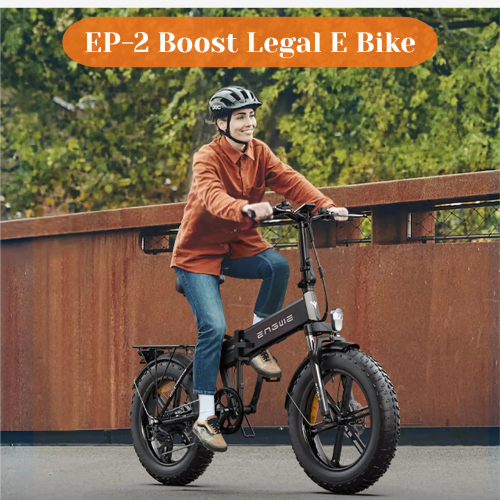
Picture this: you’re gliding effortlessly down a scenic path on your new electric bike, the wind in your hair and a smile on your face. But suddenly, a thought crosses your mind: do you need a license for this?
You’re not alone in wondering about this. With electric bikes gaining popularity, many people are curious about the rules and regulations that come with them. Is it as simple as hopping on and riding away, or is there more to it?
We’ll unravel the mystery and give you the clarity you need. By the end, you’ll know exactly what steps you need to take, ensuring your ride is both exhilarating and law-abiding. So, let’s dive in and put your mind at ease.

Credit: www.facebook.com
Understanding Electric Bikes
Electric bikes are not just a passing trend; they are transforming how we navigate our cities and countryside. These bikes offer a unique blend of traditional cycling with a boost of electric power, making them an enticing option for commuters and adventurers alike. As you consider whether you need a license for an electric bike, understanding how these innovative machines work is crucial.
Types Of Electric Bikes
Electric bikes come in various types, each designed for specific uses and preferences. The most common ones include:
- Pedelecs:These bikes provide assistance only when you pedal, making you feel like a cycling superhero. They are perfect for those who want a little help but still enjoy the workout.
- Throttle bikes:With a twist or button, these bikes can propel you forward without pedaling, ideal for leisurely rides or when you need a break from pedaling.
- Speed pedelecs:These are the high-performance sports cars of the electric bike world, offering higher speed limits and requiring more regulation.
How Electric Bikes Work
The magic of electric bikes lies in their simplicity and efficiency. At the heart of these bikes is an electric motor, which provides the extra push needed to conquer hills and long distances. But how does it all come together?
Typically, an electric bike includes a battery, motor, and controller. The battery powers the motor, which in turn propels the bike. You can control the level of assistance with the controller, adjusting it for a leisurely ride or a full-throttle experience.
Have you ever felt the wind in your hair as you glide effortlessly uphill? That’s the feeling electric bikes aim to deliver, all while reducing your carbon footprint. But with this advanced technology, do you need a license to ride one?

Credit: engwe.com
Legal Definitions And Classifications
Understanding if you need a license for an electric bike depends on local laws. Some areas require licenses based on speed or power. Always check your local regulations to ensure compliance.
Understanding the legal definitions and classifications of electric bikes is crucial for both new riders and seasoned enthusiasts. Navigating the laws can be tricky, as they often vary not just by country but by state and locality. Knowing where your electric bike stands legally can help you avoid fines and ensure a smooth riding experience.
Federal Classification Of Electric Bikes
At the federal level, electric bikes are typically divided into three classes based on their speed and the type of motor assistance they provide. – Class 1: These bikes are pedal-assist only, with no throttle, and their motor cuts off once you reach 20 mph. – Class 2: These have a throttle and can reach speeds of up to 20 mph without pedaling. – Class 3: These are pedal-assist bikes with a motor that assists up to 28 mph. The federal classification provides a baseline, but how these classes are treated can vary widely depending on where you live. Have you ever wondered if your favorite bike path is off-limits to your electric bike? That’s where local regulations come into play.
State And Local Regulations
State and local laws can have a significant impact on where and how you can ride your electric bike. Some states require a license for certain classes, while others do not. – Licensing and Registration: In some areas, Class 3 electric bikes may require a driver’s license or registration, similar to mopeds. – Helmet Requirements: Many states mandate helmets for riders under a certain age, especially on higher-speed Class 3 bikes. – Path and Roadway Access: Local laws often dictate whether you can ride on bike paths, sidewalks, or roads. It’s essential to check with your local Department of Motor Vehicles (DMV) or equivalent agency to understand the specific rules in your area. Have you checked if your state has any upcoming changes in legislation? Staying informed ensures you ride legally and safely.
License Requirements
Electric bikes are gaining popularity worldwide. Many wonder about the license requirements. The rules can vary based on location and bike type. Understanding the basics helps ensure compliance and safety.
Age Restrictions
Age restrictions often apply to electric bike riders. Many places allow riders aged 16 and above. Some areas may have different age limits. Always check local laws before riding.
License Types For Electric Bikes
There are different license types for electric bikes. In some regions, no license is needed for low-speed bikes. Higher-speed bikes may require a motorcycle license. The category depends on the bike’s speed and power. Always verify with local authorities to be sure.
Registration And Insurance
Electric bikes are gaining popularity as a convenient mode of transport. But many wonder about the need for registration and insurance. Understanding these aspects is crucial for smooth riding.
Registration Process
Not all electric bikes require registration. It depends on the local laws and the bike’s power. Bikes with lower power often skip registration. Check your state’s regulations for clarity.
Some regions require a simple registration process. This might include submitting basic details and paying a fee. Ensure you have all necessary documents ready. This helps in avoiding delays.
Insurance Needs For Electric Bikes
Insurance for electric bikes isn’t always mandatory. But it offers protection against theft or damage. Consider liability coverage to safeguard against accidents. Insurance provides peace of mind on the road.
Research different insurance providers. Compare their offers and select one that fits your needs. Some might offer specialized plans for electric bikes. This can be more cost-effective than general policies.
Safety And Compliance
Navigating the rules for electric bikes can be tricky. Many regions don’t require licenses for them. Always check local laws to ensure compliance and safety.
Navigating the world of electric bikes involves understanding safety and compliance. This ensures a smooth and legal ride. Electric bikes, or e-bikes, bring convenience and fun. Yet, they require attention to safety and law. Knowing what to wear and how to ride safely matters. It keeps you and others safe.
Safety Gear And Equipment
Wearing the right gear protects you on the road. A helmet is a must for every ride. It reduces the risk of head injuries. Bright clothing makes you visible to others. Reflective vests or strips help during night rides. Gloves provide a firm grip on handlebars. They also protect your hands in case of falls. Knee and elbow pads offer added safety. They cushion and protect against scrapes.
Compliance With Traffic Laws
Obeying traffic laws is crucial for safe riding. E-bikes must follow the same rules as regular bikes. Stop at red lights and stop signs. Use bike lanes where available. Signal your turns with hand gestures. This communicates your intentions to others. Yield to pedestrians at crosswalks. Keep a safe distance from other vehicles. Riding responsibly prevents accidents and fines. Always check local regulations for specific e-bike laws. They may vary by region or state.
Comparing Electric Bikes To Traditional Bikes
Electric bikes are gaining popularity fast. People often wonder how they compare to traditional bikes. The differences are significant and worth exploring. From performance to environmental impact, each bike type offers unique benefits. Understanding these can help you decide which suits your lifestyle better.
Performance Differences
Electric bikes offer a boost in speed and power. They help you climb hills with ease. Traditional bikes rely solely on your leg strength. This makes long rides tiring. With electric bikes, you can travel further without feeling exhausted. They are great for commuting and leisure rides.
Environmental Impact
Electric bikes are more eco-friendly. They produce zero emissions while riding. Traditional bikes also have a low carbon footprint. But electric bikes reduce dependency on cars. This helps to cut down on air pollution. Both types are better for the planet than motor vehicles. They promote healthier cities and lifestyles.
Future Trends In Electric Bike Regulation
Electric bike regulations are evolving. Many regions now require licenses for faster e-bikes. Rules differ by location, impacting riders worldwide.
The world of electric bikes is evolving rapidly, and with this growth comes the need for updated regulations. As more people choose electric bikes for commuting and leisure, governments are looking closely at how they should be regulated. Understanding the future trends in electric bike regulation can help you prepare for what’s to come.
Potential Changes In Legislation
Governments worldwide are considering new laws to address the increasing use of electric bikes. Some countries might impose stricter speed limits to ensure safety on roads and bike paths. Others may require registration and licensing to keep track of electric bike owners and reduce theft. Consider the possibility of age restrictions for riders, similar to driving a car. This could mean younger riders need to pass a safety course before hitting the road. These changes aim to create a safer environment for all road users.
Impact On Electric Bike Market
Regulation changes can significantly influence the electric bike market. Stricter laws might lead to increased costs for manufacturers, affecting the price you pay. On the flip side, clear regulations can boost consumer confidence, potentially expanding the market. Imagine a scenario where electric bikes become the norm in urban commuting, driven by favorable laws. This shift could lead to innovative designs and technologies, enhancing your riding experience. How might these changes affect your decision to purchase an electric bike?

Credit: engwe.com
Frequently Asked Questions
Can I Ride An Electric Bicycle Without A License?
In most places, you can ride an electric bicycle without a license. Check local laws for specifics.
Are Ebikes Legal In Nj?
Yes, e-bikes are legal in New Jersey. Riders must follow traffic laws and specific regulations for e-bikes. Class 1 and 2 e-bikes are allowed on trails and paths, while Class 3 e-bikes are restricted to roadways. Helmets are required for riders under 17 years old.
Do Electric Bikes Require A License?
In most regions, electric bikes don’t need a license. However, rules vary by location. Some areas may require a license if the bike exceeds certain speed or power limits. Always check local regulations to ensure compliance and enjoy a hassle-free ride.
Can You Ride An E-bike Without A License?
Generally, you can ride an e-bike without a license. E-bikes are often categorized differently than motorcycles. However, some locations have specific requirements, especially for high-speed models. Verify local laws to avoid fines and ensure a smooth biking experience.
Conclusion
Deciding if you need a license for an electric bike is important. Rules vary by location. Always check local laws first. Some areas require licenses, others do not. Consider safety and insurance, too. Riding safely protects you and others. Electric bikes offer fun and eco-friendly transport.
Knowing the rules helps you ride worry-free. Enjoy the ride and stay safe.