
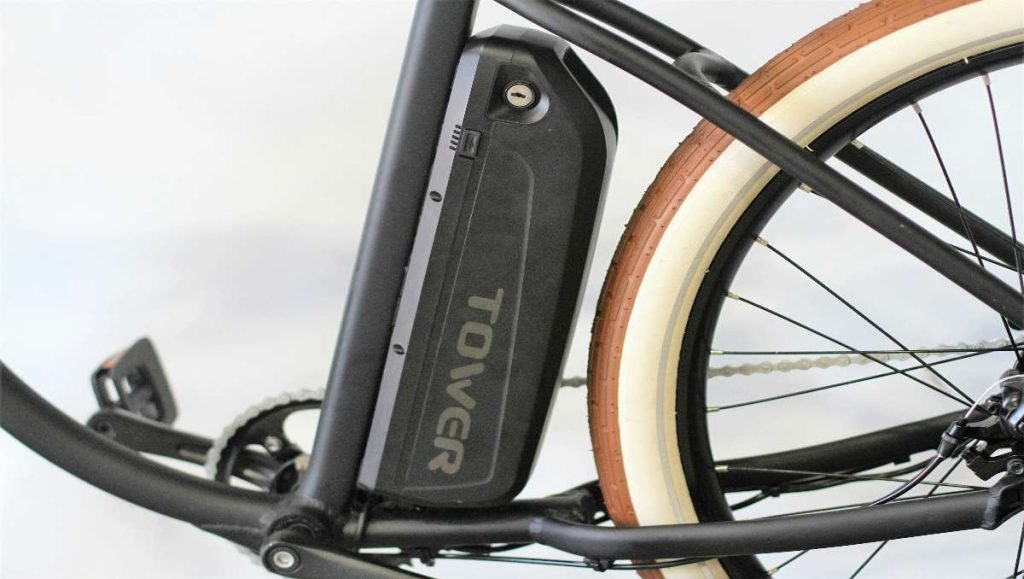
Are you curious about how long an electric bike battery can really last? If you’re considering investing in an e-bike or already own one, you’re likely wondering about the battery life—after all, it’s a significant factor in your biking experience.
Imagine setting off on a picturesque ride, only to have your journey cut short by a drained battery. Frustrating, right? But don’t worry; understanding the lifespan of your e-bike battery can help you plan your rides better and ensure you get the most out of your biking adventures.
We’ll unravel the factors that influence battery life, provide tips to extend its longevity, and help you make informed decisions about your electric bike usage. Read on to discover everything you need to know about keeping your e-bike powered and ready to roll!
Battery Lifespan Factors
Electric bike battery lifespan depends on usage habits, charging frequency, and environmental conditions. Regular maintenance and proper storage can extend battery life.
Understanding the lifespan of an electric bike battery is crucial for every e-bike owner. If you’ve ever wondered why some batteries seem to last longer than others, you’re not alone. Various factors can significantly impact how long your battery will continue to power your adventures. Let’s dive into these essential factors that play a role in determining battery longevity.Type Of Battery
The type of battery in your electric bike is a major determinant of its lifespan. Lithium-ion batteries are the most common and often provide the best longevity, sometimes lasting up to five years with proper care. Other types, like nickel-cadmium or lead-acid, may not last as long and can be bulkier. If you’re choosing a new battery, consider lithium-ion for its efficiency and longer life span.Usage Patterns
How often and how far you ride your e-bike can affect battery life. Frequent short rides may not drain the battery as much as long, continuous rides. However, consistently depleting your battery to very low levels can reduce its overall lifespan. Think about your riding habits; are there ways you can optimize them to extend battery life?Charging Practices
Charging your battery correctly can make a big difference. It’s tempting to charge it to 100% and let it drain to zero, but this can wear out the battery quicker. Instead, try to keep it between 20% to 80%. Overcharging or allowing it to completely discharge frequently can harm the battery. A smart charging routine can add years to your battery’s life.Storage Conditions
Where and how you store your e-bike can also influence battery longevity. Extreme temperatures—both hot and cold—can degrade the battery faster. If you’re storing your bike for a long period, aim for a cool, dry place and keep the battery at about 40-60% charge. Have you checked your storage area recently for optimal conditions? Knowing these factors can help you make informed decisions that prolong your electric bike battery’s life. Each ride can be a step towards better battery care. How will you adapt your routines to ensure your e-bike keeps running smoothly?
Credit: leoguarbikes.com
Extending Battery Life
Electric bike batteries typically last between 3 to 5 years. Their lifespan depends on usage, care, and charging habits. Regular maintenance and proper charging can extend their longevity.
Extending Battery Life Electric bikes are a fantastic mode of transportation, but the longevity of their batteries is a common concern. You may have wondered how to keep your electric bike running smoothly for years. The key lies in extending the battery life through smart practices. These practices are not just about keeping the battery charged, but also about maintaining its health and efficiency.Regular Maintenance
Regular maintenance can significantly impact your battery’s lifespan. It’s essential to keep your bike clean and check for any loose connections. Dust and debris can cause unnecessary strain on the battery. Inspect your battery for any signs of damage or wear. A small crack could lead to bigger problems down the line. A friend once found a tiny crack in his battery casing, and fixing it early saved him from a costly replacement.Proper Charging Techniques
Proper charging habits are crucial for battery longevity. Avoid letting your battery completely drain before recharging it. This can strain the battery and reduce its overall lifespan. Charge your battery in intervals, especially if you’re not planning to ride immediately. Overcharging can also be harmful, so unplug it once it’s fully charged. Have you ever noticed how your smartphone battery lasts longer when you don’t leave it plugged in overnight? The same principle applies here.Temperature Considerations
Temperature plays a vital role in battery performance and life. Batteries thrive in moderate temperatures. Extreme heat or cold can degrade their effectiveness and lifespan. Store your bike in a cool, dry place when not in use. If you’re riding in winter, try to keep your battery warm before starting out. It’s like how you wear gloves to keep your hands warm; your battery needs similar care. By integrating these simple practices into your routine, you can ensure your electric bike remains a reliable companion for years to come. How do you care for your electric bike battery?Signs Of Battery Degradation
Diminished range and longer charging times are clear signs of battery degradation in electric bikes. A well-maintained battery typically lasts between 3 to 5 years, but performance can vary.
Understanding the signs of battery degradation in your electric bike can save you from unexpected interruptions. Just like any other battery-powered device, e-bike batteries have a lifespan. Recognizing the early signs of wear can help you take timely action, ensuring your rides remain smooth and efficient. Let’s dive into some clear indicators that your e-bike battery might be on its way out.Reduced Range
One of the most noticeable signs of battery degradation is a reduced range. If your usual ride distance suddenly feels like a stretch, it might be time to evaluate the battery. For instance, if you previously rode 30 miles on a single charge and now struggle to cover 20, it’s a clear indicator. Consistently tracking your travel distance can help you identify this issue early. Keep a log of your rides and compare the distance over time. This simple habit can prevent inconvenient situations when you’re far from home.Longer Charging Time
Does your battery seem to take forever to charge? A battery that requires significantly more time to reach full charge is often a sign of degradation. Remember those days when you could quickly top up your battery in a couple of hours? If that time has now doubled, it might be worth considering a replacement. Regularly timing your charging sessions can help you notice these changes sooner rather than later.Physical Damage
Physical damage to the battery is an obvious yet often overlooked sign of degradation. Dents, corrosion, or leakage indicate that the battery may be compromised. During one of my rides, I noticed a small dent on the battery case. Ignoring it, I continued riding, only to find the battery performance drop drastically. This experience taught me the importance of regular visual inspections. Always check for any visible damage and address it promptly. Not only does this ensure safety, but it also helps maintain optimal battery performance. Have you ever noticed these signs in your e-bike battery? Taking early action can extend its life and keep your rides hassle-free.Cost Implications Of Battery Replacement
Electric bike batteries don’t last forever. Replacing them has cost implications. Understanding these costs helps in planning. The battery’s price can affect your budget significantly. Knowing these expenses aids in making informed decisions about e-bike use.
Average Replacement Costs
Electric bike battery costs vary widely. A typical battery replacement ranges from $200 to $800. Prices depend on battery type, brand, and capacity. Higher capacity batteries often cost more. These prices include the battery itself and installation fees.
Budgeting For Long-term Use
Plan for battery replacement in your e-bike budget. Consider the battery’s lifespan. Batteries usually last 3 to 5 years. Saving a small amount monthly can ease future costs. This proactive approach prevents sudden financial strain.
Comparing Brands
Different brands offer varying battery prices. Some brands provide affordable options with shorter lifespans. Others offer premium batteries with extended use. Research and compare brand warranties and performance. Choose a brand that aligns with your budget and needs.
Innovations In Battery Technology
Innovations in battery technology enhance electric bike performance, extending battery life significantly. Most e-bike batteries last between 20 to 60 miles per charge. Factors like terrain, rider weight, and battery type influence this range.
Innovations in battery technology are rapidly changing the electric bike industry. These advancements extend battery life, making e-bikes more efficient and reliable. Modern batteries offer longer rides and shorter charging times. They also reduce costs in the long run.Advancements In Lithium-ion
Lithium-ion batteries are now lighter and more powerful. They last longer than older models, providing riders with extended range. Manufacturers are improving their energy density, allowing for smaller sizes without sacrificing power. These batteries also have a quicker charge cycle, which means more time riding and less time waiting.Future Trends In Battery Development
Researchers are exploring new materials for batteries. Solid-state batteries promise to be safer and more durable. They offer higher energy capacity and faster charging. Another trend is the development of recyclable batteries, which could help reduce waste. These innovations may soon become standard, enhancing e-bike performance and sustainability.Impact On Electric Bike Industry
Battery improvements are driving the e-bike market forward. Longer-lasting batteries attract more consumers, boosting sales. They also support the growth of e-bike sharing programs. Manufacturers can focus on creating more efficient designs. These innovations are making electric bikes a practical choice for daily commutes. As a result, the e-bike industry is poised for significant growth.
Credit: leoguarbikes.com
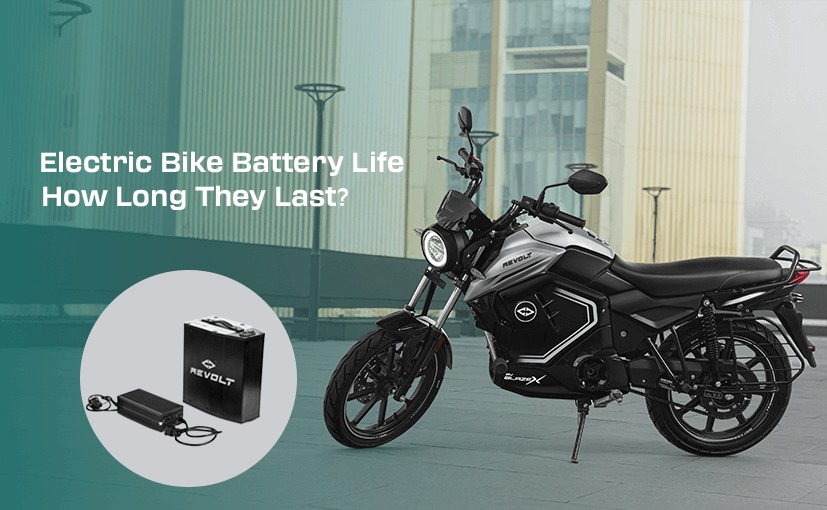
Credit: www.revoltmotors.com
Frequently Asked Questions
How Much Does It Cost To Replace The Battery In An Electric Bike?
Replacing an electric bike battery costs between $200 and $800, depending on brand and capacity. Check for compatibility and warranty options to ensure value.
How Many Hours Do Electric Bike Batteries Last?
Electric bike batteries typically last between 20 to 70 miles on a single charge. This depends on factors like battery capacity, terrain, and riding speed. Regular maintenance and correct usage can extend battery life. Always refer to the manufacturer’s guidelines for specific battery duration.
How Far Will An Electric Bike Go On A Full Charge?
An electric bike typically travels 20 to 100 miles on a full charge. Mileage depends on battery capacity, terrain, rider weight, and speed. Regular maintenance and optimal tire pressure also impact range. Always check specific model specifications for accurate distance details.
Do Ebike Batteries Drain When Not In Use?
Yes, ebike batteries can drain slightly over time even when not in use. Regularly check the charge level. Store batteries in a cool, dry place to minimize discharge. For extended periods, maintain a charge level between 40% to 60% for optimal battery health.
Conclusion
Electric bike batteries offer reliable power for your rides. They usually last between two to five years. Proper care helps extend their lifespan. Always charge them correctly. Avoid extreme temperatures. Regular checks can prevent unexpected issues. Remember, the way you ride affects battery longevity.
Gentle rides preserve battery life. Batteries lose capacity over time. Plan for replacements eventually. Choosing a quality battery ensures better performance. Stay informed about new technologies. They might offer longer-lasting options. Enjoy your electric bike, knowing your battery is well cared for.