
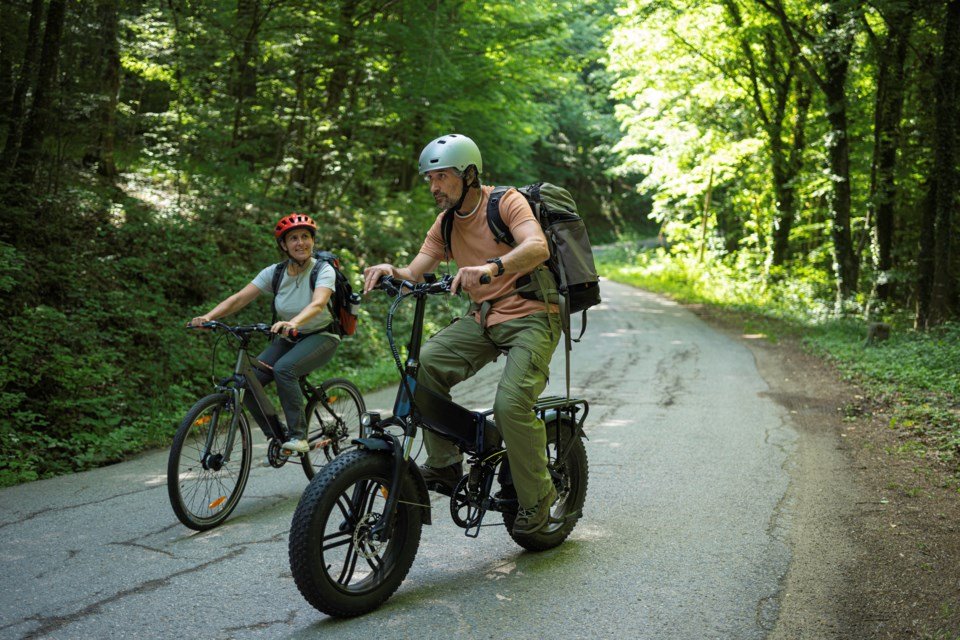
Imagine the thrill of cruising down the road, the wind in your hair, and not a care in the world. Now, imagine doing all that while being eco-friendly and saving money.
That’s the magic of electric bikes. But here’s the big question on everyone’s mind: Can electric bikes go on the road? You might be wondering if they’re just for sidewalks or bike trails, or if you can actually take them out where the cars roam.
This question could change the way you commute, explore, and enjoy your daily rides. Dive into this article to discover how electric bikes fit into your road adventures. Your perfect ride might be just a read away.
Road Legality Of Electric Bikes
As electric bikes gain popularity, a common question arises: can they legally ride on roads? Understanding the road legality of electric bikes is crucial for riders who want to navigate city streets and suburban roads confidently. Knowing the rules can ensure a safe and seamless ride, without any surprises from law enforcement.
Classification And Categories
Electric bikes, or e-bikes, are typically classified based on their power output and speed capabilities. There are generally three classes:
- Class 1:Pedal-assist e-bikes that can reach speeds up to 20 mph.
- Class 2:Throttle-assisted e-bikes, also capped at 20 mph.
- Class 3:Pedal-assist e-bikes with a speed limit of 28 mph.
Each class has different road legality, often governed by local laws. Knowing which class your e-bike falls into is essential for determining where and how you can legally ride.
Licensing And Registration Requirements
Unlike traditional vehicles, most e-bikes do not require licensing or registration. This makes them an attractive option for commuters looking for a hassle-free ride. However, some states might have specific requirements, especially for higher-speed models.
Check your local laws to see if your e-bike needs to be registered or if you need a special license. Imagine cruising down the street without the paperwork burden – that’s the freedom e-bikes can offer.
Have you ever had to deal with unexpected rules when riding your e-bike? Understanding the licensing and registration requirements can prevent such surprises and keep your rides enjoyable and compliant.

Credit: meelod.com
Safety Regulations For E-bikes
Electric bikes are becoming more popular on roads worldwide. But riding them safely requires understanding specific regulations. Safety rules ensure both riders and others remain protected. Knowing these regulations is key for any e-bike owner.
Helmet And Gear Regulations
Wearing a helmet is often mandatory for e-bike riders. Helmets protect your head during falls or accidents. Some regions also require additional protective gear. This might include knee pads or reflective clothing. Check local laws to ensure compliance.
Speed And Power Limitations
E-bikes usually have speed and power limits set by law. In many places, e-bikes cannot exceed 20 miles per hour. Motor power often has a cap too, usually around 750 watts. These limits aim to keep roads safe for everyone. Always verify your bike’s specifications meet local standards.
Navigating Traffic Laws
Electric bikes are becoming popular. Many wonder if they can ride on the road. Check local traffic laws to ensure safe riding.
Navigating traffic laws can be a bit tricky when you’re on an electric bike. Understanding the rules of the road is crucial not only for your safety but also for ensuring a smooth ride. Let’s dive into some key areas you need to be aware of when taking your e-bike onto the streets.Lane Usage And Positioning
Electric bikes often share lanes with cars, which can be daunting. Always ride in the direction of traffic and stay as far right as possible unless turning left or avoiding obstacles. Use bike lanes when available to enhance your safety and visibility. In cities with no bike lanes, position yourself in the lane so you’re visible to drivers. Riding too close to parked cars can be dangerous due to the risk of doors opening suddenly. Keep a safe distance and make eye contact with drivers when possible.Traffic Signals And Signs Compliance
Just like cars, electric bikes must obey all traffic signals and signs. This includes stopping at red lights and stop signs and yielding to pedestrians. Ignoring these rules can lead to accidents and fines. Be extra cautious at intersections. Use hand signals to indicate turns and stops to make your intentions clear to other road users. Remember, predictability is your best friend on the road. Riding an electric bike offers freedom and flexibility, but it’s essential to respect traffic laws. What steps will you take to ensure a safer ride today?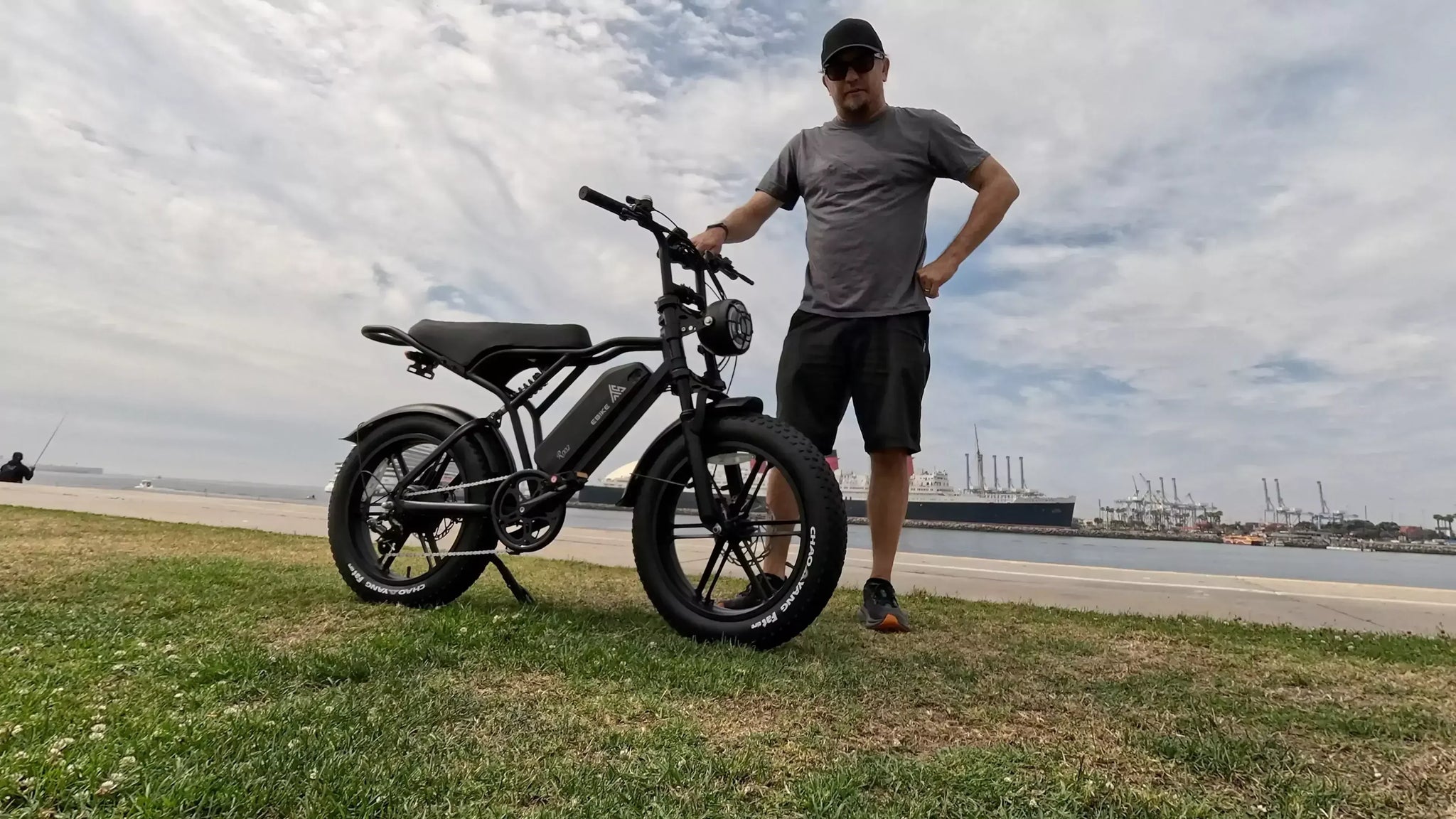
Credit: tstebike.com
Insurance And Liability Concerns
Electric bikes are gaining popularity on roads. Their convenience and eco-friendliness make them a preferred choice. But with this rise comes the need for understanding insurance and liability. Knowing your coverage and responsibility is crucial. This helps in safeguarding yourself and others on the road.
Coverage Options
Insurance for electric bikes varies. Some insurers offer specialized policies. These policies cover theft, damage, and accidents. Others may include electric bikes under home insurance. It’s important to check with your provider. Ensure you’re protected adequately. Without proper coverage, you might face financial risks.
Accident Responsibility
Accident responsibility is a major concern. Who pays if an electric bike causes a mishap? Generally, the rider bears responsibility. This applies if the rider is at fault. Understanding traffic rules is vital. It helps in avoiding accidents. Always ride safely and responsibly. This minimizes risks for everyone involved.
Impact On Urban Mobility
Electric bikes are transforming urban mobility. They offer a new way to navigate city streets. As cities grow, traffic becomes a major issue. Electric bikes provide a solution. They are fast and efficient. More people are choosing them for daily commutes.
Reducing Traffic Congestion
Electric bikes can reduce traffic congestion. They take up less space than cars. Riders can use bike lanes. This frees up road space. Fewer cars mean smoother traffic flow. Cities experience less gridlock. Commuters save time.
Electric bikes are easy to park. They require less space. This reduces parking issues. More people can fit in the same area. Busy urban areas benefit from this. Streets are less crowded.
Environmental Benefits
Electric bikes are eco-friendly. They produce no emissions. This helps reduce air pollution. Cleaner air improves public health. Cities become healthier places to live.
They use less energy than cars. This conserves resources. Electric bikes have a smaller carbon footprint. They contribute to sustainable living. Green cities are more appealing.
Future Of Electric Bikes On Roads
The future of electric bikes on roads is promising. Their presence is growing rapidly in urban areas. Electric bikes offer a green and efficient mode of transport. They reduce traffic congestion and pollution. As technology evolves, their potential expands further. Policies are adapting to support their integration into daily commuting.
Technological Advancements
Electric bikes are advancing with cutting-edge technology. Battery life is improving, allowing longer journeys. Motors are becoming more powerful and efficient. Smart features like GPS and connectivity are enhancing user experience. These advancements make electric bikes more appealing to commuters.
Policy Development And Advocacy
Governments are recognizing the benefits of electric bikes. Policies are being developed to support their use on roads. This includes dedicated bike lanes and incentives for e-bike purchases. Advocacy groups are pushing for safer road conditions. Their efforts aim to integrate electric bikes into the transportation ecosystem.

Credit: movcan-bike.com
Frequently Asked Questions
Can I Drive My Electric Bike On The Road?
Yes, you can drive your electric bike on the road. Ensure it meets local regulations and safety standards. Always wear a helmet and follow traffic laws. Check if a specific license or registration is needed in your area. Electric bikes are eco-friendly and a convenient mode of transport.
Are Electric Bikes Street Legal In The Us?
Electric bikes are generally street legal in the US. Regulations vary by state and local jurisdictions. Check local laws for specific rules on speed limits, helmet use, and age restrictions. Most states classify e-bikes with a top speed of 20 mph as bicycles, requiring no special licensing.
Are Electric Bikes Allowed On Main Roads?
Yes, electric bikes are generally allowed on main roads. However, riders must follow local traffic laws. It’s important to check specific regulations in your area. Some regions have restrictions on speed limits or require additional safety measures. Always prioritize safety and ensure your bike meets legal standards.
Do Electric Bikes Need A License To Ride?
In most places, you don’t need a license to ride an electric bike. However, regulations can vary based on the bike’s speed and motor power. It’s crucial to verify local laws to ensure compliance. Some areas may require a minimum age or helmet use.
Conclusion
Electric bikes offer a fun way to travel on roads. They are eco-friendly and help reduce traffic. Many cities support electric bikes with bike lanes. Riders must follow road rules for safety. Helmets are important for protection. Check local laws before riding on roads.
Electric bikes need proper maintenance too. Keep batteries charged for longer rides. Enjoy the ride and explore new places. Electric bikes bring convenience to everyday journeys. They connect people with nature and promote healthy living. Embrace the future of transportation with electric bikes on the road.