
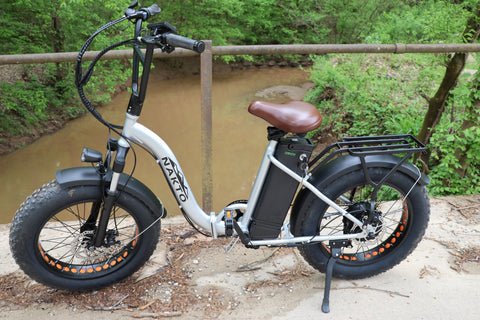
Are you considering joining the growing community of electric bike enthusiasts? One question likely on your mind is whether you need a license to ride an electric bike.
Understanding the legal requirements can be confusing, and you’re not alone in seeking clarity. We’ll simplify the rules and regulations surrounding electric bikes, so you can confidently hit the road without any worries. We’ll delve into the details you need to know, ensuring you make informed decisions and enjoy the freedom that comes with riding your e-bike.
Keep reading to discover how you can ride legally and safely, and unlock the full potential of your new favorite mode of transport.

Credit: www.instagram.com
Electric Bike Basics
Electric bikes have gained immense popularity in recent years. These eco-friendly vehicles offer an easy way to travel short distances. They combine traditional pedaling with electric assistance. This makes them ideal for commuting, leisure rides, and reducing carbon footprints.
What Is An Electric Bike?
An electric bike, often called an e-bike, is a bicycle with a battery-powered motor. This motor helps in pedaling, making it easier to ride uphill or for long distances. E-bikes can be charged using standard electrical outlets. They come with various features like speed control and different riding modes. The motor’s power is typically measured in watts, ranging from 250 to 500 watts for most consumer models.
Types Of Electric Bikes
Electric bikes come in various types to suit different needs:
- Pedal Assist:These e-bikes require you to pedal for the motor to work. The motor boosts your pedaling effort, making rides smoother.
- Throttle:These e-bikes can run on motor power alone. You can ride without pedaling, using a throttle to control speed.
- Speed Pedelecs:Designed for faster rides, these e-bikes can reach speeds up to 28 mph. They offer more power and are suited for longer commutes.
- Folding E-bikes:Ideal for urban use, these e-bikes are compact and easy to store. They are perfect for city dwellers with limited space.
Choosing the right type depends on your riding needs and preferences. Each type offers unique features catering to different lifestyles.
Licensing Requirements
Understanding the licensing requirements for electric bikes is crucial. Rules can vary widely depending on where you live. It’s important to know if you need a license before hitting the road. Whether you’re a new rider or an experienced one, knowing the regulations helps. Let’s explore what you need to know about licensing for electric bikes.
Country-specific Regulations
Each country has its own rules for electric bikes. In the United States, rules differ from those in Europe or Asia. Some countries classify electric bikes as regular bicycles. Others treat them like motor vehicles. In the UK, for example, no license is needed for bikes under 250 watts. In contrast, countries like China might have stricter rules. Always check your local country’s specific requirements.
State And Local Laws
Within countries, states or regions may have different laws. In the US, each state has its own rules for electric bikes. Some states require riders to have a license. Others might not. California has specific speed limits for electric bikes. New York requires helmets for certain age groups. Local laws might also differ in cities or towns. It’s vital to understand both state and local regulations before riding.
Age And Safety Standards
Understanding the age and safety standards for riding an electric bike is essential. These standards ensure both safety and compliance with local laws. Electric bikes offer a convenient mode of transport, but riders must be aware of the rules governing their use. Let’s explore the minimum age requirements and necessary safety gear.
Minimum Age For Riding
The minimum age for riding an electric bike varies by region. In some places, riders must be at least 14 years old. Other areas may require riders to be 16 or even 18. It’s crucial to check local regulations before hitting the road. Younger riders often need parental supervision or consent.
Safety Gear And Equipment
Wearing proper safety gear is vital. A helmet is the most important piece of equipment. It protects your head during accidents. Other recommended gear includes knee and elbow pads. These offer additional protection. Bright clothing helps increase visibility on the road. Reflective gear can be especially useful at night.
Some regions may require specific equipment. Electric bikes might need lights, bells, or mirrors. Always ensure your bike meets local safety standards. Regular maintenance checks keep your bike in good condition. This helps prevent accidents and ensures a smooth ride.

Credit: leoguarbikes.com
Insurance Considerations
Considering insurance for your electric bike is wise. It can protect you and your investment. Many people wonder if they need insurance for their e-bikes. Let’s explore this topic further.
Do You Need Insurance?
Insurance for e-bikes is not always required by law. Yet, it offers significant protection. Accidents can happen on the road. Insurance can cover damages or injuries. It also provides peace of mind. Check local laws for specific requirements.
Types Of Coverage
Several types of coverage exist for e-bikes:
- Liability Insurance:Covers damages you cause to others. Essential for any rider.
- Collision Insurance:Pays for repairs to your bike after an accident. Useful for costly e-bikes.
- Theft Insurance:Protects against bike theft. Important in high-theft areas.
- Personal Injury Protection:Covers medical costs after an accident. Keeps you safe financially.
Evaluate your needs and choose the right coverage. Stay safe and protected on your e-bike journeys.
Registration And Documentation
Understanding the registration and documentation required for electric bikes is crucial. It ensures compliance with local laws and promotes safe riding. This section dives into the necessary paperwork and registration steps.
Required Documents
To register an electric bike, gather the following documents:
- Proof of purchase: This can be a sales receipt or invoice.
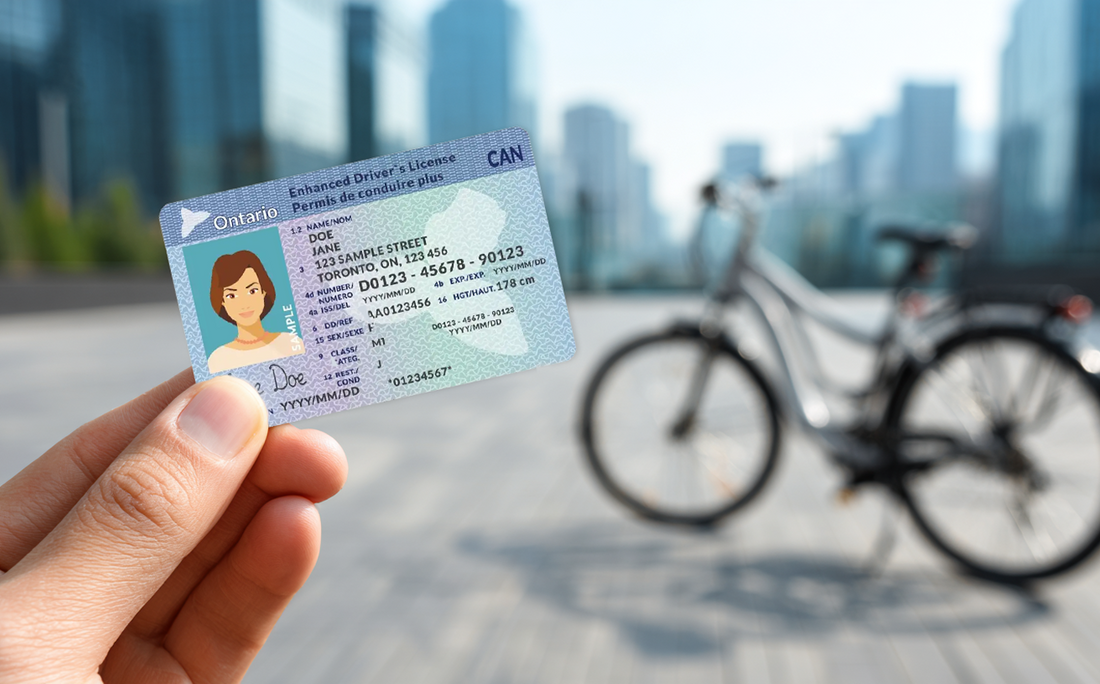
- Identity proof: A government-issued ID like a driver’s license or passport.
- Address proof: Utility bill or rental agreement showing your current residence.
- Bike details: Specifications or manual outlining the bike’s features.
These documents help verify ownership and compliance with regulations.
Registration Process
The registration process for electric bikes varies by region. Follow these general steps:
- Visit the local vehicle registration office or their website.
- Fill out the necessary registration forms available at the office.
- Submit the required documents along with the completed forms.
- Pay any applicable registration fees at the time of submission.
- Receive a registration number and certificate for your electric bike.
Completing these steps ensures your electric bike is legally registered. It also helps avoid potential fines or penalties.
Benefits Of Licensing
Licensing for electric bikes ensures safer roads and promotes responsible riding. It reduces accidents and enhances public safety. Clear regulations help riders understand and follow traffic rules effectively.
Getting a license for your electric bike might seem like an unnecessary hassle. However, the benefits of licensing are numerous and can greatly enhance your riding experience. Not only does it foster a sense of responsibility, but it also opens up new opportunities for safe and enjoyable rides. Let’s delve into the specific advantages of having a licensed electric bike.Safety And Accountability
Licensing your electric bike instills a greater sense of responsibility. You become more aware of road rules and safety protocols, which can reduce accidents. Imagine knowing that your bike is officially registered; it encourages you to ride more cautiously, respecting both pedestrians and fellow riders. Moreover, a license acts as a form of accountability. If you accidentally damage property or encounter an issue on the road, having a registered bike provides a traceable identity. This accountability ensures that disputes are resolved fairly, fostering a safer community for all.Access To More Routes
With a licensed electric bike, you gain access to routes that might be restricted otherwise. Some urban areas or national parks require bikes to be registered to use certain paths. This opens up opportunities for exploring scenic routes that were previously off-limits. Consider the joy of riding through a picturesque park or trail without worrying about legal restrictions. Licensing can be your ticket to accessing diverse landscapes and routes, broadening your riding horizons. Have you ever wished to explore a new area but were unsure about the rules? Licensing removes that uncertainty, allowing you to ride confidently and legally in more places.Common Misconceptions
Electric bikes are gaining popularity, but there’s a lot of confusion about whether you need a license to ride one. Many people mistakenly lump them together with motorcycles, thinking they must adhere to the same rules. This section aims to clear up these misconceptions and shed light on the actual regulations governing electric bikes.
Electric Bikes Vs. Motorcycles
It’s easy to see why electric bikes are often confused with motorcycles. They both have two wheels and can reach impressive speeds. However, the differences are significant. Electric bikes are designed to assist pedaling, while motorcycles rely entirely on motor power. The distinction affects licensing requirements.
Most regions classify electric bikes separately, often making them exempt from motorcycle licensing. This means you can enjoy the benefits of an electric bike without the hassle of obtaining a motorcycle license. Always check your local laws, as regulations can vary.
The Myth Of No Regulations
Some believe electric bikes are completely unregulated, but this isn’t true. While you might not need a traditional license, there are rules to follow. Many areas require helmets and impose age restrictions for riders. Others have speed limits or specific paths where electric bikes can be ridden.
Understanding these regulations is crucial. Imagine the surprise of a friend who was stopped by a local official for riding an electric bike on a pedestrian path, thinking it was allowed. Knowing the local regulations can save you from similar mishaps.
Have you ever wondered if you’re missing out on important information about electric bike laws? Keeping yourself informed ensures a safe and legal riding experience. Don’t fall prey to myths—arm yourself with knowledge and ride confidently.
Credit: cyseekinbike.com
Future Of Electric Bike Regulations
The future of electric bike regulations is evolving rapidly. As e-bikes gain popularity, governments are setting new rules. These regulations aim to ensure safety and environmental benefits. Understanding these changes is crucial for riders and manufacturers alike.
Trends In Legislation
Governments worldwide are creating e-bike laws. Some countries require licenses. Others focus on speed limits and bike paths. New rules often depend on the bike’s power and speed. Low-powered bikes might have fewer restrictions. High-powered models could face stricter laws. This ensures safety for all road users.
Impact Of Technology
Technology is shaping e-bike regulations. Innovations like GPS tracking aid in enforcing rules. Smart helmets can increase safety and might become mandatory. Battery improvements could lead to longer rides, affecting road sharing. As technology evolves, so will the laws governing e-bikes. Keeping up with these changes is essential for safe riding.
Frequently Asked Questions
Can I Ride An Electric Bicycle Without A License?
Riding an electric bicycle without a license depends on local laws. In many places, low-speed e-bikes don’t require a license. Always check your area’s specific regulations to ensure compliance.
Are Ebikes Street Legal In Texas?
Ebikes are legal on streets in Texas. Riders must follow the same rules as traditional bicycles. Ebikes should not exceed 20 mph without pedaling. Helmets are recommended, especially for minors. Local laws might vary, so check city regulations for specifics.
Do You Need A License For An Electric Bike?
No, most electric bikes don’t require a license. Generally, e-bikes with speeds below 20 mph and motors under 750 watts are exempt from licensing. However, laws vary by location, so it’s crucial to check your local regulations to ensure compliance.
Are Electric Bikes Legal On Public Roads?
Yes, electric bikes are usually legal on public roads. They must adhere to specific speed and power limits. Typically, they should have a motor under 750 watts and speeds not exceeding 20 mph. Always verify local laws to ensure your e-bike is road-legal.
Conclusion
Deciding on an electric bike license depends on local laws. Some places require a license, while others do not. Always check regulations before purchasing or riding your electric bike. Knowing the rules keeps you safe and avoids fines. Remember, staying informed is crucial.
Electric bikes offer eco-friendly travel and fun. Understanding legal requirements ensures a smooth ride. Enjoy your electric biking journey responsibly. Safety and legality go hand in hand. Stay updated on changes in bike regulations. Your local authority can provide accurate information.
Happy and safe biking!