
Have you ever wondered why inflation and unemployment seem to dance around each other in the economic world? The answer lies in the intriguing dynamics of the Short Run Phillips Curve.
This curve is a powerful tool that helps you understand how inflation rates and unemployment figures are connected over a short period. But what exactly causes this curve to shift? Unlocking the secrets behind these shifts can empower you to anticipate economic changes and make smarter financial decisions.
Get ready to dive into the factors that influence these shifts, and discover how they impact your day-to-day life and the broader economy. Keep reading to unravel the mysteries of the Short Run Phillips Curve and take control of your economic insights.
Monetary Policy Changes
The Phillips Curve, a vital concept in macroeconomics, illustrates the inverse relationship between inflation and unemployment. One of the key factors that can shift the short-run Phillips Curve is monetary policy changes. These adjustments, made by central banks, can influence inflation expectations and employment levels. Understanding how these changes affect the economy offers valuable insights into the dynamics of the Phillips Curve.
Interest Rate Adjustments
When central banks tweak interest rates, they’re not just playing with numbers; they’re influencing your everyday life. Lowering interest rates can make borrowing cheaper, encouraging spending and investment. This, in turn, can boost employment, potentially reducing unemployment.
Conversely, raising interest rates may slow down economic activity. This could increase unemployment but also help control inflation. Imagine you’re planning to buy a house; lower rates might make it affordable, but higher rates could make you rethink. This balancing act is central to how interest rate adjustments can shift the Phillips Curve.
Quantitative Easing Impacts
Quantitative easing (QE) is another tool in the monetary policy toolkit. It’s like central banks printing money to buy government securities, aiming to inject liquidity into the economy. This can lower interest rates further and promote lending and investment.
But QE can also fuel inflation if not managed carefully. Picture a balloon—add too much air and it bursts. Similarly, too much liquidity can lead to inflationary pressures. The challenge lies in finding the right balance to shift the Phillips Curve in a favorable direction.
Have you ever wondered how these monetary policy shifts impact your financial decisions? The nuanced dance between inflation and unemployment orchestrated by interest rate changes and QE is fascinating. How do you think these changes influence your spending habits?

Credit: quizlet.com
Fiscal Policy Interventions
Fiscal policy interventions play a crucial role in adjusting economic conditions. These interventions can shift the short run Phillips Curve, impacting inflation and unemployment rates. Understanding how government spending and taxation affect these shifts can offer insights into economic dynamics.
Government Spending Variations
Government spending can influence the economy in significant ways. Increased spending injects money into the economy, boosting demand. This rise in demand can lead to higher inflation rates. Conversely, reduced spending can slow economic activity, potentially decreasing inflation.
Different sectors react to spending changes. Infrastructure projects can create jobs, reducing unemployment. Public services expansion can improve social welfare. Each decision affects the Phillips Curve’s position and shape.
Taxation Policy Effects
Tax policies directly impact consumer spending and saving habits. Lower taxes increase disposable income, encouraging spending. This can raise demand and inflation. Higher taxes can discourage spending, slowing economic activity and inflation.
Tax incentives can target specific sectors. This encourages investment and employment growth. Conversely, tax hikes can lead to reduced business investment. Understanding these effects helps in predicting Phillips Curve shifts.
Supply Shocks
Supply shocks, like sudden changes in oil prices, can shift the short-run Phillips Curve. These shocks affect inflation and unemployment rates, altering economic conditions.
Supply shocks are unexpected events that dramatically affect supply chains and production processes, leading to shifts in the short run Phillips curve. These shocks can either increase or decrease inflation rates and unemployment levels, depending on their nature and severity. Understanding supply shocks is crucial because they can reshape economic landscapes, influencing everything from your grocery bill to job stability.Oil Price Fluctuations
Oil prices are notorious for their volatility, impacting both consumers and producers. A sudden spike in oil prices can increase production costs, leading to higher prices for goods and services. This inflationary pressure can cause the short run Phillips curve to shift upwards, reflecting higher inflation at every level of unemployment. Conversely, a drop in oil prices can lower production costs, easing inflationary pressures and possibly shifting the curve downwards. Have you ever wondered why your commute costs vary from month to month? It’s often due to these oil price fluctuations that ripple through the economy, affecting everything from transportation costs to the price of plastics.Natural Disasters And Production
Natural disasters, such as hurricanes and earthquakes, can devastate supply chains and infrastructure. These events often lead to reduced production capacity and increased costs, shifting the Phillips curve upwards. Imagine the impact of a hurricane on a coastal factory—it can halt production, disrupt supply chains, and lead to job losses. However, the aftermath often sees a surge in rebuilding and recovery efforts, which can stimulate employment but also raise prices due to increased demand for materials and labor. Have you considered the dual impact of these events on both short-term disruptions and long-term economic adjustments? These shifts underline the importance of preparedness and resilience in economic planning.Expectations Of Inflation
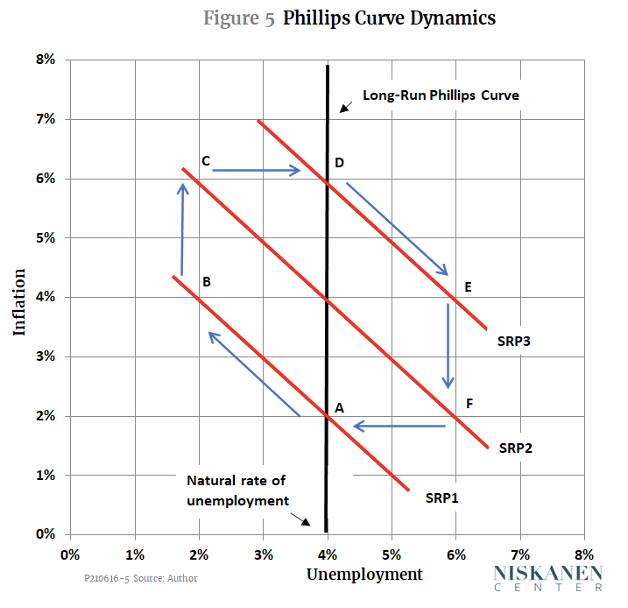
Expectations of inflation can shift the short run Phillips Curve. Higher inflation expectations lead to higher wage demands. This results in increased production costs, causing the curve to shift upwards.
Expectations of inflation play a crucial role in shifting the short-run Phillips Curve. When businesses and consumers anticipate changes in inflation, their behavior adjusts accordingly, impacting wage demands and pricing strategies. This alteration in behavior can shift the curve, influencing unemployment rates and economic dynamics.Role Of Consumer Expectations
Consumer expectations can significantly sway inflation outcomes. Imagine you’re planning to buy a car and you expect prices to rise next year. You might decide to purchase sooner rather than later, increasing current demand and potentially driving prices up. Such actions, multiplied across an economy, can indeed shift the Phillips Curve. When consumers expect higher inflation, they tend to act in ways that can make those expectations a reality. This self-fulfilling prophecy can result in a shift in the curve, illustrating the power of collective consumer behavior.Impact Of Market Predictions
Market predictions also heavily influence inflation expectations. Consider the effect of a well-publicized forecast from a reputable financial institution predicting a rise in inflation. Such predictions can affect not only consumer behavior but also business strategies. Companies might preemptively raise prices or negotiate higher wages with employees, anticipating increased costs. These actions, based on market predictions, contribute to shifting the Phillips Curve. Have you ever acted on a financial prediction? How did it change your approach? This demonstrates how deeply interconnected expectations and economic outcomes can be. Understanding these dynamics offers actionable insights for both policymakers and everyday decision-makers. By staying informed about market predictions and consumer trends, you can better navigate the economic landscape.Labor Market Dynamics
The short-run Phillips curve illustrates the trade-off between inflation and unemployment. Understanding labor market dynamics is crucial for grasping these shifts. Labor market changes can impact inflation rates and employment levels. This section delves into how wage negotiations and employment trends affect the short-run Phillips curve.
Wage Negotiations
Wage negotiations play a vital role in labor markets. They affect how much workers earn and influence inflation. Higher wages can increase consumer spending, leading to inflationary pressures. Conversely, stagnant wages might curb spending and slow inflation.
Collective bargaining often leads to wage increases. This can shift the short-run Phillips curve. Employers may face higher costs, influencing prices for goods and services. Analyzing wage trends helps predict economic shifts.
Employment Trends
Employment trends offer insight into economic health. Rising employment suggests a growing economy. This can lead to increased demand for goods. Increased demand might cause inflation, impacting the short-run Phillips curve.
Conversely, high unemployment can signal economic challenges. This might lower demand, easing inflationary pressures. Understanding these trends helps predict potential shifts in the Phillips curve.
Tracking employment statistics provides valuable data. This data aids in forecasting economic conditions. Changes in employment can directly affect inflation and the short-run Phillips curve.
Credit: marker.medium.com
Global Economic Influences
The global economy is a dynamic entity, influencing markets and policies worldwide. These global economic influences can significantly shift the Short Run Phillips Curve, which describes the inverse relationship between inflation and unemployment in the short run. Understanding these factors is crucial for predicting economic trends and making informed decisions.
Trade Policies
Trade policies are a major factor that can shift the Short Run Phillips Curve. When countries impose tariffs, it can lead to higher costs for imported goods. This results in inflationary pressures, shifting the curve to the right.
Consider the impact of a trade war. Increased tariffs can cause domestic prices to rise as imports become more expensive. This not only affects inflation but can also lead to job losses in industries reliant on foreign trade.
On the flip side, trade liberalization can lower costs and reduce inflation. The competition from abroad forces local businesses to improve efficiency and cut prices, potentially shifting the curve to the left.
Exchange Rate Movements
Exchange rate movements also play a vital role in shifting the Short Run Phillips Curve. A stronger currency makes imports cheaper, which can help keep inflation in check. This might shift the curve leftward as inflation decreases.
However, a weaker currency can lead to more expensive imports, spiking inflation. This scenario might cause the curve to move rightward, indicating higher inflation for the same level of unemployment.
Consider how volatile exchange rates can impact businesses and consumers. How do you plan for economic stability when the value of your currency fluctuates? Understanding these dynamics is essential for both policymakers and businesses trying to navigate a globalized economy.
Technological Advances
Technological advances can shift the short-run Phillips curve by affecting productivity and employment. These changes alter the relationship between inflation and unemployment, influencing economic policies and market dynamics.
Technological Advances Technological advances are reshaping the economic landscape, influencing everything from how products are created to how services are delivered. These changes have a profound effect on the short run Phillips curve, which demonstrates the relationship between inflation and unemployment. As technology evolves, it impacts productivity, employment patterns, and ultimately, economic stability. How do these innovations shift the Phillips curve, and what does it mean for you?Productivity Improvements
Technological advancements often lead to significant productivity improvements. When businesses integrate cutting-edge technology, they can produce more goods with fewer resources. This efficiency can lower costs and potentially reduce prices, affecting inflation rates. Imagine a factory that upgrades its machinery; suddenly, production speeds increase and fewer workers are needed for the same output. This raises a crucial question: If productivity surges, will unemployment rise or fall? It might create opportunities for new roles, but it could also mean fewer traditional jobs, shifting the Phillips curve in unexpected ways.Automation And Employment
Automation is a double-edged sword in the realm of employment. On one hand, it streamlines operations and reduces labor costs. On the other, it can displace workers, leading to higher unemployment in certain sectors. Consider the rise of AI and robotics in industries like manufacturing and customer service. As machines take over routine tasks, workers may find themselves needing to upskill or transition to different careers. This dynamic adjustment can shift the short run Phillips curve, as the balance between inflation and unemployment becomes more unpredictable. How do you perceive the role of automation in your industry? Are you ready to adapt to these changes, or do you see them as a threat to job security? Your perspective will influence how these shifts impact economic trends.
Credit: www.youtube.com
Frequently Asked Questions
What Shifts The Short Run Phillips Curve Up?
An increase in inflation expectations or supply shocks can shift the short-run Phillips curve up. Higher wages and production costs also contribute, leading to increased inflation at any unemployment level.
What Are The Factors Which Cause A Shift In The Short Run Phillips Curve?
Changes in expected inflation, supply shocks, and demand fluctuations cause shifts in the short-run Phillips curve.
What Shifts The Short Run Supply Curve?
Changes in production costs or technology shift the short run supply curve. An increase in input costs moves it left. Improved technology or reduced costs shift it right. Government regulations and taxes also influence supply curve shifts. Anticipated future prices can affect supply decisions too.
What Would Shift The Long Run Phillips Curve?
The long-run Phillips curve shifts due to changes in natural unemployment rate. Factors include labor market policies, technological advancements, and demographic shifts. These elements alter the economy’s structural characteristics, influencing unemployment levels over time.
Conclusion
Understanding the shifts in the short run Phillips Curve helps predict economic trends. Inflation and unemployment are key factors. These shifts influence policy decisions. Economists watch them closely to guide growth. Changes in expectations and external shocks also play roles.
Clear awareness of these dynamics aids in planning. Businesses and governments need this insight for stability. The curve’s movements are crucial for economic forecasts. By grasping these shifts, one can better understand the economy’s future path. Stay informed for smarter decisions.
Economic knowledge empowers individuals and organizations alike.