
Are you curious about the buzz surrounding zero drop running shoes? You’re not alone.
With more runners seeking comfort and performance, understanding what zero drop means could transform your running experience. Imagine shoes that mimic the natural shape of your foot, offering a balance and feel like running barefoot. Intrigued? By the end of this article, you’ll discover why zero drop shoes might just be the game-changer you’ve been searching for.
Keep reading to learn how these shoes can enhance your performance and potentially reduce injuries, helping you achieve your running goals with ease.
Zero Drop Concept
Running shoes come in different styles and features. One concept gaining attention is the zero drop feature. This design focuses on the alignment of the foot, promoting a natural stride.
Definition Of Zero Drop
Zero drop means the heel and forefoot are at the same height from the ground. In traditional running shoes, the heel is usually higher than the forefoot. Zero drop shoes aim to mimic barefoot running. This design encourages a more natural foot movement.
Historical Background
The idea of zero drop shoes began with the rise of minimalist running. In the early 2000s, runners started seeking shoes that offered a barefoot feel. Brands responded by creating shoes with no heel-to-toe height difference. This design promotes natural foot function. It reduces the impact on joints and muscles.

Credit: www.youtube.com
Benefits Of Zero Drop Shoes
Zero drop shoes have become a popular choice for many runners. They offer several benefits that can enhance your running experience. These shoes are designed to keep your heel and forefoot at the same level. This promotes a more natural running posture. Let’s explore the benefits of zero drop shoes.
Enhanced Natural Foot Position
Zero drop shoes encourage a natural foot position. Traditional running shoes often elevate the heel. This can disrupt the natural alignment of the foot. With zero drop shoes, the foot stays flat on the ground. This helps mimic the natural barefoot position. It can lead to improved running efficiency.
Improved Balance And Posture
Balance is key for effective running. Zero drop shoes can improve your balance. They allow for better weight distribution. This promotes an upright posture. An upright posture can reduce fatigue during long runs. It also helps in maintaining a steady pace.
Reduced Injury Risk
Injuries can halt a runner’s progress. Zero drop shoes can reduce the risk of certain injuries. They encourage a midfoot or forefoot strike. This reduces the impact on your joints. Less impact means a lower chance of injury. These shoes can be a smart choice for injury-prone runners.
Potential Drawbacks
Zero drop running shoes have gained popularity in recent years. They provide a flat sole, offering no height difference between heel and toe. While they promise a natural running experience, they also bring challenges. Understanding these drawbacks can help runners make informed choices.
Adaptation Period
Transitioning to zero drop shoes can be tough. Your feet and legs need time to adapt. Running with a flat sole changes your running form. It engages different muscles. This can lead to discomfort at first. Some runners experience soreness during the switch. Gradual adaptation is crucial for success. Start with short runs to ease the transition. Listen to your body and adjust your pace.
Muscle And Joint Strain
Zero drop shoes can increase muscle strain. They engage calves and Achilles tendons more. This can lead to pain or injury if not careful. Strengthening exercises can help. Focus on calf raises and stretches. Joint strain is another concern. Ankle and knee joints bear more impact. Proper technique minimizes these risks. Ensure your running form is correct and balanced.
Comparing Zero Drop With Traditional Shoes
Zero drop running shoes offer a flat sole, aligning the heel and forefoot. This design contrasts with traditional shoes, which often have a raised heel. Zero drop aims to promote a more natural running form, potentially reducing injury risk.
Comparing zero drop shoes with traditional running shoes offers insights into their differences. Zero drop shoes have a flat sole. Traditional shoes have a raised heel. This affects how the foot strikes the ground. Many runners notice a change in their running style. Let’s explore these differences further.Heel-to-toe Drop Differences
Zero drop shoes have no height difference between heel and toe. The foot remains level with the ground. Traditional running shoes have a higher heel. This creates a slope from heel to toe. The slope can be several millimeters. Some traditional shoes have a drop of 10-12 millimeters. This difference affects foot placement while running.Impact On Running Form
Zero drop shoes can promote a more natural running form. They encourage landing on the midfoot or forefoot. This mimics barefoot running. Some runners find this reduces impact on joints. Traditional shoes often lead to heel striking. The raised heel absorbs shock. This can alter posture and stride. Each shoe type affects muscle activation differently. Some runners need time to adjust to zero drop shoes.Choosing The Right Zero Drop Shoes
Choosing the right zero drop shoes can greatly impact your running experience. These shoes are designed to mimic natural foot movement. They have a heel and toe at the same level. This promotes better posture and balance. Selecting the correct pair requires careful consideration.
Considerations For Beginners
If you’re new to zero drop shoes, take it slow. Transitioning from traditional footwear needs patience. Start with short runs to adapt your feet and muscles. Pay attention to comfort and fit. Your feet should feel secure without being squeezed. Evaluate your running style and goals. Do you need shoes for trails or roads?
Visit a store that specializes in running gear. They can assess your foot type. Try different brands and models. Your choice should be based on your foot’s arch and width. Beginners should avoid jumping into long distances with zero drop shoes.
Evaluating Shoe Features
Look for features that suit your needs. Consider the shoe’s cushioning. Zero drop doesn’t mean zero cushioning. Some shoes offer more padding for comfort. Others focus on a minimalistic feel. Breathability is crucial in keeping feet cool and dry. Check the upper material for ventilation.
Examine the sole’s grip. A good grip ensures stability on various surfaces. Flexibility is important for natural movement. Bend the shoe to test its flexibility. The shoe should support your foot’s natural curve. Weight is another factor. Lightweight shoes reduce fatigue during long runs.
- Comfort and fit are key.
- Consider running terrain.
- Seek expert advice in stores.
- Start with shorter runs.
- Cushioning varies by model.
- Check breathability and grip.
- Flexibility supports natural movement.
- Lightweight shoes aid endurance.

Credit: www.amazon.com
Transitioning To Zero Drop
Zero drop running shoes offer a unique experience for runners. The term “zero drop” means the heel and toe are at the same height. This design promotes a natural running form. Transitioning to zero drop shoes requires careful planning. Sudden changes can lead to discomfort or injury. A gradual approach is best for adapting safely.
Gradual Transition Tips
Switching to zero drop shoes should be slow. Start by wearing them for short walks. Gradually increase the time spent in them each week. Listen to your body. If you feel discomfort, reduce your usage. Allow your muscles and tendons to adjust naturally. Consistency is key for a smooth transition.
Training Adjustments
Adjust your training routine while transitioning. Incorporate foot strengthening exercises. Focus on calf stretches to avoid tightness. Shorten your running distance initially. Gradually build up to your usual mileage. Pay attention to your running form. Aim for a mid-foot strike for better alignment. Adapting your training helps prevent injuries and enhances performance.
Popular Zero Drop Shoe Brands
Zero drop in running shoes refers to a flat sole where heel and forefoot are level. Popular brands like Altra, Merrell, and Vivobarefoot offer various zero drop shoes, promoting natural foot movement and alignment during runs.
Popular zero drop shoe brands have gained a dedicated following among runners seeking a more natural running experience. These brands are known for their innovative designs that promote a healthier posture and reduce the risk of injury. Whether you’re a seasoned marathoner or a casual jogger, understanding the leaders in this niche can help you make a more informed choice.Top Market Leaders
Among the top names in zero drop running shoes, Altra stands out with its signature FootShape™ toe box and balanced cushioning. Altra’s design philosophy centers around providing a natural fit, allowing your toes to splay naturally, which can enhance stability and comfort. Merrell is another brand that has made significant strides in the zero drop market. Known for their minimalist approach, Merrell shoes are lightweight and flexible, making them ideal for trail runners who appreciate a barefoot-like feel. Vibram FiveFingers is famous for its glove-like fit that mimics the barefoot experience. Each toe has its own compartment, promoting balance and agility. Have you ever tried running while feeling every contour of the ground beneath your feet?Emerging Brands
While established brands dominate the market, emerging players are introducing fresh perspectives. Xero Shoes offers a unique take with their minimalist design, emphasizing freedom and flexibility. Their shoes often feature a thin sole, allowing you to connect closely with the terrain. Topo Athletic combines the benefits of zero drop with a slightly more cushioned sole, catering to those who seek a balance between minimalism and comfort. Their shoes often have a wide toe box, similar to Altra, ensuring plenty of room for natural movement. Vivobarefoot is carving out its niche by focusing on sustainability and durability. Their commitment to using eco-friendly materials resonates with environmentally conscious runners. Imagine running in shoes that not only benefit your feet but also the planet. Choosing the right brand depends on your personal preferences and running needs. Which brand aligns with your running philosophy?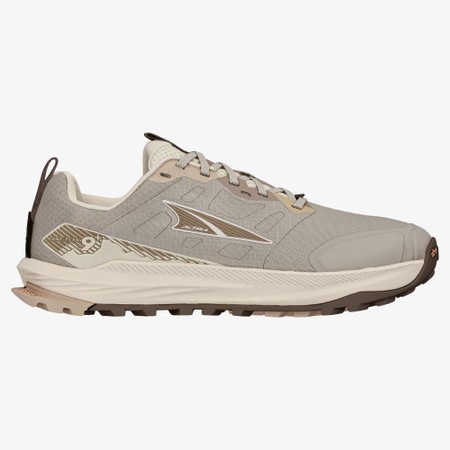
Credit: www.runandbecome.com
Frequently Asked Questions
What’s The Benefit Of A Zero Drop Shoe?
Zero drop shoes promote natural foot positioning, improving balance and posture. They can enhance running efficiency by encouraging midfoot strikes. Reduced heel-to-toe drop may decrease joint stress, potentially lowering injury risk. Ideal for those seeking a minimalist, barefoot-like feel during activities.
Always transition gradually to avoid discomfort or injury.
What Do Podiatrists Say About Zero Drop Shoes?
Podiatrists often recommend zero drop shoes for promoting natural foot movement. They can improve balance and posture. Transitioning gradually is crucial to prevent strain or injury. Zero drop shoes may not suit everyone, especially those with specific foot conditions. Consulting a podiatrist is advisable for personalized advice.
Is Zero Drop Bad For The Knees?
Zero drop shoes can stress knees for some, but they promote natural foot motion. They might be unsuitable for those with knee issues. Gradual adaptation to zero drop footwear can help prevent knee discomfort. Always consult a specialist if experiencing knee pain.
What Is The Ideal Drop For A Running Shoe?
The ideal drop for a running shoe ranges from 8 to 12 mm, promoting comfort and efficiency. A lower drop, around 4 to 6 mm, suits minimalist runners seeking natural movement. Choosing the right drop depends on running style, foot biomechanics, and personal preference.
Always consider individual needs when selecting shoes.
Conclusion
Zero drop shoes offer a natural running experience. They align the foot to its natural position. Many runners find comfort in this design. These shoes may help reduce injury. Transitioning takes time and practice. Choose shoes that fit well. Listen to your body while running.
Comfort is key in any choice. Consider terrain and distance before buying. Zero drop shoes might suit your running style. Explore options and enjoy your runs.