
Have you ever found yourself wondering about the size of a tennis ball? You’re not alone.
Whether you’re a tennis enthusiast aiming to improve your game or simply curious, understanding the diameter of a tennis ball can be fascinating. Imagine holding that little yellow sphere in your hand, knowing exactly what makes it perfect for those powerful serves and swift volleys.
Knowing the precise measurements can even enhance your appreciation for the sport. This article will reveal everything you need to know about the diameter of a tennis ball, and how that small detail impacts the game you love. Dive in, and you might just find yourself looking at tennis balls in a whole new light!

Credit: www.farmingtonriverpromos.com
Tennis Ball Specifications
The diameter of a tennis ball typically ranges from 2. 57 to 2. 70 inches. This size ensures optimal bounce and playability on the court. Tennis balls meeting this specification are used in professional matches worldwide.
Tennis Ball Specifications Tennis balls are more than just fuzzy spheres that bounce on the court. Their specifications are meticulously defined to ensure fair play and consistent performance. From size to weight, every detail is crucial for the perfect game.Standard Size And Weight
The standard diameter of a tennis ball is set between 2.57 and 2.70 inches. This might seem like a small range, but it makes a big difference in play. A slightly larger ball can feel heavier and affect your swing. Weight is equally important, with balls typically weighing between 1.975 and 2.095 ounces. The right weight ensures that the ball can travel at a speed that keeps the game dynamic and exciting. Ever tried playing with a ball that’s too heavy? It’s like hitting a rock!Regulatory Standards
Tennis balls must adhere to strict regulatory standards set by organizations like the International Tennis Federation (ITF). These standards ensure that whether you’re playing in New York or Tokyo, the ball behaves the same. The ITF conducts rigorous tests on bounce, deformation, and durability. Imagine playing a match where the ball doesn’t bounce predictably—it would be chaos! These standards guarantee that every ball is up to the challenge, providing a level playing field for all. Have you ever wondered why some balls feel different when you play? It might be a subtle variation in their specifications. Next time you pick up a tennis ball, think about the precision that goes into making it just right for the court.Importance Of Diameter
The diameter of a tennis ball is more than just a number. It plays a crucial role in shaping the dynamics of the game. The size of the ball affects everything from how it feels in your hand to how it responds on the court. Understanding the importance of diameter can give you a deeper appreciation for the sport and even enhance your gameplay.
Impact On Gameplay
Imagine playing tennis with a ball slightly larger or smaller than regulation size. It may seem trivial, but such a change can dramatically alter your game. A larger ball would be slower and might require you to adjust your timing and technique. Conversely, a smaller ball could increase speed, demanding quicker reactions and possibly affecting your stroke accuracy.
Consider the bounce factor too. The diameter impacts how high a ball bounces. A ball with the proper diameter ensures consistent bounce, making rallies more predictable and enjoyable. Have you ever wondered why some matches feel off? It might be the diameter of the balls in play.
Influence On Equipment
Your racquet’s performance is tightly linked to the ball’s diameter. A ball that’s too large or too small can affect the sweet spot on your racquet, causing mishits and affecting your control over the ball. The string tension and racquet head size are optimized for the standard ball size to ensure precision and power.
Moreover, ball diameter influences ball pressure maintenance and durability. An accurately sized ball will maintain its pressure longer, providing better playability and longevity. Think about your last practice session; did you notice any changes in your equipment’s feel due to ball size?
Understanding these factors can help you choose the right equipment and improve your game strategy. Next time you’re on the court, pay attention to the diameter of the balls you use. Could this small detail be the key to your next win?
Measurement Techniques
Determining the diameter of a tennis ball involves simple measuring tools. A ruler or caliper can be used to measure across the center of the ball. This ensures accurate results, with the standard diameter being about 6. 54 to 6.
86 centimeters.
In the world of tennis, precision matters. Knowing the exact diameter of a tennis ball can improve your game understanding. The diameter is the distance across the ball through its center. Accurately measuring this requires proper techniques and tools. This guide will explore how you can measure a tennis ball’s diameter easily.Tools For Measuring
To measure a tennis ball, you’ll need the right tools:- Calipers:These provide precise measurements and are easy to use.
- Ruler:A simple tool for a quick estimate.
- Tape Measure:Useful for flexible measuring needs.
Step-by-step Guide
Follow these steps to measure the tennis ball’s diameter:- Place the tennis ball on a flat surface.
- Hold the calipers firmly and adjust to the ball’s widest part.
- Read the measurement from the calipers’ scale.
- For a ruler, align it with the ball’s center and measure across.
- With a tape measure, wrap it around the ball and divide by π (3.14).
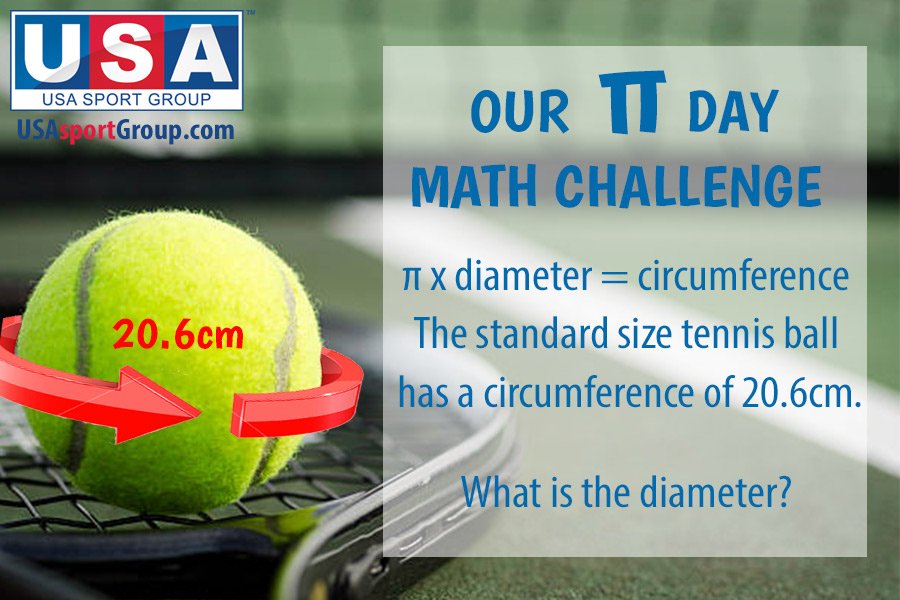
Credit: www.facebook.com
Variations In Diameter
The diameter of a tennis ball can vary slightly. Though it seems constant, factors can cause changes in size. These variations affect the game and player performance. Understanding these differences helps in choosing the right tennis ball.
Factors Causing Differences
Several factors influence the diameter of a tennis ball. Manufacturing processes differ among brands. Each uses its unique methods, leading to minor size variations. Materials also play a role. Some balls are made with thicker rubber or felt. These materials affect the ball’s circumference. Weather conditions can alter the size as well. High humidity makes the ball expand slightly. Conversely, cold temperatures may shrink it.
Effect Of Wear And Tear
Wear and tear impact the diameter significantly. Regular play causes the felt to wear down. This reduces the ball’s size over time. Bouncing on hard surfaces compresses the material. It might change the ball’s shape and diameter. Dirt and debris can accumulate. This adds weight and affects measurements too. Frequent use leads to small dents and deformities. These factors collectively alter the diameter noticeably.
Choosing The Right Tennis Ball
Understanding the diameter of a tennis ball is essential for players. Typically, it measures about 2. 57 to 2. 70 inches. Choosing the right size ensures better control and performance on the court.
Choosing the right tennis ball can significantly impact your game. Whether you’re a beginner or an advanced player, the type of ball you choose can affect your play style and performance. It’s more than just picking a ball off the shelf; it’s about understanding what suits your needs and level.Considerations For Players
When selecting a tennis ball, think about your playing surface. Are you playing on clay, grass, or hard courts? Each surface interacts differently with the ball, altering its bounce and speed. Your playing style also matters. Do you prefer a slower game with more spin or a fast-paced match? Different balls cater to varying styles, offering more control or speed. Lastly, consider the ball’s durability. If you’re practicing frequently, you’ll want a ball that maintains its bounce and feel over multiple games.Recommendations For Different Levels
For beginners, it’s best to start with pressureless balls. They are durable and provide a consistent bounce, helping you focus on improving your skills rather than worrying about ball performance. Intermediate players might benefit from regular duty balls. These are softer and provide good control, making them perfect for developing players honing their technique. Advanced players often choose extra duty balls. Designed for high-speed and long rallies, they deliver exceptional performance on hard surfaces, suitable for competitive matches. Choosing the right tennis ball can elevate your game. What type of player are you, and are you using the ball that complements your skills?Faqs On Tennis Ball Diameter
Understanding the diameter of a tennis ball is important for players and enthusiasts. Typically, tennis balls have a diameter of about 2. 57 to 2. 70 inches. This measurement ensures consistency in bounce and play across different courts.
FAQs on Tennis Ball Diameter Understanding the diameter of a tennis ball is crucial for players and enthusiasts. The right size ensures the ball performs optimally, impacting the game’s flow. Let’s dive into common questions about tennis ball diameter.What Is The Standard Diameter Of A Tennis Ball?
The standard diameter is approximately 2.57 inches. This size is regulated by tennis organizations worldwide.Why Is The Diameter Important?
The diameter affects the ball’s bounce and speed. A consistent size ensures fair play across matches.How Is The Diameter Measured?
The diameter is measured using a precise ruler or caliper. Accuracy is key for compliance with regulations.Does The Diameter Vary Between Brands?
Most brands adhere to the standard size. Minor variations can occur, but these are usually insignificant.Can The Diameter Affect Performance?
Yes, even slight differences can impact how the ball behaves on court. Players may notice changes in bounce and spin.Are There Different Diameters For Junior Tennis?
Junior tennis balls often have a slightly smaller diameter. This helps younger players handle the ball more easily.How Often Should You Check A Ball’s Diameter?
Regular checks ensure the ball remains within standard size. This is important for competitive play.Where Can You Find Diameter Information?
Ball packaging usually includes diameter details. Manufacturers also provide specifications on their websites.
Credit: www.instagram.com
Frequently Asked Questions
What Is The Diameter Of A Standard Tennis Ball?
A standard tennis ball has a diameter of 2. 57 to 2. 70 inches (6. 54 to 6. 86 cm). Tennis balls must meet official size regulations to ensure consistent performance in matches and training.
Is A Tennis Ball 2 Inches?
No, a standard tennis ball is not 2 inches. It typically measures between 2. 57 and 2. 70 inches in diameter. Tennis balls are designed to meet specific size and weight regulations for play. Always check official specifications for accuracy.
What Is The Radius Of A Tennis Ball In Inches?
A standard tennis ball has a radius of approximately 1. 32 inches. Tennis balls are regulated by the International Tennis Federation, ensuring consistency in size for professional play. They must meet specific criteria to maintain fair competition and optimal performance on the court.
What Is The Size And Weight Of A Tennis Ball?
A tennis ball has a diameter of 2. 57 to 2. 70 inches. It weighs between 1. 975 and 2. 095 ounces.
Conclusion
Understanding the diameter of a tennis ball helps players choose wisely. It affects how the ball moves and feels on the court. Most tennis balls have a diameter of about 6. 54 to 6. 86 cm. Knowing this can improve your game and equipment choices.
Next time you pick a ball, check its size. This simple detail might boost your playing experience. Whether you play for fun or competition, the right ball matters. Keep this in mind and enjoy your tennis game more. Small details often make a big difference.