
Have you ever wondered how businesses decide on their production levels or pricing in the short term? The concept of short run equilibrium plays a crucial role in this decision-making process.
Imagine you’re a business owner trying to determine how many products to produce without knowing how your competitors will react or how consumer demand might shift. Understanding short run equilibrium can give you the insights needed to make informed decisions that maximize your profits while minimizing risks.
You’ll uncover the mysteries behind short run equilibrium and learn how it impacts both businesses and markets. By grasping this essential economic concept, you’ll be better equipped to predict market behavior and make strategic choices that can lead to success. Let’s dive into the world of short run equilibrium and see how it can transform your approach to business dynamics.
Short Run Equilibrium Basics
The concept of short run equilibrium is fundamental in economics. It helps us understand how markets operate over brief periods. In the short run, certain factors remain fixed. Businesses adjust to immediate changes in demand and supply. This equilibrium occurs when the quantity supplied equals the quantity demanded at current prices. Understanding these basics lays the foundation for deeper economic insights.
Understanding Fixed Factors
In the short run, some factors remain unchanged. These include capital and technology. Businesses cannot immediately change these elements. Short run decisions often focus on variable factors like labor. Firms adjust production to meet current demand.
Role Of Price In Equilibrium
Price plays a crucial role in achieving equilibrium. It signals the balance between supply and demand. In the short run, prices might not adjust fully. Some firms may experience excess supply or demand. This can lead to temporary market imbalances.
Adjustments In Production
Firms make production decisions based on expected demand. They cannot quickly alter production capacity. Short run equilibrium involves adjusting output levels. Businesses try to meet demand without changing fixed assets.
Impact On Market Stability
Short run equilibrium affects market stability. It influences how firms react to changes. Temporary shifts can occur due to external factors. These include changes in consumer preferences or economic conditions. Understanding these impacts helps businesses plan effectively.
Short Run Vs. Long Run
The short run contrasts with long-term planning. Long run equilibrium considers all factors variable. In the short run, firms focus on immediate adjustments. They aim to balance supply and demand swiftly. This requires quick decision-making based on current market data.
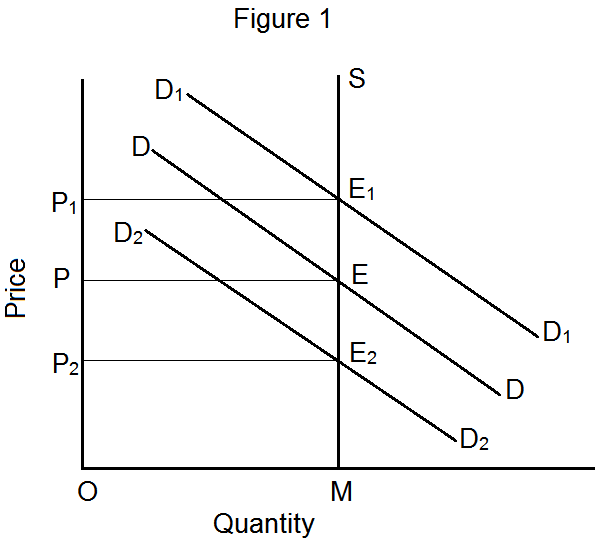
Credit: owlcation.com
Market Dynamics
Understanding market dynamics is crucial for grasping the concept of short-run equilibrium. This equilibrium occurs when a market temporarily balances supply and demand, allowing us to see the immediate effects of changes in consumer preferences, production costs, and external factors. But what does this mean for businesses, and how can you anticipate shifts in this dynamic environment?
Supply And Demand Balance
In the short-run, supply and demand are like two dancers trying to find their rhythm. As a business owner, you need to keep an eye on consumer demand. Are your customers suddenly craving more of your product? A swift response in production can meet these changes, but remember, resources might be limited. Can you quickly adapt to new trends without overextending?
Consider a local bakery: if everyone suddenly wants gluten-free pastries, how fast can they adjust their supply to meet this demand? Keeping a close watch on demand trends can prevent missed opportunities and potential losses.
Price Flexibility
In a short-run equilibrium, price flexibility becomes a powerful tool. Businesses have the ability to adjust prices to influence demand and react to supply constraints. If supply is tight, can you increase your prices without losing customers? Or if demand falls, how quickly can you offer discounts to boost sales?
Imagine you’re selling seasonal clothing. As winter approaches, you notice a surge in demand for warm jackets. Adjusting prices to match this demand can maximize profits. But, are your customers ready to pay more, or should you focus on competitive pricing to capture a larger market share?
Engaging with these market dynamics requires a balance between proactive strategies and reactive measures. How well can you predict consumer behavior, and what tools will you use to ensure your business thrives in this ever-shifting landscape?
Production Costs
Understanding production costs is crucial in short run equilibrium. Businesses need to manage these costs to remain competitive. Production costs can be divided into fixed and variable categories. Both play a vital role in determining output levels.
Fixed Vs Variable Costs
Fixed costs remain constant regardless of output levels. They include rent, salaries, and insurance. These costs do not change with production volume. Variable costs, on the other hand, vary with output. They include raw materials, labor, and utilities. Higher production means higher variable costs.
Businesses must balance these costs to maintain profitability. Identifying which costs are fixed or variable helps in planning. Effective management of these costs can lead to better financial health.
Impact On Output
Production costs directly affect a firm’s output. High variable costs may reduce production levels. Firms may cut back if costs rise too much. This can limit growth and market share.
On the other hand, managing costs effectively can boost output. Lower production costs can lead to increased competitiveness. This allows firms to produce more and meet market demand.
Firms need to monitor production costs closely. This ensures they stay aligned with their production goals.
Consumer Behavior
Understanding consumer behavior is crucial when discussing short run equilibrium. It’s like piecing together a puzzle where each consumer choice affects the overall market dynamics. As consumers navigate their daily decisions, they inadvertently influence how businesses and markets respond in the short term. Ever wondered why a product suddenly becomes popular or why its demand drops? It’s all about the choices you and others make based on preferences and income.
Preference Changes
Imagine waking up one day with a newfound love for smoothies instead of coffee. Your shift in preference can alter the market demand for these products. When many consumers make similar choices, businesses notice and adjust production accordingly. It’s fascinating how your taste can dictate market trends. Have you ever considered how your favorite brand adapts to these shifts to keep you hooked?
Income Effects
Your spending power can create ripples in the market. A sudden bonus or unexpected expense can change how you allocate your budget. This shift influences the demand for luxury versus necessity goods. It’s not just you; when a large group experiences income changes, markets react swiftly. How often do you see new deals pop up during economic shifts, trying to catch your attention?
Business Responses
Short run equilibrium occurs when a business’s supply and demand meet temporarily. Prices and outputs stabilize briefly without long-term changes. This balance helps firms make quick decisions.
In the dynamic world of business, short run equilibrium plays a pivotal role. Companies must swiftly respond to market conditions to maintain stability. This adaptability ensures they remain competitive and profitable. Understanding business responses in this context is vital.Pricing Strategies
Companies adjust prices based on current market demands. Flexibility is key. They might offer discounts or promotions to attract customers. Price adjustments can also match competitors’ offers. Strategic pricing enhances customer loyalty and increases sales.Adaptation To Market Changes
Businesses must be agile in the face of change. They often revise product lines or services to meet shifting preferences. Quick adaptation is necessary to stay relevant. Companies invest in research to anticipate trends. Staying informed helps them pivot effectively. These responses help businesses achieve short run equilibrium. Proper strategies ensure continued success.
Credit: www.youtube.com
External Influences
Short run equilibrium occurs when supply and demand meet temporarily. Prices may change due to external influences like market trends or policy changes. These factors can shift equilibrium quickly.
Understanding external influences on short run equilibrium is essential for anyone navigating the ever-changing landscape of economics. These influences can alter the balance between supply and demand, affecting everything from pricing to production. It’s not just about numbers; it’s about understanding how external factors can shape the decisions made by businesses and governments alike.Government Policies
Government policies play a crucial role in determining short run equilibrium. Consider tax changes—when governments adjust tax rates, it can immediately impact consumer spending and business investments. A decrease in taxes often boosts spending and investment, pushing demand upward and shifting the equilibrium. Regulations can also have immediate effects. For instance, stricter environmental laws might increase production costs, affecting supply and prices. Have you ever wondered how a sudden policy change could affect your local economy or business?Economic Shocks
Economic shocks are unexpected events that can disrupt short run equilibrium. These can be natural disasters, financial crises, or even sudden political changes. Take, for example, the 2008 financial crisis, which caused a global economic downturn, affecting demand and supply chains worldwide. Such shocks can lead to rapid shifts in equilibrium, forcing businesses to adapt quickly. It’s interesting to think about how prepared we are for these unforeseen events. How would your business or household react to a sudden economic shock? By understanding how government policies and economic shocks affect short run equilibrium, you can better anticipate changes and make informed decisions. Whether you’re a business owner or a consumer, staying informed can help you navigate these external influences more effectively.Short Run Vs Long Run
Short run equilibrium occurs when supply and demand in a market balance temporarily. Prices may stabilize, but not all resources are fully utilized. This balance is usually disrupted by changes in external factors.
Understanding the concept of equilibrium in economics can be quite intriguing. The terms “short run” and “long run” often come up in discussions about market dynamics and resource allocation. But what do they really mean? The short run refers to a period in which at least one factor of production is fixed, while the long run is a timeframe where all factors of production can be varied. How do these differences affect equilibrium? Let’s dive into the specifics.Timeframe Differences
The short run is characterized by a limited timeframe where certain inputs, like capital or land, cannot be easily adjusted. This is the period when you’re stuck with what you’ve got. Imagine you’re running a bakery and you can’t immediately buy a larger oven. You’re working with your current setup. In contrast, the long run provides the flexibility to change all inputs. Over time, you can expand your bakery, buy that larger oven, or even open a new branch. This adaptability allows businesses to respond to market conditions more effectively.Adjustments In Resources
In the short run, firms face constraints due to fixed resources. You might have skilled labor but not enough machinery to maximize productivity. This limitation often leads to inefficiencies or increased costs. However, the long run offers the chance to optimize all resources. You can invest in new technology, hire more workers, or relocate to a bigger space. These adjustments can lead to better economies of scale and improved competitiveness. Consider your own business or personal projects. How would your strategy change if you had more time to make adjustments? Understanding these dynamics can help you plan more effectively and make informed decisions.
Credit: quizlet.com
Frequently Asked Questions
What Does Short-run Equilibrium Mean?
Short-run equilibrium occurs when supply equals demand in a market temporarily. Firms adjust production without changing capacity. Prices may vary, but resources remain fixed. It reflects immediate market conditions, not long-term trends. Understanding short-run equilibrium helps businesses make swift decisions in dynamic markets.
How To Determine Short-run Or Long-run Equilibrium?
Determine short-run equilibrium by analyzing immediate supply and demand conditions. Assess long-run equilibrium by evaluating resource flexibility and market adjustments over time. Check if all inputs can change in long-run scenarios. Compare current market conditions with theoretical models to identify equilibrium status.
What Is Short-run Equilibrium But Not Long-run Equilibrium?
Short-run equilibrium occurs when supply equals demand temporarily. It’s not sustainable long-term due to changing factors. Long-run equilibrium considers adjustments like resource allocation and technology, ensuring stability.
What Is The Long-run Equilibrium In Simple Terms?
The long-run equilibrium occurs when supply equals demand, and firms earn normal profit. In this state, no economic incentives exist to enter or exit the market. Prices and output stabilize, ensuring optimal resource allocation and efficiency.
Conclusion
Understanding short run equilibrium helps in grasping economic concepts better. It focuses on immediate factors affecting supply and demand. Businesses adjust prices to meet market conditions. Consumers react quickly to price changes. Short run equilibrium is dynamic and changes often.
Knowing this helps you make informed financial decisions. It affects everything from pricing to production levels. Apply this knowledge in real-world scenarios. It offers a clearer view of economic activities. Keep learning about market dynamics for better insight. Economies thrive when short run equilibrium is achieved.
Stay informed for smarter choices.