
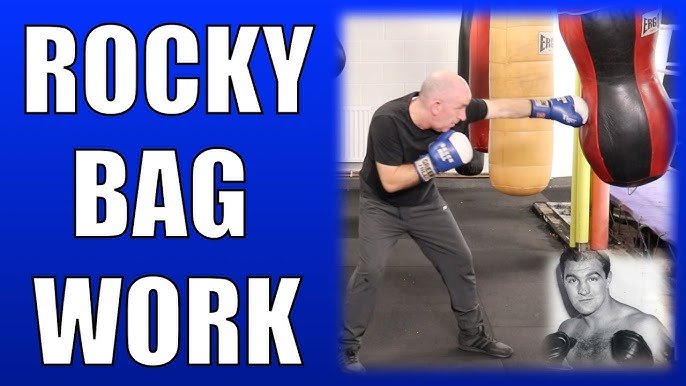
Are you ready to unleash your inner fighter and boost your fitness level? Learning how to punch on a punching bag is not only a fantastic way to relieve stress, but it’s also a powerful workout that enhances strength, coordination, and endurance.
Imagine the satisfaction of each well-placed punch, the exhilarating rhythm of your movements, and the confidence that comes with mastering this skill. Whether you’re a beginner looking to get started or someone seeking to refine your technique, this guide is tailored just for you.
Dive into the world of punching bags and discover the secrets that will transform your workouts and elevate your skills. Keep reading, and you might just find the unexpected edge you’ve been searching for.
Choosing The Right Punching Bag
The journey to mastering the art of punching starts with choosing the right punching bag. A well-selected punching bag can be your best sparring partner, helping you improve your technique, power, and endurance. But with so many options available, how do you make the right choice? Let’s dive into the details.
Types Of Punching Bags
Punching bags come in various types, each serving a unique purpose. The most common types are heavy bags, speed bags, and free-standing bags. Heavy bags are perfect for strength training and honing your power punches. They are typically filled with sand or fabric and provide resistance, making them ideal for building muscle.
Speed bags are smaller and lighter, hanging from a platform. They help improve your hand-eye coordination, rhythm, and speed. If you’re looking to enhance your agility, these are your go-to option.
Free-standing bags offer convenience and flexibility. They’re easy to move around and can be used in smaller spaces. These bags are great for both beginners and advanced users who need versatility in their training.
Selecting The Ideal Weight
Choosing the right weight for your punching bag is crucial. It affects the quality of your workout and your overall training experience. A bag that’s too light might swing excessively, making it difficult to land consistent punches. On the other hand, a bag that’s too heavy can be challenging to move and might not offer the feedback you need.
Generally, a good rule of thumb is to select a bag that’s about half your body weight. This ensures stability and resistance without compromising on movement. If you’re just starting, you might want to go slightly lighter to ease into your training.
Ask yourself: What are your training goals? Are you focusing on power, speed, or endurance? Your answers will guide you in making the right choice. The perfect punching bag is not just about weight; it’s about how it complements your training style.
Essential Gear For Punching
Punching a bag can be one of the most exhilarating ways to boost your fitness. However, before you start swinging, ensuring you have the right gear is crucial for both performance and safety. The right equipment not only protects you but also enhances your punching power and technique.
Gloves And Hand Wraps
Choosing the right gloves is essential. They should fit snugly without being too tight, allowing your fingers to move comfortably. Many beginners make the mistake of selecting gloves based on aesthetics rather than functionality.
Hand wraps are equally important. They provide added support to your wrists and knuckles, minimizing the risk of injury. Imagine throwing a punch with confidence, knowing your hands are well protected. That’s the power of a good pair of wraps.
Have you ever noticed how professional boxers meticulously wrap their hands before training? It’s a ritual that ensures durability and protection, allowing you to punch harder and longer.
Proper Footwear
While the focus might be on your hands, your feet play a pivotal role in punching. Good footwork is the foundation of a powerful punch. Wearing the right footwear ensures stability and grip, preventing slips.
Look for shoes that offer support and cushioning. They should allow for quick movements and pivots without feeling cumbersome. Have you ever tried punching without proper footing? It’s like trying to shoot an arrow without a bow.
Don’t underestimate the power of good shoes. They can transform your punching experience, making every strike feel more controlled and precise. Plus, they add an extra layer of safety against potential injuries.
Stance And Positioning
Understanding the proper stance and positioning when punching a bag is crucial for maximizing your workout and minimizing the risk of injury. A strong stance provides the foundation for powerful punches and helps you maintain control. As you progress, a solid stance will become second nature, enhancing your overall boxing technique and confidence.
Finding Your Balance
Balance is the key to an effective punch. Without it, you may find yourself off-center, reducing your power and precision. Imagine standing on a surfboard; you need to distribute your weight evenly to prevent tipping over.
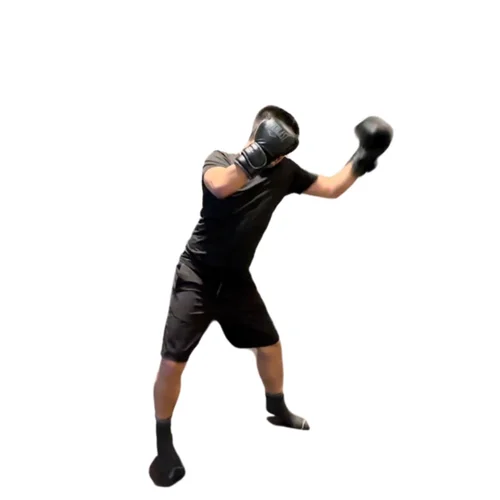
Start by standing with your feet shoulder-width apart. This provides a stable base. Slightly bend your knees, keeping them soft yet firm. It’s like preparing to spring into action at any moment.
Shift your weight slightly to the balls of your feet. This keeps you light and ready to move. Remember, a balanced stance allows for quick footwork and prevents unnecessary strain on your joints.
Foot Placement
Your foot placement is as crucial as your balance. The position of your feet can significantly affect your punch’s effectiveness. Think of your feet as the foundation of a building; they need to be stable and correctly aligned.
Place your dominant foot slightly behind the other, forming a diagonal stance. This creates a natural angle for your punches, increasing reach and strength. If you’re right-handed, your right foot should be back, and vice versa.
Keep your feet pointing towards the bag. This alignment ensures that your body is oriented correctly, allowing for maximum force in your punches. Avoid crossing your feet; it can compromise your balance and mobility.
Are you ready to feel the difference in your punches with a strong stance and perfect foot placement? Share your experience in the comments below!

Credit: www.instagram.com
Basic Punching Techniques
Learning the basic punching techniques is essential for anyone stepping up to a punching bag. It’s not just about throwing your fists but doing so with precision and control. Whether you’re boxing for fitness or honing your combat skills, understanding these techniques will elevate your game and keep you injury-free.
Jab Technique
The jab is one of the most fundamental punches in boxing. It’s quick, effective, and sets the stage for other punches. Stand with your feet shoulder-width apart and your dominant foot slightly behind. Keep your fists up near your face, elbows in.
Extend your lead hand straight out, twisting your wrist so your palm faces down upon impact. Snap it back quickly to guard your face. The power of a jab comes from speed, not force. Focus on making it sharp and precise.
Practicing jabs regularly can greatly improve your hand-eye coordination. Next time you’re on the bag, try setting a timer for one minute and throw jabs continuously. Notice how your form and speed improve with each session.
Cross Technique
The cross is a powerful punch thrown with your rear hand. It usually follows a jab and can deliver significant impact. Begin in your boxing stance with your rear hand by your chin.
Pivot your rear foot and rotate your hips as you extend your rear hand straight towards the bag. Aim to punch through the target, not just at it. Ensure your shoulder follows through to add power and protect your chin.
Balance is crucial; avoid leaning forward too much. A well-executed cross can be game-changing in any sparring or workout session. Practice alternating jabs and crosses to build a rhythm and test your endurance.
As you practice these techniques, ask yourself: How can I refine my form even further? Each punch is an opportunity to learn and grow in your boxing journey.
Advanced Punching Techniques
Refine your skills with advanced punching techniques on a punching bag. Focus on speed, accuracy, and power. Practice regularly to enhance your form and strength.
Mastering the basics of punching is crucial, but advancing your skills can make a significant difference in your performance. Advanced punching techniques not only increase your power but also improve your agility and efficiency. With enhanced skills, you can make each punch count and keep your opponent on their toes. Ready to level up your punching game?Hooks And Uppercuts
Hooks and uppercuts are powerful punches that can catch your opponent off guard. A hook involves swinging your arm in a horizontal arc, aiming to strike the side of your target. Ensure your elbow is bent, and rotate your hip for extra power. Uppercuts are upward punches aimed at the opponent’s chin or body. To execute an effective uppercut, drop your shoulder and bend your knees slightly. As you punch, use your legs to drive the force upward. Remember to keep your arm close to your body to maximize impact.Combining Punches
Combining punches can confuse your opponent and increase your chances of landing a hit. Practice throwing a jab followed by a hook to keep your opponent guessing. A common combination is the jab-cross-hook, which utilizes speed and power. Experiment with different combinations to find what works best for you. Consider how a sequence of punches can be used strategically. Have you tried mixing a jab with an uppercut? This could be the key to creating openings in your opponent’s defense. Consistency and practice are essential to mastering these techniques. Challenge yourself to refine these punches and combinations each time you hit the bag. Are you ready to transform your punching skills and leave a lasting impact?Power And Precision
When it comes to punching a bag, two essential elements can elevate your game: power and precision. Power ensures your punches pack a punch, while precision helps you target effectively. Combining these aspects transforms your workout from a simple exercise to a compelling martial arts practice. Let’s dive into how you can master power and precision in your punching technique.
Generating Force
Generating force begins at your feet. Think of your body as a coil, unwinding with each punch. Twist your hips and shoulders, driving power from your legs to your fist.
Consider the difference between a jab and a cross. A jab uses quick, explosive force, while a cross utilizes the full rotation of your body. Practice both to find your rhythm and build strength.
Have you ever noticed how a well-timed punch feels effortless? That’s your body’s kinetic chain in action. Make sure each part works in sync for maximum impact.
Target Accuracy
Accuracy is as crucial as force. Without it, your powerful punch might miss its mark. Start by focusing on a specific point on the bag.
Imagine the bag divided into zones. Aim for the center or just below to simulate hitting an opponent’s torso. This helps refine your aim and concentration.
What happens when your eyes follow your fist? You enhance your focus, leading to better precision. Train your eyes to guide your punch for pinpoint accuracy.
Combining power with precision turns a simple punch into a strategic strike. Are you ready to elevate your punching game? Try these techniques on your next workout and feel the difference!
Breathing And Rhythm
Mastering the art of punching a bag involves more than strength. Breathing and rhythm play a crucial role in enhancing your performance. Proper breath control improves stamina, while maintaining a steady pace ensures effective training. Let’s delve deeper into these aspects.
Breath Control
Breathing deeply keeps your energy levels high. Inhale through the nose before each punch. Exhale sharply through the mouth as you punch. This technique boosts power and focus. Avoid holding your breath. It leads to fatigue and dizziness. Consistent breathing maintains your rhythm.
Maintaining A Steady Pace
A steady pace enhances endurance and technique. Start slow to find your rhythm. Gradually increase speed as you gain confidence. Use a metronome for timing. This helps in keeping a consistent pace. Maintain regular intervals between punches. Avoid rushing or slowing down too much. Balance is key for effective training.
Credit: www.yourhousefitness.com
Safety Tips And Injury Prevention
Punching a bag can be a fantastic way to improve your fitness and release stress. But without proper precautions, it can also lead to injuries. Prioritizing safety ensures you can enjoy the benefits of boxing without setbacks.
Protecting Your Wrists
Your wrists are crucial when punching a bag, so it’s vital to protect them. Always wrap your hands with boxing wraps before putting on gloves. This provides added support and reduces the risk of sprains.
Consider investing in gloves that provide excellent wrist support. A snug fit is essential. Loose gloves can cause your wrist to bend awkwardly, increasing the risk of injury.
Have you ever felt a sharp pain after a punch? This might be due to your wrist alignment. Keep your wrist straight and aligned with your forearm to avoid unnecessary strain.
Avoiding Common Mistakes
One common mistake is hitting the bag with too much force, especially if you’re just starting. Focus on technique rather than power. Proper form will naturally lead to more powerful punches.
Overtraining is another pitfall. It’s tempting to go all out every session, but your body needs time to recover. Listen to your body and rest when needed.
Have you ever thought about your stance? A poor stance can lead to imbalance and injury. Keep your feet shoulder-width apart with your knees slightly bent for stability.
Are you warming up before diving into a session? A good warm-up prepares your muscles and reduces the risk of strains. Incorporate dynamic stretches to increase flexibility.
By paying attention to these details, you’ll not only enhance your performance but also ensure a safer, more enjoyable workout experience.
Improving Your Technique
Improving technique on a punching bag involves focusing on precision and power. Begin with correct stance and hand positioning. Practice consistent strikes to develop rhythm and strength.
Improving Your Technique Punching bags are fantastic tools for honing your skills. The right technique makes a significant difference. It enhances your power and precision. It also reduces the risk of injury. Focusing on form and technique boosts your confidence. You’ll feel more in control during practice sessions.Drills And Exercises
Practice makes perfect. Start with basic drills. Focus on your footwork. Proper stance is crucial. It provides balance and stability. Practice moving around the bag. Incorporate short, quick steps. Keep your guard up always. This ensures you’re ready to strike. Try jab-cross combinations. Repeat them in sets. This builds rhythm and flow. Shadowboxing is also effective. Visualize an opponent. Use smooth, continuous movements. It enhances your coordination and timing.Monitoring Progress
Track your improvements. Keep a journal. Note your strengths and weaknesses. Record each training session. Write down your goals. Set realistic milestones. Regularly review your progress. This helps you stay motivated. Use video recordings. Record your sessions. Analyze your technique. Look for areas to improve. Study your movements carefully. Ask for feedback from peers or trainers. They offer valuable insights. Adjust your training accordingly.
Credit: www.youtube.com
Frequently Asked Questions
How To Correctly Punch A Punching Bag?
Stand with feet shoulder-width apart. Keep hands in fists, elbows close to the body. Punch using your whole arm, rotating your hips and shoulders for power. Aim at eye level and follow through to avoid injury. Practice regularly for improved technique and strength.
Should I Get A 70 Lb Or 100 Lb Punching Bag?
Choose a 70 lb punching bag for beginners or lighter training. Opt for a 100 lb bag if you need more resistance and stability, especially for powerful punches. Consider your weight, strength, and training goals to decide the best option.
Is There A Trick To The Punching Bag Game?
Yes, there’s a trick to the punching bag game. Focus on timing and precision for higher scores. Use controlled, quick punches instead of hard hits. Practice consistently to improve coordination and speed. Keep your eyes on the target, and maintain steady footwork to enhance performance.
Is It Okay To Punch A Punching Bag With Bare Hands?
Punching a bag with bare hands is possible but risky. Hand injuries can occur without proper protection. Use boxing gloves or wraps to safeguard your hands. Proper technique is essential to prevent harm and enhance training effectiveness. Prioritize safety for a better workout experience.
Conclusion
Punching a bag builds strength and improves technique. Practice makes progress. Try different punches to find what works best. Focus on your stance. Keep your hands up and protect your face. Relax your shoulders and breathe. Consistency is key. Punch regularly to see improvement.
Adjust your speed and power gradually. Listen to your body and avoid overtraining. Stay hydrated and rest. Safety first, always wear gloves. Enjoy the journey and have fun. Each punch brings you closer to your goal. Keep punching and stay dedicated.
You’ll feel stronger and more confident with every session.