
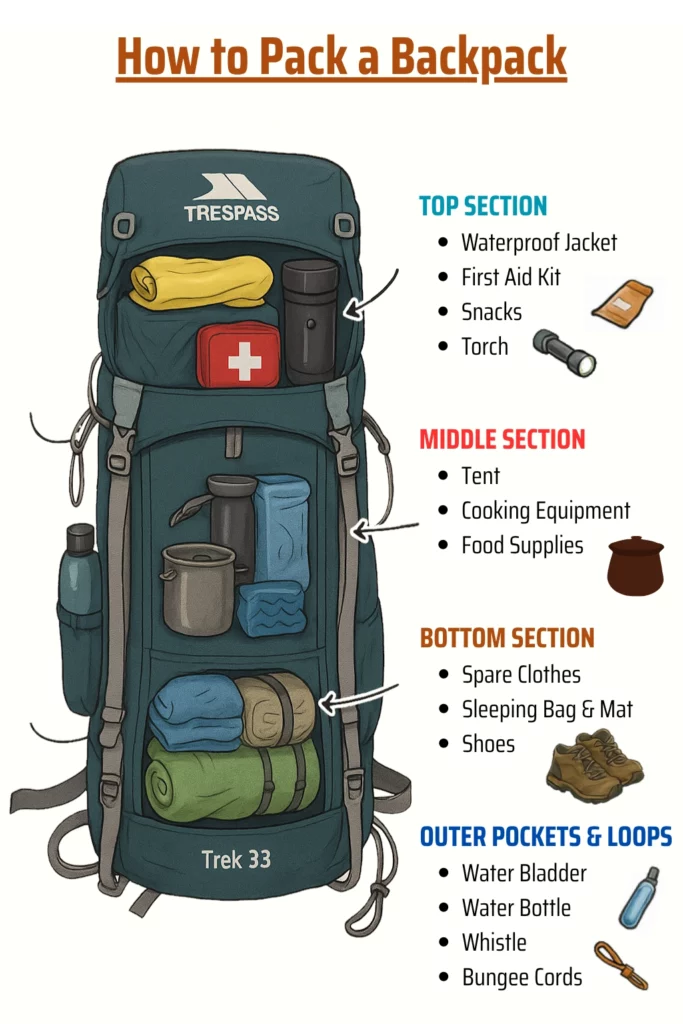
Are you looking for effective ways to connect your sleeping bag to your backpack? You’re not alone! Many outdoor enthusiasts face the challenge of packing their gear efficiently. The good news is that there are several methods to securely attach your sleeping bag, freeing up space in your backpack and making your hiking experience more enjoyable.
In this guide, we will explore expert tips on how to connect a sleeping bag to a backpack, ensuring your gear is organized and balanced. Whether you’re using sleeping bag straps or a specialized backpack, these techniques will help you optimize your packing strategy for your next adventure.
Choosing the Right Backpack
To connect your sleeping bag to your backpack effectively, selecting the right backpack is essential. Look for features that accommodate your sleeping bag while ensuring comfort during your hike.
Size Considerations
Choose a backpack that comfortably fits your sleeping bag along with other essentials. A backpack between 50 to 70 liters is typically ideal for hiking, providing ample space without being overly cumbersome. Ensure that your sleeping bag can be compressed adequately to fit.
Weight Distribution Features
Proper weight distribution is crucial for preventing fatigue. Opt for backpacks with adjustable straps and padded hip belts, which help distribute weight evenly. Load-lifter straps can also enhance balance by adjusting the angle of the backpack, keeping the load close to your body.
How to Secure Your Sleeping Bag
Once you have the right backpack, it’s time to learn how to connect your Sleeping Bag securely. Here are some effective methods:
Using Sleeping Bag Straps
Many backpacks come with built-in straps designed for attaching sleeping bags. Simply roll your sleeping bag tightly, secure it with straps, and attach it to the top or bottom of your backpack. This method keeps your sleeping bag accessible and helps maintain balance.
Compression Sacks
A sleeping bag compression sack is a fantastic tool for reducing the size of your sleeping bag. Once compressed, you can attach the sack to your backpack using straps or bungee cords. This method not only saves space but also keeps your sleeping bag protected from the elements.
Utilizing External Loops
Many backpacks feature external loops or daisy chains. You can use these to attach your sleeping bag directly. Ensure that the bag is secured tightly to prevent it from shifting during your hike.
Best Practices for Attaching Your Sleeping Bag
To ensure that your sleeping bag stays secure while you hike, consider the following tips:
Balance Your Load
When attaching your Sleeping Bag, aim for a balanced load. Place heavier items closer to your back and lighter items further away. This positioning helps maintain stability and reduces strain on your body.
Check for Security
Before heading out, double-check that your sleeping bag is securely attached. A loose sleeping bag can become a nuisance during your hike, so ensure all straps are tightened and that the bag is not at risk of falling off. According to Mayo Clinic fitness guide, this is important for athletes.
Adjust as Needed
During your hike, be mindful of how your gear feels. If you notice any shifting or discomfort, take a moment to readjust the sleeping bag. Regularly checking your gear can prevent issues down the trail.
Frequently Asked Questions
How do you attach a sleeping bag to a backpack?
To attach a sleeping bag to a backpack, use straps or bungee cords. Roll the sleeping bag tightly, secure it, and attach it to the top or bottom of your backpack.
What is the best way to connect a sleeping bag to a backpack?
The best way is to use sleeping bag straps or compression sacks. Ensure the bag is tightly secured and balanced on your backpack for optimal comfort.
Can you connect a sleeping bag to any backpack?
Most backpacks can accommodate a Sleeping Bag, especially those with external loops or straps. However, ensure your backpack has enough capacity and features for secure attachment.
How to keep a sleeping bag secure on a backpack?
To keep a sleeping bag secure, use compression sacks or straps, and regularly check that it’s tightly attached. Balance the load to enhance stability.
What straps are best for connecting a sleeping bag to a backpack?
Sleeping bag straps or bungee cords are ideal for connecting a sleeping bag to a backpack. They provide flexibility and security, ensuring your gear stays in place.
Can I use a compression sack for my sleeping bag?
Yes, a compression sack is highly recommended as it reduces the volume of your sleeping bag, making it easier to attach to your backpack while saving space.
What should I consider when choosing a sleeping bag for backpacking?
When choosing a sleeping bag for backpacking, consider factors like weight, insulation type, and compressibility to ensure it meets your hiking needs.
How do I pack a sleeping bag for backpacking?
Packing a sleeping bag for backpacking involves rolling it tightly, using a compression sack if possible, and securing it to your backpack using straps or loops.
In summary, connecting your sleeping bag to your backpack doesn’t have to be a hassle. By choosing the right backpack, using effective attachment methods, and following best practices, you can ensure a smooth and enjoyable outdoor experience. For more tips on gear management, check out our articles on What Size Compression Bag for Sleeping Bag: Ultimate Guide and Can You Wash a Sleeping Bag in the Washer? Expert Tips. Happy hiking!