
Are you ready to reel in more catches? It all starts with mastering the basics, like how to tie fishing line to hook.
Imagine the thrill of feeling that first tug, knowing you’re about to land a big one. But if your knot isn’t secure, that excitement can quickly turn to frustration. You don’t want to lose the catch of the day because of a simple mistake, right? In this guide, we’ll walk you through the steps to ensure your line stays strong and reliable. By the end, you’ll be tying knots like a pro, giving you the confidence to focus on what really matters: the joy of fishing. Let’s dive in and get your line ready for action!

Credit: www.ohero.com
Choosing The Right Fishing Line
Selecting the right fishing line is crucial for successful fishing. The line you select affects your catch and overall experience. Different fishing situations require different types of lines. Each type has unique features and benefits. Consider factors like water conditions and fish species to ensure you choose a line that meets your needs.
Types Of Fishing Lines
Fishing lines come in three main types: monofilament, fluorocarbon, and braided. Monofilament lines are popular and versatile, affordable and easy to handle. Fluorocarbon lines are nearly invisible in water, making them ideal for clear water fishing. Braided lines are strong and durable, providing excellent sensitivity for detecting bites.
Strength And Durability
The strength of a fishing line is vital as it determines the size of fish you can catch. Look for lines with high pound test ratings to handle larger fish without breaking. Durability is also important; choose lines that resist abrasion and wear to prevent snapping during intense fights.
Credit: www.beadinggem.com
Essential Knots For Anglers
Knots are vital for anglers, ensuring the line stays secure to the hook. The most reliable knots for tying fishing line to hook include the improved clinch knot, Palomar knot, and the loop knot. Each knot has its unique advantages, so it’s essential to learn a few to adapt to different fishing conditions.
Step-by-Step Guide to Tie Fishing Line to Hook
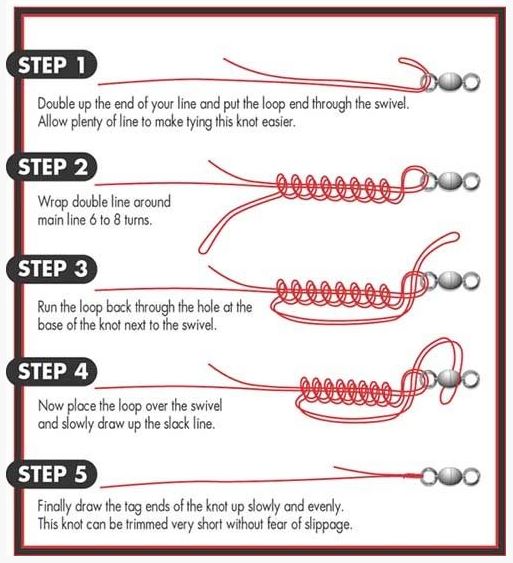
To tie fishing line to a hook, follow these steps:
- Thread the fishing line through the hook eye.
- Wrap the line around itself 5-7 times, moving from the hook eye towards the end of the line.
- Pass the tag end of the line through the loop created above the hook eye.
- Moisten the knot slightly and pull tight to secure.
- Trim any excess line for a clean finish.
Best Knots for Tying Fishing Line to Hook
Some of the best knots for tying fishing line to hook include:
- Improved Clinch Knot: Great for securing hooks with monofilament lines.
- Palomar Knot: Excellent for braided lines and provides a strong hold.
- Loop Knot: Allows for movement of the lure, ideal for certain fishing techniques.
Can You Tie Fishing Line to Hook Without a Knot?
While knots are the most reliable method for attaching fishing line to hooks, some anglers use alternative methods like crimping or using snap swivels. However, these techniques may not provide the same level of security as a well-tied knot.
Frequently Asked Questions
Q: How do you tie fishing line to a hook?
To tie fishing line to a hook, thread the line through the hook eye, wrap it around itself several times, then pass the tag end through the loop created. Pull tight to secure the knot.
Q: What is the best knot to tie fishing line to hook?
The Palomar knot and improved clinch knot are among the best for tying fishing line to hooks due to their strength and reliability.
Q: Can you tie fishing line to hook without a knot?
While it’s possible to use methods like crimping or snap swivels, tying a knot is the most secure way to attach fishing line to a hook. According to Mayo Clinic fitness guide, this is important for athletes.
Q: How do you tie a hook to a fishing line?
Tie a hook to a fishing line by threading the line through the hook eye, wrapping it around itself, and securing it with a knot for a strong connection.
Q: What is the best way to tie a fishing hook?
The best way to tie a fishing hook is by using the Palomar knot, which provides a strong hold and is easy to learn.
Q: How tight should a fishing line knot be?
A fishing line knot should be tight enough to hold securely without slipping, but not so tight that it damages the line.
Q: How often should you check your fishing line knots?
Check your fishing line knots regularly, especially after catching fish or when changing lures, to ensure they remain secure.
Q: Can you use any knot for fishing line?
While many knots can be used, it’s best to choose knots specifically designed for fishing to ensure reliability and strength.
In summary, mastering how to tie fishing line to hook is essential for any angler. By selecting the right fishing line and practicing various knots, you can enhance your fishing experience and increase your chances of landing that big catch. Remember, a secure knot is the key to successful fishing!