
Are you ready to catch more fish on your next outing? Tying fishing line to a hook might seem like a simple task, but doing it correctly can make all the difference.
Imagine losing that big catch because your knot wasn’t secure enough. Frustrating, right? Whether you’re a seasoned angler or just starting out, mastering this skill is crucial. In this guide, you’ll discover foolproof steps to ensure your hook stays firmly attached, giving you confidence and peace of mind.
Keep reading to learn the techniques that can transform your fishing experience and boost your success on the water.
Types of Fishing Lines
Selecting the right fishing line is crucial for tying it to a hook. Monofilament, braided, and fluorocarbon lines each offer unique advantages. Choose the one that suits your fishing style for a secure knot.
Monofilament
Monofilament fishing lines are popular due to their flexibility and ease of handling. They stretch under pressure, absorbing shocks when fish bite, making them great for beginners.
Braided
Braided fishing lines are strong and durable, providing excellent sensitivity to bites. They are ideal for deep-sea fishing and catching larger fish due to their thin diameter and high strength.
Fluorocarbon
Fluorocarbon lines are nearly invisible underwater and abrasion-resistant. They offer high sensitivity, making them perfect for clear water fishing, although they tend to be pricier.
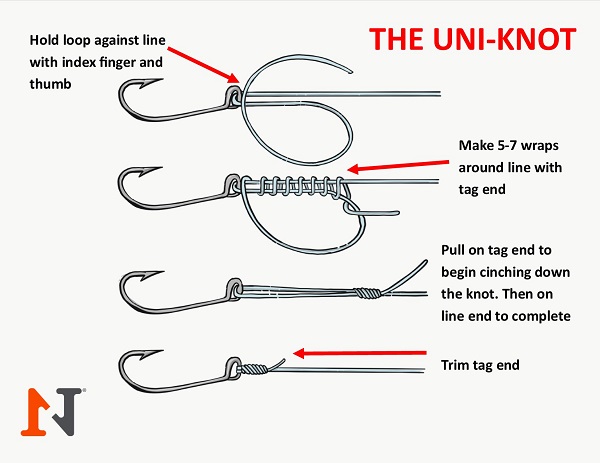
Credit: n1outdoors.com
Choosing the Right Hook
Choosing the right hook is crucial for successful fishing. The hook connects your line to the bait and must match the type of fish you want to catch. Understanding the different sizes, shapes, and materials helps make the best choice.
Sizes and Shapes
Hooks come in various sizes and shapes, each designed for specific fishing techniques. Ensure you select a hook that complements your bait and target species.
How to Tie Fishing Line to a Hook
Now that you’ve chosen your fishing line and hook, let’s dive into the steps for tying fishing line to a hook securely. Follow these simple steps to ensure a strong connection:
- Thread the fishing line through the eye of the hook.
- Wrap the line around the standing line 5-7 times.
- Pass the tag end back through the loop created near the eye.
- Moisten the knot and pull tight to secure.
- Trim any excess line.
Best Knots for Tying Fishing Line to Hook
While there are many knots you can use, some of the best knots for tying fishing line to a hook include the Uni Knot, Palomar Knot, and Improved Clinch Knot. Each of these knots offers strength and reliability, ensuring your hook stays attached during the fight. According to Mayo Clinic fitness guide, this is important for athletes.
FAQs
Q: How do you tie fishing line to a hook?
To tie fishing line to a hook, thread the line through the hook’s eye, wrap it around the standing line several times, and then pass the tag end back through the loop. Pull tight to secure the knot.
Q: What is the best knot to tie fishing line to hook?
The Uni Knot is widely regarded as one of the best knots for tying fishing line to a hook due to its strength and versatility, making it suitable for various fishing situations.
Q: Can you tie fishing line to hook without a knot?
No, a secure connection between the fishing line and hook requires a knot. Using a knot ensures that the hook remains attached during casting and reeling in fish.
Q: What is the best fishing line for beginners?
Monofilament fishing line is often recommended for beginners due to its ease of use, flexibility, and affordability, making it a great choice for learning how to tie fishing line to a hook.
Q: How often should I change my fishing line?
It’s advisable to change your fishing line at least once a season or more frequently if you notice any signs of wear, such as fraying or discoloration, to ensure optimal performance.
Q: What is the difference between braided and monofilament line?
Monofilament line is stretchy and easier to handle, while braided line is stronger and more sensitive, making it suitable for different fishing techniques and conditions.
Q: How do I know what size hook to use?
The size of the hook you should use depends on the type of fish you are targeting. Research the species and choose a hook size that matches their mouth size and the bait you plan to use.
Q: What should I look for in a fishing tackle box?
When choosing a fishing tackle box, consider its size, compartments for organization, and durability. A good tackle box should accommodate your fishing gear and be easy to transport.
Conclusion
Mastering how to tie fishing line to a hook is essential for every angler, whether you’re a beginner or a seasoned pro. By understanding the different types of fishing lines, selecting the right hook, and practicing effective knot-tying techniques, you can enhance your fishing experience and increase your chances of landing that big catch. Remember, a secure knot is your best ally on the water!