

Imagine you’re planning a fishing trip to a dream destination, and you’ve packed your gear meticulously. But then, a question pops into your mind: can you take fishing hooks on a plane?
It’s a crucial detail that could make or break your adventure. You don’t want to leave your prized tackle behind or face unexpected issues at airport security. Navigating airline regulations can be tricky, but don’t worry—we’ve got you covered. We’ll unravel the mystery and offer clear guidance on traveling with fishing hooks.
So, whether you’re a seasoned angler or a curious traveler, stick around to ensure your trip goes smoothly.
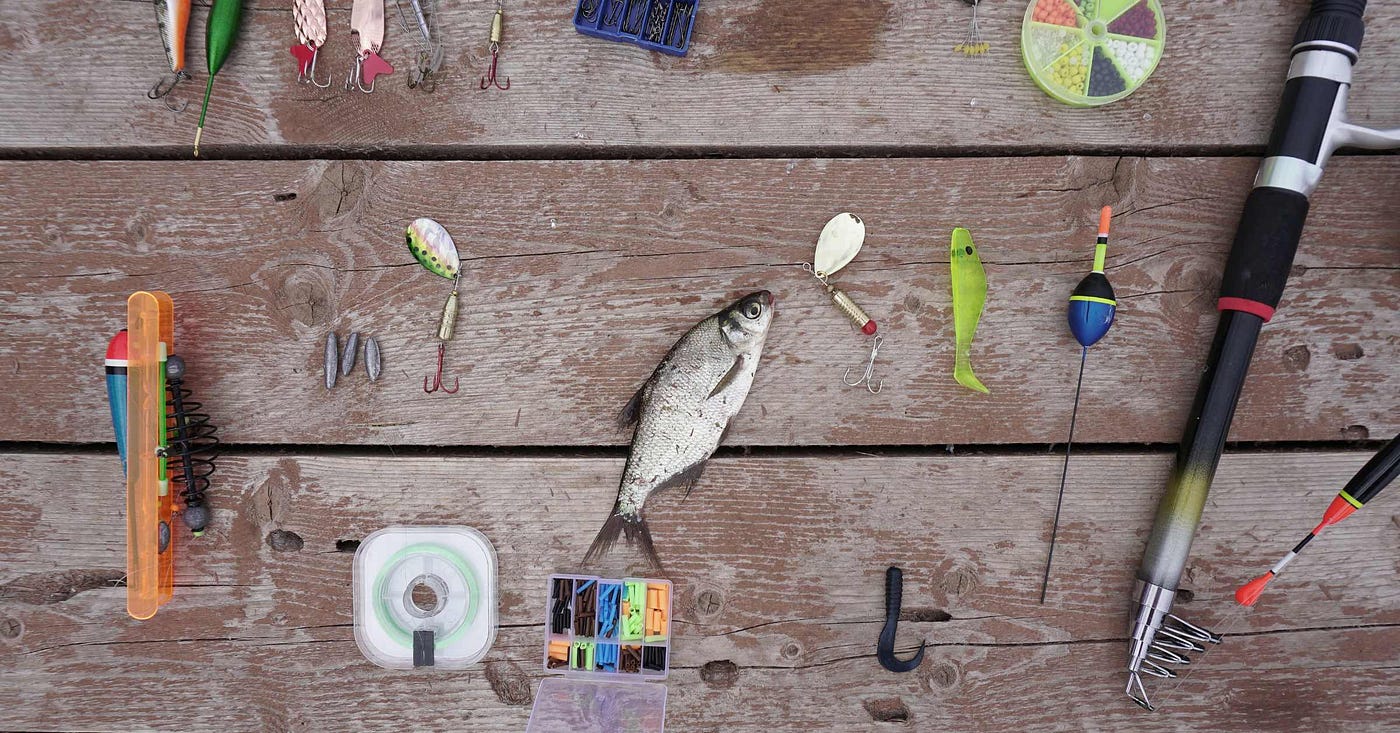
Credit: veronicahanson.medium.com
Fishing Hooks And Airline Regulations
Traveling with fishing hooks involves understanding airline rules. Small fishing hooks are usually allowed in carry-on bags. Larger or sharp hooks should be packed in checked luggage to ensure safety and compliance. Always check with your airline for specific regulations before flying.
Fishing hooks are essential for anglers, but taking them on a plane can be confusing. Different airlines have various rules about carrying fishing gear. Knowing these regulations helps avoid travel hassles. This section explores fishing hooks and airline regulations, ensuring a smooth trip.Understanding Tsa Guidelines
The TSA has specific rules for fishing hooks. Small hooks are usually allowed in carry-on bags. They should be secured and not loose. Large hooks might need to go in checked luggage. Check the TSA website for any updates before traveling.Airline-specific Rules
Airlines have their own rules about fishing gear. Some allow fishing hooks in carry-ons if they’re small. Others may require them to be in checked baggage. Always verify with your airline before packing. This ensures you follow their guidelines and avoid issues at the airport.Packing Fishing Hooks Safely
Traveling with fishing hooks requires careful packing. Secure hooks in a hard container to prevent injury. Check airline regulations to ensure compliance and safe transport on flights.
Packing fishing hooks safely for air travel can be a bit of a puzzle, but with some smart packing strategies, you can ensure your hooks make it through security without a hitch. Whether you’re heading to a fishing paradise or just want to keep your gear intact for future adventures, packing your fishing hooks properly is essential. Imagine the frustration of arriving at your destination only to find your hooks have snagged your favorite shirt or worse, tangled with more delicate items. Let’s dive into how you can avoid these travel mishaps.Choosing The Right Container
Selecting the right container for your fishing hooks can make all the difference. Opt for a sturdy, hard-shell container that can withstand the rigors of travel. A small tackle box with individual compartments is ideal, as it keeps hooks organized and prevents them from shifting around. Consider using a container that has a lock or a secure closure to prevent accidental opening. This will keep your hooks secure and reduce the chance of them snagging other items. If you’re short on space, a compact container with foam inserts can be a lifesaver. The foam holds the hooks in place, ensuring they remain secure even if your luggage gets jostled.Protecting Other Luggage
Packing fishing hooks isn’t just about securing the hooks themselves; it’s also about safeguarding the rest of your luggage. You want to avoid those sharp points causing damage to clothes or other fragile items. Use bubble wrap or soft cloth to cushion your container within your bag. This added layer provides extra protection against any jolts or bumps during transit. Consider placing your fishing hook container in a separate zippered compartment or pocket. This way, even if the hooks somehow escape their container, they won’t wreak havoc on the rest of your belongings. Have you ever thought about how your fishing hooks might affect your fellow travelers? Imagine the unpleasant surprise if a stray hook ends up in someone else’s luggage. By packing responsibly, you not only protect your gear but also contribute to a hassle-free journey for everyone.Alternatives To Carrying Hooks
Traveling with fishing hooks can be tricky. Airport security rules are strict. But there are ways around it. You can explore alternatives to carrying hooks. These methods help you enjoy fishing without hassle.
Renting Equipment At Destination
Many fishing spots offer rental services. You can rent rods, reels, and hooks. This option saves space in your luggage. It also reduces the risk of losing your gear. Rental shops usually have well-maintained equipment. They also provide local advice on fishing spots. Renting is convenient and often affordable.
Shipping Hooks In Advance
Shipping your hooks ahead is another option. Use a reliable courier service. Send the package to your hotel or a friend’s address. This ensures your hooks are ready upon arrival. It also avoids airport security issues. Pack your hooks securely to prevent damage.
Shipping costs vary by location and weight. Compare prices to find the best deal. Plan your shipment early. This ensures it arrives on time for your fishing trip.
Preparing For Security Checks
Traveling with fishing hooks requires careful packing. Secure them in your checked luggage to avoid issues at security checks. Always check airline guidelines for specific rules on carrying fishing gear.
Preparing for Security Checks Flying with fishing hooks in your luggage can be a bit tricky, but with proper preparation, you can sail through security checks smoothly. Understanding the nuances of what security personnel might question or scrutinize is key. Make your journey hassle-free by getting familiar with the rules and having everything ready.Handling Security Questions
Security personnel may ask questions about the items in your bag, especially if they spot fishing hooks during an X-ray scan. Be prepared to explain why you have them and how they are packed. Confidently clarify that they are safely stored, ideally in a tackle box or similar container, minimizing any risk of injury or damage. Offer reassurance by mentioning that fishing hooks are permitted in checked baggage according to airline guidelines. Familiarize yourself with these rules before your trip to confidently answer any queries.Additional Documentation
Having additional documentation can ease the process when traveling with fishing hooks. Consider carrying a copy of airline regulations or TSA guidelines to present if needed. This can help verify that your items comply with safety standards. If you’re traveling for a fishing competition or event, carrying an invitation or registration confirmation can add credibility to your explanation. It’s always better to have more information than less, potentially speeding up your security check process. Are you ready to navigate the security checks like a pro? With these insights, you can confidently carry your fishing hooks on a plane, ensuring a smooth and stress-free journey.Traveling Internationally With Fishing Gear
Traveling internationally with fishing gear can be thrilling. You’re ready to explore new waters and cultures. But taking fishing gear, especially hooks, on a plane requires planning. Understanding the rules and regulations can ease your journey.
Customs Considerations
Customs rules vary widely between countries. Some countries have strict regulations on fishing gear imports. Others may allow it with minimal restrictions. Research the specific customs laws of your destination. Contact their customs office for detailed information. This helps avoid delays or confiscation.
Declare your fishing gear at customs. Transparency is key. Undeclared items can lead to fines or confiscation. Keep your receipts and documentation handy. This can prove the gear is for personal use and not for sale.
International Regulations
International air travel regulations also play a role. Most airlines have guidelines for carrying sharp objects. Fishing hooks fall under this category. Pack them securely to prevent injury or damage. Use a tackle box or protective case. This ensures safety and compliance.
Check with your airline before departure. Each airline has its own set of rules. Some may allow fishing gear in checked luggage only. Others might permit it in carry-on bags. Knowing these rules beforehand can save time and hassle.
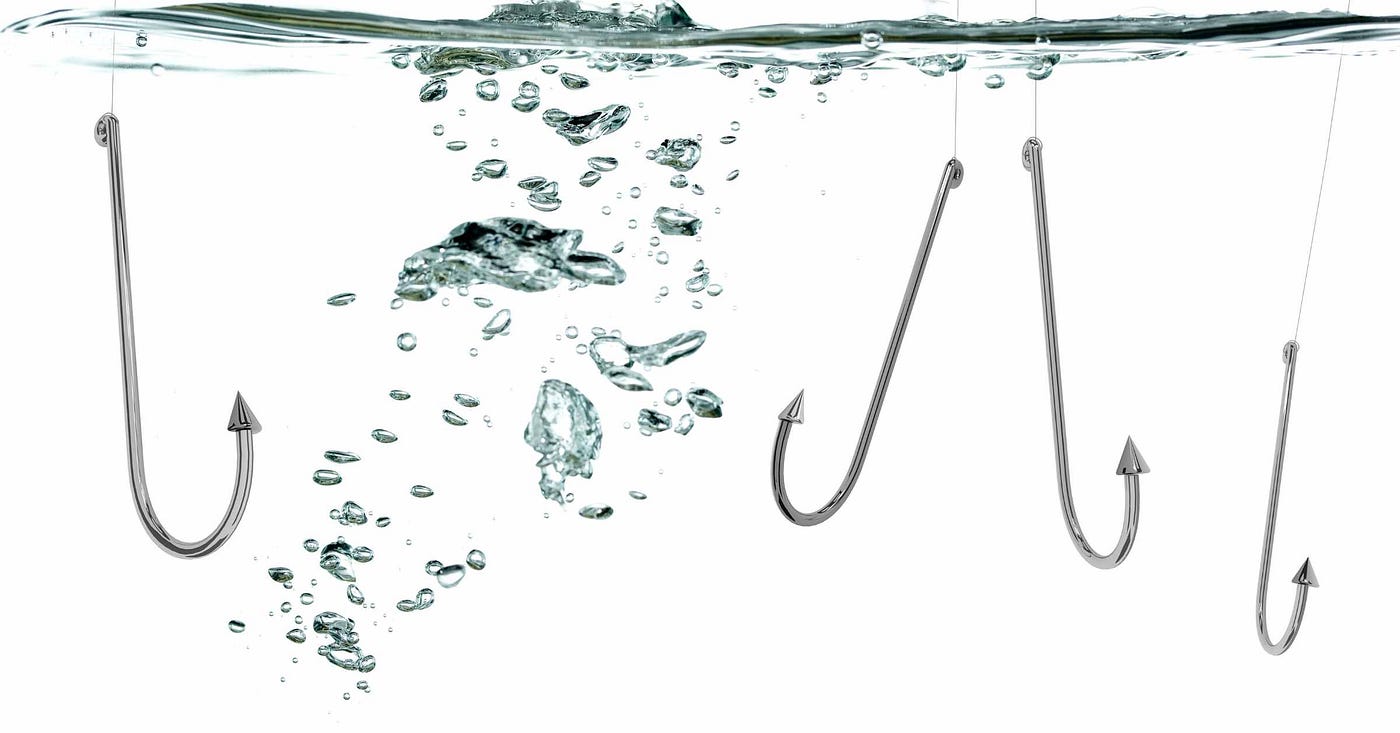
Credit: veronicahanson.medium.com
Tips For Hassle-free Travel
Traveling with fishing hooks requires careful packing. Use sturdy containers to secure hooks in checked luggage. Check airline regulations to ensure compliance.
Traveling with fishing gear can be a bit of a puzzle, especially when you’re trying to bring fishing hooks on a plane. Avoiding unnecessary hassle at the airport requires some preparation and knowledge. With a few smart strategies, you can ensure a smooth journey and focus more on the thrill of your fishing adventures rather than the logistics of getting there.Planning Your Fishing Trip
Before packing your tackle box, take a moment to research the fishing spots you’re aiming to explore. Will you be casting lines in freshwater lakes or heading to the open sea? Each destination may have specific rules about what gear is permissible. Make a checklist of essential items, keeping in mind that sharp objects like fishing hooks might have restrictions when carried in your carry-on luggage. Consider packing them securely in your checked baggage. Use protective cases or sleeves to prevent any accidental injuries or damage to your gear.Communicating With Airlines
Reach out to your airline well in advance of your trip. Ask about their specific policies regarding fishing equipment. Some airlines might allow fishing hooks in carry-on luggage, while others may have stricter regulations. Sharing your travel plans and gear specifics can often lead to helpful advice from airline staff. They might offer guidance on how best to package your hooks to avoid any issues during security checks. Clear communication can save you time and potential frustration at the airport. By taking these steps, you not only ensure a hassle-free travel experience but also set the stage for a memorable fishing adventure. Are you ready to cast your line and reel in the excitement?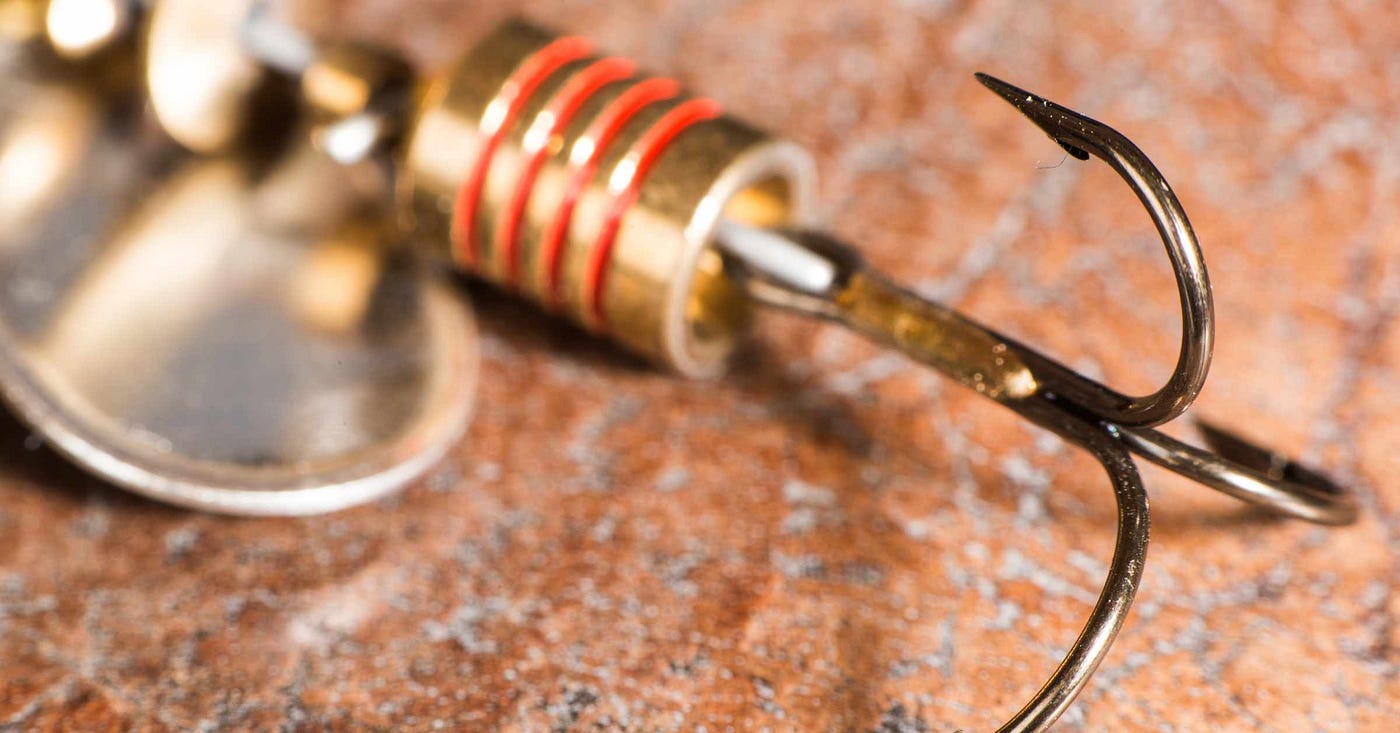
Credit: veronicahanson.medium.com
Frequently Asked Questions
Can I Carry Fishing Hooks In My Cabin Bag?
Yes, fishing hooks are generally allowed in cabin bags. However, they must be securely packed to prevent injury. It’s advisable to check the airline’s specific regulations beforehand. Larger hooks might be restricted, so consulting the TSA or equivalent authority is recommended for precise guidelines.
Are Fishing Hooks Allowed In Checked Luggage?
Fishing hooks can be carried in checked luggage without restrictions. Ensure they are properly packed to prevent damage or injury. Check with your airline for any specific rules regarding sharp objects in checked baggage. Proper packaging is essential to avoid issues during security checks.
Do Airlines Have Rules For Sharp Objects?
Airlines have rules for carrying sharp objects like fishing hooks. These must be securely packed in cabin bags. Larger hooks may need special consideration. Checking with the TSA or your airline for specific rules can ensure compliance with regulations and prevent travel disruptions.
What Size Fishing Hooks Can I Take On A Plane?
Small fishing hooks are usually allowed in cabin bags. Larger hooks might face restrictions due to safety concerns. It’s best to check with the TSA or your airline for specific size limitations. Proper packaging is crucial to ensure safety and compliance with airline regulations.
Conclusion
Traveling with fishing gear demands attention to rules. Airports have guidelines for fishing hooks. Know them before you pack. Check the airline’s policy. Some allow hooks in checked bags. Others may not. Small hooks might be fine in carry-ons. Always double-check.
It’s safer to pack hooks securely. Protect your gear and other luggage. Avoid delays at security. Preparation ensures a smooth journey. Enjoy fishing wherever you go. Stay informed and stress-free. Your adventure awaits with the right planning. Happy travels and tight lines!