
Are you ready to reel in the big one, but unsure how to secure your bait? Knowing how to tie a knot on a fish hook is a skill every angler, whether novice or seasoned, should master.
It’s the foundation of successful fishing, ensuring your hook stays firmly attached and your catch doesn’t slip away. Imagine the thrill of casting your line with confidence, knowing that your knot won’t betray you at the critical moment. In this guide, you’ll discover simple steps and tips to make sure your knots are as strong as your passion for fishing.
Dive in and transform your fishing experience from frustrating to fulfilling. With the right knot, you’re not just fishing—you’re catching.
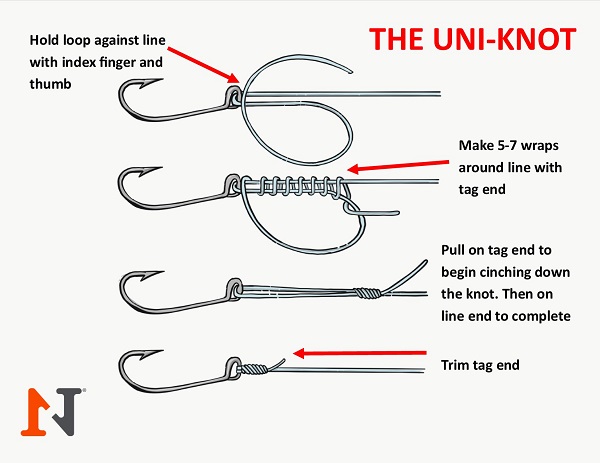
Credit: n1outdoors.com
Choosing The Right Knot
Choosing the right knot for your fish hook can make all the difference between a successful fishing trip and a frustrating experience. With the right knot, your bait will stay secure, and the fish won’t slip away easily. But how do you determine which knot is best suited for your fishing adventure? Let’s dive into the factors that can help you make an informed choice, along with some popular knot types that every angler should consider.
Factors To Consider
Your choice of knot should depend on a variety of factors. Consider the type of fish you are targeting; larger fish require stronger knots. Reflect on the fishing line you are using, as some knots work better with braided lines while others are ideal for monofilament. Also, think about the fishing conditions—will you be fishing in saltwater or freshwater? Each scenario demands different knots for optimal performance. Keeping these factors in mind can guide you in choosing the most effective knot.
Popular Knot Types
- Improved Clinch Knot:A staple for most anglers, this knot is easy to tie and works well with monofilament line. It’s perfect for securing your hook, swivel, or lure.
- Palomar Knot:Known for its strength, the Palomar knot is great for braided lines. It’s a reliable choice if you’re targeting bigger fish.
- Uni Knot:Versatile and strong, the Uni knot is favored for its ability to tie both hooks and lures securely. It’s adaptable to various line types.
Choosing the right knot is not just about technical know-how; it’s about enhancing your fishing experience. Have you ever lost a big catch because of a poor knot choice? Reflecting on past experiences can be a powerful motivator to perfect your knot-tying skills. What if mastering the right knot could turn your next fishing trip into a story worth telling? The time invested in learning and practicing knot tying can lead to unforgettable fishing adventures and more successful catches.

Credit: www.youtube.com
Materials Needed
Gather a sturdy fish hook, strong fishing line, and scissors. Ensure the line is suitable for your target fish.
When preparing to tie a knot on a fish hook, having the right materials is crucial. These materials ensure a secure and effective knot. Let’s explore the essential tools and recommended fishing line for this task.Essential Tools
To tie a knot on a fish hook, gather these essential tools:- Hook:Choose a hook suitable for your fishing needs.
- Scissors:Use sharp scissors to cut the fishing line.
- Needle Nose Pliers:Handy for tightening knots.
Recommended Fishing Line
Selecting the right fishing line is important. Here are some recommendations:- Monofilament Line:Easy to handle and knot-friendly.
- Braided Line:Offers strength for larger catches.
- Fluorocarbon Line:Almost invisible underwater.
Step-by-step Knot Tying
Learning to tie a knot on a fish hook is essential for fishing enthusiasts. Begin by threading the fishing line through the hook’s eye. Then, twist the line around itself several times and pull the end through the loop. Tighten the knot carefully, ensuring it is secure before casting your line.
Tying a knot on a fish hook is an essential skill for any angler. A properly tied knot ensures your catch doesn’t slip away, making all your hard work worthwhile. This guide will walk you through the steps to create a secure and reliable knot, transforming your fishing experience from frustrating to rewarding. Let’s dive into the details and get you ready for your next big catch!Preparing The Line
Start by cutting a manageable length of line, about 12 inches. This gives you enough room to work without tangling. Ensure the line is free from any frays or weak spots, as these can compromise your knot’s strength. Next, thread the line through the eye of the hook. Pull it through until you have about six inches on either side. This will make it easier to tie the knot without the line slipping out.Creating The Loop
To form the loop, double back the line and make a simple loop around the standing line. Hold the loop between your thumb and forefinger. Now, wrap the loose end around the standing line about five times. This creates a coil that will secure the line in place. Keep the coils tight and even for the best results.Securing The Knot
Bring the loose end back through the loop you initially created. This step is crucial for locking the knot. Moisten the line with a bit of water or saliva. This reduces friction and helps the knot slide smoothly into place. Pull the loose end and the standing line slowly to tighten the knot. Finally, trim the excess line close to the knot. Leave a small tail to prevent slipping. Is your knot secure and neat? If not, practice makes perfect, so try again until you get it just right. Remember, a good knot is the foundation of successful fishing. What will you catch with your newfound skills?Common Mistakes To Avoid
Tying a knot on a fish hook seems simple. Yet, many anglers make common mistakes. Understanding these errors can improve your fishing experience. Avoid them and ensure your knots are strong and reliable.
Incorrect Tension
Maintaining the right tension is crucial. Too tight, and the line may snap. Too loose, and the knot may slip. Practice finding the balance. Consistent tension ensures a firm, secure knot.
Improper Knot Placement
Place your knot close to the hook eye. A knot too far back weakens the line. It also increases the risk of slipping. Ensure the knot hugs the hook. This provides better strength and security.
Testing Knot Strength
Securing a fish hook with a strong knot ensures that your catch won’t slip away. Start by threading the line through the hook eye and wrap it around the standing line. Pull the end through the loop and tighten. Test the knot strength by pulling the line to ensure it holds firm.
Testing Knot Strength Before casting your line into the water, ensuring the strength of your knot is crucial. A secure knot means fewer lost hooks and more successful catches. But how do you test if your knot can withstand the fight of a fish? Let’s dive into some practical techniques and tips to evaluate the knot strength effectively.Pull Test Techniques
The pull test is a straightforward method to check your knot’s durability. Begin by attaching your hook to a stable object, like a table leg or a fishing buddy’s hand. Slowly apply pressure to the line, simulating the force a fish might exert. Feel the tension and observe if the knot holds firm. If the knot slips, it’s time to retie it. You might want to experiment with different knots to find the most reliable one for your fishing style.Visual Inspection Tips
Sometimes, a quick visual check can reveal a lot about the knot’s integrity. Look closely at the knot to ensure there are no loose ends or frayed lines. Is the knot symmetrical? An uneven knot might indicate weak spots. Consider how the line passes through the hook eye. A clean, direct path often ensures better strength. Would you trust your knot to hold against a large fish? If in doubt, retie it for peace of mind. Testing your knot isn’t just about technique; it’s about confidence in your gear. When you know your knot is secure, you’re ready for that big catch moment.Expert Tips For Beginners
Learning to tie a knot on a fish hook is an essential skill for any angler, especially beginners eager to make their first catch. But, like any skill, it requires practice and guidance. You might wonder how some anglers seem to tie knots effortlessly while you fumble with the line. The secret lies in their expert tips and tricks, which we’re about to share. Let’s dive into some practical advice that will have you tying knots like a pro in no time.
Practice Makes Perfect
Tying a knot may seem simple, but mastering it requires repetition. Set aside some time each day to practice different knots. Choose a few popular ones like the improved clinch knot or the Palomar knot. These are known for their strength and reliability.
- Start with a piece of rope or string before using fishing line. It’s easier to handle and helps you get the mechanics down.
- Watch videos or use diagrams to understand each step clearly. Pause and rewind as needed until you feel confident.
Remember, consistency is key. The more you practice, the more natural it will become. Have you ever noticed how musicians or athletes spend hours honing their skills? Knot tying is no different.
Learning From Experienced Anglers
Experienced anglers have a wealth of knowledge. Don’t hesitate to ask for help or advice. They can offer insights that aren’t found in books or videos.
- Join a local fishing club or community. It’s a great way to meet seasoned anglers who can share their techniques.
- Attend workshops or fishing events where you can observe knot tying in action.
Consider why learning from others can be so impactful. Experienced anglers have faced similar challenges and found solutions that work. By tapping into their expertise, you can speed up your learning curve.
Are you ready to enhance your knot tying skills? Remember, practice and learning from others are your best allies. Which tip will you try first? Let these expert strategies guide you to success on your next fishing adventure.

Credit: www.ohero.com
Frequently Asked Questions
How To Tie A Knot On A Fishing Hook?
To tie a knot on a fishing hook, use the improved clinch knot. Thread the line through the hook eye. Wrap the line around itself five times. Pass the end through the first loop near the hook eye. Then, pass it through the big loop you just created.
Pull to tighten.
How To Tie A Simple Fisherman’s Knot?
To tie a simple fisherman’s knot, overlap two rope ends. Tie an overhand knot with each end around the opposite rope. Pull both main lines to tighten. The knots slide to meet and secure the connection. This knot is ideal for joining two lines securely.
What Is The Best Easiest Fishing Knot To Tie?
The easiest fishing knot to tie is the Clinch Knot. It secures hooks effectively and is beginner-friendly. To tie it, thread the line through the hook, wrap it around itself five times, pass the end through the loop, then pull tight.
This knot is reliable and popular among anglers.
What Is The Best Knot To Tie Onto A Fishing Reel?
The Arbor Knot is ideal for attaching line to a fishing reel. It’s simple, reliable, and strong. Secure your line by tying an overhand knot and a slip knot. This knot prevents line slippage and works effectively for both spinning and baitcasting reels.
Conclusion
Learning to tie a knot on a fish hook is essential. It ensures your catch stays secure. Practice these steps regularly. With time, you will gain confidence. Remember, patience is key. Each knot you tie strengthens your skills. Soon, it becomes second nature.
Fishing trips will be more rewarding. Don’t rush the process. Enjoy each moment by the water. Share your new skills with friends. They will appreciate your knowledge. Happy fishing adventures await you. Keep your gear ready and your spirits high.
You are now prepared for your next fishing journey.