
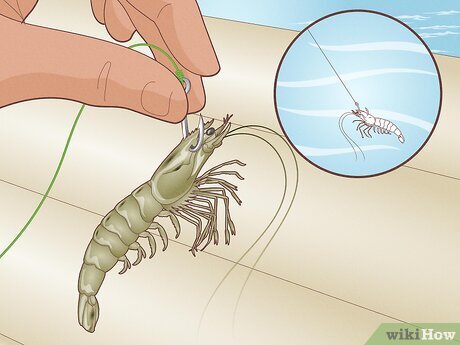
Are you eager to enhance your saltwater fishing skills and reel in bigger catches? The secret might just be in your bait—specifically, how you hook your shrimp.
Properly hooking a shrimp can make the difference between a successful fishing trip and going home empty-handed. Imagine the thrill of feeling that tug on your line, knowing you’ve outsmarted your underwater adversaries. In this guide, you’ll discover simple yet effective techniques to hook a shrimp that will attract the fish you desire.
Ready to take your saltwater fishing game to the next level? Let’s dive into the details, so you can experience the excitement of a fruitful fishing adventure.
Choosing The Right Shrimp
Selecting the right shrimp is key for successful saltwater fishing. Opt for lively, firm shrimp to ensure they stay on the hook longer, attracting more fish.
Choosing the Right Shrimp Selecting the perfect shrimp is crucial for saltwater fishing success. Different types of shrimp attract various fish. Understanding shrimp options helps in making the right choice. Let’s explore important factors to consider.Live Vs. Frozen Shrimp
Live shrimp are vibrant and attract fish with natural movement. They mimic real prey, making them irresistible to fish. Keep them healthy for better results. Frozen shrimp are convenient and easy to store. They don’t require special care like live shrimp. Thaw them properly for effective use. Choose based on your fishing needs and convenience.Size And Species Selection
Shrimp size matters. Larger shrimp attract bigger fish. Smaller shrimp are suitable for smaller catches. Match shrimp size to your target fish. Different species offer varying benefits. Brown shrimp work well in muddy waters. Pink shrimp are effective in clear waters. Choose species based on your fishing location. Understanding shrimp types enhances your fishing strategy.Essential Fishing Gear
When you’re gearing up for saltwater fishing, having the right equipment is crucial for success. Whether you’re a seasoned angler or a beginner looking to dip your toes into the sport, understanding the essential fishing gear can make a significant difference. Let’s dive into the details, ensuring you have the perfect setup to hook those elusive shrimp.
Types Of Hooks
Choosing the right hook is fundamental. There are various types available, but circle hooks and J-hooks are the most popular for shrimp fishing. Circle hooks are designed to hook fish in the corner of the mouth, reducing harm and increasing successful releases. On the other hand, J-hooks are versatile and effective, especially if you’re targeting larger species.
Consider the size of the shrimp you’re using. Smaller hooks are ideal for tiny shrimp, while larger hooks can accommodate bigger bait. Always match the hook size to your target fish’s mouth size to maximize your chances.
Line And Rod Selection
The line and rod you choose can impact your fishing experience dramatically. For saltwater fishing, a strong braided line is often preferred due to its durability and minimal stretch. Braided lines provide excellent sensitivity, allowing you to feel even the slightest nibble.
Your rod should be compatible with the line weight and length you plan to use. A medium-action rod gives you a good balance of flexibility and strength, perfect for shrimp fishing. Ensure your rod is comfortable to hold for extended periods, as patience is often key when waiting for a bite.
Have you ever felt that exhilarating tug on your line? With the right gear, you’re more likely to experience that thrill. Remember, the joy of saltwater fishing lies not just in the catch, but in the journey and the preparation.
Techniques For Hooking Shrimp
When you’re out on the water, the way you hook your shrimp can make all the difference in your catch. Proper hooking techniques ensure that your bait stays lively and attractive to fish. Let’s dive into three popular methods to hook shrimp effectively for saltwater fishing.
Tail Hooking Method
The tail hooking method is ideal when you want your shrimp to move naturally in the water. To do this, insert the hook through the last segment of the shrimp’s tail. Ensure the hook exits at the top, securing it firmly without killing the shrimp.
This technique allows the shrimp to swim freely, mimicking its natural movement, which is enticing to fish. It’s especially effective in clear waters where fish rely heavily on sight.
Head Hooking Method
Head hooking is perfect for fishing in areas with strong currents. You’ll want to thread the hook through the shrimp’s head, just below the horn. Avoid the dark spot, which is the brain, to keep the shrimp alive longer.
This method helps the shrimp remain lively and upright, making it appear more natural and appealing to predators. It’s a great option when targeting larger fish that are attracted to active prey.
Body Hooking Method
The body hooking method offers a balanced approach, suitable for both calm and rough waters. Insert the hook through the midsection of the shrimp, ensuring it pierces through the shell but not the organs. This keeps the shrimp alive and kicking for an extended period.
While this method might limit the shrimp’s movement slightly, it provides a secure hold, reducing the chance of losing your bait. Consider this technique when fishing in areas with lots of nibblers that might steal your bait.
Have you tried any of these methods before? Experimenting with different hooking techniques can lead to more successful fishing trips. Which method will you try on your next saltwater adventure?
Preserving Shrimp’s Natural Movement
Preserving a shrimp’s natural movement is vital for successful saltwater fishing. By carefully hooking through the tail or carapace, anglers can maintain its lively appearance, attracting more fish.
Preserving shrimp’s natural movement is crucial in saltwater fishing. It attracts fish more effectively. A lively shrimp mimics natural prey, luring fish to your hook. Maintaining this movement is an art. It involves careful handling and hooking techniques. This ensures your bait remains appealing in the water.Avoiding Damage
Gentle handling is key to avoid shrimp damage. Hold the shrimp by its body, not the tail. This minimizes harm and keeps it active. Use a sharp hook to pierce the shrimp easily. A blunt hook can cause unnecessary injury. Insert the hook through the shrimp’s head. Aim for the hard part, just below the horn. This method preserves the shrimp’s lively movement. Avoid piercing the vital organs. It ensures the shrimp stays alive longer.Ensuring Lively Presentation
For a natural look, hook the shrimp through the tail. The shrimp will move freely in the water. This motion is irresistible to fish. Adjust the hook’s position if the shrimp appears stiff. A well-hooked shrimp swims naturally, attracting more fish. Monitor the shrimp’s activity regularly. Replace it if it becomes sluggish. A lively shrimp increases your chances of a successful catch.Effective Casting Tips
Effective Casting Tips Hooking a shrimp correctly can boost your saltwater fishing success. Insert the hook through the tail for natural movement. Ensure it’s secure to avoid losing bait in the water.
Fishing with shrimp in saltwater can be thrilling. But casting properly is key to success. Effective casting improves your chances of a great catch. Let’s explore some crucial tips to enhance your casting technique.Casting Distance
Casting distance can make a big difference. Use the right rod and reel for longer casts. Choose a rod with medium to fast action. This gives your line the right speed and distance. Also, consider the weight of your sinker. Heavier sinkers travel farther. Practice your technique for smoother, longer casts. Start slow, then accelerate your cast for maximum distance.Timing And Location
Timing and location are vital for effective casting. Fish are more active at certain times. Early morning and late afternoon often yield better results. Check local tide charts for optimal fishing times. Location matters too. Cast near structures like rocks or piers. Fish gather in these areas for shelter and food. Observe the water for signs of fish activity before casting.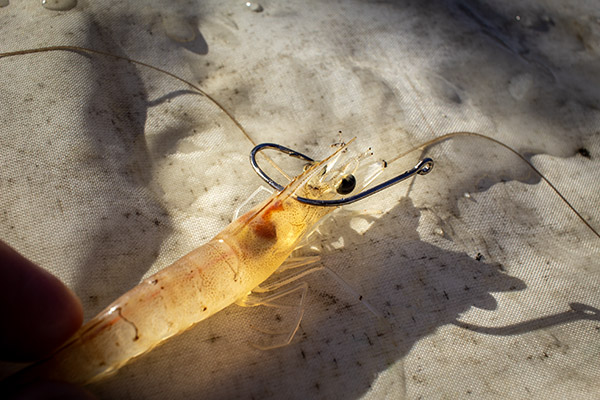
Credit: www.lafishblog.com
Common Mistakes To Avoid
Saltwater fishing can be a rewarding hobby. But mistakes can ruin the experience. Avoiding common errors is key to success. Proper techniques lead to better results. Understanding what to avoid makes fishing more enjoyable.
Improper Hooking Technique
Incorrect hooking can waste your bait. Secure the shrimp just below the horn. Don’t pierce the black spot; it’s the brain. It keeps the shrimp alive longer. The shrimp should look natural in water. Ensure the hook isn’t too visible. A proper hook increases your catch chance.
Ignoring Water Conditions
Water conditions affect shrimp behavior. Consider tides and currents before casting. Fast currents need heavier weights. Adjust your tackle for deeper waters. Shrimp move differently in calm waters. Adapt your technique to match conditions. Fish near structures or vegetation. These areas attract shrimp and fish. Understanding water conditions boosts your success rate.
Expert Tips For Success
Expert tips for success in hooking shrimp for saltwater fishing can enhance your catch. Thread the shrimp from tail to head for a firm hold. Keep the hook secure to prevent bait loss in strong currents.
Saltwater fishing enthusiasts know that using shrimp as bait can lead to impressive catches. However, hooking a shrimp effectively requires certain expertise to ensure success. In this section, we delve into expert tips that can elevate your shrimp baiting skills, helping you maximize your fishing experience and improve your catch rate.Maximizing Shrimp Lifespan
Maintaining the shrimp’s vitality is crucial for attracting fish. Keep your shrimp lively by using a light hook. This minimizes damage and allows them to move naturally in the water. Consider using a live bait bucket with aeration to keep your shrimp healthy. This simple setup can significantly extend their lifespan, providing you with more active bait for longer periods. Another tip is to avoid hooking them through vital organs. Instead, aim for areas like the tail or behind the head. This method preserves their movement and ensures they remain attractive to fish.Adjusting Techniques Based On Fish Species
Different fish respond to shrimp in varied ways. Understanding these preferences can improve your catch. For instance, redfish tend to strike shrimp hooked through the head, allowing them to see and react to the bait’s natural motion. On the other hand, flounder might prefer shrimp hooked through the tail. This technique mimics the shrimp’s typical escape behavior, enticing the flounder to strike. Experiment with hooking techniques and observe the reactions of different fish species. This trial and error approach can reveal valuable insights about local fish behaviors. Consider the environment and adjust your technique accordingly. Are you fishing in a high current area? Hooking the shrimp through the tail might provide better results by mimicking its natural swimming pattern. By understanding these nuances, you can tailor your approach and enhance your saltwater fishing success. Which technique will you try next?
Credit: www.wikihow.com

Credit: www.tackletactics.com.au
Frequently Asked Questions
What Size Hooks To Use For Saltwater Shrimp Fishing?
Use size 1 to 2 hooks for saltwater shrimp fishing. They provide a good balance for bait presentation. Adjust hook size based on shrimp and target fish species. Ensure hooks are strong enough to handle saltwater conditions and the fish you aim to catch.
How To Get Shrimp To Stay On Hook?
Secure shrimp by threading the hook through the body multiple times. Pinch it tightly to prevent movement. Use a small hook for better grip and ensure freshness to maintain firmness. Keep the bait cold and moist to enhance its natural scent.
How To Hook A Shrimp On A Circle Hook?
Thread the shrimp through the tail with the circle hook. Ensure the hook exits near the head. This positioning allows natural movement. Secure it tightly to prevent slipping during casting or retrieval. This method increases bite chances and hook-ups effectively.
How To Hook A Frozen Shrimp As Bait?
Hook a frozen shrimp through the tail to keep it secure. Use a sharp hook for better penetration. Thread the hook multiple times to ensure the shrimp stays intact. Avoid piercing the shrimp’s head, as it attracts fish. Keep the shrimp cold until use to maintain its firmness.
Conclusion
Mastering shrimp hooking boosts your saltwater fishing success. Practice makes perfect. Choose the right hook size. Position the shrimp carefully. Keep the shrimp alive for more bites. Avoid piercing vital spots. Secure the hook gently. Enjoy your time fishing. Share your catch with friends.
Remember, patience pays off. Feel the ocean breeze. Listen to the waves. Embrace the thrill of fishing. Appreciate nature’s beauty. Stay safe on the water. Respect marine life. Hooking shrimp effectively requires skill. Good luck on your fishing adventure. Happy fishing!