
Are you tired of sore knuckles and lackluster punching sessions? Do you want to learn how to punch a bag properly and maximize your workout?
If your answer is yes, you’re in the right place. Punching a bag is not just about brute force; it’s an art that involves technique and precision. Mastering this skill can boost your confidence, improve your fitness, and even sharpen your mental focus.
Imagine landing each punch with power and accuracy, feeling the satisfying thud as you release stress and energy. In this guide, you’ll discover the secrets to punching a bag like a pro. So, are you ready to transform your boxing skills and elevate your training routine? Let’s dive in!
Credit: boxingathome.medium.com
Choosing The Right Punch Bag
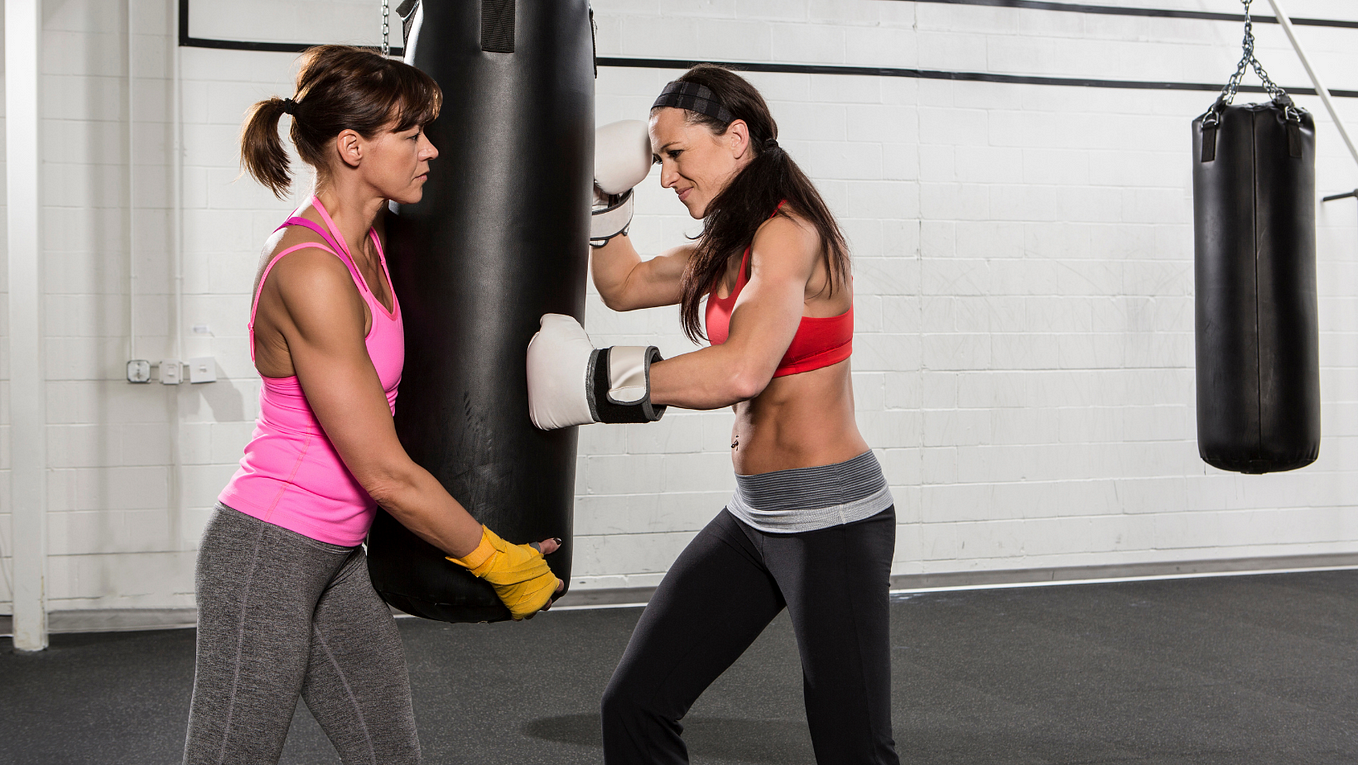
Proper punching technique begins with selecting the right punch bag. Consider size, weight, and material for your needs. This ensures effective practice and safety during workouts.
Choosing the right punch bag is crucial for enhancing your boxing skills and ensuring a safe workout. Whether you’re a beginner or a seasoned pro, selecting a bag that suits your needs can make all the difference in your training. Dive into the essentials to find the perfect match that complements your style and goals.
Types Of Punch Bags
Punch bags come in various shapes and sizes, each serving a unique purpose. – Heavy Bags: Ideal for building strength and improving power punches. They are durable and can withstand strong hits, making them perfect for practicing combinations. – Speed Bags: Great for developing rhythm, timing, and hand-eye coordination. They are smaller and lighter, requiring you to focus on speed rather than strength. – Freestanding Bags: A versatile option for those with limited space. They offer the convenience of easy relocation and don’t require installation, making them suitable for home gyms. – Double-End Bags: Perfect for enhancing accuracy and reflexes. These bags are connected to the floor and ceiling, allowing them to rebound quickly when hit.
Factors To Consider
Choosing the right punch bag involves more than just picking a type. – Space Availability: Consider the amount of space you have. Heavy bags need more room to swing, while freestanding bags can fit into tighter spaces. – Training Goals: Align your choice with your objectives. Are you looking to improve strength, speed, or accuracy? – Material and Durability: Look for bags made from high-quality materials. Synthetic leather or canvas are popular options due to their longevity. – Budget: Determine how much you’re willing to spend. Quality doesn’t always mean expensive, but investing in a durable bag can save you money in the long run. Have you ever wondered how the right punch bag could transform your training routine? Reflect on your goals and needs, and you’ll find the perfect punching companion.
Essential Gear For Punching
Whether you’re a beginner or a seasoned fighter, having the right gear is crucial for safe and effective training. Proper equipment not only enhances your performance but also protects you from injuries. Let’s explore the essential gear you’ll need for punching a bag properly.
Gloves And Hand Wraps
Choosing the right gloves is vital for protecting your hands and wrists. Look for gloves that fit snugly without being too tight. It’s essential they offer enough padding to cushion your knuckles and support your wrists.
Hand wraps are equally important as they provide an extra layer of protection. They help keep your wrist and hand bones aligned, reducing the risk of fractures. Wrapping your hands may seem tedious at first, but it’s a small investment of time for long-term health.
Proper Footwear
Proper footwear is often overlooked but plays a crucial role in your balance and agility. Shoes should have good grip and support to allow smooth pivots and quick movements. Avoid heavy shoes as they can slow you down and affect your technique.
Consider trying out specialized boxing shoes if you’re serious about training. They offer better ankle support and are designed to enhance your footwork. Remember, your feet are your foundation, so don’t underestimate their role in punching effectively.
Have you ever tried punching barefoot or with inappropriate shoes? It can throw off your balance and even lead to injuries. Investing in the right footwear can make a world of difference in your training experience.
Basic Punching Techniques
Punching a bag isn’t just about throwing your fists at it. It’s about mastering basic techniques that can help you improve your form, power, and efficiency. When you learn these core punches, you’ll not only enhance your workout but also gain confidence in your skills.
Jab
The jab is your foundational punch. It’s quick, straight, and sets up other punches. Stand with your feet shoulder-width apart, lead foot slightly forward. Extend your lead hand straight ahead, rotating your fist so your palm faces down at the point of impact. Aim for speed and precision, not just power.
Think of the jab as a tool to gauge distance and keep your opponent at bay. Practicing it regularly can improve your timing and accuracy. Try incorporating jabs into your warm-up to get your blood flowing.
Cross
The cross is a powerful straight punch thrown with your rear hand. Rotate your hips and pivot on your rear foot as you throw the punch. This rotation adds power, making it an effective move to follow a jab.
Maintaining balance is crucial when executing the cross. If you lean too far forward, you risk losing your stability. Focus on snapping your punch back quickly to prepare for the next move.
Hook
The hook is a circular punch aimed at your opponent’s side or head. Keep your elbow bent at 90 degrees and your thumb facing up or slightly inward. Rotate your hips and lead foot as you swing your arm horizontally.
This punch can surprise your opponent by coming from the side. Visualize hitting a target just past the bag to ensure your hook has reach and power. Practice both lead and rear hooks to become versatile.
Uppercut
The uppercut is designed to hit upwards, targeting the chin or body. Bend your knees slightly, drop your fist down, and then drive it upwards using your legs and hips. Keep your elbow close to your body to maintain power.
Uppercuts are great for close-range encounters. They can catch your opponent off guard, especially when thrown in combination with other punches. Ensure your fist returns quickly to protect your face.
Which of these punches will you master first? Start with one and gradually build your skill set to become a well-rounded puncher. Remember, practice makes perfect, so keep hitting that bag!
Advanced Punching Skills
Once you’ve mastered the basics of punching, it’s time to elevate your skills to an advanced level. Advanced punching techniques not only enhance your workout but also refine your precision and power. Let’s dive into some key aspects that will transform your punching bag routine into a more dynamic and effective practice.
Combination Punches
Combination punches are all about stringing together multiple punches in a fluid sequence. This technique is essential for developing rhythm and keeping your opponent guessing. Consider starting with a simple jab-cross-hook combination.
- Jab:Quick and straight punch with your lead hand.
- Cross:Powerful punch with your rear hand, crossing over your body.
- Hook:A curved punch aimed at the side of your target.
Practice these combinations slowly at first, focusing on form. Gradually increase your speed as you become more comfortable. The key is maintaining balance and control throughout the sequence.
Speed And Accuracy
Speed and accuracy are crucial in advanced punching techniques. Speed challenges your muscles and improves your reaction time, while accuracy ensures that each punch hits the intended target.
To enhance speed, use interval training with your punching bag. Set a timer for short bursts of rapid punches followed by brief rest periods. This not only builds endurance but also sharpens your quickness.
For accuracy, focus on specific target spots on the bag. You can even mark them with tape to keep your punches consistent. Think of each punch as a bullseye, demanding precision and focus.
Have you considered how these skills could boost your confidence in self-defense situations? Mastering these advanced techniques not only improves your physical ability but also your mental readiness.
Footwork And Movement
Footwork and movement are key in mastering the art of punching a bag. Moving well helps maintain balance and power. It also reduces the risk of injury. Let’s dive deeper into how you can improve your footwork.
Stance And Balance
A strong stance is crucial for effective punching. Keep feet shoulder-width apart. Bend your knees slightly. This gives a solid base. Distribute your weight evenly. Shift weight slightly to the balls of your feet. This allows quick movement. Maintain balance at all times. Good balance helps deliver powerful punches.
Shifting And Pivoting
Shifting your weight is vital for power. Move your body weight from one foot to the other. This adds force to your punches. Practice shifting smoothly. Pivoting helps with changing direction. Rotate on the ball of your foot. This helps in landing punches effectively. Keep your movements controlled and smooth. Avoid overextending your body. This maintains energy and balance.

Credit: boxingathome.medium.com
Breathing And Rhythm
Punching a bag isn’t just about brute force; it’s an art that involves precision, control, and rhythm. While many might focus on the power of their punches, mastering your breathing and rhythm can take your training to the next level. Breathing and rhythm are the unseen forces that bring your punching to life, ensuring each strike is effective and efficient.
Maintaining Breathing Control
Breathing is your secret weapon in maintaining stamina and focus. Controlled breathing keeps your energy levels steady and your mind clear during intense sessions. As you strike, breathe out sharply with each punch. This not only enhances power but also keeps your movements fluid. Try counting your breaths in sync with your punches to develop a natural rhythm.
Ever noticed how your punches feel more powerful when you’re exhaling with purpose? That’s the magic of controlled breathing. It’s not just about oxygen intake; it’s about harnessing your internal rhythm. How do you breathe when you’re tense? Next time, pay attention to your breathing and notice the difference it makes.
Finding Your Rhythm
Rhythm isn’t just for dancers; it’s crucial for fighters too. It’s the tempo of your punches and movements that can either tire you out or keep you in the game longer. Start by practicing combinations slowly to find a comfortable pace. Gradually increase your speed as your confidence grows.
Imagine your punches as beats in a song. Each strike should flow into the next, creating a seamless pattern. This rhythm is what separates an amateur from a seasoned fighter. What happens when you lose your rhythm? Your strikes might become erratic and lose their effectiveness. Experiment with different tempos until you find what feels natural.
Incorporate music into your training to help find that perfect beat. Feel the music guide your movements, turning your punches into a dance of precision and power. Are you ready to transform your training with rhythm? The difference can be astounding.
Safety Tips And Precautions
Punching a bag is a great workout. It builds strength and improves technique. But it’s important to stay safe while doing it. Understanding the right precautions can prevent injuries. Follow these simple tips to enjoy your training safely.
Avoiding Injuries
Proper form is crucial. Keep your wrists straight when hitting the bag. This prevents sprains. Wear quality gloves to protect your hands. They cushion the impact. Wrap your hands before putting on gloves. This adds extra support to your wrists.
Warm up before starting your session. Stretch your arms, shoulders, and legs. A good warm-up loosens muscles and reduces strain. Pay attention to your surroundings. Make sure the area is clear. This avoids accidents and keeps you focused.
Knowing Your Limits
Listen to your body. Stop if you feel pain or discomfort. Overtraining can lead to serious injuries. Rest is part of the training process. It helps muscles recover and grow stronger.
Start with shorter sessions. Gradually increase the time and intensity. This builds endurance safely. Monitor your heart rate. Keep it within a healthy range. Pushing too hard can be risky.
Stay hydrated throughout your workout. Drink water before and after punching the bag. Dehydration affects performance and recovery.
Training Routine Suggestions
Punching a bag is not just about raw power. It requires a structured routine to improve technique and endurance. A well-rounded training routine enhances performance and reduces injury risk. Here’s a guide to help structure your training effectively.
Warm-up Exercises
Before hitting the bag, warm up your body. This prepares your muscles and joints. Start with light cardio. Jump rope or jog in place for five minutes. This increases your heart rate and blood flow. Next, perform dynamic stretches. Arm circles and leg swings are excellent choices. These movements loosen your muscles and improve flexibility.
Cool-down Techniques
After a vigorous bag session, cooling down is essential. It helps your body recover and prevents stiffness. Begin with slow, deep breathing. This calms your nervous system and lowers your heart rate. Follow with static stretching. Focus on your arms, shoulders, and legs. Hold each stretch for 15-30 seconds. This enhances muscle recovery and flexibility.

Credit: www.youtube.com
Frequently Asked Questions
What Is The Correct Way To Hit A Punching Bag?
Stand with feet shoulder-width apart. Keep your fists at chin level. Rotate your hips for power. Strike with the knuckles of your index and middle fingers. Maintain wrist alignment. Breathe out with each punch. Practice proper technique consistently for safety and effectiveness.
Is There A Trick To The Punching Bag Game?
Yes, focus on speed, accuracy, and timing. Use quick, controlled punches and maintain a steady rhythm. Stay relaxed to increase power and prevent fatigue. Practice regularly to improve technique and score higher.
Should I Get A 70 Lb Or 100 Lb Punching Bag?
Choose a 70 lb bag for beginners and lighter users. Opt for a 100 lb bag for stronger, experienced individuals seeking a more intense workout. Consider your skill level, strength, and space available. Always prioritize safety and proper installation.
How To Properly Kick A Punching Bag?
Stand with feet shoulder-width apart. Use your back leg to generate power. Rotate hips and pivot on the front foot. Aim for the center of the bag. Maintain balance and control throughout the kick. Practice regularly for improved technique.
Conclusion
Practicing the right punch bag technique boosts your skills and confidence. Remember to focus on proper stance and hand positioning. Keep your movements controlled and precise. Don’t forget to wear the right gear to avoid injuries. Consistency is key in improving your performance.
Over time, you’ll notice greater strength and better coordination. Practice regularly, and soon you’ll see progress. Enjoy the journey of learning and growing. The more you practice, the better you get. Stay patient and enjoy the process. Remember, it’s about progress, not perfection.
Keep training hard and stay safe.