
Are you tired of wrestling with your sleeping bag every time you pack up your campsite? Struggling to fit it back into its stuff sack can be frustrating and time-consuming. But what if packing your sleeping bag could be quick and easy every single time? Imagine the confidence and satisfaction you’d feel knowing you’re maximizing space and keeping your gear in top shape. In this guide, we’ll unveil expert tips on how to pack a sleeping bag efficiently.
You’ll discover simple tricks that will transform your packing routine, allowing you to spend more time enjoying the great outdoors and less time wrestling with your gear. Let’s dive in and make packing a breeze!
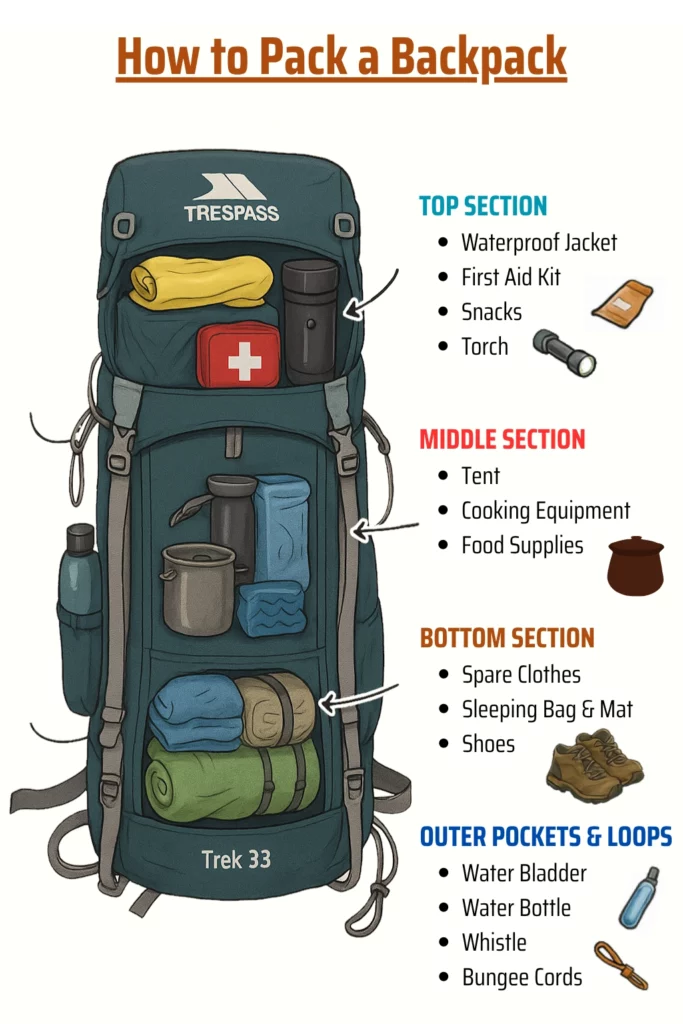
Credit: www.trespass.com
Choosing the Right Sleeping Bag
Packing a sleeping bag efficiently saves space and makes travel easier. Before we delve into packing techniques, let’s ensure you have the right sleeping bag for your needs. A sleeping bag is more than just a portable bed; it’s your primary shield against the elements. Whether you’re camping in the mountains or backpacking through forests, selecting a sleeping bag that meets your needs can make or break your outdoor adventure.
Material Considerations
The material of your sleeping bag plays a crucial role in comfort and durability. Synthetic materials are often more affordable and dry faster, making them ideal for damp climates. However, they might not compress as easily as down-filled bags. Down offers exceptional warmth-to-weight ratio and compressibility, perfect for colder environments. Consider your camping conditions before making a choice.
Temperature Ratings
Understanding temperature ratings is essential to avoid sleepless, shivering nights. Sleeping bags come with ratings indicating the lowest temperature at which they will keep you warm. If you’re planning a winter camping trip, a bag with a lower temperature rating is vital. For summer adventures, lighter bags suffice. Make sure to choose a bag that matches the season of your trip. For more, see our complete guide on How Pack Sleeping Bag Backpacking:.
Size and Weight
Size and weight are critical, especially if you’re hiking long distances. A compact, lightweight sleeping bag allows for easy transportation and frees up space in your backpack for other essential gear.
How to Pack a Sleeping Bag
Now that you have the right sleeping bag, let’s explore how to pack it efficiently. Here are some expert tips to help you pack your sleeping bag like a pro:
1. Start with a Clean Sleeping Bag
Before packing, ensure your sleeping bag is clean and dry. This will help maintain its insulation properties and prolong its lifespan. For tips on cleaning, check out our guide on How to Wash a Down Sleeping Bag: Expert Tips.
2. Rolling vs. Stuffing
While some prefer to stuff their sleeping bags into the sack, rolling can be more effective for certain types. To roll a sleeping bag, start at the foot and tightly roll towards the head, squeezing out air as you go. This method minimizes bulk and makes it easier to fit into your backpack.
3. Use a Compression Sack
For maximum space-saving, consider using a compression sack. These sacks allow you to compress your sleeping bag down to a smaller size, making it easier to fit into your backpack. Just be cautious not to compress it too much, as this can damage the insulation over time. We cover this in detail in our Pack Sleeping article.
4. Store Properly When Not in Use
When not in use, store your sleeping bag loosely in a large cotton or mesh sack to maintain its loft. Avoid keeping it compressed for long periods, as this can reduce its insulation effectiveness. For more storage tips, check out our article on Best Ways to Store Sleeping Bags.
FAQs
Q: How do you pack a sleeping bag?
A: To pack a sleeping bag, start by ensuring it’s clean and dry. Roll it tightly from the foot to the head, or use a compression sack to minimize space. Squeeze out air to make packing easier. According to Mayo Clinic fitness guide, this is important for athletes.
Q: What is the best way to roll a sleeping bag?
A: The best way to roll a sleeping bag is to start at the foot and roll tightly towards the head. This method helps expel air and makes it easier to fit into a backpack or stuff sack.
Q: Can you compress a sleeping bag too much?
A: Yes, compressing a sleeping bag too much can damage the insulation, reducing its effectiveness. Use a compression sack for short periods, but store it loosely when not in use.
Q: How to keep a sleeping bag clean while camping?
A: To keep your sleeping bag clean while camping, use a sleeping bag liner, avoid eating in your bag, and store it in a dry place. Regularly air it out to prevent moisture buildup. You may also find our Cold Weather Sleeping Bags: Stay helpful.
Q: What’s the best way to store a sleeping bag when not in use?
A: The best way to store a sleeping bag is in a large cotton or mesh sack, allowing it to loft. Avoid long-term compression to maintain its insulation properties.
Q: How often should I wash my sleeping bag?
A: You should wash your sleeping bag every few trips or as needed, especially if it’s visibly dirty or has absorbed odors. Follow the care instructions for best results.
Q: Can you wash sleeping bags in the washing machine?
A: Yes, many sleeping bags can be washed in a washing machine. Use a front-loading machine on a gentle cycle with mild detergent. Check the care label for specific instructions.
Q: How do you attach a sleeping bag to a backpack?
A: To attach a sleeping bag to a backpack, use straps or compression sacks with attachment points. Many backpacks have external straps designed for this purpose.
Conclusion
Packing a sleeping bag doesn’t have to be a hassle. By following these expert tips, you can ensure your sleeping bag is packed efficiently, allowing you to maximize space in your backpack and enjoy your outdoor adventures. Remember to choose the right sleeping bag for your needs, and take care of it to ensure it lasts for many trips to come.