
Imagine the thrill of setting out on a backpacking adventure, where every step brings you closer to breathtaking vistas and unforgettable experiences. Now, picture the comfort of settling down for the night, snug inside your sleeping bag.
The way you pack your sleeping bag can make all the difference between a peaceful night’s sleep and a frustrating struggle. You want to ensure it’s compact enough to carry easily but still ready to offer you warmth and comfort when the stars come out.
In this guide, you’ll learn simple, effective techniques to pack your sleeping bag like a pro, turning your backpack into a perfectly organized travel companion. Whether you’re a seasoned backpacker or a newcomer eager to explore the great outdoors, mastering this skill will elevate your adventure and keep you focused on the beauty around you. Dive in to discover the secrets of packing your sleeping bag for ultimate convenience and comfort.
Choosing The Right Sleeping Bag
Packing a sleeping bag for backpacking requires careful rolling to save space. Use compression straps to tightly secure it. Place the sleeping bag at the bottom of your backpack for balance and easy access.
Choosing the right sleeping bag is key for a comfortable backpacking trip. The right bag ensures warmth, comfort, and fits well in your backpack. Each sleeping bag has features that cater to different needs. Let’s explore how to choose the best one for your adventure.Consider Temperature Ratings
Temperature ratings help you understand how warm a sleeping bag will be. Check the rating to match the coldest temperatures you might face. A bag rated for 20°F is great for chilly nights. Remember, personal comfort varies. Some people sleep warmer or cooler than others.Select Material And Insulation Type
Sleeping bags come in various materials. Synthetic and down are common choices. Synthetic bags dry quickly and insulate even when wet. Down bags are lighter and compress smaller, but lose warmth when damp. Consider your trip conditions. Will it be wet or dry? This helps decide the best material.Assess Weight And Packability
Backpacking demands light gear. A heavy sleeping bag can weigh you down. Check the bag’s weight before buying. Lightweight bags are easier to carry. Packability is also important. See how small the bag compresses. A compact bag saves space in your backpack. This leaves room for other essentials.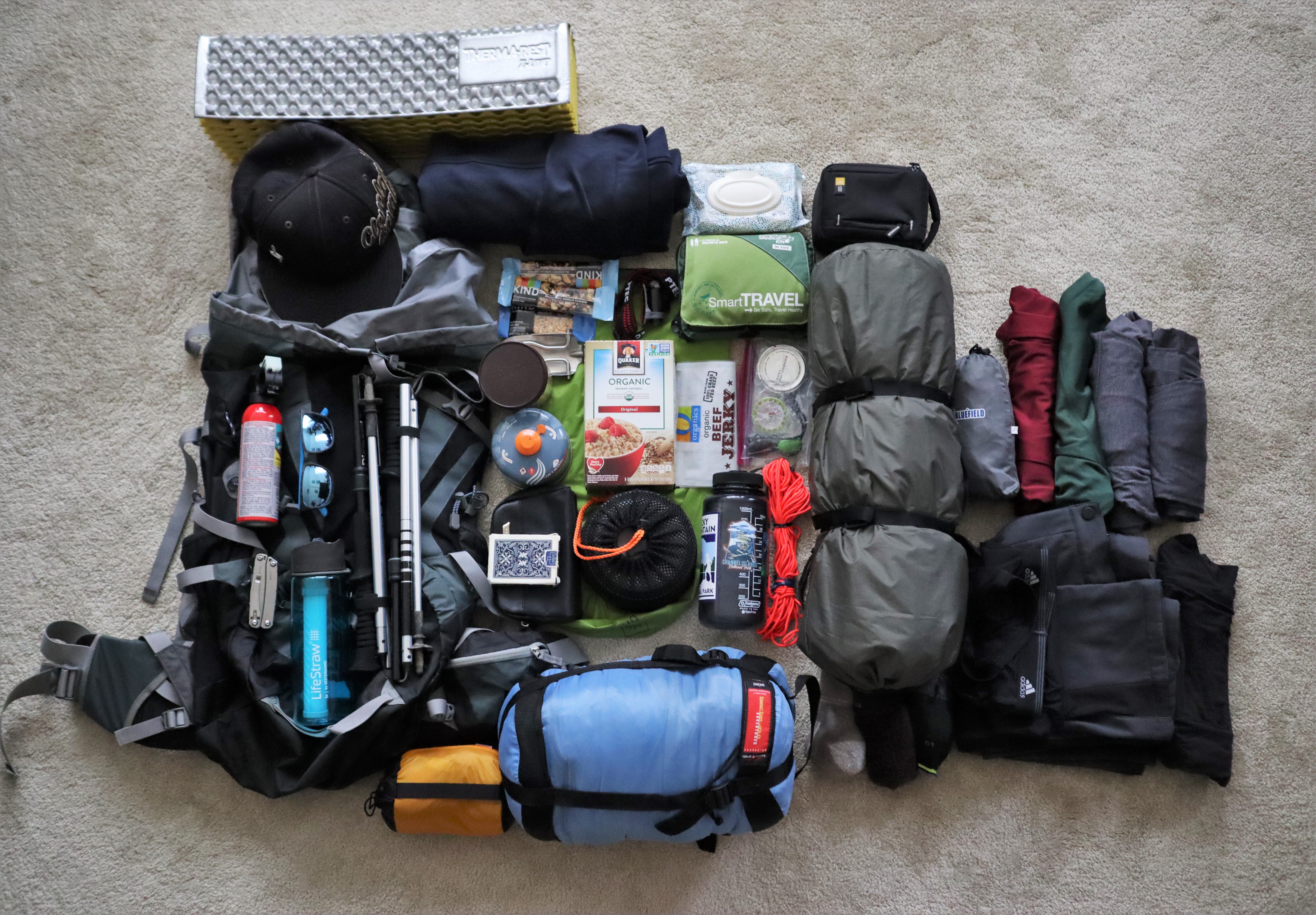
Credit: pangolinswithpacks.com
Pre-packing Preparations
Organize your sleeping bag and accessories before packing. Ensure it’s clean and dry to prevent odors. Roll tightly to save space. Secure with straps or a compression sack for easy backpacking.
Packing a sleeping bag for backpacking is more than just stuffing it into your pack. It starts with crucial pre-packing preparations that ensure your sleeping bag stays clean, functional, and ready for adventure. These simple steps can make a big difference in your backpacking experience, setting the stage for a comfortable night’s sleep under the stars.Clean And Dry Your Sleeping Bag
Before you pack your sleeping bag, make sure it’s clean and completely dry. Any dirt or moisture left on the fabric can lead to unpleasant odors and even mold during your trip. A quick wash or spot clean can work wonders, especially after a long backpacking season. Hang it out to dry thoroughly, ensuring there’s no dampness lurking in the corners. Have you ever had to sleep in a musty sleeping bag? It’s a lesson worth avoiding.Check For Damage Or Wear
Next, inspect your sleeping bag for any signs of damage or wear. Look for tears, broken zippers, or thinning fabric. These can be easily overlooked but can become major issues in the wilderness. A small tear might not seem like much at home, but it can lead to a chilly night when you’re miles from the nearest help. Repair any damage before you pack, ensuring your sleeping bag is ready to keep you warm and secure.Gather Necessary Accessories
Finally, gather any accessories you might need for your sleeping bag. This could include a compression sack to reduce its size, or a sleeping bag liner for added warmth and hygiene. Consider how these additions can enhance your comfort and convenience during your trip. Are you prepared for unexpected weather changes? A liner might just be your saving grace when the temperature drops unexpectedly. Having these accessories at hand can transform your sleeping setup into a cozy haven, no matter where you are.Rolling Vs. Stuffing
Packing a sleeping bag might seem simple, but there’s more to it. Two popular methods are rolling and stuffing. Each has its own set of benefits. Understanding these can help you pack efficiently. Let’s explore both methods.
Advantages Of Rolling
Rolling a sleeping bag can save space. It creates a compact shape that’s easy to manage. When rolled tightly, the bag stays neat. This method reduces wrinkles, maintaining the bag’s loft. A well-rolled sleeping bag fits nicely in your backpack. It allows for better organization of other gear.
Benefits Of Stuffing
Stuffing your sleeping bag can be faster. You simply push the bag into its sack. This method is less about precision and more about speed. Stuffing can help preserve the loft of the sleeping bag. It avoids creating wear patterns that come from repeated rolling. This method can fill awkward spaces in your backpack.
Which Method To Choose
Choose rolling if you want a neat and organized pack. It’s ideal if your sleeping bag is bulky. Go for stuffing if you’re short on time. It’s perfect for quick packing scenarios. Think about your backpack’s shape and space. Choose the method that fits your needs best. Consider the condition of your sleeping bag too. Each method has its unique advantages. Choose wisely for a hassle-free backpacking experience.
Using Compression Sacks
Compression sacks make sleeping bags compact and easy to carry. Secure your sleeping bag tightly inside. This maximizes space in your backpack, keeping your load light and organized.
Packing a sleeping bag efficiently for backpacking is essential to save space and ensure comfort during your outdoor adventures. Using compression sacks can be a game-changer, helping you reduce the bulk and keep your backpack organized. Let’s dive into how to effectively use compression sacks for your sleeping bag.Types Of Compression Sacks
Compression sacks come in different shapes and sizes, each designed for specific needs. You can find cylindrical sacks, often used for regular sleeping bags, and rectangular ones for quilt-style bags. Some are waterproof, offering additional protection against unexpected weather conditions. Consider your sleeping bag’s material and size when choosing a compression sack. A lightweight, down sleeping bag might benefit from a smaller sack, while a synthetic bag may need a bit more room. Think about the conditions you’ll be facing. A waterproof sack might be worth the extra weight if you’re heading into a wet environment.Proper Compression Techniques
Effective compression starts with how you place your sleeping bag into the sack. Begin by stuffing the foot end of the sleeping bag into the sack, rather than rolling it. This helps in maximizing the space and maintaining the bag’s loft. Once inside, use the straps on the compression sack to tighten it down. Cross the straps evenly, pulling them tightly to compress the bag without damaging the material. This technique minimizes space while preserving the bag’s functionality. Remember not to over-compress. It might save a little more space, but it risks damaging the sleeping bag’s insulation over time.Maintaining Bag Integrity
Your sleeping bag is a crucial piece of gear, so maintaining its integrity while using compression sacks is important. Always ensure the compression sack is dry before packing your sleeping bag to prevent mildew and odors. If you notice any resistance while compressing, stop and check for snags or improper folding. Forcing it can cause rips or tears, reducing the bag’s effectiveness. After your trip, store your sleeping bag loosely to allow the insulation to regain its loft. This ensures it remains warm and comfortable for future adventures. Have you ever compromised your sleeping bag’s warmth for space? Balancing these aspects is key to a successful backpacking trip.Packing In Your Backpack
Rolling your sleeping bag tightly saves space in your backpack. Use compression straps to minimize bulk further. Ensure the bag is completely dry before packing to prevent mildew.
Packing in Your Backpack When you’re heading into the wilderness, packing your sleeping bag efficiently is crucial. It ensures comfort during the journey and protects your gear. Let’s dive into how to pack your sleeping bag into your backpack effectively.Positioning For Balance
Place the sleeping bag in the center of your backpack. This position distributes weight evenly. It helps maintain balance while hiking. Use compression straps to make the sleeping bag compact. A compact bag fits neatly and enhances stability.Protecting From Moisture
Moisture can ruin your sleeping bag’s insulation. Protect it by using a waterproof stuff sack. This keeps the sleeping bag dry, even in wet conditions. You can also use a plastic bag for extra protection. Ensure the sack is sealed tightly to prevent leaks.Securing And Organizing
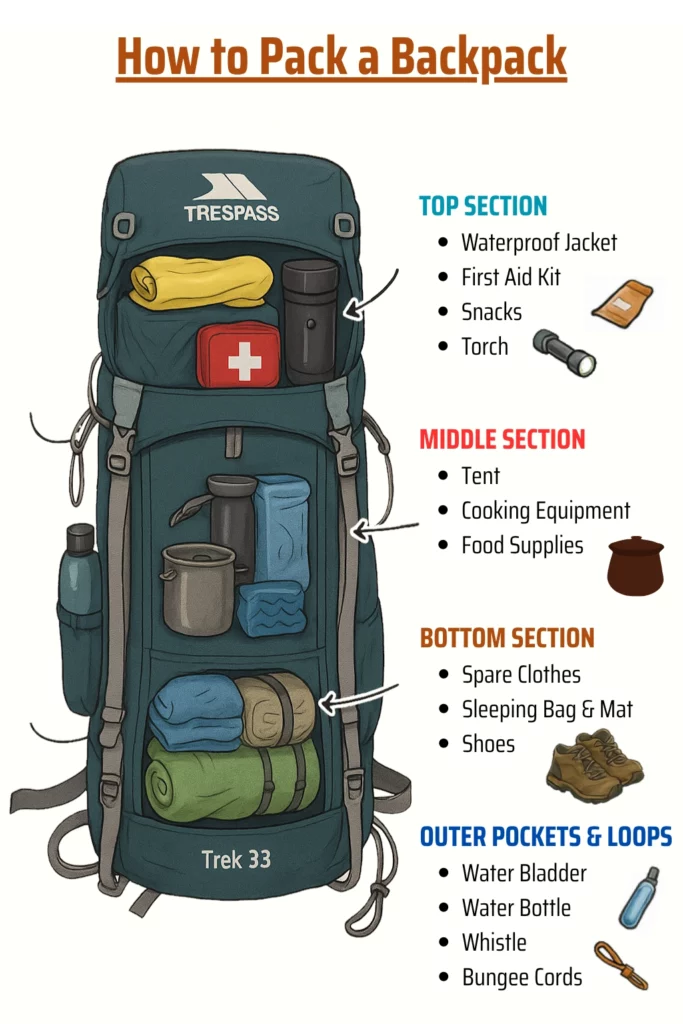
Organize your backpack for easy access. Store the sleeping bag at the bottom if not needed immediately. Secure it with straps or bungee cords to keep it in place. This prevents shifting during movement. Keep essentials like a tent or raincoat on top. This strategy saves time and avoids hassle when setting up camp.Common Mistakes To Avoid
Packing a sleeping bag improperly can lead to dampness and discomfort. Avoid rolling it tightly; instead, stuff it loosely into the sack. Ensure it’s dry before packing to prevent mold and odor.
Packing a sleeping bag for backpacking might seem straightforward, but many fall into common pitfalls that can make the experience less enjoyable. Avoiding these mistakes can save you from discomfort, extra weight, and potential damage to your gear. Recognizing and correcting these errors is crucial for a successful backpacking trip.Overpacking And Overcompressing
It’s tempting to cram every possible item into your sleeping bag’s stuff sack, thinking you’ll save space. However, overpacking can lead to a heavier load, making your hike unnecessarily difficult. Moreover, overcompressing your sleeping bag can damage its insulation, reducing its effectiveness in keeping you warm. Ask yourself if you really need that extra layer or gadget. Consider using a larger compression sack if necessary, but don’t overdo it. Preserve your bag’s loft to ensure it remains efficient.Neglecting Weather Conditions
Ignoring the forecast can lead to packing the wrong type of sleeping bag. A bag that’s too warm or too cold for the night can ruin your trip. Pay attention to temperature ratings and weather predictions to select the appropriate sleeping bag. A 15-degree bag might be perfect for chilly mountain nights but overkill for a summer outing. Check the weather and plan accordingly. Layering can also help adjust to unexpected temperature changes.Ignoring Bag Maintenance
It’s easy to forget about your sleeping bag once you’re back from the trail. Ignoring maintenance can shorten its lifespan and reduce performance. Regular cleaning and proper storage are essential to keep it in top condition. After a trip, air out your sleeping bag to remove moisture and odors. Store it loosely in a dry place, not compressed in its sack. This simple routine will extend its life and ensure it’s ready for your next adventure. Are you guilty of any of these mistakes? Reflect on your packing habits and see where you can improve. Small changes can make a big difference in your backpacking experience.Expert Tips For Efficient Packing
Rolling your sleeping bag tightly saves space and keeps it compact. Use compression sacks to squeeze out air. Place it at the bottom of your backpack for stability and easy access.
Packing a sleeping bag for backpacking can make or break your outdoor adventure. An efficiently packed sleeping bag not only saves space but also ensures you’re prepared for any unexpected circumstances. Whether you’re a seasoned backpacker or a novice hitting the trails for the first time, these expert tips will help you make the most of your packing strategy.Maximizing Space
Every inch of space counts in your backpack. Roll your sleeping bag tightly to minimize bulk. Utilize a compression sack. It can significantly reduce the volume of your sleeping bag. Consider placing other soft items, like clothes, around it to fill gaps and stabilize your pack.Ensuring Accessibility
Think about when you’ll need your sleeping bag. If you’re setting up camp early, pack it on top. Avoid burying it under non-essential items. Quick access can be crucial when the weather changes suddenly. A personal anecdote: I once had to unpack my entire bag in the rain to get my sleeping bag. Learning from that, I now always keep it easily reachable.Adapting To Trip Length
For shorter trips, you might not need a heavy-duty sleeping bag. Opt for a lighter one to save space. On longer adventures, prioritize warmth and comfort. Balance the need for a compact pack with the necessity of a good night’s sleep. Ask yourself: How does the length of your trip impact your packing choices? Tailor your approach accordingly for a seamless experience.
Credit: www.thepackablelife.com
Credit: www.trespass.com
Frequently Asked Questions
What Is The 20% Rule For Backpacking?
The 20% rule for backpacking advises carrying no more than 20% of your body weight. This ensures comfort and safety. For example, a 150-pound person should carry no more than 30 pounds. This rule helps prevent strain and fatigue during hiking trips.
Always pack essentials and prioritize lightweight gear.
Is It Better To Roll Or Stuff A Sleeping Bag?
Stuffing a sleeping bag is better. It prevents damage and maintains loft. Rolling can cause uneven compression. Stuffing is quicker and easier, ideal for packing in tight spaces. Keep your sleeping bag clean and dry to preserve its insulation properties.
Always store it loosely to extend its lifespan.
How To Compress A Sleeping Bag For Backpacking?
Use a compression sack to reduce your sleeping bag’s size. Roll tightly, starting from the foot end. Secure straps evenly for compactness. Ensure the sleeping bag is dry before packing to prevent damage. A well-compressed sleeping bag saves space and keeps your backpack organized.
How To Store A Sleeping Bag While Backpacking?
Store your sleeping bag in a waterproof compression sack to save space and keep it dry. Avoid keeping it in a tightly compressed state for long periods. Ensure it’s clean and dry before packing. Attach it securely to your backpack or pack it inside to prevent damage.
Conclusion
Packing a sleeping bag correctly is crucial for backpacking. It saves space and keeps your gear organized. Roll tightly to fit in small areas. Use a compression sack to reduce size. Keep your sleeping bag dry to ensure warmth. Practice packing before your trip to avoid surprises.
A well-packed bag makes your adventure smoother. Remember, preparation enhances enjoyment. Start packing smartly today for better backpacking experiences. Your next adventure awaits with a perfectly packed sleeping bag. Stay warm, stay organized, and enjoy the beauty of nature.