
Imagine stepping onto the field, ready to defend your goal, but your gloves just don’t fit right. Frustrating, isn’t it?
You’re not alone—finding the perfect goalkeeper glove size can be tricky. But worry not! We’ve got you covered. In this guide, you’ll learn exactly how to measure your goalkeeper glove size with confidence. You want to perform your best, and the right fit can make all the difference.
Whether you’re new to the game or a seasoned player, a snug fit means better grip, comfort, and control. Dive in to ensure your gloves are ready to help you make those critical saves.

Credit: www.youtube.com
Importance Of Proper Fit
Choosing the right goalkeeper gloves is crucial for performance and safety. A proper fit enhances grip, control, and comfort. Ill-fitting gloves can lead to slips and injuries. Every goalkeeper needs gloves that fit just right. Let’s explore why fit matters.
Importance Of Comfort And Control
Comfortable gloves boost confidence and focus. Tight gloves restrict movement. Loose gloves cause distractions. A snug fit ensures optimal control. This allows goalkeepers to catch and throw with precision.
Impact On Performance
Well-fitted gloves enhance performance on the field. They provide better grip and handling. This reduces the chance of dropping the ball. A secure fit helps goalkeepers react swiftly. It also improves their ability to make crucial saves.
Preventing Injury
Ill-fitting gloves increase the risk of injuries. Too tight, they restrict blood flow. Too loose, they can slip during play. Properly fitted gloves support the wrist. This minimizes the risk of strains and sprains.
Durability And Longevity
Gloves that fit well last longer. They endure less stress and wear. This ensures they remain effective over time. Investing in the right fit saves money. It reduces the need for frequent replacements.
Confidence Boost
Well-fitted gloves boost a goalkeeper’s confidence. They feel prepared and secure. This mental edge is crucial during matches. Confidence can make the difference in critical moments.
Credit: saviourgk.com
Materials Needed
Materials Needed Gather a tape measure, a pen, and paper. Ensure you have a flat surface for accurate measurements.
Measuring the right size for goalkeeper gloves isn’t just about the numbers; it’s an experience that starts with having the correct materials at hand. Imagine setting out to find the perfect fit without knowing what you need. It’s like trying to cook a gourmet dish without the ingredients. To ensure you find the perfect pair, gather these essential materials first.Ruler Or Measuring Tape
Precision is key, and nothing beats a trusty ruler or measuring tape. These tools will help you accurately measure the width of your hand and the length from your fingertips to your wrist. Avoid using a fabric tape as it may stretch and distort the measurements.
Pen And Paper
Taking notes is crucial. Use a pen and paper to jot down your measurements. This simple step saves you from relying on memory and ensures you have the exact numbers when you need them.
Calculator
Calculating the size can involve some basic math. Having a calculator handy simplifies the process and ensures you don’t make errors. A smartphone calculator works perfectly if you don’t have a physical one.
Chart Of Glove Sizes
Referencing a chart of glove sizes is invaluable. This chart is your guide to translating measurements into actual glove sizes. Many brands offer specific charts, so ensure you have the right one for your preferred brand.
Assistant
Sometimes, a little help goes a long way. Having someone assist you can provide a second opinion and ensure the tape is aligned correctly during measurement. Plus, it’s always fun to involve a friend in the process!
As you gather these materials, consider this: What’s the importance of each item in ensuring your gloves fit perfectly? By understanding the role of each material, you not only streamline the process but also enhance your chances of success. The right preparation can be the difference between a glove that feels like a second skin and one that distracts you in the heat of the game.Understanding Glove Sizing
Find the perfect fit by measuring your hand from the tip of the middle finger to the base of your palm. Use a tape measure for accuracy and round up to the nearest half inch. This ensures comfort and improved performance on the field.
Understanding the right glove size is crucial for goalkeepers. A well-fitted glove ensures comfort and control. Incorrect sizing can lead to discomfort and poor grip. Knowing how to measure your glove size is essential for optimal performance.Standard Sizing Chart
Goalkeeper gloves follow a standard sizing chart. These charts offer a reliable guide. Sizes typically range from 4 to 12. Smaller sizes fit younger players, while larger sizes suit adults. To determine your size, measure the circumference of your hand. Use a tape measure around the widest part of your palm. Exclude your thumb from the measurement. Compare your measurement to the sizing chart. This will help you find the correct glove size.Age And Size Correlations
Age can influence the glove size needed. Younger players often require smaller gloves. As players grow, their glove size increases. Here are some general correlations:- Age 6-8: Size 4-5
- Age 9-12: Size 6-7
- Age 13-15: Size 8-9
- Age 16 and up: Size 10-12

Credit: www.amazon.com.be
Steps To Measure Hand Size
Finding the right size for goalkeeper gloves is important. Proper fit boosts performance and comfort. Accurate measurements ensure the gloves fit snugly, enhancing grip and control. Follow these steps to measure your hand size accurately.
Measuring Hand Circumference
Hand circumference is the key to a proper fit. Use a flexible tape measure for accuracy.
- Wrap the tape around the widest part of your palm.
- Exclude the thumb from the measurement.
- Record the measurement in inches or centimeters.
This measurement helps determine glove size. It ensures a snug fit without being too tight.
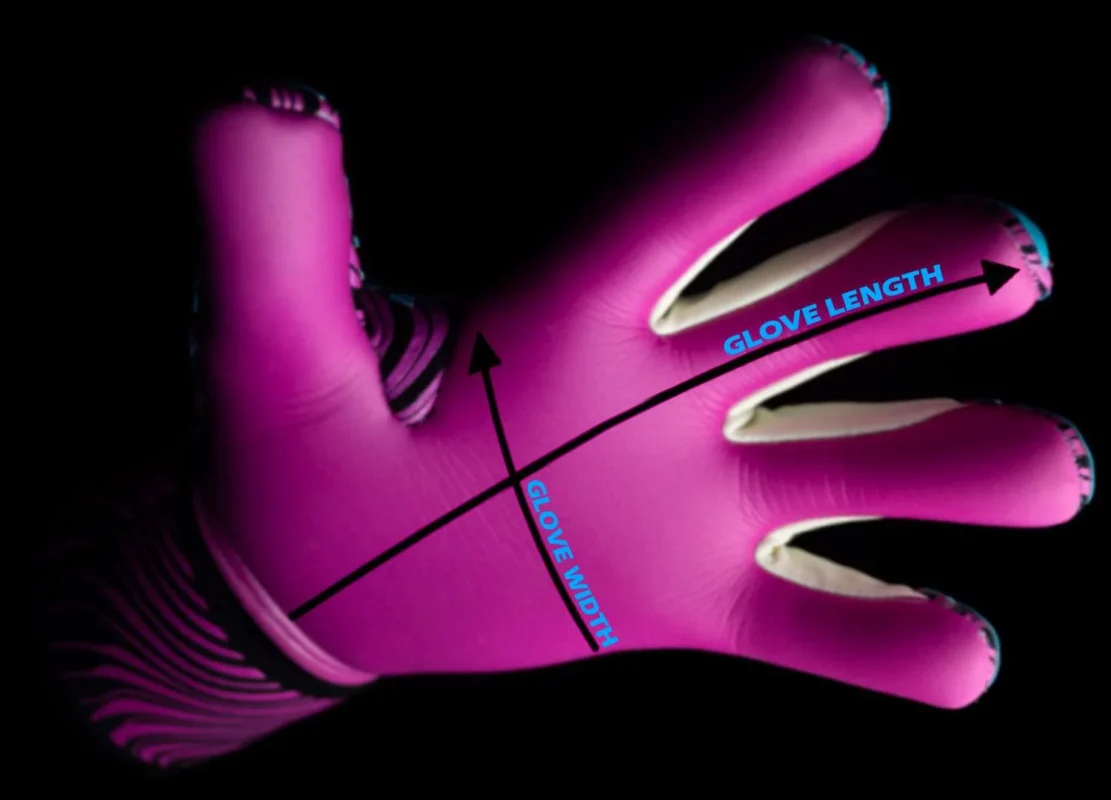
Measuring Hand Length
Hand length is another crucial factor. It helps in selecting the correct glove size.
- Place your hand flat on a table.
- Measure from the tip of your middle finger to the base of your palm.
- Record the length in inches or centimeters.
This measurement complements hand circumference. Together, they ensure the gloves fit well.
Adjusting For Glove Type
Choosing the right goalkeeper gloves is crucial for performance. Different glove types fit differently. Adjusting for glove type ensures comfort and grip. Here’s how to measure for various glove types.
Flat Cut Gloves
Flat cut gloves offer a traditional fit. They have a single piece palm with stitching on the back. Measure your hand from the base of your palm to the tip of your middle finger. Add an extra inch for comfort. This allows room for finger movement.
Roll Finger Gloves
Roll finger gloves wrap around each finger. They provide more padding and a snug fit. Measure the circumference of your hand at the widest point. Ensure the tape isn’t too tight. This helps in achieving a perfect fit.
Negative Cut Gloves
Negative cut gloves have seams on the inside. They offer a tight fit and better control. Measure your hand’s circumference, focusing on the palm. Choose a slightly smaller size for a snug feel. This enhances ball control and grip.
Common Mistakes
Measuring goalkeeper glove size seems simple but mistakes happen. These errors lead to discomfort or poor performance. Understanding common mistakes helps you avoid them.
Ignoring Hand Shape
Many focus only on length and ignore hand shape. Hands vary in width and finger length. Consider these factors for a better fit.
Not Trying On Gloves
Buying gloves without trying them on is risky. Sizes differ between brands and models. Always try them before making a purchase.
Using Incorrect Measuring Tools
Some use tools not meant for glove sizing. Tape measures and rulers work best. Ensure tools are accurate and reliable.
Overlooking Material Stretch
Glove materials stretch over time. Consider this when choosing size. A snug fit might become loose later.
Ignoring Finger Length
Finger length is crucial. Gloves should not be too tight or loose. Check glove finger length against your own.
Misjudging Comfort Over Size
Comfort matters as much as size. A glove fitting well but uncomfortable is not ideal. Prioritize both fit and comfort.
Tips For Trying Gloves
Trying on goalkeeper gloves can feel like finding the perfect pair of shoes. You want them to fit snugly, offer flexibility, and provide comfort for those long matches. Let’s delve into some essential tips to make sure your gloves are the perfect fit for your playing style.
Checking Finger Space
When you first slide your hand into a glove, pay attention to the space at the tip of your fingers. Ideally, there should be a small gap—about a quarter of an inch. This helps in ensuring that your fingers aren’t squashed, allowing for better movement and control.
If the gloves are too tight, your fingers will feel cramped, which can affect your catching ability. On the other hand, if there’s too much room, you might struggle with grip. Think of it as finding the right balance between freedom and control.
Assessing Comfort And Flexibility
Comfort is key when you’re in goal for 90 minutes. Pay attention to how the gloves feel around your hand and wrist. They should provide a secure fit without being too restrictive.
Flexibility is equally important. Try opening and closing your hand. This will help you assess if the gloves allow natural movement. If you find yourself battling with stiffness, it might be worth trying a different material or brand.
Have you ever worn gloves that felt great initially but turned uncomfortable mid-game? Ensuring flexibility and comfort from the start can prevent such mishaps. Always trust your instincts when it comes to how they feel.
When To Replace Gloves
Keeping your goalkeeper gloves in top condition is crucial for optimal performance on the field. But how do you know when it’s time to swap out your trusty pair for new ones? Recognizing the right moment can save you from an unexpected slip or a missed save.
Signs Of Wear And Tear
Check the palms of your gloves frequently. If you notice thinning or holes, it’s a clear sign they need replacing. The grip is crucial, and worn-out palms can lead to compromised saves.
Loss Of Grip
Feel like the ball is slipping through your fingers more often? This could be due to the loss of grip, a common issue with older gloves. A decline in grip can affect your confidence and performance during matches.
Unpleasant Odor
If your gloves have developed a persistent smell despite regular cleaning, it might be time to consider a new pair. This odor can indicate bacteria build-up, which is not only unpleasant but can also degrade the material faster.
Feeling Uncomfortable
Do your gloves feel snug or overly loose? Over time, gloves can lose their original fit due to wear. An improper fit can distract you during play, impacting your focus and effectiveness.
Frequency Of Use
Are you using your gloves daily or only during matches? The frequency of use can significantly influence their lifespan. Consider replacing gloves more often if they’re part of your daily gear.
Replacing your gloves at the right time is essential to maintain your edge on the field. Keep these signs in mind and ensure your gear is always match-ready. After all, a goalkeeper’s gloves are more than just equipment—they’re an extension of your skills and strategy.
Expert Recommendations
Finding the right goalkeeper glove size is crucial for performance. Measure from the tip of your middle finger to the base of your palm. Round to the nearest inch, then add one inch for a comfortable fit.
When choosing goalkeeper gloves, getting the right size is crucial. Expert advice can guide you in this process. Properly fitting gloves improve performance and comfort. Let’s explore some expert recommendations for measuring your glove size.Use A Measuring Tape
Start with a soft measuring tape. Wrap it around the widest part of your hand. This is usually just below your knuckles. Exclude your thumb from the measurement. The number in inches will help determine your glove size.Consider Your Finger Length
Finger length is important for a comfortable fit. Measure from the tip of your longest finger to the base of your palm. This ensures the glove covers your fingers properly. It prevents bunching or excess space.Check The Brand’s Size Chart
Different brands may have slight size variations. Always refer to the brand’s size chart. Compare your measurements with their guidelines. This helps find the most accurate size for you.Try On Different Sizes
If possible, try on several glove sizes. Feel how they fit your hand and fingers. Ensure they provide a snug fit without being too tight. This hands-on approach often leads to the best fit.Account For Goalkeeper Needs
Consider the specific demands of your position. Some goalkeepers prefer a tighter fit for better control. Others might need a looser glove for comfort. Your playing style can influence your ideal glove size.Consult With Experienced Players
Seek advice from seasoned goalkeepers. They can share insights from their experiences. Their tips can be valuable in choosing the right glove size. This peer guidance can be invaluable.Frequently Asked Questions
How Do I Calculate My Glove Size?
Measure around your palm at its widest point using a measuring tape. Exclude the thumb. Match inches to standard glove sizes.
What Size Gk Gloves For A 13 Year Old?
A 13-year-old typically needs GK gloves in sizes 6 to 7. Always check the brand’s sizing chart for accuracy. Measure the hand’s circumference for a precise fit. A good fit ensures optimal performance and protection. Ensure a snug fit without being too tight.
What Is A Size 6 Goalie Glove?
A size 6 goalie glove is designed for youth players. It measures approximately 6 inches across the palm. Ideal for ages 10-12, it provides a snug fit and excellent grip. Always check the brand’s sizing chart for accurate measurements.
What Size Glove Is 22cm?
A 22cm hand circumference usually corresponds to a medium or size 8 glove. Check specific brand sizing charts for accuracy.
Conclusion
Finding the perfect glove size matters. It ensures comfort and grip. Measure your hand carefully. Use a measuring tape or ruler. Compare your measurement with size charts. Check different brands for variations. Try gloves on if possible. Feel the fit, not too tight or loose.
Proper glove size improves performance. It protects your hands better. Practice measuring regularly. You will find the right fit with patience. Enjoy playing with confidence. Your glove should feel like an extension of your hand.