
Ever found yourself standing in front of your closet, holding a pair of soccer cleats, and wondering if you could just use them for your baseball game instead of buying a new pair? You’re not alone.
Many athletes and parents face this dilemma, seeking convenience and cost-saving solutions. But here’s the twist: what if using those cleats could affect your performance or even your safety on the field? That’s right—this decision could be more important than you think.
Stick around, because we’re about to dive into the reasons why your choice of footwear matters, and how it could be the secret to unlocking your true potential in the game. Whether you’re a parent trying to make the best choice for your child, or an athlete looking to optimize your gear, the insights you’ll gain might just change the way you think about sports equipment forever.
Soccer Cleats Vs Baseball Cleats
Choosing the right footwear is crucial in sports. Soccer and baseball, though both played on fields, require different cleats. The design, purpose, and functionality of soccer and baseball cleats vary significantly. Understanding these differences can enhance performance and ensure safety on the field.
Design Differences
Soccer cleats are lightweight and low-cut. They provide excellent ankle mobility. This design helps players change directions quickly. Soccer cleats have a flat outsole with rubber or plastic studs. These studs are evenly distributed for balanced traction.
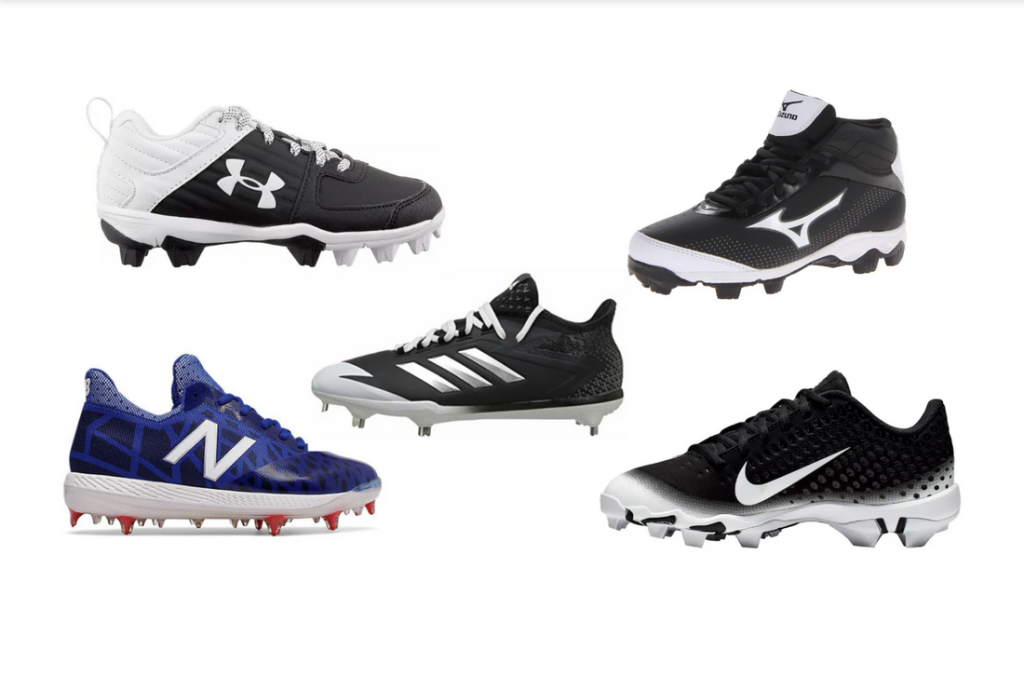
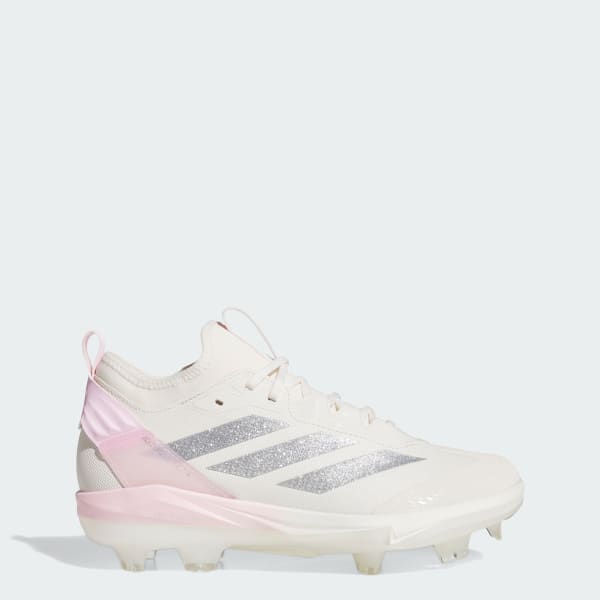
Baseball cleats, by contrast, often feature a mid or high-top design. This offers more ankle support. The outsole has metal or molded spikes. These spikes are strategically placed for grip on dirt and grass. This design aids in quick sprints and secure footing.
Purpose And Functionality
Soccer cleats focus on agility and speed. They are designed for constant running and quick turns. The cleats ensure minimal interference with ball control.
Baseball cleats prioritize stability and traction. They help players sprint from base to base. The spikes dig into dirt, providing strong grip during plays.
Both cleats serve specific functions tailored to each sport. Using the right cleat enhances performance and reduces injury risks.
Credit: www.adidas.com
Performance Impact
Choosing the right footwear is crucial in sports. Soccer cleats and baseball cleats have different designs. Using soccer cleats for baseball can affect your game. Let’s explore how they impact performance on the field.
Traction On The Field
Soccer cleats have smaller studs. They are designed for smooth fields. Baseball fields have dirt and grass. They need different traction. Soccer cleats may slip on the baseball field. Baseball cleats have longer spikes. They grip the ground better. This helps in running and stopping quickly.
Comfort And Fit
Comfort is key in any sport. Soccer cleats are light and snug. They fit close to the foot. This helps with ball control. Baseball cleats provide more support. They have a different fit. Baseball involves more lateral movement. Soccer cleats might not support this. This can cause discomfort or injury.
Safety Concerns
Soccer cleats may pose safety risks in baseball due to differing field conditions and sport-specific requirements. Baseball demands specialized footwear for optimal grip and protection. Using soccer cleats might lead to slips or inadequate support during play, raising concerns about player safety.
When considering whether to use soccer cleats for baseball, safety should be your top priority. The design and functionality of soccer cleats differ significantly from baseball cleats, which can raise important concerns. Ensuring you’re equipped with the right gear can be the difference between a safe game and one filled with avoidable injuries.Injury Risks
Wearing the wrong type of cleats increases the risk of injury. Soccer cleats lack the front toe spike found in baseball cleats, which aids in grip during sprints and quick direction changes. Without this, you might slip on the base paths or struggle with traction in the outfield. Soccer cleats are also generally designed for flat surfaces, whereas baseball fields can have varied terrains. This mismatch can lead to ankle twists or falls, especially when making sharp turns or quick stops.Regulations And Rules
Before stepping onto the field, check the regulations of your league or team. Many leagues have specific rules about the type of footwear allowed. Wearing soccer cleats could result in disqualification or penalties. Additionally, referees or umpires might not allow you to play if you’re not in proper gear. This could not only affect your game but also your team’s performance. Always verify the equipment guidelines to ensure compliance and safety. Is saving a few bucks by using soccer cleats worth the risk of injury or being benched? Prioritize your safety and play by the rules to enjoy the game to its fullest.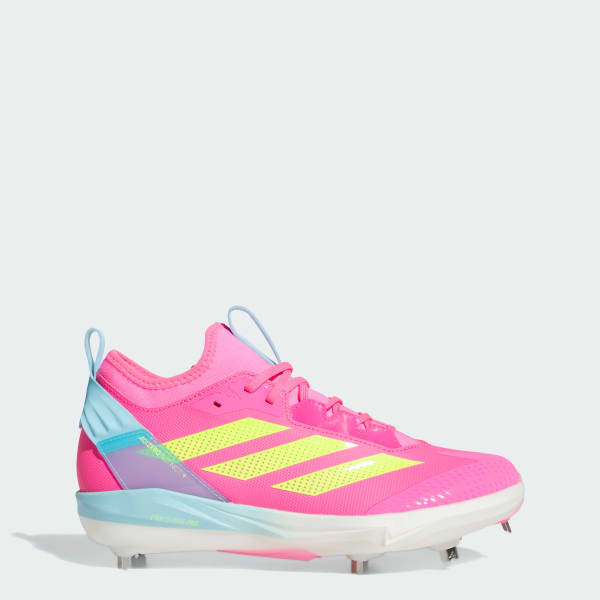
Credit: www.adidas.com
Versatility And Adaptability
Soccer cleats often serve more than one purpose. Their design allows them to be used in different sports. This versatility makes them appealing to many athletes. But can soccer cleats work for baseball? Let’s explore this idea.
Multi-sport Cleats
Multi-sport cleats are popular among young athletes. They offer flexibility and cost savings. These cleats are designed for various sports, including soccer and baseball. They provide good grip on grass and dirt. This makes them suitable for both fields.
Using one pair of shoes for multiple sports can be convenient. It reduces the need to switch shoes during the day. It also simplifies packing for practice or games.
Adapting Soccer Cleats For Baseball
Adapting soccer cleats for baseball is possible. Soccer cleats have shorter studs. This is beneficial on baseball fields. They provide adequate grip without damaging the field.
However, some differences exist. Baseball cleats often have a front cleat for better traction. Soccer cleats lack this feature. This might affect performance slightly.
Consider the field conditions before choosing cleats. Wet or muddy fields might need specialized footwear. Always ensure the cleats provide comfort and support during play.
Expert Opinions
Considering using soccer cleats for baseball sparks diverse expert opinions. Some suggest they might work, but traction and ankle support differ. Always check league rules before deciding.
When considering the use of soccer cleats for baseball, it’s essential to turn to the experts for guidance. This is a topic that often sparks debate among athletes and coaches. Understanding their perspectives can help you make an informed decision.Athlete Insights
Many athletes have shared their experiences switching between different sports cleats. Some find that soccer cleats offer better agility due to their lighter weight and design. However, the lack of a toe spike can be a drawback in baseball, where quick starts are crucial. Athletes often mention comfort as a key factor. Soccer cleats are generally designed for running and offer better flexibility. This might be beneficial for outfielders who cover a lot of ground. Do you prioritize agility over traction? This is a question many athletes ponder when choosing their footwear. Your position on the field could influence your choice.Coach Recommendations
Coaches often emphasize the importance of sport-specific gear. They argue that baseball cleats are designed with the specific movements and needs of the game in mind. The toe spike, for instance, provides essential traction for sprinting. Some coaches suggest trying soccer cleats during practice. This allows players to experience the difference without the pressure of a game. Yet, most advise sticking to baseball cleats for competitive play for optimal performance. Consider discussing with your coach if you’re thinking about making the switch. They can offer insights based on years of experience and understanding of the game.Final Thoughts
Choosing the right footwear for sports is more crucial than it might seem. If you’re pondering whether your soccer cleats can double up for baseball, you’re not alone. Many athletes face this dilemma, wondering if one pair of shoes can serve multiple purposes without compromising performance. Let’s delve into making an informed decision and explore alternatives to soccer cleats.
Making An Informed Decision
Soccer cleats are designed for traction on grass, allowing quick movements and agility. Baseball, however, requires different dynamics. Baseball shoes offer features like toe reinforcement for better grip during runs and slides. Consider your position in baseball; pitchers and catchers might need specific cleat features that soccer shoes lack.
Reflect on your sports goals and frequency. If you play baseball often, investing in specialized cleats could enhance your performance. If soccer is your primary sport, using soccer cleats occasionally for casual baseball games might suffice. What do you prioritize more—comfort or versatility?
Alternatives To Soccer Cleats
If soccer cleats aren’t cutting it, explore baseball-specific options. Molded cleats are versatile and good for different surfaces. Metal cleats offer excellent grip but are restricted in some leagues due to safety concerns. Turf shoes are ideal for artificial surfaces, offering comfort without the aggressive grip of cleats.
Consider cross-training shoes for a middle-ground solution. They provide decent traction and are versatile enough for various sports activities. Talk to teammates or coaches for recommendations based on their experiences. You might discover a brand or style that suits your playing style perfectly.

Credit: www.facebook.com
Frequently Asked Questions
Is It Okay To Use Soccer Cleats For Baseball?
Using soccer cleats for baseball is not recommended. Baseball cleats provide better grip and support on dirt and grass. Soccer cleats lack the toe spike, reducing traction needed for running bases. For optimal performance and safety, choose sport-specific cleats.
Can You Use Any Cleats For Baseball?
No, you cannot use any cleats for baseball. Baseball requires specific cleats for safety and performance. Choose molded, metal, or turf cleats designed for baseball to ensure proper grip and support. Ensure they meet the league’s regulations. Proper baseball cleats enhance performance and prevent injuries.
Do Soccer And Baseball Use The Same Cleats?
Soccer and baseball cleats differ. Soccer cleats are lighter with no toe spike. Baseball cleats have a front spike for traction. Each sport requires specific cleats for optimal performance and safety. Wearing the right cleats ensures better grip and reduces injury risk.
Can You Use Soccer Cleats For Little League Baseball?
Yes, but it’s not recommended. Soccer cleats lack the front toe stud needed for baseball traction. Baseball cleats provide better grip for running and fielding. Always check league rules, as some may require specific types of cleats for safety and performance.
Conclusion
Choosing the right cleats matters for your performance. Soccer cleats can work for baseball but aren’t ideal. Baseball demands specific features for safety and agility. Soccer cleats lack toe spikes and the right traction. These differences can affect your grip and movement.
Dedicated baseball cleats offer better support and stability. They enhance your playing experience. Always consider your sport’s unique needs. This ensures you play safe and perform well. Investing in the right gear benefits your game and keeps you secure. Make informed choices for your sports equipment.
Your feet will thank you!