

Imagine waking up one morning, ready to strap on your favorite automatic watch, only to find it has stopped ticking. Frustrating, right?
You invested in a timepiece that promises reliability and elegance, yet it’s sitting idle. Automatic watches, while beautifully crafted, require a bit of attention to keep them running smoothly. But don’t worry; keeping your watch ticking isn’t as complicated as it might seem.
With a few simple tips and tricks, you can ensure your watch is always ready to accompany you on life’s adventures. Whether you’re a seasoned collector or a curious newbie, this guide will give you the confidence to maintain your automatic watch effortlessly. Let’s dive in and make sure your treasured timepiece never misses a beat.
Understanding Automatic Watches
Automatic watches are fascinating devices that combine precision engineering with timeless elegance. Unlike quartz watches that rely on batteries, automatic watches harness the energy from your wrist’s movement. Understanding how these watches work and the various types available can help you maintain them effectively and appreciate their unique charm.
Mechanism And Functionality
At the heart of an automatic watch is a rotor, a semi-circular component that spins with the motion of your arm. This rotor winds the mainspring, storing energy to power the watch. Imagine the rotor as a tiny windmill inside your watch, capturing movement and translating it into timekeeping. This intricate mechanism allows the watch to run without manual winding or a battery.
Automatic watches have a balance wheel and escapement, which regulate the release of stored energy to the gears. This ensures your watch ticks at a consistent rate. The beauty of this mechanism lies in its self-sufficiency—you’re the power source. Do you ever wonder how this connection makes automatic watches a personal statement of style and endurance?
Types Of Automatic Watches
- Dress Watches:These are designed for formal occasions, often featuring minimalist designs and fine materials. A classic choice, they seamlessly blend functionality with elegance.
- Dive Watches:Built for underwater adventures, these watches boast water resistance and robust construction. They exemplify durability, making them perfect for active lifestyles.
- Sports Watches:Known for their rugged design and additional features like chronographs, sports watches cater to enthusiasts who appreciate precision and performance.
Each type serves a different purpose, offering unique features tailored to specific needs. Whether you’re attending a gala or exploring the ocean depths, there’s an automatic watch for you.
In choosing the right type, consider your lifestyle and how you want your watch to complement it. Does your watch reflect your passion for adventure or your appreciation for craftsmanship?
Credit: mtscwatch.com
Winding And Wearing
Automatic watches are marvels of engineering. They harness the energy from your wrist’s movement to keep ticking. This process is vital for maintaining their accuracy and longevity. Understanding the balance between winding and wearing is key to ensuring they function optimally.
Importance Of Regular Wearing
Wearing your automatic watch regularly keeps it powered. The movement of your wrist generates energy, which winds the watch’s mainspring. This is crucial for maintaining its accuracy. Without regular movement, the watch can stop and need manual winding. Wearing it consistently also helps keep its lubrication fresh and effective.
Manual Winding Techniques
Manual winding can complement regular wear. It ensures your watch is fully wound, even when worn infrequently. To wind manually, turn the crown slowly in its normal position. Do this until you feel resistance, which indicates it’s fully wound. Avoid over-winding, as it can damage the mechanism. A gentle approach is best for maintaining the watch’s health.
Proper Storage Practices
Proper storage practices ensure automatic watches run smoothly. Store them in a dry, cool place away from magnets. Use a watch winder to maintain movement when not worn.
Proper storage practices play a crucial role in maintaining the performance and longevity of your automatic watch. Whether you’re a seasoned collector or a casual enthusiast, understanding how to store your timepiece correctly can prevent unnecessary wear and keep it ticking accurately. Have you ever noticed your watch losing time after being left idle for too long? This can often be a result of improper storage. Let’s dive into how you can ensure your watch stays in optimal condition even when not in use.Use Of Watch Winders
A watch winder is an excellent tool for keeping your automatic watch running smoothly. It simulates the motion of your wrist, ensuring the watch remains wound even when you’re not wearing it. Imagine this: you go on a week-long vacation, leaving your watch at home. Upon return, you find that it has stopped. A watch winder prevents this inconvenience, keeping the gears in motion and maintaining the watch’s accuracy. However, not all winders are created equal. It’s important to choose one that suits your watch’s specifications. Consider the rotations per day (RPD) required for your model. This ensures that the watch is wound correctly without overwinding, which could damage the mechanism.Ideal Storage Conditions
Storing your watch in the right environment is just as crucial as using a winder. A watch should be kept away from extreme temperatures, humidity, and direct sunlight. A cool, dry place is ideal. Excessive heat can cause oils inside the watch to dry up, affecting its movement. On the other hand, humidity can lead to rust or corrosion, especially in older models. Think about where you store your watch. Is it near a window where direct sunlight can heat it up? Consider moving it to a drawer or a cabinet to protect it from environmental changes. Additionally, a dedicated watch box can offer protection against dust and accidental knocks. These storage solutions not only safeguard the watch but can also serve as an elegant display for your collection. Proper storage practices are key to preserving your automatic watch’s functionality. Are you storing your watch in the best conditions possible?Maintenance And Servicing
Automatic watches are fascinating pieces of craftsmanship, blending intricate mechanics with timeless elegance. To ensure your watch keeps ticking smoothly and accurately, regular maintenance and servicing are crucial. Neglecting these aspects can lead to a decline in performance, leaving you with a watch that tells more than just time—it tells a story of lost precision.
Routine Cleaning Tips
Dust and dirt can be a watch’s worst enemies. Regular cleaning is essential to keep your automatic watch in pristine condition. Use a soft microfiber cloth to wipe down the case, ensuring you remove any fingerprints and smudges. This simple step prevents grime from building up over time.
Consider using a soft brush, like a toothbrush, to gently clean around the bracelet and case. This helps dislodge any dirt trapped in the crevices. Avoid using water unless your watch is water-resistant. Even then, a damp cloth is safer than submerging your watch.
Have you ever thought about how often you clean your watch? Regular cleaning can extend its life, keeping it looking as good as new. Dedicate a few minutes each month for this task, and you’ll notice the difference it makes in its appearance and function.
Professional Servicing Intervals
Just like a car needs a tune-up, your automatic watch requires professional servicing to maintain its accuracy. Experts recommend having your watch serviced every three to five years. This interval ensures that the watch’s internal mechanisms are lubricated and functioning correctly.
During servicing, a professional will check for worn-out parts and replace them if necessary. They also regulate the timekeeping accuracy, ensuring your watch remains precise. Think of it as a health check-up for your watch, essential for its longevity.
Have you ever considered the peace of mind that comes with knowing your watch is in top condition? Regular servicing not only improves performance but can also prevent costly repairs down the line. It’s an investment in your watch’s future.
Troubleshooting Common Issues
Ensuring automatic watches keep running smoothly involves regular winding and wearing them often. Store them on a watch winder when not in use. Clean the watch and ensure it’s serviced by a professional every few years to maintain optimal performance.
Automatic watches are marvels of engineering, but like any intricate machine, they can face issues that disrupt their performance. Understanding how to troubleshoot these common problems can save you time and money, while ensuring your watch keeps ticking smoothly. Let’s dive into some of the most frequent issues and how to address them effectively.Dealing With Time Inaccuracies
Time inaccuracies can be frustrating, especially if you rely on your watch for daily tasks. First, ensure your watch is fully wound. Unlike quartz watches, automatics depend on your movement. Wearing your watch for at least 8 hours a day can help maintain its accuracy. If you notice persistent inaccuracies, consider the environment. Extreme temperatures or magnetic fields can affect the watch’s precision. I once had my automatic watch run too fast after leaving it near a speaker. Moving it back resolved the issue. If all else fails, consult a professional to fine-tune your watch’s movement.Addressing Power Reserve Problems
A common issue with automatic watches is a depleted power reserve. If your watch stops overnight, it might not be getting enough wrist time to fully charge. Try wearing it consistently during the day to keep it powered. Another quick fix is using a watch winder. This handy device mimics the motion of your wrist and keeps your watch wound when you’re not wearing it. It’s perfect for those with multiple watches in their collection. If your watch still struggles to hold a charge, it may need servicing. Over time, the lubricants in the movement can dry out, affecting performance. Regular maintenance ensures your watch remains in top condition and prevents unexpected stoppages. By addressing these common issues, you can ensure your automatic watch remains reliable and enjoyable to use. Have you experienced any other challenges with your automatic watch? Share your stories in the comments below!
Credit: www.amazon.com
Buying And Collecting Tips
Keep your automatic watch running by wearing it regularly to maintain its power reserve. Store it in a watch winder when not in use for extended periods. Regular servicing ensures longevity and accuracy.
Buying and collecting automatic watches is not just a hobby; it’s an art that combines passion with precision. Whether you’re a beginner or an experienced collector, knowing how to choose the right model and evaluate its quality and value is crucial. Each watch tells a story, and your collection should reflect your unique taste and understanding of horology.Choosing The Right Model
Selecting the perfect automatic watch can be a daunting task given the variety of models available. Start by identifying what features you value most—do you prefer a classic design, a modern look, or perhaps a sporty vibe? Consider your lifestyle and how often you plan to wear the watch. Research is key. Look into the history of the brand and the particular model you’re interested in. A good story or heritage can add significant sentimental value to your purchase. Remember, the right model is one that resonates with you personally and fits seamlessly into your everyday life.Evaluating Quality And Value
When assessing the quality of an automatic watch, pay attention to the movement. A well-crafted movement is the heart of any good watch, ensuring accuracy and longevity. Don’t hesitate to ask about the movement type and its reputation. Examine the materials used in the watch’s construction. High-quality materials like sapphire crystal and stainless steel not only enhance durability but also add to the watch’s aesthetic appeal. Compare prices across different sellers to ensure you’re getting good value for your investment. Think about future resale value. Some watches retain or even appreciate in value over time. Research past trends and market demand for specific brands and models. This approach not only secures your investment but also adds an exciting dimension to your collecting journey. What qualities do you think make a watch truly timeless?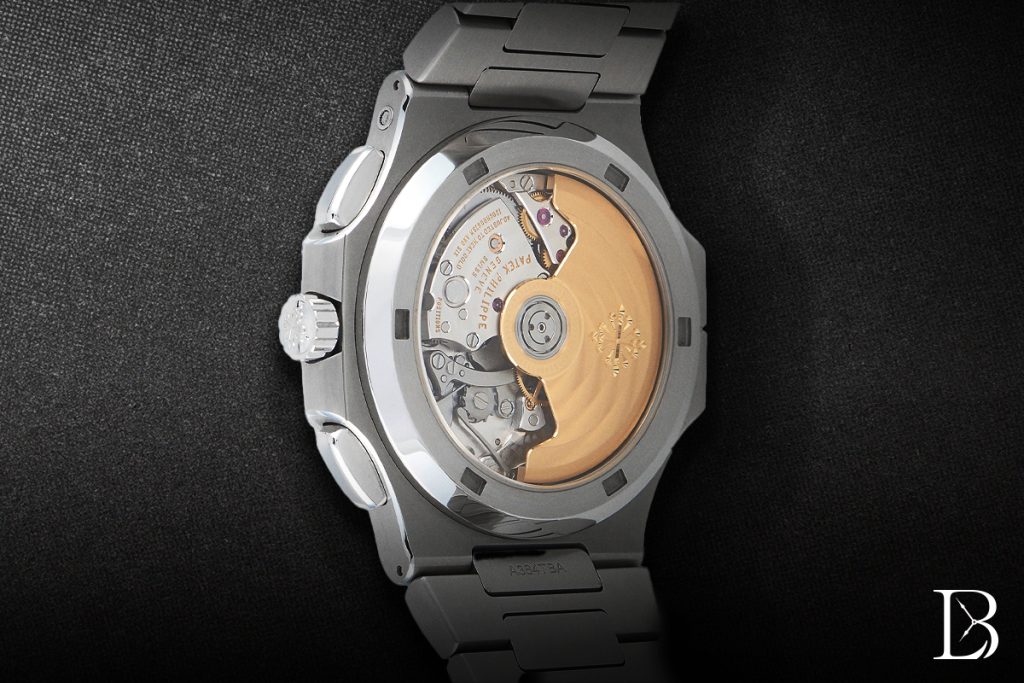
Credit: www.luxurybazaar.com
Frequently Asked Questions
How To Stop Automatic Watches From Stopping?
To keep automatic watches running, wear them regularly to ensure they stay wound. Use a watch winder when not wearing them. Manually wind the watch by turning the crown 30-40 times if needed. Keep the watch clean and serviced to maintain optimal performance.
How Much Movement To Keep An Automatic Watch Running?
An automatic watch requires regular wrist movement or 6-8 hours of daily wear. This keeps its internal rotor active.
How Long Will An Automatic Watch Run Without Wearing It?
An automatic watch typically runs for 24 to 48 hours without being worn. Winding the watch manually or using a watch winder can extend its running time. Keep your watch active by wearing it regularly to ensure continuous operation and accuracy.
How To Keep Multiple Automatic Watches Running?
Keep multiple automatic watches running by using a watch winder. Wear them regularly to maintain motion. Ensure proper winding by setting the watch winder correctly for each watch model. Store watches in a safe, temperature-controlled environment to prevent damage. Regularly check and maintain each watch’s functionality.
Conclusion
Keeping automatic watches running smoothly involves simple care steps. Regular wear keeps mechanisms active. Store watches in a winder when not in use. Avoid magnetic fields which disrupt movement. Clean watches gently to prevent dust build-up. Timely servicing extends lifespan.
Proper maintenance ensures reliability and accuracy. Enjoy the elegance of automatic timepieces with peace of mind. Follow these tips to cherish your watch for years. Automatic watches deserve attention and care. Treat them well, and they serve you well. Remember, a little effort goes a long way in keeping them ticking beautifully.