
Have you ever wondered if the length of your trekking pole is just right? It might seem like a small detail, but getting it wrong can lead to discomfort or even injury on the trail.
Imagine reaching the summit with ease, feeling the balance and stability with every step you take. This is the kind of experience you deserve, and it all starts with understanding the perfect pole length for you. We’re diving into the science and secrets behind finding that ideal measurement.
Stick with us, and you’ll discover how the right pole length can transform your trekking adventures into truly unforgettable experiences. Let’s get your trekking pole length just right!

Credit: sectionhiker.com
Choosing The Right Length
Choosing the right trekking pole length is key for comfort and efficiency. Consider your height and terrain type. Adjustable poles offer flexibility for varying trail conditions.
Choosing the Right Length Selecting the appropriate length for your trekking poles can significantly enhance your hiking experience. A well-chosen pole length provides better stability and reduces stress on your joints. But how do you determine what’s right for you?Factors To Consider
Several factors influence the ideal length of your trekking poles. Your height is a primary consideration; taller individuals typically need longer poles. The type of terrain you plan to traverse also plays a critical role. On uphill climbs, shorter poles allow for better leverage, while longer poles are advantageous on descents for added support. Your personal preference and trekking style should not be overlooked. Some hikers prefer a more upright posture, while others favor a slightly bent arm for enhanced propulsion.Standard Length Recommendations
While personal preferences vary, there are standard length recommendations that can serve as a starting point. Most hikers find that a 90-degree bend at the elbow provides a comfortable grip. Here’s a simple guideline you can follow:- For individuals under 5’1″, poles should be around 100 cm.
- For those between 5’1″ and 5’7″, 110 cm poles are generally suitable.
- Hikers between 5’8″ and 5’11” might prefer 120 cm poles.
- For those over 6′, 130 cm poles often work best.
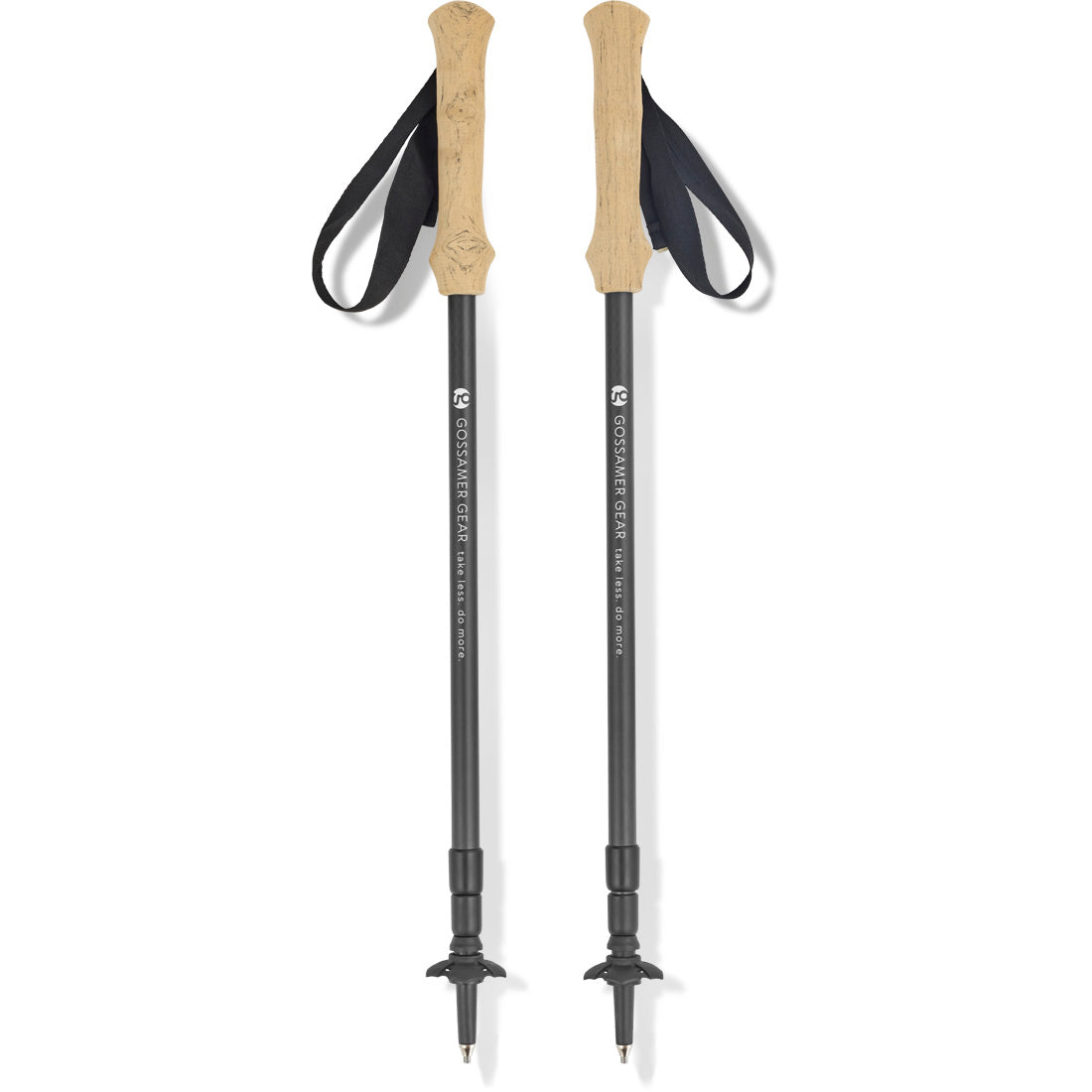
Credit: www.gossamergear.com
Adjustable Vs. Fixed Poles
Choosing between adjustable and fixed poles depends on your trekking needs. Adjustable poles offer flexibility for varying terrains. Fixed poles provide consistent support and are often lighter. Consider your trail’s difficulty and personal comfort to determine the ideal pole length.
Choosing between adjustable and fixed trekking poles is a decision that can significantly impact your trekking experience. Both types offer unique advantages, and understanding these can help you make the best choice for your needs. Whether you’re a seasoned hiker or just starting out, the right poles can make your journey more comfortable and enjoyable.Pros And Cons Of Adjustable Poles
Adjustable poles provide flexibility in various terrains. You can easily shorten them for uphill climbs and lengthen them for descents, enhancing stability and comfort. These poles are ideal for sharing among family members of different heights. They also pack down small, making them convenient for travel. However, the mechanism that allows adjustability can sometimes fail, especially if not properly maintained. In extreme conditions, such as cold weather, adjustments might become challenging.Benefits Of Fixed Length Poles
Fixed length poles are often lighter, as they lack the extra hardware of adjustable ones. This can make a significant difference over long treks where every ounce counts. They are generally sturdier and less prone to mechanical issues. You can trust them to perform consistently, especially on demanding trails. Fixed poles are less adaptable to varying terrain, but if you mainly hike on familiar paths, this might not be a concern. Is the simplicity and reliability of fixed poles worth the trade-off in versatility? As you weigh your options, consider the type of trekking you do most often. Is it worth sacrificing convenience for durability, or do the benefits of adjustability outweigh potential drawbacks?Terrain And Trekking Conditions
Trekking poles are essential for navigating various terrains during hikes. Choosing the right pole length depends on the terrain and trekking conditions. Understanding how different landscapes impact pole length can enhance your trekking experience.
Impact Of Uphill And Downhill Trekking
Uphill trekking requires shorter poles for better leverage. They help maintain balance and reduce strain. Adjusting the pole length to a comfortable height is vital. This adjustment supports your ascent and eases pressure on your legs.
Downhill trekking benefits from longer poles. Longer poles offer extra stability and control. They help prevent slipping or falling on steep descents. Extending the poles provides better support and improves safety.
Adapting To Various Terrains
Different terrains require unique pole adjustments. Rocky paths may need shorter poles for agility. Shorter poles help navigate uneven surfaces more effectively.
Muddy or slippery terrains call for longer poles. Longer poles provide more grip and stability. They help you navigate safely through challenging conditions.
Sandy or soft terrains might require mid-length poles. Adjusting poles to the terrain enhances your trekking comfort. It ensures that you stay balanced and confident in varied environments.
Pole Length For Different Heights
Trekking poles are essential for a comfortable hike. They provide stability and reduce strain. Choosing the right pole length is crucial. It depends on your height and personal comfort. Let’s explore how to find the perfect pole length.
Height-based Guidelines
Choose pole length based on your height for optimal support. Here are some general guidelines:
- Under 5’1″: Use poles around 100 cm.
- 5’1″ to 5’7″: Opt for 110 cm poles.
- 5’8″ to 5’11”: 120 cm poles are ideal.
- 6’0″ and above: Consider poles of 130 cm or more.
These measurements offer a starting point. Adjust them for comfort.
Customizing For Personal Comfort
Everyone’s comfort level is different. Adjust your poles to suit your walking style. Try different lengths on varied terrains.
When walking uphill, shorten the poles slightly. For downhill, extend them for better support. Adjusting your poles can make a big difference in comfort.
Some trekking poles come with adjustable lengths. They are a great choice for changing conditions. Always test the poles before a long trek.
Expert Insights And Recommendations
Finding the right trekking pole length is essential for comfort and efficiency. Generally, keep your elbow at a 90-degree angle when holding the pole. Adjust based on the terrain; shorter for uphill and longer for downhill for optimal support.
When you’re out on a trekking adventure, the right gear can make all the difference. A crucial part of your kit should be your trekking poles. But how long should they be? This is where expert insights come into play, offering you the knowledge to choose the perfect pole length for your needs. Let’s dive into some professional advice and common pitfalls to watch out for.Professional Advice On Pole Length
Experts suggest that the ideal trekking pole length should allow your arm to form a right angle when the pole tip touches the ground. This position provides optimal support and balance on varied terrains. While adjusting, consider the type of trail you’ll be on—steeper inclines might require shorter poles, whereas flat surfaces could benefit from longer ones. Another key recommendation is to customize the pole length based on your height. As a rough guide, multiply your height in inches by 0.68 to find the right length in centimeters. This simple calculation can help ensure your poles are an extension of your body, enhancing comfort and efficiency.Common Mistakes To Avoid
A frequent mistake trekkers make is setting their poles too long or too short. A pole that’s too long may force you to hunch over, leading to fatigue and discomfort. On the other hand, a pole that’s too short can cause unnecessary strain on your arms and shoulders. Some hikers overlook adjusting their poles for different terrains. Remember, your pole length should change when you’re ascending or descending. Adjusting your poles appropriately can enhance your stability and reduce the risk of falls. Lastly, don’t forget to check the condition of the adjustment mechanisms. A loose or faulty lock can compromise your trekking experience. Regular maintenance ensures your poles remain dependable companions on your journey. Are you optimizing your trekking pole length for your adventures?
Credit: thenextsummit.org
Testing And Adjusting Your Poles
Choosing the right length for your trekking poles can enhance your hiking experience. Properly adjusted poles offer stability and reduce strain on your joints. Finding the perfect fit might require some testing and adjustments. Let’s explore how you can ensure your trekking poles are just right for you.
Trial And Error Method
Start by holding the poles with your elbows bent at 90 degrees. This is a good starting point for pole length. Walk around and see how they feel. Adjust the length if necessary. Shorten the poles for steep uphill climbs. Lengthen them for downhill descents. This method helps find a comfortable setting for different terrains.
Feedback From Experienced Trekkers
Experienced trekkers can offer valuable insights. Ask them about their preferred pole lengths. They might have tips on adjustments for various trails. Listen to their experiences with different terrains and pole settings. They can guide you on how to adjust poles for your height and stride. Their advice can save you time and effort in finding the ideal setup.
Frequently Asked Questions
What Is The Proper Length For Walking Sticks?
The proper walking stick length is typically measured from the ground to the wrist crease. Stand straight with your arms relaxed. Ensure the stick’s grip reaches your wrist. Adjust as needed for comfort and support. Proper length aids stability and enhances walking efficiency.
Is A Trekking Pole The Same As A Hiking Pole?
Trekking poles and hiking poles are essentially the same. They provide stability and reduce strain on joints. Both are used interchangeably, offering support during outdoor activities. Whether you call them trekking or hiking poles, their purpose remains consistent. Choose based on comfort, terrain, and personal preference.
How Do You Know What Size Poles You Need?
Measure your height and consider the activity type. Match pole length to your height for comfort and efficiency.
What Is The Correct Position For Walking Poles?
Hold walking poles with elbows bent at a 90-degree angle. Keep hands relaxed and poles close to the body. Ensure the tips strike the ground behind your feet as you stride. Adjust pole length based on terrain for comfort and stability.
Proper positioning enhances balance and reduces strain.
Conclusion
Finding the right trekking pole length is crucial. It enhances comfort and stability. Adjust poles to match terrain and personal comfort. Measure your height and consider the trail. Flat surfaces need shorter poles. Uphill requires longer ones. Experiment with different lengths.
Comfort is key. Proper length helps reduce fatigue and injury risk. With practice, adjusting poles becomes second nature. Enjoy your hike with confidence. Happy trekking!