
Have you ever found yourself standing by the water, eager to cast your line, only to fumble with tying your fishing hook? You’re not alone.
Many enthusiasts face this hurdle, and mastering the art of securing a hook can transform your fishing experience from frustrating to fantastic. Imagine the satisfaction of knowing your hook is securely tied, ready to catch that elusive fish. In this guide, you’ll discover simple steps to tie a fishing hook like a pro.
No more struggling or second-guessing. With straightforward instructions, you’ll gain the confidence to tackle this crucial skill, ensuring every fishing trip is a successful one. Dive in, and let’s make you the fishing expert you aspire to be!
Selecting The Right Fishing Hook
Choosing the right fishing hook is crucial for a successful catch. The right hook ensures your bait stays secure and attracts the desired fish. Understanding the different types of hooks and their uses can improve your fishing experience.
Types Of Fishing Hooks
Fishing hooks come in various shapes and sizes. Each type serves a specific purpose:
- J-Hooks:Traditional design, ideal for most fish.
- Circle Hooks:Popular for catch-and-release due to less harm.
- Treble Hooks:Multiple points, great for artificial lures.
- Offset Hooks:Used for soft plastic baits.
- Aberdeen Hooks:Long shank, perfect for small bait.
Choosing Based On Target Fish
Consider the fish species when selecting a hook. Different fish require specific hooks:
- Small Fish:Use light hooks like Aberdeen or J-hooks.
- Large Fish:Opt for strong hooks, such as circle hooks.
- Bottom Dwellers:Treble hooks work well for bottom fishing.
- Predatory Fish:Offset hooks are suitable for aggressive predators.
Matching the hook size to the fish’s mouth is vital. A hook too large or small can lead to lost catches.

Credit: www.youtube.com
Essential Knot Techniques
Fishing is not just about patience. It’s about skill too. One essential skill is tying the fishing hook properly. The right knot ensures your catch does not escape. Let’s explore some essential knot techniques that every angler should know.
Improved Clinch Knot
The Improved Clinch Knot is a classic. It’s reliable for securing the fishing line to a hook. This knot is simple and strong. First, thread the line through the hook’s eye. Twist the line around itself five times. Then, pass the end through the loop near the hook. Finally, pass it through the big loop. Pull tight to secure.
Palomar Knot
The Palomar Knot is popular for its strength. Start by doubling your line. Pass the loop through the hook’s eye. Tie a loose overhand knot. Keep the hook inside the loop. Pull the loop over the hook. Tighten by pulling the line’s ends. Trim any excess line.
Uni Knot
The Uni Knot is versatile. It’s useful for tying line to hooks and lures. Begin by passing the line through the hook’s eye. Make a loop by bringing the line back. Wrap the line around itself and the loop six times. Moisten the knot. Pull the standing line to tighten. The Uni Knot slides into place neatly.
Step-by-step Knot Tying
Tying a fishing hook correctly is essential for a successful fishing trip. Understanding the knot tying process ensures your hook stays secure. Follow these simple steps to tie your hook effectively and enjoy a smoother fishing experience.
Threading The Line
Start by threading the line through the eye of the hook. Ensure the line is long enough for knot tying. Hold the hook firmly as you pull the line through. Make sure there’s enough line left for creating loops.
Creating The Knot Loop
Form a loop with the line by doubling it back. Use your fingers to hold the loop steady. Twist the loop several times around the line. This twist forms the base of your knot. Ensure the twists are tight and consistent.
Securing The Knot
Take the end of the line and pass it through the loop. Pull the line gently to tighten the knot. Check that the knot is firm and doesn’t slip. Trim excess line with scissors for a neat finish.
Common Mistakes To Avoid
Fishing is a beloved pastime, connecting us with nature’s tranquility. Yet, tying a fishing hook can present challenges. Avoid common mistakes for a seamless fishing experience. Understanding pitfalls helps ensure success and enjoyment.
Overtightening Knots
Many anglers make the mistake of overtightening knots. It weakens the line, making it prone to breaking. A tight knot might seem secure, but it can damage the line. Instead, aim for a snug fit. Test the knot’s strength with a gentle pull. This ensures durability without compromising the line’s integrity.
Using Incorrect Hooks
Choosing the wrong hook can lead to frustration. Hooks come in various sizes and types. Each is designed for different fish species and techniques. Using the wrong hook size can scare fish away. Understand the fish you target. Select hooks that match the fish’s mouth and your bait size. This increases your catch rate and enhances your fishing experience.
Expert Tips For Success
Securely tying a fishing hook boosts your chances of catching fish. Use a strong knot, like the improved clinch knot, for reliability. Practice regularly to achieve proficiency and confidence.
Tying a fishing hook might seem like a small task, but mastering this skill can dramatically improve your fishing experience. Whether you’re a novice or a seasoned angler, adopting expert tips can elevate your hook-tying game. A secure knot means the difference between a successful catch and the frustration of a lost fish. Let’s dive into some practical insights that will make tying your fishing hook a breeze.Practicing Knot Tying
Perfecting the art of knot tying requires consistent practice. Start with the basic knots like the Improved Clinch or Palomar knot. Use different types of line—mono, fluoro, and braid—to understand how each behaves. Dedicate a few minutes each day to practice. Use a piece of rope or an old shoelace to mimic fishing line and develop muscle memory. Have you considered practicing while watching TV? It’s a productive way to multitask and improve your skills.Checking Knot Security
Before casting your line, always check the security of your knot. A quick tug can save you from losing a prized catch. Ensure the knot is tight and there are no loose ends. Inspect your knot after every few casts. Abrasion or wear might compromise its strength. Are you aware that even a perfectly tied knot can weaken over time? Regular checks will help you avoid potential break-offs. Remember, the key to success is not just in tying the knot, but ensuring it stays tied. How often do you re-tie your knots during a long fishing trip? This small step can make a significant difference in your fishing success.
Credit: www.ohero.com
Tools And Accessories
Mastering the art of tying a fishing hook enhances your angling experience. Essential tools and accessories simplify the process, ensuring secure knots. Discover techniques that keep your bait intact and improve your catch rate.
Fishing enthusiasts know the importance of tools and accessories. These items make tying a fishing hook easier. They help achieve a secure knot, crucial for catching fish. The right gear ensures an enjoyable fishing experience.Recommended Tools
- Fishing Line:Choose a strong and reliable line. It must suit the type of fish you’re targeting.
- Scissors or Line Cutter:Use these to cut the line neatly. A clean cut prevents fraying.
- Needle Nose Pliers:These pliers help hold small hooks. They also assist in securing knots tightly.
- Hook Threader:This tool makes threading the line through the hook easier. It’s handy for beginners.
Maintaining Your Gear
- Regular Cleaning:Wash your tools after every use. Saltwater can cause corrosion.
- Inspect for Damage:Check hooks and lines for wear. Replace any damaged items promptly.
- Store Properly:Keep gear in a dry place. Moisture can weaken your equipment.
- Organize Tools:Use a tackle box for organization. This keeps everything accessible and in good condition.
Benefits Of Proper Hook Tying
Proper hook tying ensures a secure connection, reducing the risk of losing fish. It enhances bait presentation, increasing the chances of attracting more catches. A well-tied hook contributes to successful fishing trips, making the experience more enjoyable and rewarding.
Tying a fishing hook properly is a skill that every angler should master. A well-tied hook can make all the difference between a successful day on the water and going home empty-handed. It’s not just about securing the bait; it’s about enhancing your entire fishing experience. Let’s dive into why mastering this skill is so beneficial.Improved Fishing Success
Properly tying your fishing hook can significantly increase your chances of catching fish. A secure hook means your bait stays in place even in turbulent waters. This stability makes your bait appear more natural, enticing fish to strike. Imagine missing out on a big catch simply because your hook wasn’t tied correctly. By ensuring a strong knot, you’re setting yourself up for a successful fishing trip. It’s the small details like these that often make a big difference.Enhanced Durability
A well-tied hook also contributes to the durability of your fishing gear. Loose or improperly tied hooks can lead to unnecessary wear and tear on your line. When the line snaps, not only do you lose your catch, but you also waste valuable time retying. Consider using knots like the Palomar or the Improved Clinch Knot, known for their strength and reliability. These knots ensure your line withstands the pressure from both fish and challenging environments. By taking a few extra moments to tie your hook correctly, you extend the life of your fishing gear.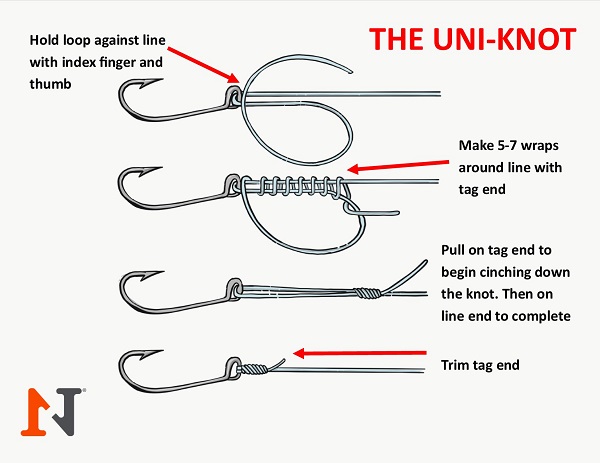
Credit: n1outdoors.com
Frequently Asked Questions
How To Tie A Fishing Hook For Beginners?
To tie a fishing hook, use the improved clinch knot. Thread the line through the hook eye. Twist the line around itself 5-7 times. Pass the end through the loop near the hook eye. Pull tight and trim excess line.
Practice to master this essential fishing skill.
How To Tie A Fishing Rig For Beginners?
Start by threading your fishing line through the hook eye. Tie a simple knot, like the clinch knot. Attach a weight or sinker below the hook. Add a bobber above, if needed. Ensure everything is secure and balanced. Practice to improve your rigging skills.
What Is The Best Knot For Fishing Hooks?
The Palomar knot is considered the best for fishing hooks. It is strong, reliable, and easy to tie. This knot maintains high breaking strength, making it ideal for various fishing lines. Using the Palomar knot ensures better hook security and improved fishing success.
What Is The Most Secure Way To Tie A Fishing Line?
The Palomar knot is the most secure way to tie a fishing line. It is easy to tie and provides strong holding power, reducing the risk of the line slipping. This knot maintains the line’s breaking strength, making it ideal for most fishing scenarios.
Conclusion
Tying a fishing hook can seem tricky at first. But with practice, it gets easier. Just follow the steps carefully. A well-tied hook catches fish better. This skill improves your fishing experience. Remember, patience is key. Try different knots and see what works best.
Always ensure the hook is secure. Double-check your work before casting your line. A secure knot means less stress while fishing. Enjoy your time outdoors and happy fishing! With these tips, you’ll be ready for your next fishing adventure. Keep learning and refining your skills for success.