
Your safety on the road is priceless, and one of the most crucial pieces of gear for cyclists is the helmet. But how long do cycle helmets last? Understanding the lifespan of your helmet is vital for ensuring your safety while riding. While it may look fine on the outside, the materials inside can degrade over time, affecting its protective capabilities.
In this article, we’ll explore the factors that influence the longevity of cycle helmets, when to replace them, and how to care for them to extend their lifespan. Knowing these essential facts can help you make informed decisions about your cycle safety gear.
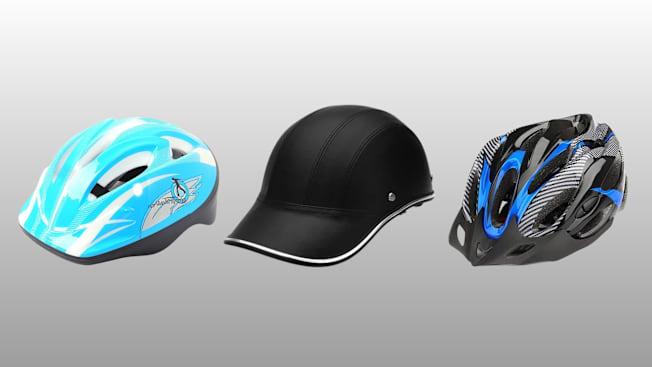
Credit: www.consumerreports.org
Understanding Cycle Helmet Lifespan
Your cycle helmet is your trusted companion on every ride, safeguarding you against potential mishaps. But how Long can it continue to provide optimal protection? On average, cycle helmets have a lifespan of 3 to 5 years, depending on various factors such as usage frequency, environmental conditions, and maintenance.
Factors Influencing Longevity
Several elements play a role in determining how long your helmet will last. The frequency of use is a significant factor; daily riders might find their helmets wearing out faster than occasional cyclists. Environmental conditions also matter. Exposure to extreme temperatures, sunlight, and moisture can degrade materials over time. For instance, UV rays can weaken the outer shell, while rain can seep into the padding.
Accidents or impacts, even minor ones, can compromise your helmet’s integrity. A helmet that has been through a crash might look fine but could be structurally unsound. Interestingly, personal care can extend your helmet’s lifespan. Simple actions like storing it in a cool, dry place and cleaning it regularly can make a difference. We cover this in detail in our Long article.
Manufacturer Recommendations
Many manufacturers provide specific guidelines on helmet lifespan, often suggesting a replacement every 3 to 5 years. These recommendations consider material degradation over time and advancements in safety technology. Some brands might offer detailed advice on when to replace your helmet based on usage and condition. Pay attention to these recommendations, as they are based on rigorous testing.
Signs It’s Time to Replace Your Cycle Helmet
It’s essential to recognize when your helmet needs replacing. Look for signs such as cracks or dents in the outer shell, worn-out padding, or a loose fit. If your helmet has been involved in an accident, it’s crucial to replace it, even if there are no visible signs of damage. Regularly inspect your helmet to ensure it remains safe for use. You may also find our Helmets helpful.
How to Care for Your Cycle Helmet
Proper maintenance can significantly extend the lifespan of your helmet. Always clean your helmet with mild soap and water, avoiding harsh chemicals that could damage the materials. Store it in a cool, dry place away from direct sunlight. Regularly check for any signs of wear and tear, and replace it when necessary to ensure your safety on the road.
FAQs About Cycle Helmet Lifespan
Q: How long do cycle helmets last?
A: Cycle helmets typically last between 3 to 5 years, depending on usage, environmental factors, and maintenance. Regular inspections can help determine if it’s time for a replacement. Learn more in our Long post.
Q: What affects the lifespan of a cycle helmet?
A: The lifespan of a cycle helmet is influenced by factors such as frequency of use, environmental conditions (like UV exposure and moisture), and any impacts or accidents it has experienced. According to Mayo Clinic fitness guide, this is important for athletes.
Q: When should I replace my cycling helmet?
A: You should replace your cycling helmet every 3 to 5 years or immediately after any significant impact or crash, even if there are no visible signs of damage. For more, see our complete guide on Cycle.
Q: Are older cycle helmets still safe?
A: Older cycle helmets may not be safe due to material degradation over time. It’s best to adhere to manufacturer guidelines and replace them as recommended.
Q: How to tell if a cycle helmet is damaged?
A: Inspect your helmet for cracks, dents, or worn-out padding. If you notice any of these signs or if the helmet has been involved in an accident, it’s time to replace it.
Q: How can I extend the lifespan of my cycle helmet?
A: To extend your helmet’s lifespan, clean it regularly, store it in a cool, dry place, and avoid exposing it to extreme temperatures or direct sunlight.
Q: What should I do with an old helmet?
A: Dispose of old helmets responsibly. Many manufacturers have recycling programs, or you can check with local recycling centers for proper disposal methods.
Q: Can I use a helmet that is past its expiration date?
A: It is not recommended to use a helmet past its expiration date, as it may not provide adequate protection due to material degradation.
In conclusion, understanding how long cycle helmets last and recognizing when to replace them is crucial for your safety. Regular maintenance and inspection can help ensure your helmet remains effective. If you’re in the market for a new helmet, check out our recommendations for the best cycle helmets available today!
🏆 Top Recommended Products
Based on expert testing and reviews, here are our top picks:
High-Quality Cycle Helmet
Provides optimal protection and comfort for cyclists.
👉 See Today’s Price on Amazon →
✔ Free shipping · Ships 1–2 days · Easy returns
Affordable Cycle Helmet
Budget-friendly option without compromising safety.
✔ Free shipping · Ships 1–2 days · Easy returns
Cycle Helmet Reviews
Find the best helmets based on user feedback and expert reviews.
🔥 Don’t Miss This Deal on Amazon →
✔ Free shipping · Ships 1–2 days · Easy returns