
Picture this: You’re cruising down a scenic path on your bicycle, the wind in your hair and the thrill of the ride lifting your spirits. But amidst this joy, there’s one crucial thing you must not overlook – your safety.
A cycle helmet is not just an accessory; it’s your best defense against unexpected mishaps. But are you wearing it correctly? In this guide, we’ll delve into the essentials of how to wear a cycle helmet properly. By the end, you’ll be equipped with the knowledge to protect yourself while enjoying every ride.
Get ready to discover the small adjustments that make a big difference in your safety. Your well-being isn’t just important; it’s non-negotiable. Let’s make sure you’re doing it right.
Choosing The Right Helmet
Secure the helmet snugly on your head without wobbling. Adjust the straps to fit comfortably under your chin. Ensure the helmet sits level, covering your forehead without tilting.
Choosing the right helmet ensures safety and comfort during cycling. A helmet is more than just a protective gear. It reflects your personal style and commitment to safety. Selecting the best helmet involves understanding different types and ensuring a proper fit.Types Of Helmets
Different helmets suit various cycling activities. Road helmets are lightweight and aerodynamic. They are perfect for speed enthusiasts. Mountain bike helmets provide extra coverage and durability. They often have visors to shield eyes from debris. Commuter helmets balance style and function. They often include reflective elements for visibility. BMX helmets offer full-face protection for extreme stunts. Choose the helmet type based on your cycling needs.Importance Of Fit
A helmet must fit well to protect effectively. It should sit flat on your head. Ensure it covers the top of your forehead. The straps should form a V under your ears. Tighten the strap until snug. It should not move when you shake your head. A helmet that fits well is comfortable and safe. Always try before buying for the best fit.
Credit: www.rudyprojectna.com
Proper Helmet Placement
Ensure your cycle helmet sits level on your head, covering your forehead properly. Adjust the straps for a snug fit, so it doesn’t wobble. The helmet should remain secure, offering maximum protection during your ride.
Ensuring your cycle helmet is properly placed is crucial for your safety. A helmet that sits correctly can mean the difference between a minor bump and a major injury. Let’s dive into the essentials of proper helmet placement to make sure you are well-protected on your rides.Positioning On The Head
The way your helmet sits on your head is more important than you might think. Make sure the helmet sits level on your head and is low on your forehead. The front edge should be about one to two finger widths above your eyebrows. This positioning not only enhances protection but also ensures you have a clear line of sight. Have you ever noticed a helmet tilting backward on someone’s head? This common mistake can leave your forehead exposed. A snug fit is essential, so your helmet doesn’t move around while you ride. Shake your head gently; if the helmet shifts, you need to adjust.Adjusting Straps
Straps are the unsung heroes of helmet safety. They keep the helmet securely in place. Start by adjusting the side straps. These should form a “Y” shape and meet just below your ears. Next, focus on the chin strap. It should be snug but comfortable. You should be able to fit one or two fingers between the strap and your chin. Anything looser and the helmet could slide off in an accident. Don’t forget to check the buckle. It should snap securely and not come undone with a little tug. Regularly inspect your straps for wear and tear. After all, a well-maintained helmet is a reliable helmet. Have you ever had a helmet shift during a ride? Adjusting the straps correctly can prevent this annoying issue and keep you focused on enjoying your ride.Securing The Helmet
Securing the Helmet Ensure the helmet sits level on your head, covering the forehead. Adjust the straps to form a snug V-shape under each ear. Fasten the chin strap, leaving just enough room for two fingers underneath. This simple routine guarantees maximum safety while cycling.
Securing the helmet is crucial for ensuring your safety while cycling. A well-secured helmet can make a significant difference in protecting you during unexpected incidents. Let’s explore how you can confidently secure your helmet to guarantee it stays put throughout your ride.Fastening Techniques
Every helmet comes with its own fastening system, whether it’s a buckle or a magnetic clasp. Familiarize yourself with the fastening method your helmet uses. Take a moment to adjust and fasten the strap under your chin. It should feel snug but not restrictive. Imagine you’re giving a presentation; you wouldn’t want your voice muffled by a tight collar, right? Consider this: if you can fit more than one finger between the strap and your chin, it’s likely too loose.Checking Strap Tightness
After fastening, it’s essential to check the tightness. An effective way to do this is by shaking your head from side to side. Does the helmet stay put? Another tip is to look in the mirror while adjusting the straps. This allows you to see and feel the fit simultaneously. Think about this: how secure would you feel if the helmet shifts every time you check your blind spot? Adjust the straps until this worry disappears. Your helmet should feel like a natural extension of your head—secure and comfortable, ready for the ride ahead.Safety Checks
Wearing a cycle helmet correctly is vital for your safety. Safety checks ensure your helmet offers maximum protection. Before every ride, take a few moments to perform these checks. This small step can make a big difference in case of an accident.
Inspecting For Damage
Check your helmet for any visible cracks or dents. Even small cracks can reduce its effectiveness. Examine the straps and buckles for signs of wear or damage. Ensure the foam padding inside is intact and not compressed. If you find any damage, replace the helmet immediately.
Regular Maintenance
Keep your helmet clean and free from dirt. Use mild soap and water for cleaning. Avoid harsh chemicals that can weaken the material. Store your helmet in a cool, dry place. Avoid direct sunlight which can degrade its materials over time. Regularly check the fit of your helmet as well. It should sit level on your head and not tilt. Adjust the straps so they form a ‘V’ shape under your ears.
Additional Safety Tips
Wearing a cycle helmet is crucial for safety. Yet, there’s more to consider beyond just wearing it. Ensuring the helmet fits right is key, but additional safety measures can enhance protection. Let’s explore some extra tips to stay safe while cycling.
Visibility Enhancements
Being seen by others is vital for cycling safety. Enhance your helmet with reflective stickers. These catch light and make you visible in low light. Use a helmet light for added visibility at night. Choose bright colors for your helmet. They stand out during the day and night.
Weather Considerations
The weather can affect your safety on the road. In sunny weather, wear a helmet with a visor. It protects your eyes from direct sunlight. Rain can make roads slippery. Choose a helmet with good ventilation. It prevents fogging on your glasses. In cold weather, consider a helmet liner. It keeps your head warm without adding bulk.

Credit: www.facebook.com
Common Mistakes
Incorrect helmet fit is a common mistake, leading to reduced protection. Ensure the helmet sits level on your head. Straps should form a V under each ear and fasten snugly.
Wearing a cycle helmet seems straightforward, yet many make common mistakes that compromise safety. Understanding these errors is crucial for ensuring your helmet offers maximum protection. Let’s explore some typical pitfalls and how to avoid them.Loose Fit Issues
A helmet that fits too loosely can shift during a fall, reducing its effectiveness. It’s easy to overlook how snug your helmet should be. If your helmet wobbles when you shake your head, it’s too loose. To correct this, adjust the size using the dial or padding inside the helmet. Ensure it sits level on your head, not tilted back. A proper fit means the helmet stays in place without squeezing your head uncomfortably.Incorrect Strap Positioning
Strap positioning is often overlooked, yet it’s vital for helmet stability. Straps that are too loose or incorrectly placed can render the helmet ineffective. The straps should form a “V” shape under your ears. Adjust the buckle so it sits comfortably under your chin, allowing no more than two fingers between the strap and your skin. Ensure the straps are evenly tightened, providing a snug fit without causing discomfort. Have you checked your helmet fit lately? Making these small adjustments could make all the difference in an accident.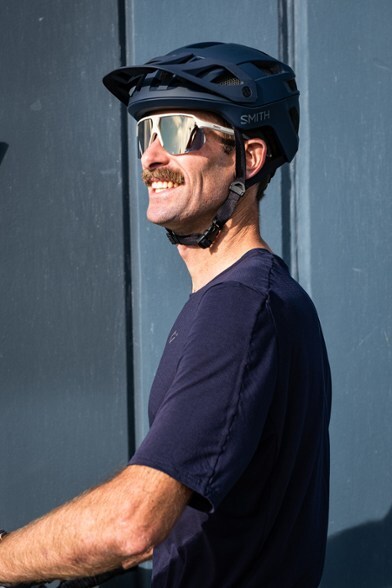
Credit: www.rei.com
Frequently Asked Questions
What Is The Correct Way To Wear A Bicycle Helmet?
Wear your bicycle helmet level on your head. Ensure the front sits two fingers above your eyebrows. Adjust the straps to form a V under each ear. Tighten the chin strap so only one finger fits under it. Ensure the helmet doesn’t wobble.
How Do You Tell The Front From The Back Of A Bicycle Helmet?
Identify the helmet front by locating the visor or the narrower side. The rear is usually wider. Check for labels or markings indicating “front” or “back” inside the helmet. Ensure straps align correctly around the ears for proper fit.
What Is The 2 2 2 Rule When Fitting A Helmet On Your Head?
The 2 2 2 rule ensures a proper helmet fit: two fingers above eyebrows, two fingers under the chin strap, and two fingers between the strap and jaw. Follow this rule for safety and comfort.
Should A Bike Helmet Cover Your Forehead?
Yes, a bike helmet should cover your forehead. Ensure it sits about one to two finger-widths above your eyebrows. This positioning protects your head effectively during impacts. A properly fitted helmet enhances safety and comfort while riding. Adjust straps and pads for a secure, snug fit.
Conclusion
Wearing a cycle helmet is vital for safety. It protects your head. Always check the fit before each ride. Ensure the straps are tight. Comfort matters, so adjust the padding. Choose a helmet that suits your style. A well-fitted helmet boosts confidence.
Safety should always come first. Riding with a helmet sets a good example. Enjoy your cycling adventures while staying safe. Remember, the right helmet can save lives. Make helmet-wearing a habit every time you ride. Protect your head, protect your life.
Happy cycling!