
Have you ever wondered how long your yoga mat can truly last? Whether you’re a seasoned yogi or just starting out, your yoga mat is your sacred space.
It’s where you find balance, peace, and strength. But as you roll it out for yet another session, you might notice signs of wear and tear. Maybe it’s losing its grip, or perhaps it doesn’t feel quite as comfortable as it used to.
Yoga mats are your trusty companions, but like anything else, they have a lifespan. Are you curious about how to maximize the longevity of your mat and ensure it serves you well? Understanding the factors that affect its durability can save you time, money, and frustration. In this post, we’ll dive into the lifespan of yoga mats, what influences their wear, and how you can keep yours in top condition for as long as possible. Stay tuned to discover the secrets to prolonging the life of your yoga mat, so you can continue to enjoy your practice uninterrupted.
Factors Affecting Yoga Mat Durability
Material quality, frequency of use, and maintenance impact yoga mat durability. High-quality mats with proper care can last longer.
Factors Affecting Yoga Mat Durability Yoga mats vary in lifespan due to different factors. Understanding these can help extend their life.Material Composition
Yoga mats come in various materials like PVC, rubber, and foam. Each material offers different levels of durability. PVC mats often last longer but might lack comfort. Rubber mats provide grip but wear out faster. Foam mats are soft but less durable. Knowing your material helps choose the right mat for long-lasting use.Frequency Of Use
How often you practice yoga affects mat lifespan. Daily use can wear out a mat quickly. Occasional use extends its life. Mats used for intense sessions may degrade faster. Consider your yoga routine when buying a mat. Frequent users should opt for more durable options.Environmental Conditions
Where you store your mat matters. Mats exposed to sunlight can fade and weaken. Humidity can cause mold or mildew. Clean mats regularly to avoid dirt build-up. Keep mats in dry, shaded areas. Proper storage ensures longer-lasting mats.
Credit: www.gq.com
Signs Your Yoga Mat Needs Replacement
Your yoga mat is your workout companion. It provides comfort and support during your practice. Over time, it may start showing signs of wear. Recognizing these signs early ensures a safe and enjoyable yoga session. Let’s explore some clear indicators that your mat needs replacement.
Visible Wear And Tear
Check your mat for visible damage. Cracks or frayed edges are clear signs. A worn-out mat can affect your balance. Small holes might also appear. These can grow with use. A new mat offers better support.
Loss Of Grip
Grip is crucial for stability in poses. If your mat feels slippery, it’s time to replace it. A loss of grip can lead to injuries. Your hands or feet should not slide. A firm grip ensures a safe practice.
Unpleasant Odor
A persistent bad smell indicates your mat’s material is breaking down. Mats absorb sweat over time. This can lead to unpleasant odors. Regular cleaning helps, but a strong smell means replacement. A fresh mat ensures a pleasant practice environment.
Extending The Life Of Your Yoga Mat
Yoga mats typically last between one to five years. Proper care, like regular cleaning and gentle use, can extend their lifespan. Store your mat away from direct sunlight to maintain its quality and durability over time.
Extending the life of your yoga mat is not just about saving money; it’s about maintaining a clean and supportive surface for your practice. A well-cared-for mat can enhance your sessions, providing comfort and grip as you move through your poses. Plus, it’s environmentally friendly to get the most use out of your mat before replacing it. Let’s explore some practical tips to help you keep your mat in great condition for years to come.Proper Cleaning Techniques
Regular cleaning is crucial for keeping your yoga mat in top shape. Sweat and dirt can degrade the material over time, so a consistent cleaning routine is essential. Use a gentle solution of water and mild soap, and wipe down your mat after each practice. Consider making a natural cleaning spray using equal parts water and vinegar, adding a few drops of essential oil for a pleasant scent. Avoid harsh chemicals, as they can break down the mat’s material. Allow your mat to air dry completely before rolling it up to prevent mold and mildew.Storage Tips
Storing your yoga mat properly can significantly extend its lifespan. Always roll it up with the practice side out to prevent curling edges. Keep it in a cool, dry place away from direct sunlight, which can fade and weaken the material over time. If you have limited storage space, consider hanging your mat using a mat strap. This not only saves space but also allows the mat to air out fully. For those who frequently practice outdoors, consider investing in a mat bag for added protection.Usage Recommendations
Your yoga mat’s longevity also depends on how you use it. Rotate the mat periodically to ensure even wear and tear. This is especially useful if you have a favorite spot for certain poses. Be mindful of using your mat on rough surfaces, which can cause abrasions. If you practice hot yoga, ensure your mat is designed to handle moisture and increased friction. Reflect on your practice habits—are there ways to adjust your routine for the mat’s sake? By implementing these simple strategies, you can enjoy a reliable and comfortable yoga mat for many practices to come. How do you currently care for your mat, and are there new techniques you might try?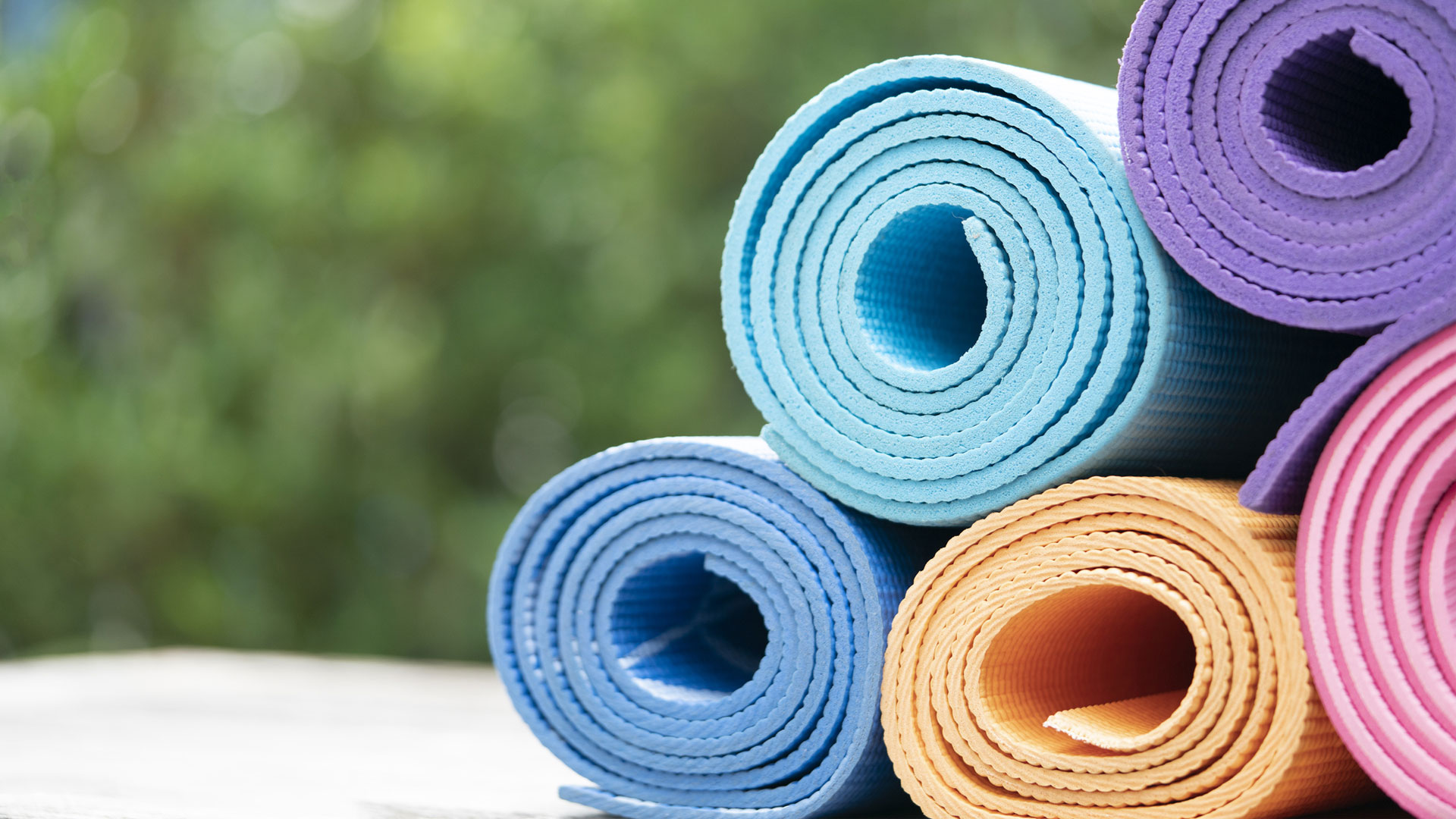
Credit: www.tomsguide.com
Comparing Longevity Of Different Yoga Mat Materials
Yoga mats differ in durability based on their material. Rubber mats usually last longer than PVC ones. Cotton mats wear out faster, but offer natural feel. Choose wisely for longevity.
When considering the longevity of a yoga mat, the material plays a significant role. Various materials offer different lifespans, and selecting the right one can ensure your mat endures countless sessions. It’s not just about the initial feel or color; it’s about how long it will support your practice.Pvc Mats
PVC mats are a popular choice due to their durability and affordability. These mats can last several years, even with regular use. However, they might not be the most eco-friendly option. Their lifespan can be extended by cleaning them regularly. While they can endure a lot, direct sun exposure might cause them to deteriorate faster. Are you willing to trade durability for environmental impact?Natural Rubber Mats
Natural rubber mats are known for their eco-friendliness and grip. They tend to last a decent amount of time, usually up to a few years with proper care. These mats can be sensitive to sunlight and moisture. If you practice outdoors frequently, you might notice quicker wear and tear. Is sustainability worth the trade-off in longevity for you?Tpe Mats
TPE mats are gaining popularity for their lightweight feel and eco-friendliness. They offer a middle ground in terms of durability, typically lasting a couple of years. Regular cleaning can help maintain their condition, but they might not be as robust as PVC mats. If you value a lighter, more environmentally conscious option, TPE could be a great fit. How important is weight and portability in your yoga journey? Ultimately, the choice of material can affect how long your yoga mat lasts. Consider what matters most to you—durability, eco-friendliness, or portability—and choose accordingly.Sustainable Options For Long-lasting Mats
Yoga mats are essential for a comfortable and safe practice. Many yogis seek sustainable options to ensure their mats last longer while being kind to the planet. Opting for eco-friendly mats not only supports the environment but can also offer better durability. Let’s explore some sustainable choices that can extend the life of your yoga mat.
Eco-friendly Materials
Eco-friendly materials are gaining popularity in yoga mat production. Natural rubber is a top choice. It is biodegradable and offers excellent grip. Jute and organic cotton are also sustainable. They provide natural textures and are free from harmful chemicals. Mats made from these materials break down naturally, reducing waste.
Recyclable Choices
Some mats are made from recyclable materials. These mats help reduce landfill waste. TPE (Thermoplastic Elastomer) mats are recyclable and hypoallergenic. They offer good durability and are free from PVC and latex. Choosing recyclable mats means you can dispose of them responsibly when needed.
Manufacturers With Green Practices
Many manufacturers prioritize green practices in production. They use renewable energy and reduce water consumption. Some brands also support reforestation projects. Purchasing from such companies supports a sustainable future. Look for brands that certify eco-friendly processes. This ensures your mat aligns with your environmental values.
Credit: gearjunkie.com
Cost Vs. Durability Considerations
Yoga mats come in various price ranges, reflecting their quality and durability. Choosing the right mat involves balancing cost against how long it will last. This section explores key considerations when deciding between cost and durability.
Investment Worth
Investing in a high-quality yoga mat can be cost-effective long-term. Premium mats offer superior durability, lasting several years with proper care. They provide better grip, comfort, and stability. Spending more upfront might save money over time, reducing the need for replacements.
Budget-friendly Options
Budget mats are often made from less durable materials. They might wear out faster, especially with frequent use. For beginners or those practicing infrequently, a lower-cost mat can be suitable. These mats offer basic functionality without breaking the bank.
Premium Mats Benefits
Premium mats boast enhanced materials and design. They often feature non-slip surfaces, added cushioning, and eco-friendly materials. These benefits enhance the yoga experience, providing comfort and support. While pricier, the longevity and quality justify the investment for serious practitioners.
Frequently Asked Questions
What Is The Lifespan Of A Yoga Mat?
A yoga mat typically lasts 6 months to 2 years. Usage frequency, material quality, and care affect lifespan. Opt for a high-quality mat for longer durability. Regular cleaning and proper storage extend its life. Replace when signs of wear or reduced grip appear for optimal practice.
When To Get Rid Of Yoga Mats?
Replace yoga mats every one to two years, depending on usage and wear. Signs include tears, fading, and loss of grip. Regular cleaning can extend their lifespan. Check for any unpleasant odors or material flaking. A worn-out mat may affect performance and safety during practice.
Why Is My Yoga Mat Deteriorating?
Your yoga mat may deteriorate due to frequent use, exposure to sunlight, moisture, or improper cleaning methods. Choose high-quality mats and store them properly. Clean regularly with gentle solutions to extend lifespan.
Do Yoga Mats Get Less Slippery Over Time?
Yes, yoga mats can become less slippery over time. Regular use and cleaning improve grip. Natural oils from your skin and cleaning residue help enhance the mat’s texture, reducing slipperiness. To speed up this process, practice consistently and clean the mat with water and mild soap.
Conclusion
Yoga mats last based on care and frequency of use. Regular cleaning and storage extend their life. Replace mats showing wear or losing grip. Choose quality materials for durability. Listen to your body and mat. A worn mat affects practice and safety.
Investing in a good mat is wise. It supports your journey and well-being. Stay mindful of your mat’s condition. It ensures a safe and enjoyable yoga experience. Always prioritize comfort and safety. Happy practicing!