
Do you ever wonder how much electricity your treadmill consumes while you enjoy your daily run at home? It’s a question that might not cross your mind often, but understanding it can help you make smarter choices for both your wallet and the planet.
You want to stay fit without worrying about hefty electric bills or leaving a larger carbon footprint. Imagine the peace of mind you’ll feel when you know exactly what your treadmill is doing to your energy consumption. Let’s dive into how treadmills impact your electricity usage, and empower you with the knowledge to make informed decisions.
By the end of this article, you’ll have a clear understanding and maybe even a few tips to save on energy costs. Keep reading to uncover the surprising facts about your treadmill’s energy appetite!
Treadmill Power Consumption
When you decide to invest in a treadmill for home workouts, understanding its power consumption can help you manage your electricity bills. Treadmill power consumption varies based on several factors and is an important consideration for eco-conscious individuals. Let’s dive into the specifics and see what influences the energy usage of treadmills.
Factors Affecting Energy Use
The amount of electricity a treadmill uses depends on several factors. The motor size is a key player; larger motors generally consume more power. Your speed and intensity of use also matter; running at high speeds requires more energy than a slow walk.
Additionally, the treadmill’s age and maintenance can impact efficiency. Older models might not be as energy-efficient as newer ones, and poorly maintained treadmills could consume more power. Do you regularly lubricate your treadmill belt? This simple maintenance can reduce friction and, in turn, energy use.
Typical Energy Usage
You might wonder, just how much energy does a treadmill typically use? On average, a treadmill consumes between 600 to 700 watts of electricity per hour. However, this can vary depending on the factors mentioned earlier.
For a perspective, if you run on a treadmill for one hour a day, it could add around 15 to 20 kWh to your monthly electricity consumption. Compare this to other household devices; it’s similar to using a microwave for half an hour. Are you surprised at how this stacks up against your other daily appliances?
Understanding these nuances can help you make informed decisions about your fitness equipment and its impact on your energy bill. Whether you’re an occasional walker or a daily runner, consider these factors and tips to optimize your treadmill’s energy efficiency.
Comparing Treadmills To Other Appliances
Treadmills are often compared to other appliances in terms of electricity usage. They consume moderate power, similar to a refrigerator. Understanding their energy consumption can help manage household electricity bills effectively.
When you think about the appliances in your home that consume electricity, you might overlook your treadmill. But have you ever wondered how it stacks up against other common household devices? Understanding this comparison can help you make more informed decisions about energy use in your home. Let’s dive into how treadmills compare to other appliances in terms of energy efficiency and their environmental impact.Energy Efficiency Comparison
Treadmills are often used for short bursts of time, typically ranging from 20 to 60 minutes per session. Their power consumption varies based on the model and usage, but on average, a treadmill uses between 600 to 700 watts. To put this into perspective, a refrigerator—running continuously—averages around 100 to 800 watts, depending on its size and efficiency. Meanwhile, a modern LED TV uses about 100 watts per hour. When you consider that a treadmill is used intermittently, its overall energy consumption can be less than many other household appliances that run for longer periods. This means that your treadmill might not be the energy hog you initially thought.Environmental Impact
Electricity consumption directly impacts the environment due to fossil fuel usage in power generation. While the treadmill might not use as much power as larger appliances, it’s still important to consider its environmental footprint. If you use your treadmill regularly, you might want to think about how this fits into your broader energy use. Could you reduce your treadmill’s impact by choosing energy-efficient models or using it during off-peak hours when electricity demand is lower? Taking small steps, like unplugging your treadmill when not in use, can also contribute to reducing its environmental impact. Every little bit helps when it comes to preserving our planet. Have you considered how your treadmill usage aligns with your environmental values? Could small changes make a significant difference in your home’s energy efficiency?Ways To Reduce Treadmill Energy Use
Treadmills can consume significant electricity. Lower the speed and incline settings to reduce power usage. Unplug the machine when not in use to save energy. Regular maintenance ensures efficient operation, minimizing unnecessary power consumption.
Reducing treadmill energy use is not only good for your wallet but also for the environment. While treadmills are convenient for home workouts, they can add a surprising amount to your electricity bill. By adopting a few simple strategies, you can enjoy your workouts without worrying about excessive energy consumption.Choosing Energy-efficient Models
When shopping for a treadmill, look for models that are specifically designed to be energy-efficient. Many modern treadmills come with energy-saving features such as automatic stop when not in use. Check for energy efficiency ratings or certifications, as these can be a good indicator of a machine’s energy consumption. If you’re unsure about which model to pick, consider reading user reviews or asking fitness store experts for advice. A little research can go a long way in finding a treadmill that balances performance with energy savings.Proper Maintenance Practices
Regular maintenance can significantly reduce your treadmill’s energy consumption. Ensure that the belt is properly lubricated to minimize friction, which can cause the motor to work harder and use more electricity. Keep the treadmill clean and dust-free, especially around the motor and belt areas. Dust accumulation can cause overheating, which can lead to increased energy use. Finally, always follow the manufacturer’s guidelines for maintenance schedules. This not only prolongs the life of your machine but also ensures it runs as efficiently as possible. Have you ever thought about how much energy your treadmill consumes while you’re running on it? Taking these steps can help you cut down on unnecessary energy use and keep your workouts both cost-effective and eco-friendly.
Credit: shopsavvy.com
Cost Implications Of Using A Treadmill
Treadmills typically use moderate electricity, similar to other small home appliances. The cost depends on usage time and model efficiency. Regular use can slightly increase your electricity bill, but it’s generally manageable.
Cost Implications of Using a Treadmill When you decide to bring a treadmill into your home, it’s essential to consider the cost implications beyond the initial purchase price. While treadmills offer a convenient way to stay fit, they do consume electricity, which can impact your monthly utility bills. Understanding these costs can help you make informed decisions and budget effectively.Monthly Energy Costs
Running a treadmill may not seem like a significant expense, but it can add up over time. On average, a treadmill uses between 600 to 700 watts of electricity per hour. If you use your treadmill for 30 minutes daily, this roughly translates to about 10.5 kWh per month. In monetary terms, this could mean an additional $1 to $2 on your monthly electricity bill, depending on your local energy rates. While this might not break the bank, it’s worth considering if you’re trying to keep your energy costs low.Long-term Financial Impact
Over the years, the seemingly small monthly costs can accumulate, leading to a more substantial financial impact. If you use your treadmill consistently, the annual cost can range from $12 to $24. In ten years, this could mean up to $240, a sum that could be invested elsewhere. Consider if this long-term cost aligns with your fitness goals and budget priorities. Have you ever thought about how these costs compare to a gym membership? While a gym might offer more equipment, the convenience and privacy of a home treadmill might outweigh the financial implications for many users. Balancing the convenience of home workouts with the cost of electricity use is crucial. Understanding these expenses helps you make informed decisions about your fitness investments.Benefits Of Using A Treadmill
Treadmills are efficient machines, consuming minimal electricity during use. They offer a consistent workout option regardless of weather conditions. Users can easily adjust speed and incline to tailor their exercise routine.
Treadmills offer a variety of benefits that make them popular for indoor exercise. They provide an effective way to stay fit and healthy at home. Below are some key benefits of using a treadmill.Health Advantages
Treadmills support cardiovascular health. They help strengthen your heart and improve circulation. Regular use can lower your blood pressure. It also reduces the risk of heart disease. Walking or running on a treadmill aids in weight loss. It helps burn calories and shed extra pounds. Treadmill workouts improve muscle tone and strength. They engage muscles in the legs, core, and back. This results in better posture and balance. Mental health benefits, too. Exercise releases endorphins, boosting mood and reducing stress.Convenience And Accessibility
Treadmills are convenient for busy schedules. You can exercise anytime, regardless of weather. No need to travel to a gym. Treadmills fit into most home spaces. Many models fold for easy storage. They offer various settings for different workouts. Speed and incline adjust to match fitness levels. This makes it accessible for beginners to athletes. Some treadmills include workout programs. These guide users through tailored fitness routines. You can monitor progress with built-in displays. Track distance, speed, calories burned, and heart rate. Treadmills simplify staying active and healthy at home. Enjoy the benefits without leaving the house.
Credit: www.facebook.com
Credit: sunnyhealthfitness.com
Frequently Asked Questions
Do Treadmills Affect Electricity Bill?
Yes, treadmills increase electricity bills. Their power usage depends on factors like motor size and usage time. Regular maintenance can help reduce energy consumption. Running at lower speeds or inclines also conserves electricity. Consider energy-efficient models to minimize impact on bills.
What Consumes The Most Electricity At Home?
The HVAC system typically uses the most electricity at home. Other high consumers include water heaters, refrigerators, and washing machines. Energy-efficient appliances can reduce electricity consumption significantly.
How Much Energy Does A Treadmill Use Per Month?
A treadmill typically uses between 30 to 150 kilowatt-hours (kWh) per month, depending on usage and model. Check your treadmill’s manual for specific energy consumption details. Reducing usage time and unplugging when not in use can lower energy consumption.
How To Use A Treadmill Without Electricity?
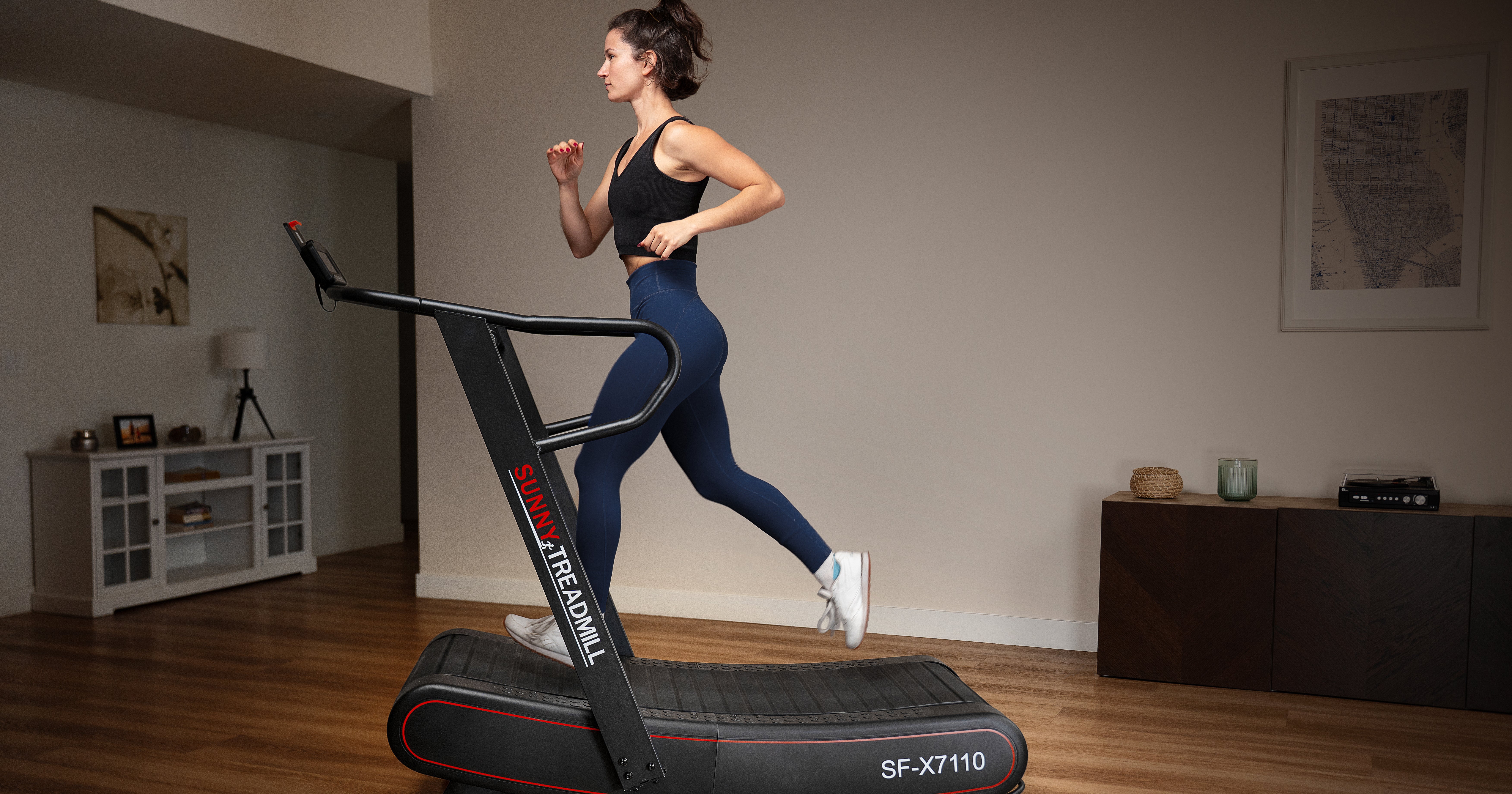
Use a manual treadmill for exercise without electricity. Adjust resistance settings for desired workout intensity. Ensure safety by wearing proper footwear and maintaining balance. Start by walking slowly and gradually increase speed. Regular maintenance, like lubricating the belt, ensures smooth operation.
Enjoy a sustainable workout without power dependence.
Conclusion
Treadmills do consume electricity, but not excessively. Usage depends on the model and settings. Opt for energy-efficient models to save costs. Regular maintenance can also help. Checking wattage and usage hours provides better understanding of energy consumption. Consider unplugging when not in use.
Small changes make a big difference. Exercise routines don’t need to be costly. Efficiency and awareness are key. With smart choices, you can enjoy your workout. Without worrying about high electricity bills. Keep exercising and stay healthy.