
Are you wondering if you can wear running shoes for hiking? You’re not alone.
Many people face this dilemma when gearing up for an outdoor adventure. Choosing the right footwear is crucial, not just for comfort but for safety too. Imagine you’re out on a trail, soaking in the beauty around you, but your feet are aching.
Or worse, you slip because your shoes don’t have the right grip. That’s not the experience you want. This article will help you decide whether your trusty running shoes can double as hiking gear, or if it’s time to invest in a pair specifically designed for the trails. Stay with us as we unravel the pros and cons, so you can make the best choice for your next hiking trip.
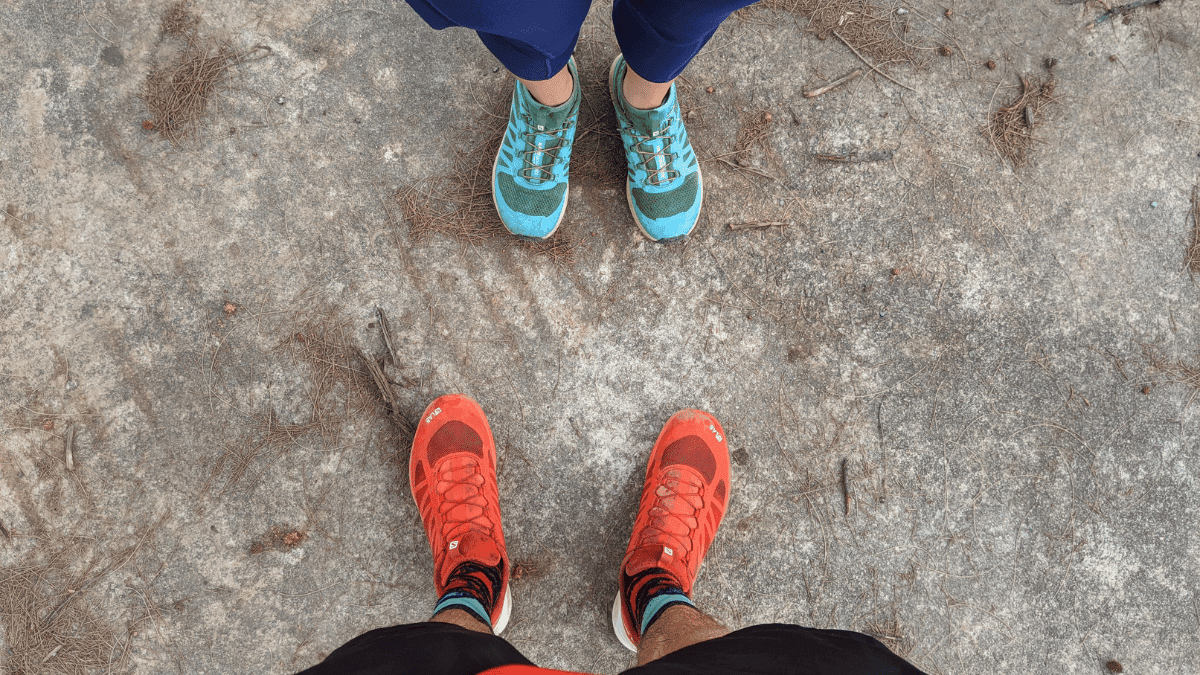
Credit: www.thetravelrunner.com
Pros Of Wearing Running Shoes For Hiking
Choosing running shoes for hiking offers lightweight comfort and flexibility. These shoes provide excellent breathability and cushioning, making them a versatile option for mild trails.
Exploring nature on foot can be a thrilling adventure. Choosing the right footwear is crucial for comfort and safety. Running shoes might not be the first choice for hiking. Yet, they offer surprising benefits for those hitting the trails.Lightweight Comfort
Running shoes are often lighter than hiking boots. This makes each step less tiring. Carrying less weight on your feet can be a relief on long hikes. The lighter feel can help conserve energy.Breathability
Most running shoes have breathable materials. Your feet stay cooler and drier. This can reduce the chance of blisters and discomfort. Breathability is key in warm weather hikes.Flexibility And Versatility
Running shoes are flexible, allowing easy movement. They adapt well to varied terrains. Their versatility means you can use them for other activities. Whether jogging or walking, they serve multiple purposes. This makes them a practical choice for many outdoor enthusiasts.
Credit: www.facebook.com
Cons Of Wearing Running Shoes For Hiking
Running shoes are designed for speed and comfort on pavements. They often lack essential features for hiking. Using them on rough terrain can pose several challenges. Let’s explore why running shoes may not be ideal for hiking.
Lack Of Ankle Support
Running shoes usually have low-cut designs. They offer minimal ankle support. Hiking trails often have uneven surfaces. This can lead to ankle injuries. High-top hiking boots stabilize ankles better. They prevent twists and sprains.
Durability Issues
Running shoes are made for flat surfaces. Their materials focus on lightweight comfort. Hiking involves rough, rocky paths. Running shoes wear out quickly on these trails. Hiking boots use tougher materials. They withstand harsh conditions longer.
Traction Limitations
Running shoe soles are smooth. They are ideal for roads and tracks. Trails require better grip and traction. Loose dirt and slippery rocks can be dangerous. Hiking boots have deep treads. They offer superior traction on varied terrain.
Comparing Running Shoes And Hiking Shoes
Running shoes and hiking shoes serve different purposes. Running shoes are lightweight and flexible, ideal for smooth surfaces. Hiking shoes offer more support and grip, suitable for rough terrains. Wearing running shoes for hiking may lack the necessary stability and protection needed for rugged trails.
Comparing running shoes and hiking shoes reveals key differences. Each type is designed for specific activities. Understanding these differences helps you choose the right footwear for your adventure. Below, we explore the design, purpose, performance, material, and construction of both running and hiking shoes.Design Differences
Running shoes focus on cushioning and lightweight feel. They have a sleek design to enhance speed. Hiking shoes emphasize stability and grip. Their design supports the foot on uneven terrain. Hiking shoes often have a more rugged appearance.Purpose And Performance
Running shoes excel in smooth, flat surfaces. They provide bounce and flexibility for quick movements. Hiking shoes are made for rocky paths and steep climbs. They offer ankle support and traction. This helps in maintaining balance on challenging trails.Material And Construction
Running shoes use breathable materials. This keeps the feet cool during long runs. Their construction is meant for shock absorption. Hiking shoes use durable and water-resistant materials. Their robust construction withstands harsh conditions. Reinforced soles protect the feet from sharp objects.Best Scenarios For Running Shoes On Trails
Running shoes are suitable for gentle trails with less rocky terrain. Lightweight and flexible, they offer comfort on packed dirt paths. For steep or rugged hikes, consider shoes with better grip and ankle support.
Wearing running shoes for hiking can be a practical choice in certain scenarios. These lightweight, flexible shoes offer excellent comfort and breathability. But when exactly do they make the best trail companions?Short, Easy Trails
Running shoes shine on short, easy trails. If you’re heading out for a quick jaunt in a local park or a well-maintained path, these shoes provide enough support and grip. They allow your feet to move naturally, reducing fatigue over time. Imagine a weekend morning where you spontaneously decide to explore a nearby trail. You don’t have to overthink your footwear choice—your trusty running shoes are perfect for this casual outing. Have you ever noticed how they feel like an extension of your feet on such paths?Dry Weather Conditions
Dry weather is another scenario where running shoes perform admirably. Most running shoes come with breathable mesh that keeps your feet cool. Just be cautious of muddy or slippery spots, as they might lack the traction needed. Think of those perfect sunny days when the sky is clear, and the ground is firm. Running shoes let you enjoy the trail without worrying about soggy shoes. Have you enjoyed the lightness and speed they offer on dry terrain?Day Hikes Without Heavy Loads
If you’re planning a day hike with a light backpack, running shoes can be a great fit. They help you maintain agility and speed on the trail. However, if you’re carrying a heavy load, you might need the extra support of hiking boots. Picture yourself on a leisurely day hike, carrying just the essentials—a bottle of water, some snacks, and a camera. In such cases, running shoes keep you nimble and comfortable. Do you prefer the freedom they offer over the bulk of traditional hiking boots? In these scenarios, running shoes prove to be a versatile choice, offering comfort and practicality. Have you ever tried them on a trail? What was your experience?Tips For Hiking In Running Shoes
Deciding whether to wear running shoes for hiking can be a puzzling choice. While they offer comfort and lightness, they aren’t specifically designed for rugged terrains. However, with a few strategic tips, you can make the most out of your running shoes on your hiking adventures. Let’s delve into how to ensure your feet stay comfortable and safe while exploring nature’s wonders.
Choosing The Right Terrain
Select trails that match the capabilities of your running shoes. Flat or gently rolling paths are ideal. Avoid rocky or muddy terrains as running shoes lack the support and grip that hiking boots provide. Remember, your shoes should complement the terrain, not challenge it.
Monitoring Weather Conditions
Weather plays a crucial role in your hiking experience. Lightweight running shoes can become slippery in wet conditions. Check the forecast before heading out. If there’s rain, consider packing waterproof socks or reconsidering your footwear choice.
Enhancing Grip And Safety
Improve traction by investing in quality insoles or grip-enhancing accessories. These can provide added stability on uneven surfaces. Safety should be your priority; always ensure your shoes are up to the task.
Are running shoes your go-to for hikes? Share your experiences and tips below!
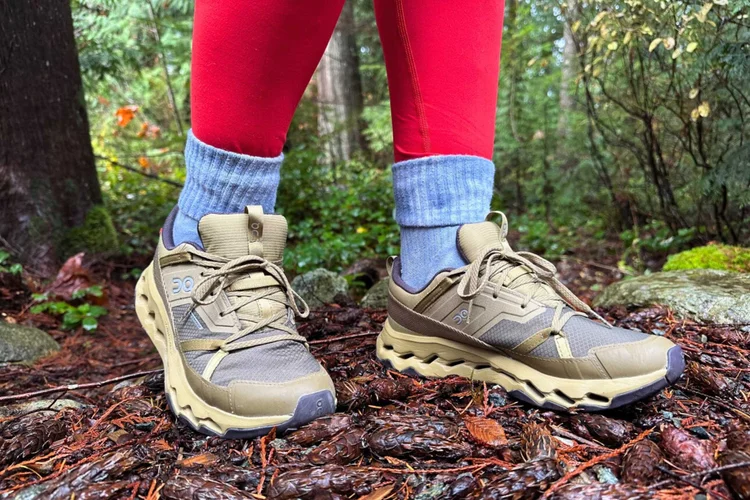
Credit: www.treelinereview.com
Alternatives To Running Shoes For Hiking
When it comes to hitting the trails, choosing the right footwear is crucial. While running shoes might seem like a versatile option, they may not always meet the demands of rugged terrain. Let’s explore some alternatives that can enhance your hiking experience.
Trail Running Shoes
Trail running shoes strike a perfect balance between comfort and functionality. They offer the lightweight feel of running shoes but are designed to handle uneven surfaces. I once swapped my regular sneakers for trail running shoes during a hike, and the difference in grip and stability was remarkable. They often include features like reinforced toe caps and better traction, making them a reliable choice for less demanding trails.
Lightweight Hiking Boots
Lightweight hiking boots are a step up in terms of support and protection. They provide more ankle support, which can be crucial on rocky paths. Imagine tackling a steep incline without worrying about twisting an ankle—these boots offer peace of mind. Plus, they are often waterproof, keeping your feet dry in unpredictable weather.
Hybrid Footwear Options
Hybrid footwear options are gaining popularity among outdoor enthusiasts. These shoes combine the comfort of a sneaker with the durability of a hiking boot. On a recent adventure, a friend of mine wore hybrids and navigated both paved trails and muddy patches with ease. They’re perfect for those who want versatility without sacrificing performance.
Have you considered what type of terrain you’ll be exploring? Choosing the right footwear can make or break your hiking adventure. Next time you plan a hike, think about these alternatives and how they align with your needs.
Frequently Asked Questions
Can I Use Normal Running Shoes On Trails?
Using normal running shoes on trails is possible but not ideal. Trail shoes provide better grip and protection. Choose trail-specific shoes for enhanced traction and stability on uneven terrain. Regular running shoes might lack durability and support needed for rugged trails, increasing the risk of injury.
What Is The Difference Between A Hiking Shoe And A Running Shoe?
Hiking shoes provide better ankle support and grip for rough terrains. Running shoes are lighter and designed for forward motion on flat surfaces. Hiking shoes have durable soles, while running shoes focus on cushioning and flexibility. Each shoe type suits specific activities and environments, ensuring optimal comfort and performance.
Which Running Shoes Are Best For Hiking?
Trail running shoes are ideal for hiking. They offer durability, grip, and support for rugged terrains. Look for shoes with good traction and stability. Brands like Salomon, Merrell, and Hoka One One provide excellent hiking options. Ensure proper fit and comfort for long hikes.
Can I Wear Any Shoes For Hiking?
Wearing any shoes for hiking isn’t recommended. Choose hiking boots for comfort, support, and traction on trails. Proper footwear prevents injuries and enhances your hiking experience. Consider factors like terrain, weather, and personal comfort when selecting hiking shoes.
Conclusion
Choosing the right shoes for hiking is crucial. Running shoes offer comfort and flexibility, but lack hiking durability. Trails demand sturdier soles and ankle support. Running shoes may work on easy paths. Think short hikes, smooth terrains. For rocky trails, hiking shoes are safer.
They prevent slips and injuries. Consider your hike’s difficulty and length. Your feet deserve protection on challenging terrains. Invest in proper gear for comfort and safety. Enjoy your adventure, and make wise footwear choices. Your feet will thank you for it.