
Have you ever wondered if you could swap your running shoes with your brother, boyfriend, or husband? Maybe you’re eyeing those sleek men’s running shoes, questioning if they’d fit your style and stride.
You’re not alone. Many women find themselves curious about whether they can comfortably wear men’s running shoes. The answer might surprise you. Let’s dive into this intriguing topic together, exploring why you might want to make the switch, the potential benefits, and a few things you should consider before lacing up those shoes.
Stick around to discover if men’s running shoes could be your next best fit.
Anatomical Differences
Women can wear men’s running shoes, but anatomical differences exist. Men’s shoes often have wider heel areas and larger toe boxes. Choosing the right fit ensures comfort and support during runs.
Understanding the ‘Anatomical Differences’ between men’s and women’s feet can guide you in making informed decisions when choosing running shoes. While it’s not uncommon for women to wear men’s running shoes, the key lies in recognizing how these differences might affect comfort and performance.Foot Shape Variations
Men’s and women’s feet often differ in shape, with men typically having broader feet, especially in the forefoot and heel areas. Women’s feet are generally narrower and have a higher arch, impacting how a shoe fits and supports the foot. If you have a wider foot, men’s running shoes might offer the roomier fit you need, but be cautious about the overall length and heel fit.Size And Fit Considerations
Men’s shoes are usually larger in size, which means that a size conversion is necessary. A common rule of thumb is that you should subtract 1.5 sizes from a men’s size to find the equivalent women’s size. However, this isn’t always foolproof as not all brands fit the same, so trying them on is crucial. Consider the shoe’s design elements, like cushioning and support, which might differ based on gender-specific biomechanics. Have you ever found yourself struggling with a shoe that feels comfortable in-store but uncomfortable during a run? It might be due to these subtle anatomical differences that affect fit and comfort over time. Finding the right running shoe can feel like a journey, but understanding these anatomical differences will empower you to make choices that keep your feet happy mile after mile.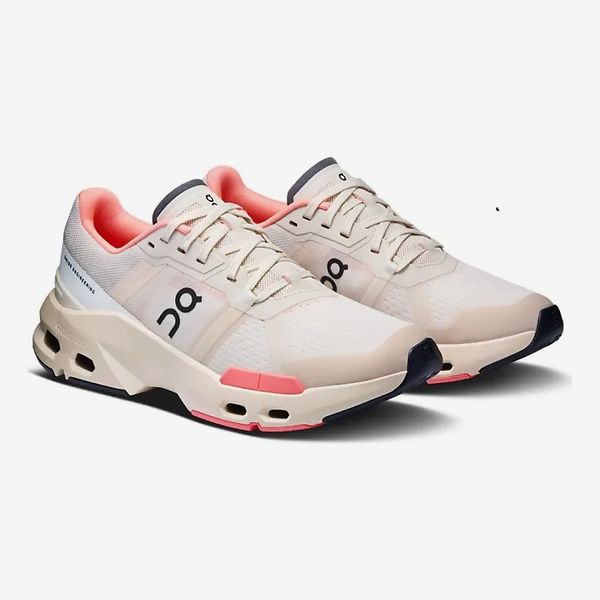
Credit: nymag.com
Benefits Of Men’s Running Shoes For Women
When it comes to running shoes, you might wonder if men’s shoes can offer advantages for women. Surprisingly, they can! Many women find men’s running shoes provide unique benefits that enhance their running experience. Let’s explore why you might consider giving them a try.
Enhanced Cushioning
Men’s running shoes often come with more cushioning than women’s versions. This is due to the general assumption that men require more support for their typically higher body weight. However, if you love a plush feel underfoot, this extra cushioning can be a game-changer.
Imagine running on a trail with soft, protective layers that absorb impact with each step. Your feet will thank you, especially during longer runs. This added comfort can help you maintain your energy and reduce fatigue, allowing you to push your limits further.
Broader Toe Box
A broader toe box is another compelling reason to consider men’s running shoes. Women’s shoes can sometimes feel narrow, restricting your toes and causing discomfort. If you have wider feet or simply prefer more room, men’s shoes might be the solution.
Ever felt that your toes were scrunched up during a run? This extra space can improve your overall foot health by allowing your toes to spread naturally. You might notice fewer blisters and less pain, making your running experience much more enjoyable.
Have you ever tried men’s running shoes? What changes did you notice in your running performance? Let us know your thoughts and experiences in the comments below!
Potential Drawbacks
Choosing the right running shoes is crucial for performance and comfort, but can women wear men’s running shoes? While it might seem like a simple swap, there are potential drawbacks that women should consider before making the switch.
Weight Differences
Men’s running shoes are typically heavier due to their design catering to a larger foot structure and increased support. This extra weight might not seem significant, but over long distances, it can impact your running efficiency and cause fatigue more quickly. Think about those times you’ve carried an extra bag during a run—it might feel manageable at first, but it can wear you down.
Design And Aesthetic Preferences
Men’s shoes often feature color schemes and designs that may not align with the aesthetic preferences of many women. If you value how your gear looks and matches your style, this could be a potential drawback. Have you ever felt less motivated to use something simply because it didn’t fit your style? It’s surprising how much your enthusiasm can be influenced by appearance.
When considering men’s running shoes, ask yourself: Are these drawbacks worth the potential benefits? Your comfort and satisfaction with your gear can significantly affect your running experience.
Choosing The Right Pair
Choosing the right pair of running shoes is crucial for comfort and performance. Women often wonder if they can wear men’s running shoes. The answer is yes, but there are important factors to consider. Men’s shoes might offer benefits like wider fit or different styles. Understanding how to select the perfect pair ensures a comfortable and effective run.
Considerations For Comfort
Comfort is key in any running shoe. Men’s shoes may have a different fit, affecting comfort levels. Consider the shoe’s width, as men’s shoes are often wider. Look for cushioning that supports your foot’s arch. Pay attention to the material, ensuring breathability and flexibility. Test the shoes by walking or jogging briefly. This helps determine if they suit your comfort needs.
Finding The Correct Size
Correct sizing is essential for avoiding discomfort and injury. Men’s shoes are typically larger, so sizing adjustments are necessary. Convert women’s size to men’s size using a simple calculation. Subtract 1.5 from your regular size to find the men’s equivalent. Consider trying on several sizes, as brands may vary. Ensure there is enough room for toe movement. A snug but not tight fit is ideal.
Brand Recommendations
If you’re a woman considering men’s running shoes, you’re not alone. Many women find that men’s shoes offer a better fit for their foot shape or provide the support they need. However, with so many brands and models available, it can be daunting to make the right choice. Let’s dive into some brand recommendations to help guide you in your quest for the perfect pair of men’s running shoes.
Popular Men’s Shoe Brands
When it comes to popular men’s running shoe brands, a few stand out for their quality and variety. Nike, Adidas, and New Balance are renowned for their durability and style. These brands offer a range of shoes that cater to different running styles and preferences.
Have you ever tried slipping into a pair of Nike’s? Their Air Zoom series is a favorite among many runners for its responsiveness and comfort. Adidas is another top contender, known for their Boost technology that provides excellent energy return. New Balance, with its focus on comfort and fit, often appeals to those who need a little extra room in the toe box.
Specific Models Suitable For Women
It’s not just about the brand; specific models can make all the difference. The Nike Air Zoom Pegasus is a versatile option that many women find aligns well with their needs. Its cushioning and support make long runs a breeze. Another great model is the Adidas Ultraboost, which offers a snug fit and superior comfort, ideal for those with a narrower foot.
For those who need stability, the New Balance 860 is a solid choice, providing balance and support without compromising on style. Have you ever considered the Brooks Ghost series? Though primarily a men’s shoe, its design often accommodates women’s foot shapes well.
Choosing the right running shoe is crucial for comfort and performance. Have you found a men’s running shoe that fits better than women’s versions? Share your experiences and tips with others—you might just help someone find their perfect pair!

Credit: www.runnersworld.com
Expert Tips
Women can confidently wear men’s running shoes if they find the right fit. Men’s shoes often offer wider options. Comfort and support matter more than labels, making men’s shoes a practical choice for many women.
Exploring the world of running shoes can be confusing. Especially when considering options across genders. Many wonder if women can wear men’s running shoes. The answer is yes. But it’s essential to make informed choices. Expert tips can help find the right pair for your needs.Consulting A Specialist
Consult a footwear specialist for guidance. Specialists understand different foot shapes and sizes. They can help determine the best fit. Discuss your running style and frequency. This information aids in selecting the ideal shoe. A well-informed choice can prevent discomfort and injury.Trial And Error Approach
Try different pairs to find the best fit. Sizes and shapes vary by brand. Wear the shoes for short runs initially. This helps assess comfort and performance. Pay attention to any discomfort. Adjust your choices based on these experiences. The perfect pair enhances your running experience.Faqs
Women can wear men’s running shoes if the fit is comfortable and supportive. Men’s shoes may offer wider options. Choosing the right size and style ensures better performance and comfort.
FAQs often arise when considering whether women can wear men’s running shoes. This section aims to address these common questions and provide clarity. Whether you’re pondering fit, style, or functionality, you’ll find valuable insights here.Common Concerns Addressed
One frequent question is about the fit of men’s shoes on women’s feet. Men’s shoes are generally wider, which might be a plus if you have broader feet. However, if your feet are narrow, you might find them too loose, potentially leading to discomfort. Another concern is style. While some women might shy away from the typically neutral or bold colors of men’s shoes, others embrace them for their unique look. It’s about personal preference and how you want to express your style. Consider the arch support and cushioning. Men’s shoes often have different levels of cushioning and support, which can affect your running experience. Think about what you need for your workouts or races and choose accordingly.Expert Opinions
Experts often highlight the importance of trying on the shoes before purchasing. Every brand and model fit differently, so what works for one person might not work for another. Some shoe stores offer gait analysis to find the perfect pair, regardless of gender labels. Podiatrists suggest focusing on comfort and support rather than gender labels. Shoes should complement your foot shape and running style. If a men’s shoe fits well and supports your foot, it’s a valid choice. Have you ever noticed that some professional female athletes choose men’s shoes for better performance? They prioritize fit and function over gender-specific designs. It’s a testament to focusing on what works best for you. Ultimately, the choice boils down to your comfort, style, and specific needs. What matters most is how you feel while running, not which aisle you found your shoes in.
Credit: www.fleetfeet.com
Frequently Asked Questions
Is There Any Difference Between Men’s And Women’s Running Shoes?
Yes, there are differences. Men’s and women’s running shoes vary in size, shape, and cushioning. Women’s shoes often have a narrower heel and more arch support. The design also considers weight distribution and biomechanics. It’s essential to choose the right fit for comfort and injury prevention.
Does It Matter If Women Wear Men’s Shoes?
Women can wear men’s shoes for style, comfort, or fit. Shoe design often focuses on size and shape. Choose based on personal preference and comfort. Men’s shoes may offer wider or larger options, fitting better for some women. No fashion rules strictly prohibit women from choosing men’s footwear.
How Do You Convert Men’s Running Shoe Size To Women’s?
To convert men’s running shoe size to women’s, add 1. 5 to the men’s size. For example, men’s size 8 converts to women’s size 9. 5. This is a general guideline and may vary slightly by brand. Always check the specific brand’s conversion chart for accuracy.
Can Men’s Sneakers Be Worn By Women?
Yes, women can wear men’s sneakers. Many brands offer unisex designs and sizes. Check size conversions for a perfect fit. Comfort and style matter more than labels. Explore options to find what suits your personal taste and needs.
Conclusion
Women can definitely wear men’s running shoes. These shoes offer comfort and support. Often, they have wider designs. Some women find this fit better. It’s important to choose the right size. The right shoe can enhance your running experience. Always try them on first.
Ensure they feel good on your feet. Compare brands and styles. Everyone’s feet are unique. Find what works best for you. Don’t hesitate to explore options. Men’s shoes might be your perfect fit. Enjoy your runs with confidence and comfort.