
Ever wondered if hitting the pavement could transform not just your stamina but also the size of your legs? You’re not alone.
The question “Can running make your legs bigger? ” Is a common curiosity among fitness enthusiasts and beginners alike. Your interest in this topic might stem from wanting sculpted, muscular legs, or perhaps you’re worried about bulking up too much.
Either way, the answer isn’t as straightforward as it may seem. Dive into the article to uncover the surprising truths about how running can affect your leg muscles. You’ll discover the science behind it, hear from experts, and get tips on how to tailor your running routine to meet your personal goals. Prepare to be enlightened, because this might just change the way you approach your next run.
The Science Behind Running And Muscle Growth
Running can contribute to muscle growth in the legs. It engages various muscle groups, promoting increased muscle tone and endurance. Consistent running, especially uphill or with added resistance, can enhance muscle size, giving legs a more defined appearance.
Running can impact muscle growth, especially in your legs. Understanding the science behind running and muscle development helps explain why some runners notice changes in leg size. The process involves several factors, including muscle fibers, intensity, and duration.How Muscle Fibers React To Running
Muscle fibers play a crucial role in how your legs respond to running. The activity predominantly engages slow-twitch muscle fibers. These fibers are responsible for endurance and stamina. They develop through sustained, moderate exercise. Fast-twitch fibers, on the other hand, contribute to explosive strength. Running at higher speeds or with intervals can stimulate these fibers. This variety in fiber engagement can influence muscle growth and size.Impact Of Running Intensity And Duration
The intensity and duration of your runs can affect leg muscle growth. Higher intensity sessions, like sprinting, engage fast-twitch fibers more. This can lead to increased muscle size. Longer, steady runs target slow-twitch fibers, enhancing endurance. Balancing these two types of workouts can help build stronger legs. Consistent training encourages muscle adaptation and growth.Role Of Nutrition In Muscle Development
Proper nutrition supports muscle growth during running routines. Consuming adequate protein helps repair and build muscle fibers. Carbohydrates provide the energy needed for running and recovery. Hydration is also essential for optimal muscle function. A balanced diet complements the physical demands of running.Importance Of Recovery And Rest
Rest and recovery are vital for muscle growth. Allowing muscles to heal after workouts prevents injury. It also promotes muscle rebuilding, contributing to increased size. Incorporating rest days into your running schedule aids in muscle development. Listen to your body and ensure enough recovery time. Understanding these elements can help tailor your running to achieve desired leg muscle size.
Credit: www.runnersworld.com
Types Of Running And Their Effects
Running offers various styles, each affecting your leg muscles differently. Some forms emphasize speed and power, while others focus on endurance. Understanding these can guide you toward your fitness goals.
Sprinting And Muscle Development
Sprinting requires short bursts of intense speed. This form of running engages fast-twitch muscle fibers. These fibers contribute to muscle growth and strength. As a result, sprinters often have muscular legs. Their training involves explosive movements, which build muscle mass. Sprinting can increase the size of your leg muscles over time.
Long-distance Running Impact
Long-distance running focuses on endurance. It primarily engages slow-twitch muscle fibers. These fibers are more about stamina than size. Long-distance runners usually have leaner legs. Their training emphasizes sustained effort rather than bursts of speed. This type of running tones the legs without significantly increasing size. Long-distance running can slim down and define your legs.
Factors Influencing Leg Size
Running can influence leg size, but several factors play a role. Understanding these factors helps in achieving desired leg shape and size. Not everyone will experience the same changes, and results can vary.
Genetics And Body Type
Genetics largely determines muscle growth potential. Some people naturally build muscle more easily. Body type also affects how your legs respond to running. Ectomorphs have a lean build and may find muscle gain challenging. Mesomorphs, with a muscular build, often see more pronounced changes. Endomorphs tend to store fat easily, which can affect leg appearance.
Diet And Nutrition
What you eat impacts muscle growth. Protein is crucial for muscle repair and growth. Carbohydrates provide the energy needed for intense workouts. Healthy fats support overall health and hormone balance. A balanced diet helps maximize running benefits.
Training Intensity And Frequency
How often and intensely you run matters. High-intensity running, like sprints, can build muscle. Long-distance running burns calories but may not build much muscle. Consistency in training leads to better results over time. Incorporate strength training for added muscle growth.
Running Techniques For Muscle Gain
Running can be a powerful tool for muscle growth in your legs. The right techniques can enhance muscle gain effectively. Certain running strategies target muscle fibers and stimulate growth. Here, explore how specific methods can boost your leg size.
Incorporating Hill Sprints
Hill sprints are excellent for building leg muscle. Running uphill engages your quads and calves intensely. This resistance increases muscle tension, promoting growth. Begin with short hill sprints. Gradually increase distance as strength builds. Choose steep hills for maximum muscle activation. Consistent practice enhances muscle definition and size.
Interval Training Benefits
Intervals offer a balance of cardio and strength. Short bursts of intense running followed by rest can enhance leg muscle. This method targets different muscle fibers. It boosts endurance and muscle growth simultaneously. Start with 30-second sprints. Follow with 1-minute rest. Repeat for 15 to 20 minutes. Adjust intensity based on fitness level. Over time, muscles adapt and grow stronger.
Balancing Cardio And Strength Training
Running can enhance muscle tone in your legs, but it won’t necessarily make them bigger. Combining cardio with strength training offers a balanced approach, promoting lean muscle growth while improving cardiovascular health.
Balancing cardio and strength training is crucial if you’re wondering whether running can make your legs bigger. Running offers fantastic cardiovascular benefits, but when it comes to building muscle, it may not suffice on its own. To achieve a balanced physique, you need a combination of cardio and targeted strength training.Complementary Exercises For Legs
Incorporating exercises like squats, lunges, and deadlifts can significantly boost muscle growth. These exercises target the major muscle groups in your legs, offering the resistance needed to increase muscle size. If you’re a runner, try adding leg day to your routine twice a week. Consider using weights or resistance bands to add more intensity to these workouts. This will challenge your muscles, prompting them to grow and adapt. You’ll likely notice your legs becoming not only stronger but also more defined.Avoiding Overtraining
Finding the right balance between running and strength training is key to avoiding overtraining. Too much of either can lead to fatigue and even injury. Listen to your body and ensure you’re giving yourself enough rest. Plan your workouts in a way that allows for recovery, such as alternating between running days and strength training days. This helps prevent burnout and keeps your workouts effective. Remember, rest is just as important as the workouts themselves, allowing your muscles to repair and grow. Keep track of your progress and adjust your routine as needed. If you feel excessively tired, it might be time to scale back a bit. Balancing cardio and strength training can lead to bigger, stronger legs without compromising your energy levels.Common Myths About Running And Leg Size
Many believe running makes legs bulkier. In reality, running often tones muscles without significantly increasing leg size. It’s more about lean muscle development.
Running is a popular exercise choice for many, but it’s often surrounded by misconceptions, especially regarding its impact on leg size. Some believe that running can lead to bulkier legs, while others argue it only tones. These myths can be confusing for those looking to achieve specific fitness goals.Debunking Bulking Myths
A common misconception is that running will make your legs bulkier. Many fear that regular running might transform lean legs into muscular ones. However, this isn’t entirely accurate. Running is primarily a cardiovascular exercise. It focuses more on endurance than on muscle building. For muscles to bulk, intense weight training is typically required, not just running. Consider the physique of long-distance runners compared to sprinters. Long-distance runners generally have leaner legs, while sprinters may have more muscular builds. This difference highlights how running styles impact leg appearance.Understanding Toning Vs. Bulking
It’s crucial to differentiate between toning and bulking. Toning refers to the firming and shaping of muscles without significant size increase. Bulking, on the other hand, involves increasing muscle mass noticeably. Running can help tone your legs by burning fat and revealing lean muscle. It enhances definition rather than adding mass. This makes running an excellent choice for those seeking slim, toned legs. If your goal is to increase leg size, incorporating strength training is essential. Exercises like squats and lunges, in addition to running, can contribute to muscle growth. Are you looking to tone your legs without bulking? Focus on moderate-intensity running and mix in some strength training. This balanced approach can help you achieve the leg shape you desire.Personal Experiences And Testimonials
When it comes to understanding the impact of running on leg size, real-life stories can offer valuable insights. Personal experiences and testimonials shed light on the varied results people achieve through their running routines. These narratives often reveal unexpected outcomes and practical tips that may resonate with you.
Runner’s Transformation: From Skinny To Toned
One runner, Emily, shared how her consistent running routine led to a noticeable transformation in her legs. Starting with skinny legs, she initially feared they might become bulky. However, she discovered that her legs became more toned and defined rather than larger.
Emily’s story highlights a common misconception about running. Many fear gaining excessive muscle mass, but the reality can be different. Her experience shows that the combination of cardio and endurance training can lead to a leaner, more sculpted appearance.
From Couch To 5k: A Beginner’s Journey
John, a beginner runner, started with a simple Couch to 5K program. He noticed gradual changes in his leg muscles over time. Initially, he didn’t expect significant growth, but running consistently improved his muscle tone.
This beginner’s journey demonstrates how even light running can influence leg shape. John found his legs were more defined and stronger. For those new to running, this could be an encouraging insight.
The Surprising Impact Of Hill Running
Sarah, an avid runner, incorporated hill running into her routine. She was surprised by the impact it had on her leg muscles. The uphill challenge led to more muscle engagement and noticeable growth in her calves.
Hill running can be an effective way to challenge your muscles differently. Sarah’s experience suggests that varying your terrain can lead to unexpected and beneficial changes in leg size. Would you consider this approach in your own routine?
These personal testimonials reveal the diverse outcomes runners experience. They encourage you to experiment with different running techniques. What might your own running journey reveal?
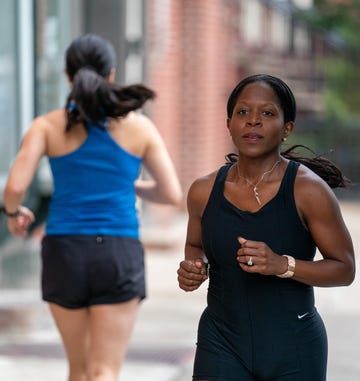
Credit: www.runnersworld.com

Credit: betterme.world
Frequently Asked Questions
Does Running Build Bigger Legs?
Running can tone and strengthen leg muscles but doesn’t significantly increase size. Sprinting or uphill runs can enhance muscle growth more. For bigger legs, incorporate weight training exercises like squats or lunges. Balance running with strength training for optimal leg development.
Does Running Increase Leg Muscle Size?
Running primarily tones and strengthens leg muscles rather than significantly increasing size. It targets muscle endurance and overall leg fitness. For noticeable muscle growth, incorporate strength training exercises like squats and lunges. This combination can help achieve bigger, stronger legs while maintaining the benefits of cardiovascular fitness.
Can Running Alone Bulk Up Your Legs?
Running alone is unlikely to bulk up your legs significantly. It focuses on endurance rather than muscle mass. To build bulk, include resistance training and weight exercises. These activities target muscle growth and complement running’s cardiovascular benefits, helping you achieve more substantial legs.
How Does Running Affect Leg Shape?
Running can enhance leg shape by toning muscles and reducing fat. It improves muscle definition and creates a lean appearance. Consistent running promotes overall leg fitness, leading to a more sculpted look. For specific shaping goals, combine running with targeted strength exercises.
Conclusion
Running affects leg size differently for each person. Muscles may grow slightly with regular running. It mainly depends on speed and terrain. Uphill running can strengthen leg muscles more. Sprinting also boosts leg muscle growth. Regular runs improve overall fitness.
Balanced exercise promotes health without extreme muscle growth. Combining running with strength training offers best results. Listen to your body’s needs. Adjust routines for desired outcomes. Running keeps legs strong and healthy. Focus on consistency and variety. Enjoy the journey to fitness!