
Have you ever found yourself in the shoe aisle, pondering the question, “Are running shoes actually sneakers?” You’re not alone. This confusion is common among shoppers, as the lines between running shoes and sneakers often blur. Understanding the differences can not only prevent a fashion misstep but also enhance your comfort and performance, whether you’re hitting the gym or enjoying a casual day out.
In this article, we will demystify the terms surrounding running shoes sneakers, helping you make informed choices for your footwear needs. Are you ready to uncover the truth about your favorite kicks? Let’s dive in!
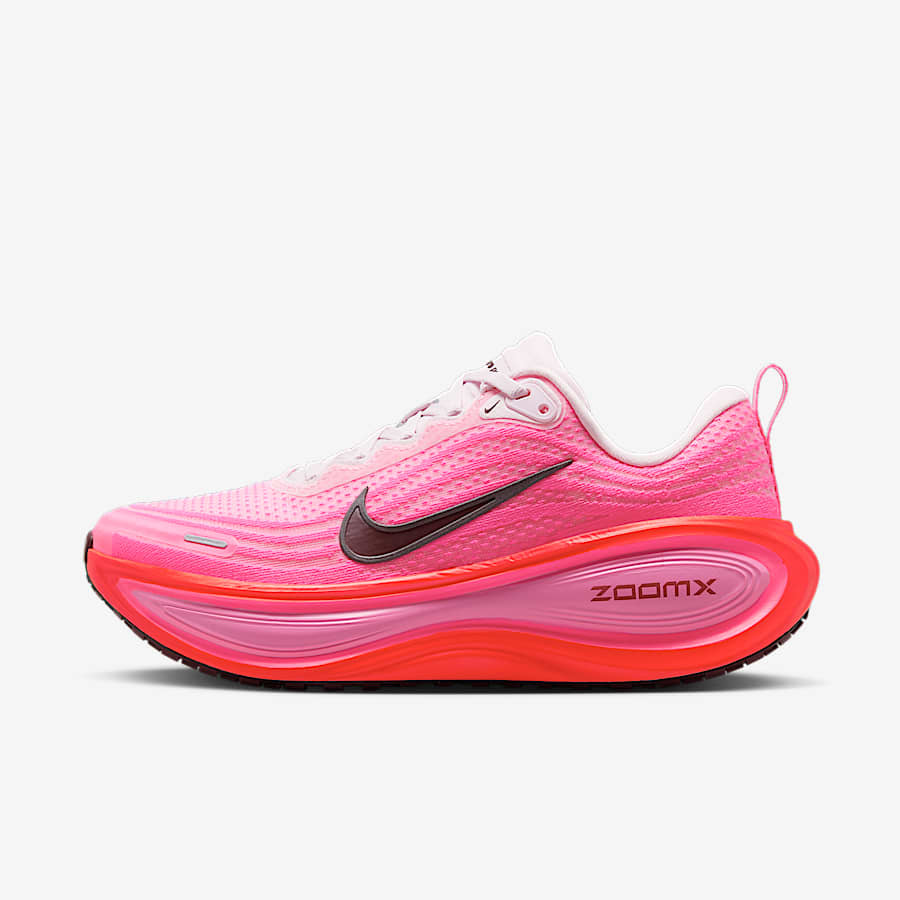
Credit: www.nike.com
Running Shoes Vs. Sneakers
While Running Shoes and sneakers may appear similar at first glance, they serve distinct purposes. Understanding their differences can significantly impact your footwear choices.
| Feature | Running Shoes | Sneakers |
|---|---|---|
| Design | Engineered for cushioning and stability | Focus on style and casual wear |
| Material | Lightweight, breathable mesh and foam | Heavier materials like leather and canvas |
| Functionality | Support for athletic use, reducing impact | Comfort for everyday wear, versatile for various activities |
Differences In Design
Running shoes are engineered with specialized designs that prioritize cushioning and stability. They typically feature a heel-to-toe drop, which supports forward motion and enhances running efficiency. In contrast, sneakers focus more on style than function, often sporting a flatter sole that is better suited for casual wear.
Material And Construction
Running Shoes are crafted from lightweight materials, such as breathable mesh and foam, which enhance performance and airflow. These materials are designed to keep your feet comfortable during long runs. Sneakers, however, often utilize heavier materials like leather and canvas, prioritizing durability and aesthetics over performance.
Purpose And Functionality
Running shoes are specifically designed for athletic use, providing support and reducing impact stress during runs. Sneakers, on the other hand, are made for everyday wear, emphasizing comfort and style. Their versatility makes them suitable for various activities, from casual outings to light exercise.

Credit: www.amazon.ca
Historical Evolution
The evolution of Running Shoes and sneakers showcases a fascinating journey that reflects the changing needs of athletes and the innovative spirit of shoe manufacturers. Understanding this evolution can deepen your appreciation for your favorite pair of kicks and highlight pivotal moments that shaped sports footwear.
Origins Of Running Shoes
Running shoes trace their origins back to the late 19th century when athletes began seeking specialized footwear to improve performance and comfort during races. This marked the beginning of a new era in sports footwear, leading to the advanced designs we see today. According to Runner’s World, this is important for athletes.
FAQs
Q: What are running shoes?
Running Shoes are specialized footwear designed for running, offering features like cushioning, stability, and support to enhance performance and comfort during runs.
Q: Are sneakers good for running?
Sneakers can be used for light running, but they lack the specific support and cushioning that dedicated running shoes provide, which can lead to discomfort or injury over time.
Q: How to choose between running shoes and sneakers?
When choosing between Running Shoes and sneakers, consider your primary activity. If you plan to run regularly, opt for running shoes for better support; for casual wear, sneakers are suitable.
Q: Can you run in sneakers?
While you can run in sneakers, they may not provide the necessary support and cushioning for long distances, which could lead to discomfort or injury. For authoritative guidance, USA Track & Field provides detailed insights.
Q: What features should I look for in running shoes?
Look for features like cushioning, arch support, breathability, and a proper fit when choosing running shoes to ensure comfort and performance.
Q: How often should you replace running shoes?
It’s recommended to replace running shoes every 300-500 miles, depending on your running style and the shoe’s wear, to maintain optimal support and cushioning.
Q: Are there specific running shoes for beginners?
Yes, there are running shoes designed specifically for beginners, focusing on comfort, support, and stability to help new runners ease into their routine.
Q: Do running shoes vary by foot type?
Yes, running shoes are available for different foot types, including neutral, overpronators, and supinators, ensuring you find the right support for your running style.
In conclusion, understanding the differences between running shoes and sneakers is crucial for making the right footwear choice. Whether you’re looking for the best sneakers for running or searching for a running shoes sale, knowing your needs will guide you. Ready to find your perfect pair? Check out our recommendations below!
🏆 Top Recommended Products
Based on expert testing and reviews, here are our top picks:
Best Running Shoes for Beginners
Perfect for new runners seeking comfort and support.
👉 See Today’s Price on Amazon →
✔ Free shipping · Ships 1–2 days · Easy returns