
Have you ever wondered how many tennis balls are used during the iconic Wimbledon tournament? If you’re a tennis enthusiast or just curious about the behind-the-scenes details of this grand event, you’re in the right place.
As you follow the intense rallies and breathtaking serves, it’s easy to overlook the sheer number of tennis balls that make it all possible. You’ll uncover the surprising statistics behind the little yellow spheres that are crucial to every match.
You’ll discover how ball usage is meticulously planned and the fascinating journey these balls take from production to center court. This isn’t just about numbers; it’s about understanding what makes Wimbledon tick and appreciating the meticulous attention to detail that ensures every game runs smoothly. Stay with us to explore the secrets behind the scenes and satisfy your curiosity about one of the world’s most prestigious tennis tournaments.
History Of Tennis Balls At Wimbledon
Wimbledon uses over 54,000 tennis balls each year. These balls are changed after every seven to nine games to ensure optimal performance and consistency during matches. This tradition highlights the importance of quality and precision at this historic tournament.
The history of tennis balls at Wimbledon is a fascinating journey through time, reflecting both technological advancements and tradition. Wimbledon, known for its grass courts and prestigious reputation, has always been at the forefront of tennis innovation. Yet, it balances modernity with a reverence for its storied past. Understanding how tennis balls have evolved at Wimbledon not only provides insight into the tournament itself but also highlights the meticulous attention to detail that makes Wimbledon unique.Early Days Of Tennis Balls
In the early days, tennis balls were made of leather and filled with sawdust or cork. They were quite different from the high-performance balls used today. Imagine playing with a ball that barely bounces!Introduction Of Rubber Balls
The switch to rubber balls marked a significant change. Rubber provided better bounce and durability, essential for competitive play. This innovation was crucial in setting the stage for modern tennis.The Yellow Revolution
Did you know the iconic yellow tennis ball wasn’t always the standard? Wimbledon used white balls until 1986. The switch to yellow was driven by television broadcasts needing better visibility.Focus On Consistency
Wimbledon is meticulous about the quality of its tennis balls. Each ball undergoes rigorous testing for weight, bounce, and deformation to ensure consistent play. This dedication guarantees fair competition.Environmental Considerations
In recent years, Wimbledon has taken steps towards sustainability. Initiatives to recycle used balls and reduce waste reflect a commitment to environmental responsibility. How will this shape the future of tennis? The journey of tennis balls at Wimbledon mirrors the evolution of the sport itself. As you watch the players compete, consider the history and craftsmanship behind each ball they use.
Credit: www.hindustantimes.com
Manufacturing Process
Wimbledon uses about 54,000 tennis balls each year. These balls are meticulously tested for quality and consistency. Production involves precise manufacturing steps to ensure optimal performance on the court.
The manufacturing process of tennis balls used at Wimbledon is an intriguing journey, blending tradition with precision. Every year, thousands of tennis balls are crafted to meet the high standards demanded by one of the most prestigious tournaments in the world. This process involves meticulous attention to detail, ensuring each ball performs flawlessly on the grass courts of Wimbledon. But have you ever wondered what goes into making these perfect spheres?Materials Used
The journey begins with the selection of raw materials. Tennis balls are primarily made from rubber, which provides the necessary bounce and resilience. This rubber is sourced from natural latex, a substance derived from rubber trees. It’s fascinating to think that the very rubber bouncing around the courts at Wimbledon started life as a sapling in a tropical forest. Another key material is felt, which covers the rubber core. This felt is made from wool and nylon, providing the ball with its iconic texture and appearance. The felt ensures durability and helps the ball glide smoothly over the grass surface. Have you ever noticed how the ball’s bright color contrasts beautifully with the lush green of Wimbledon’s courts?Production Techniques
The production process begins with molding the rubber into hemispheres. These halves are then joined together to form a hollow sphere, which becomes the core of the ball. This step is crucial, as any imperfection can affect the ball’s performance. Next, the felt is wrapped around the rubber core. This involves precision cutting and stitching to ensure the felt fits snugly, providing the ball with its aerodynamic properties. It’s remarkable how such detailed work contributes to the ball’s flight and bounce. Quality control is paramount. Each ball undergoes rigorous testing to ensure it meets specific standards for size, weight, and bounce. Only then is it ready to be part of the Wimbledon experience. Do you ever consider the craftsmanship behind those thrilling rallies and powerful serves at Wimbledon? Knowing the process might just give you a deeper appreciation for the game.Annual Usage Statistics
Wimbledon, the prestigious tennis tournament held in London, is not just a showcase of athletic prowess but also a spectacle of logistics and planning. Among the myriad details that contribute to its smooth execution is the fascinating statistic of tennis balls used annually. These numbers might surprise you and offer a glimpse into the scale and intricacy involved in running such a world-renowned event. Ever wondered how many tennis balls are used each year? Let’s dive into the details.
Total Balls Used
Every year, Wimbledon orders approximately 54,000 tennis balls for its matches. These balls are carefully selected for their quality and consistency, ensuring that players experience the same feel and bounce throughout the tournament. Imagine the scene: piles of fresh tennis balls ready to be distributed, contributing to the seamless flow of the matches.
But why such a staggering number? The reason is twofold: the sheer number of matches played and the rigorous standards Wimbledon adheres to. Each ball is used for a limited number of games before being replaced to maintain optimal performance. This commitment to excellence is what sets Wimbledon apart.
Balls Per Match
During each match, players are provided with six balls initially. Every nine games, these balls are swapped out for a new set to ensure they remain in peak condition. This means that in a typical match lasting around two hours, you can expect to see multiple sets of balls being used.
Consider this: if you were playing on your local court, would you replace your tennis balls as frequently? Probably not. Yet, at Wimbledon, this practice is essential to uphold the highest standards of play. It’s intriguing how much attention to detail goes into every match, right down to the balls used.
Now, picture yourself sitting in the stands, watching a tense match unfold. Does knowing about the rigorous ball replacement process change your perspective on the game? Understanding these nuances adds depth to your appreciation of this historic tournament.
Ball Replacement Protocols
Wimbledon uses about 54,000 tennis balls each year. Fresh balls are introduced every seven to nine games. This ensures optimal performance and maintains the quality of play throughout the tournament.
The ‘Ball Replacement Protocols’ at Wimbledon are a testament to the meticulous attention to detail that defines this prestigious tournament. Every bounce, every serve, and every rally depends on the quality and condition of the tennis balls. Have you ever wondered how often these balls are changed during a match?Frequency Of Replacement
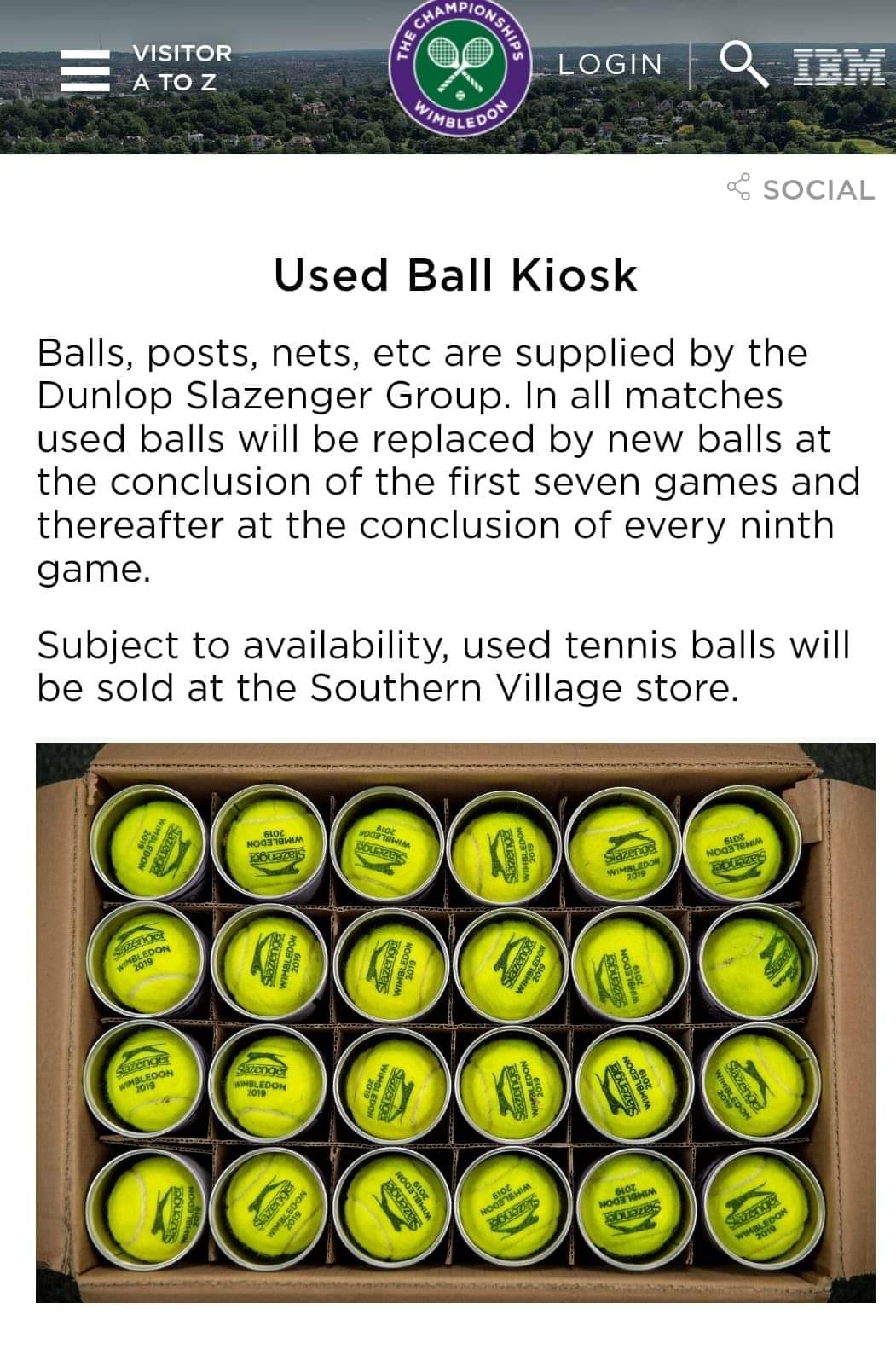
Tennis balls at Wimbledon are replaced more frequently than you might expect. After the first seven games, the balls are swapped out. Subsequently, new balls are brought in every nine games. This ensures that players have optimal conditions for their performance. It’s fascinating to see how this routine keeps the game consistent and fair.Criteria For Replacement
It’s not just about the number of games that dictate ball replacement. The quality and performance of the balls are key criteria. If a ball loses its bounce or shows signs of wear, it’s taken out of play. Wimbledon employs a rigorous testing process to ensure that only balls meeting their high standards remain in use. This attention to detail maintains the integrity of the competition. Imagine playing with a ball that doesn’t bounce as expected. It could change the outcome of a match significantly. By adhering to strict criteria, Wimbledon ensures that each ball is up to scratch, allowing players to focus on their game rather than the equipment.Environmental Impact
Wimbledon uses thousands of tennis balls each year, impacting the environment significantly. The production and disposal of these balls contribute to waste and pollution. Sustainable practices in manufacturing and recycling can help reduce this environmental footprint.
The environmental impact of Wimbledon is a topic that deserves attention, especially when you consider the sheer number of tennis balls used during the tournament. Each year, approximately 54,250 tennis balls are utilized across all matches. This vast number raises questions about sustainability and how such a prestigious event can manage its ecological footprint. The journey of a tennis ball at Wimbledon doesn’t end with the final match; instead, it sparks a conversation about recycling and sustainability.Recycling Initiatives
Wimbledon has taken steps to ensure that used tennis balls don’t end up in landfills. One initiative involves collecting balls after matches for repurposing. For instance, many are donated to schools for use in sports programs, while others find new life as part of recycled products. Recycling these balls not only reduces waste but also supports local communities. By turning used balls into something valuable, Wimbledon sets an example for other tournaments. Have you ever thought about how small changes in recycling can have a big impact?Sustainability Efforts
Sustainability at Wimbledon extends beyond recycling tennis balls. The event focuses on reducing its carbon footprint through various eco-friendly practices. This includes using biodegradable materials for packaging and promoting public transport to reduce emissions. Efforts also involve energy-efficient facilities and water conservation measures. By prioritizing sustainability, Wimbledon aims to preserve the environment for future generations. You might wonder, how can these efforts inspire changes in your own community? These initiatives show that even a historic event like Wimbledon can adapt for a greener future. What small steps can you take today to contribute to a sustainable tomorrow?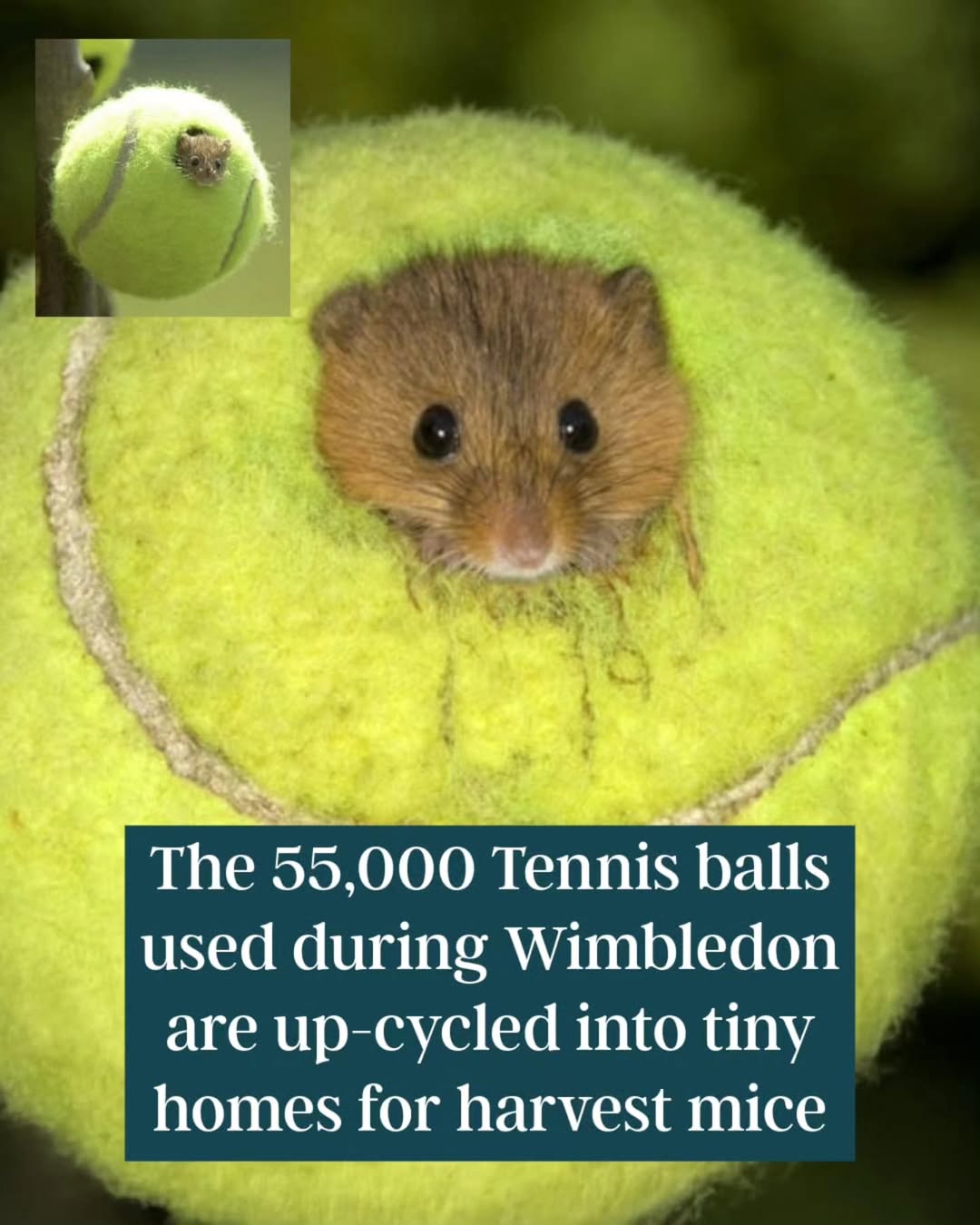
Credit: www.facebook.com
Role Of Ball Boys And Girls
Ball boys and girls play a crucial role at Wimbledon, ensuring the smooth flow of matches. They help manage the hundreds of tennis balls used daily, contributing to the efficiency and excitement of the tournament. Their quick actions keep the game moving seamlessly.
The role of ball boys and girls at Wimbledon is crucial. They ensure smooth gameplay by quickly retrieving tennis balls. Their presence keeps the matches on time and organized. The efficiency they bring is invaluable to both players and spectators. These young helpers train hard to perfect their skills.Training Process
The training process for ball boys and girls is rigorous. Applicants start with local trials and assessments. They learn the rules and expectations of the role. Physical fitness is a key focus during training. Quick reflexes and agility are essential skills. They also practice communication and teamwork. Successful candidates are selected for the tournament.Responsibilities During Matches
During matches, their responsibilities are varied. They must fetch balls swiftly and accurately. Keeping the court clear is a top priority. They also provide towels to players when needed. Their actions must be discreet and efficient. Standing in the right position is crucial. Their focus and discipline enhance the players’ experience.Interesting Facts
Tennis enthusiasts and curious minds alike often wonder about the sheer number of tennis balls used during Wimbledon. This iconic tournament is renowned not only for its exciting matches but also for its fascinating behind-the-scenes facts. From historical trivia to unique traditions, these tidbits offer a glimpse into what makes Wimbledon truly special.
Historical Trivia
Did you know that Wimbledon has been using tennis balls since 1877? Initially, these balls were made of leather and stuffed with wool. As technology advanced, the materials and manufacturing processes evolved to produce the high-quality balls we see today.
Interestingly, the color of the balls changed from white to yellow in 1986. This was done to improve visibility for players and spectators, both in person and on television. Today, each ball is meticulously inspected to ensure it meets the tournament’s high standards.
Unique Traditions
Wimbledon has a unique tradition of using a staggering number of tennis balls throughout the tournament. Approximately 54,000 balls are used each year. This number ensures that players always have access to fresh, high-performing balls for optimal gameplay.
After being used, the balls are not wasted. Many are sold to fans as souvenirs, while others are donated to schools and clubs for practice. This tradition not only supports sustainability but also helps spread the love for tennis beyond the tournament grounds.
Ever wondered what happens to the balls that aren’t sold or donated? Some are even used by local zoos, where they serve as toys for animals. It’s a fascinating cycle of reuse that highlights Wimbledon’s commitment to community and environmental responsibility.
Credit: www.facebook.com
Frequently Asked Questions
What Happens To All The Tennis Balls After Wimbledon?
Wimbledon donates used tennis balls to schools and animal shelters. Some are sold as souvenirs or used for training. The rest are recycled, supporting sustainability efforts. This process ensures minimal waste and promotes eco-friendly practices.
How Much Do The Ball Boys Get Paid At Wimbledon?
Ball boys and girls at Wimbledon are unpaid. They receive a small stipend for expenses. Their main reward is the experience and training they receive.
Do Wimbledon Winners Get A Rolex?
Wimbledon winners do not automatically receive a Rolex. The partnership with Rolex involves sponsorship and timekeeping. Players may receive watches through separate agreements or endorsements. Rolex has been a long-time sponsor, enhancing the event’s prestige.
Why Are So Many Tennis Balls Used At Wimbledon?
Wimbledon uses many tennis balls to maintain optimal play conditions. Balls are changed frequently to ensure consistent bounce. Players rely on fresh balls for accuracy and speed. Temperature and wear affect ball performance, necessitating regular replacements. This tradition enhances the quality of matches at the prestigious tournament.
Conclusion
Wimbledon uses thousands of tennis balls each year. These balls ensure every match runs smoothly. Regular changes keep play consistent and fair. Ball quality affects the game’s outcome. Players depend on fresh, responsive balls. Each bounce matters. This attention to detail shows Wimbledon’s commitment to excellence.
Fans enjoy watching top-notch matches. The tradition of using quality balls continues year after year. It’s part of what makes Wimbledon special. The event’s success relies on careful planning. Tennis balls play a crucial role. They are more than just equipment.
They are essential to the sport’s spirit and tradition.