
Imagine stepping onto the tennis court, ready to give your best shot, but suddenly you feel discomfort in your feet. Ever wondered if your choice of footwear might be the culprit?
You’re not alone. Many tennis enthusiasts have pondered whether their trusty running shoes are up to the task for a match. While running shoes are designed for forward motion, tennis demands quick lateral movements and agility. So, are running shoes good for tennis?
This question might seem simple, but the answer could impact your game performance and even your safety on the court. By understanding the differences between running shoes and tennis shoes, you can make an informed decision that supports your game and your feet. Keep reading to uncover the surprising facts that could change the way you approach your tennis gear forever.
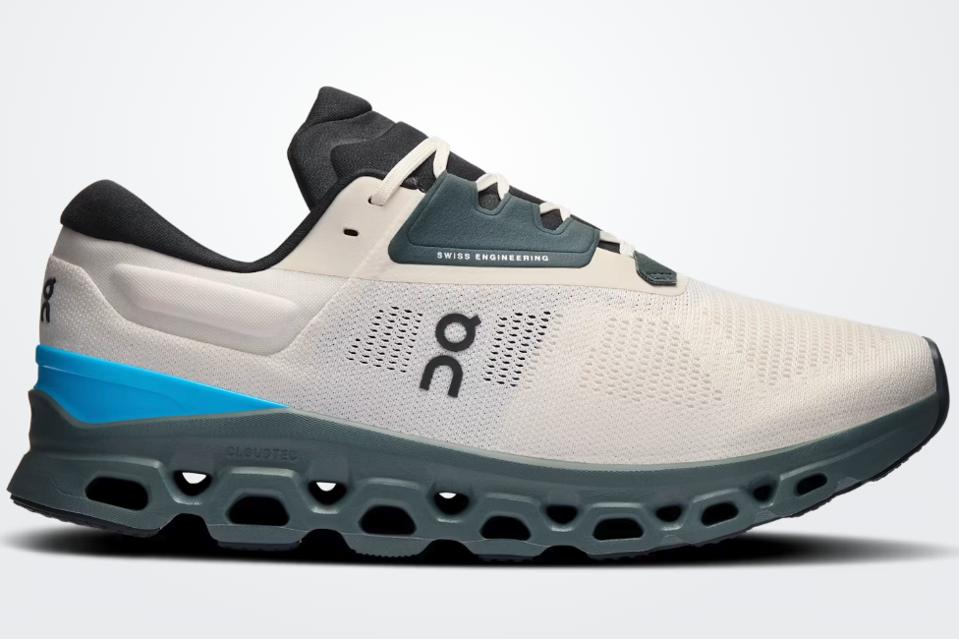
Credit: www.forbes.com
Differences Between Running And Tennis Shoes
Running shoes differ from tennis shoes in design and purpose. Running shoes offer cushioning for forward motion. Tennis shoes provide lateral support for quick side movements. Running shoes may lack the stability needed for tennis.
Differences Between Running and Tennis Shoes Choosing the right footwear for your activities is crucial not only for performance but also for your safety. While running shoes and tennis shoes may look similar at first glance, their differences are significant. Understanding these differences can help you make better choices for your athletic needs.Sole Design
The sole of a shoe is the foundation of any athletic footwear. Running shoes typically have a thick, cushioned sole designed to absorb the repetitive impact of running. This extra cushioning is perfect for straight-line motion. Tennis shoes, on the other hand, have a flatter, more durable sole. They’re crafted to handle the multi-directional movements on the court. Have you ever noticed the herringbone pattern on tennis shoes? It’s designed for optimal grip and quick pivots.Support And Stability
Running shoes focus on forward motion, so they offer support primarily for the heel and arch. This design helps propel you forward effectively. In contrast, tennis shoes prioritize lateral support. They need to accommodate quick side-to-side movements and sudden stops. This kind of stability ensures you won’t roll an ankle during intense matches.Weight And Cushioning
Running shoes are generally lighter, with increased cushioning to make long runs comfortable. Their lightweight nature helps reduce fatigue over long distances. Tennis shoes are slightly heavier due to the added materials for support and durability. The cushioning is more balanced to provide both comfort and stability during rapid movements. Next time you’re on the court, notice how the shoe’s weight helps ground your stance. Are you using the right shoes for your sport? Your choice can affect your game and your health. Make sure your footwear aligns with your activity needs!Impact On Performance
Choosing the right footwear is crucial for any sport, and tennis is no exception. The shoes you wear can significantly impact your performance on the court. Running shoes, with their design focused on forward motion, might seem like a viable option for tennis. But do they really enhance your game? Let’s explore how they affect your movement and agility, and whether they provide adequate court grip and traction.
Movement And Agility
When you play tennis, your feet are constantly in motion, darting side-to-side, forward and backward. Running shoes are crafted for linear movement, often lacking the lateral support necessary for the rapid direction changes in tennis. This could hinder your agility on the court, making quick pivots less fluid and more taxing. Have you ever felt off-balance during a match? It might be your shoes.
Running shoes typically have a higher heel-to-toe drop, which can affect your stance and speed. In tennis, staying low to the ground can improve your reaction time and control. Consider how your footwear might be altering your posture and affecting your game play.
Court Grip And Traction
Grip is another critical aspect when playing tennis. Running shoes are designed with road and trail surfaces in mind, offering traction suitable for those environments. But tennis requires specialized grip to handle the court surface, whether clay, grass, or hard court.
The soles of running shoes may not provide the necessary traction for sudden stops or quick starts on a tennis court. Slipping during a match can not only affect performance but increase the risk of injury. Have you ever found yourself sliding uncontrollably after a serve? This could be the consequence of inadequate shoe traction.
Consider if your current footwear is truly optimized for tennis. Investing in tennis-specific shoes might enhance your performance, improving your agility and grip on the court. What changes can you make to ensure your footwear supports your game? Your choice could be the difference between winning and losing those crucial points.
Risk Of Injury
Running shoes may increase the risk of injury on the tennis court. They lack lateral support needed for quick side movements. Proper tennis shoes help prevent ankle twists and falls.
Risk of injury is a crucial factor to consider when choosing footwear for any sport. Many people wonder if running shoes can double as tennis shoes. The truth is, using running shoes for tennis can increase the risk of injury due to differences in movement and support requirements.Ankle And Knee Strain
Running shoes are designed for forward motion. Tennis requires lateral movements that put stress on your ankles and knees. Without proper support, you might experience strains or even sprains. Once, while playing a casual tennis match in my running shoes, I noticed my knees felt unusually sore. It was a clear sign that they weren’t providing the necessary support for side-to-side movements. Have you ever felt unexpected pain after a game?Foot Support Concerns
Running shoes typically offer cushioning for heel strikes. Tennis demands a more balanced sole for quick pivots and sprints. The lack of side support in running shoes can lead to foot fatigue and discomfort. Imagine playing an intense match only to find your feet aching from insufficient support. Consider whether your current shoes truly meet the needs of your game. Choosing the right footwear is not just about comfort; it’s about ensuring your safety on the court. If your shoes aren’t supporting you, they might be silently increasing your risk of injury.
Credit: racquetguys.ca
Benefits Of Tennis-specific Shoes
When you hit the tennis court, the right footwear can make all the difference. Tennis-specific shoes are designed with your game in mind, offering a range of benefits that running shoes simply can’t match. Understanding these benefits can enhance your performance and keep you comfortable during those intense matches.
Optimized For Court Surfaces
Tennis shoes are engineered to handle the unique demands of tennis courts. Whether you’re playing on clay, grass, or hard courts, tennis shoes provide the grip and support you need to move efficiently. Running shoes, designed for forward motion, lack this lateral stability. Imagine sliding gracefully across a clay court with ease, rather than struggling to maintain your balance. The specialized treads of tennis shoes help you stop and start quickly, giving you the edge over your opponent.
Enhanced Durability
Tennis shoes are built to withstand the rigors of the sport. The constant stops, starts, and lateral movements demand a shoe that’s as tough as your game. You might notice that running shoes wear out quickly when used on the court; they simply aren’t designed for the abrasive surfaces and intense movements. With tennis shoes, the reinforced soles and durable materials ensure they last longer, saving you money in the long run. Isn’t it better to invest in shoes that can keep up with your pace?
When Running Shoes Might Be Suitable
Running shoes might suit tennis if you play casually. Their lightweight design offers comfort and flexibility. However, they lack lateral support needed for quick side-to-side movements in tennis.
When Running Shoes Might Be Suitable Running shoes can be a suitable choice for tennis in certain situations. They offer cushioning and support, which can benefit casual players. Running shoes are designed for forward motion, so they may not provide lateral support. Yet, for some players, they may be an option. Here’s a closer look at when running shoes might work for tennis.Casual Play
Running shoes can be fine for casual tennis games. If you’re playing for fun with friends, their comfort might appeal to you. They provide good shock absorption, reducing the impact on your feet. For occasional play, running shoes might suffice. Just be mindful of sudden stops and turns. They aren’t built for quick lateral movements.Non-competitive Matches
Non-competitive matches can also allow for running shoes. If the game is not serious, comfort might be a priority. Running shoes can cushion your feet, making the game enjoyable. Just remember, they lack the stability of tennis shoes. If the match becomes intense, switch to proper tennis footwear. Running shoes might not handle vigorous play well.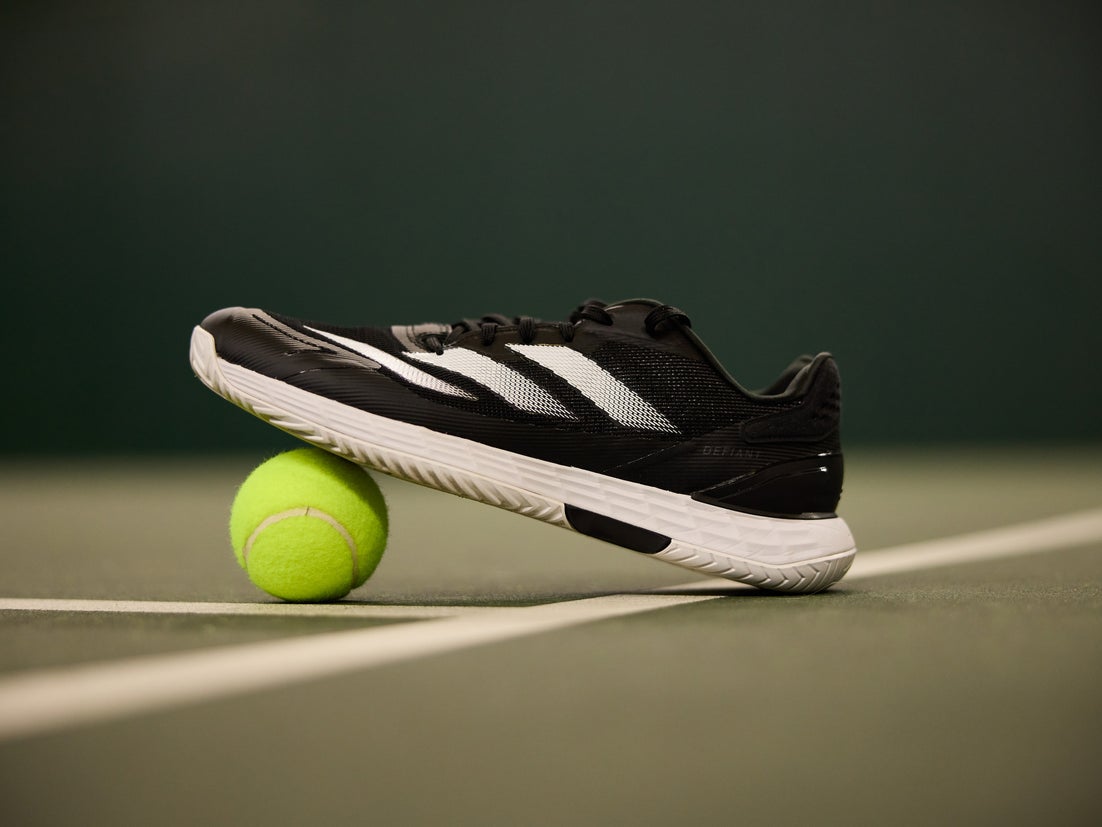
Credit: www.tennis-warehouse.com
Choosing The Right Shoe For Tennis
Choosing the right shoe for tennis can enhance your performance. Tennis requires specific footwear due to its quick movements and intense footwork. Running shoes may not provide the necessary support for lateral movements. Finding the ideal shoe involves understanding your personal needs and seeking advice from experts.
Identifying Personal Needs
Consider your playing style and court surface. Hard courts need durable soles. Clay courts benefit from shoes with good grip. Evaluate your foot type. Flat feet may need arch support. High arches require cushioning. Check comfort and fit. Shoes should feel snug, not tight. Test them during practice to ensure they work well.
Consulting Experts
Visit a local sports store for guidance. Staff can assess your needs. They may suggest brands suited for tennis. Consult a coach or experienced player. They understand the demands of the sport. Online reviews can offer insights. Look for feedback on durability and comfort. Expert advice can lead to better choices.
Frequently Asked Questions
Can You Wear Running Shoes When Playing Tennis?
Wearing running shoes for tennis isn’t ideal. They lack lateral support needed for quick side movements. Tennis shoes offer better stability and grip, reducing injury risk. For optimal performance and safety on the court, choose tennis-specific footwear. Running shoes may wear out faster on tennis courts due to different surface demands.
What Type Of Shoes Are Best For Tennis?
Choose tennis shoes with good traction, lateral support, and cushioning. Opt for durable outsoles for hard courts. Lightweight shoes enhance speed and agility, while reinforced toe caps protect against wear. Proper fit prevents blisters. Brands like Nike, Adidas, and Asics offer specialized tennis footwear for optimal performance on different surfaces.
Can I Use Nike Running Shoes For Tennis?
Nike running shoes are not ideal for tennis. Tennis requires shoes with lateral support and stability. Running shoes focus on forward motion and cushioning, which may not provide the necessary grip and support for tennis movements. For optimal performance, choose tennis-specific shoes.
Is There A Difference Between Tennis And Running Shoes?
Yes, there is a difference between tennis and running shoes. Tennis shoes offer lateral support and durability for quick side-to-side movements. Running shoes prioritize cushioning and forward motion support for comfort during long runs. Choosing the right type ensures optimal performance and reduces injury risk.
Conclusion
Choosing the right shoes for tennis is crucial. Running shoes might seem suitable. But, they lack the needed grip and support. Tennis shoes provide stability for swift movements. Protect your feet and improve your game with proper footwear. Comfort is key in any sport.
Tennis shoes offer better protection against injuries. Invest in quality tennis shoes for better performance. They support lateral movement well. Each sport demands its specific gear. Always prioritize function over style. Your feet will thank you on the court. Feel confident with the right tennis shoes.
Enjoy your game safely and effectively.