
Choosing the right grip size for your tennis racket is crucial to enhancing your performance on the court. Imagine effortlessly hitting every shot with precision and power, while reducing the risk of injury.
Sounds great, right? The secret lies in understanding the impact of grip size on your game. Whether you’re a beginner or a seasoned player, knowing how to pick the perfect fit can transform your play. Dive into this guide to unlock the secrets of grip sizes and discover how this simple adjustment can drastically improve your game.
Get ready to take control of your tennis journey and make every swing count!
Importance Of Grip Size
The grip size of your tennis racket might seem like a small detail, but its importance cannot be overstated. A poorly fitted grip can lead to poor performance, discomfort, and even injury. Understanding why grip size matters is key to improving your game and maintaining your comfort on the court.
What Is Grip Size?
Grip size refers to the circumference of the racket handle, measured in inches. It typically ranges from 4 to 4 3/4 inches. Selecting the right size is crucial for effective control and comfort.
Impact On Performance
A grip that is too small can lead to excessive wrist action, reducing precision and power. Conversely, a grip that’s too large can hinder your ability to snap your wrist, affecting your spin and control.
Comfort And Injury Prevention
Using an incorrect grip size can cause stress on your hand, wrist, and forearm. This may lead to common tennis injuries like tennis elbow. Ensuring the right grip size can help prevent these issues.
How To Measure Your Grip Size
Take a ruler and measure from the tip of your ring finger to the middle of the palm. This will give you a good indication of your ideal grip size. Alternatively, you can try the finger trick: hold the racket and slide your index finger between your fingers and palm; if it fits snugly, the grip size is correct.
Adjusting Your Grip
If you’re unsure about your grip size, start with a smaller one. You can always add an overgrip to increase the size slightly. It’s easier to adjust a smaller grip than to reduce a larger one.
Next time you pick up a tennis racket, consider if your grip size is helping or hindering your game. Are you experiencing discomfort or difficulty in controlling your shots? Maybe it’s time to reevaluate the grip size.
Measuring Your Grip Size
Choosing the right grip size for a tennis racket ensures comfort and control. Measure from the middle crease of your palm to the tip of your ring finger. This simple method helps find the perfect fit, enhancing your game experience.
Measuring Your Grip Size Finding the right grip size for your tennis racket is essential. It affects your control and comfort on the court. Too small a grip can lead to excessive wrist movement and injuries. A grip that is too large can limit wrist snap on serves. Knowing your grip size is crucial for performance and preventing discomfort.Methods To Measure
There are simple ways to measure your grip size. One method uses the ruler test. Place a ruler against your palm. Measure from the tip of your ring finger to the bottom of your palm. This gives a quick estimate of your grip size. Another method is the index finger test. Hold the racket with a natural grip. Slide your index finger between your palm and the racket handle. If it fits snugly, the grip is correct. If there’s too much space, it may be too large.Tools Required
You’ll need a few tools for accurate measurement. A ruler or tape measure is essential. It’s helpful for measuring your hand. A tennis racket for trying different grip sizes is also useful. Having a racket lets you test how the grip feels in play. Optionally, use a grip size chart. This tool helps match your measurements to grip sizes. It provides a visual guide for selecting the right grip.Effects Of Incorrect Grip Size
The grip size of a tennis racket is crucial. It affects your comfort and control. An incorrect grip size can lead to several problems. These issues can harm your game and health. Understanding these effects can help you choose the right grip size.
Impact On Performance
Using the wrong grip size can affect your performance. A grip that’s too big can limit wrist movement. This reduces your ability to spin the ball. A smaller grip might cause over-gripping. This leads to tension in your forearm. Both scenarios can decrease your overall play efficiency.
Risk Of Injury
The wrong grip size increases the risk of injury. A large grip can strain your wrist and elbow. This might lead to tennis elbow, a painful condition. A grip that’s too small can cause excessive squeezing. This can result in tendonitis. Choosing the correct grip size can help prevent these injuries.
Choosing The Right Grip Size
Selecting the appropriate grip size for a tennis racket enhances comfort and control during play. A proper fit minimizes hand fatigue and improves shot accuracy, making the game more enjoyable and effective.
Choosing the right grip size for your tennis racket is crucial for optimal performance and injury prevention. A grip that’s too large or too small can affect your game and lead to discomfort or even injury. So, how do you find the perfect fit? Let’s dive into the key factors that can guide your decision.Factors To Consider
Several elements influence the ideal grip size for your tennis racket. First, consider the size of your hand. Most players use the “finger width” test. Hold the racket as you would during play, and check the space between your fingertips and palm. You should be able to fit the index finger of your other hand snugly in the gap. Next, think about your playing style. If you prefer power in your swings, a slightly larger grip might give you the leverage you need. For those who rely on spin and control, a smaller grip can offer better maneuverability. Lastly, test different grips in real game situations. The perfect size on paper may not feel right on the court.Adjusting For Comfort
Comfort is paramount when choosing a grip size. If a grip feels too tight, you might find yourself exerting more energy to hold the racket, leading to fatigue. On the other hand, a loose grip can slip, affecting your control and causing blisters. Consider using overgrips to fine-tune your grip size. They allow minor adjustments without buying a new racket. Remember, the best grip size should feel natural, allowing you to focus on the game rather than your equipment. Could changing your grip size be the simple fix you’ve been looking for to improve your performance? Give it a try and experience the difference firsthand.Customizing Grip Size
Finding the right grip size for a tennis racket can boost comfort and control during play. Customizing grip size helps prevent injuries and ensures better performance on the court.
Customizing your tennis racket’s grip size can significantly impact your performance on the court. A well-fitted grip ensures optimal control and comfort, helping you execute powerful strokes while reducing the risk of injury. Whether you’re an avid player or a beginner, understanding how to tailor your grip size can elevate your game.Grip Build-up
Grip build-up is a straightforward method to increase the size of your racket’s grip. This involves adding layers of material directly onto the existing handle. Many players use tape or a heat-shrink sleeve to achieve the desired thickness. For a more precise fit, you can experiment with different numbers of tape layers until the grip feels just right. It’s essential to keep testing your grip during this process. This ensures that the changes enhance rather than hinder your playing style.Using Overgrips
Overgrips are a popular choice for customizing grip size due to their ease of use and variety. These are thin layers that wrap over the existing grip, offering a quick adjustment to your racket’s feel. They come in various textures and colors, allowing you to personalize your racket’s aesthetics while fine-tuning the size. Overgrips can also provide additional cushioning and sweat absorption, which can be beneficial during long matches. Consider keeping a few overgrips in your tennis bag. They can be easily swapped out to maintain a fresh, comfortable grip as needed. Which method will you choose to customize your grip size?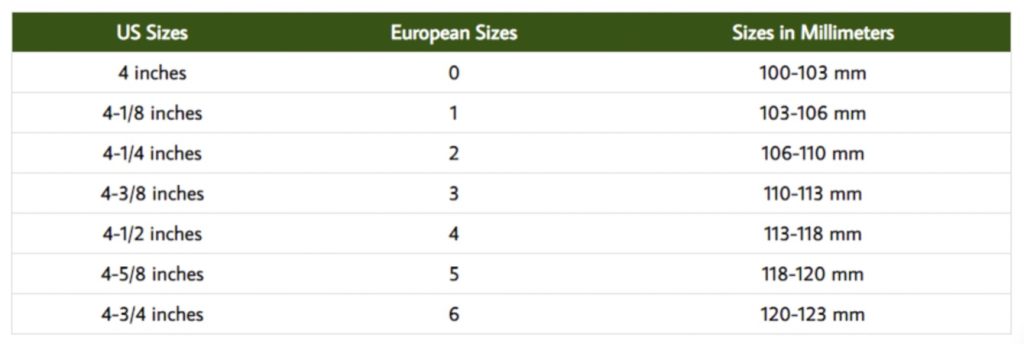
Credit: www.tennisnerd.net
Testing Different Grip Sizes
Choosing the right grip size is vital for tennis performance. It affects comfort, control, and injury prevention. Many players experiment with different sizes to find the best fit. Testing various grip sizes can be a fun and insightful process.
Trial And Error Approach
The trial and error method involves trying multiple grip sizes. Begin with the standard sizes available. Hold each racket and play a few games. Notice how your hand feels. Does the racket slip or feel too tight?
Switch between different grip sizes during practice. Pay attention to your swings and shots. Smaller grips may offer more wrist movement. Larger grips can provide stability. Evaluate which grip offers better control and comfort.
Feedback From Coaches
Coaches provide valuable insights on grip size. They observe your playing style closely. Discuss your experiences with different grips. Ask for their advice based on your performance.
Coaches may recommend specific sizes for improvement. Their feedback can guide you to the ideal grip. Listen to their suggestions and consider adjustments. A coach’s experience can significantly influence your choice.
Common Misconceptions
Choosing the right grip size for your tennis racket can make or break your game. Yet, many players are misled by common misconceptions. These myths can affect performance and even lead to injuries. Let’s debunk these myths and gain clarity on the subject.
Myths About Grip Size
One common myth is that a larger grip size always provides better control. This isn’t true for everyone. A grip that’s too large can limit wrist action and decrease your spin potential. Conversely, a smaller grip allows for more wrist flexibility, which can enhance spin but may reduce control.
Another misconception is that you should stick to the grip size you started with as a beginner. As you improve your skills, your needs change. Your initial grip size may no longer suit your playing style. Trying different sizes can enhance comfort and performance.
Clarifying Misunderstandings
It’s often believed that professional players always choose the smallest grip size possible. While some pros do prefer smaller grips, it’s not a one-size-fits-all scenario. Each player has unique preferences and requirements based on their playing style.
Many think grip size is just about comfort. While comfort is essential, the right grip size impacts your ability to execute shots effectively. It influences your reach, swing, and even how quickly you can react during a match.
Have you ever wondered if your grip size is holding you back? Experiment with different sizes to find what truly complements your style. Sometimes, a small adjustment can lead to significant improvements in your game.
Professional Players’ Preferences
Choosing the right grip size is crucial for tennis players. Professionals know this well. They often have specific preferences. These preferences can influence their performance. Understanding their choices can help you decide on your grip size.
Insights From Top Players
Top players often choose smaller grips for more wrist action. Rafael Nadal, a well-known player, prefers a smaller grip. This allows him to generate more spin. On the other hand, Roger Federer uses a slightly larger grip. He finds it gives him more stability. Serena Williams opts for a medium grip size. She values control and comfort. These choices show how personal grip size can be.
Comparing Grip Sizes
Grip sizes vary among players. A smaller grip often benefits aggressive play. It allows for quick wrist movements. Larger grips are preferred for stability. They can help with control during powerful shots. Medium grips offer a balance of control and flexibility. This is why many players choose them. Analyzing these preferences can guide you in your choice.
Future Trends In Grip Technology
Tennis is constantly evolving, and grip technology is no exception. As the sport becomes faster and more competitive, players look for any advantage they can find. Future trends in grip technology promise exciting changes that could affect your game. New materials and designs are emerging, offering unique benefits for comfort, performance, and customization. Are you ready to adapt to the advancements that could redefine your playing experience?
Innovations In Materials
Material innovation is changing the way grips are designed. The days of traditional rubber grips might soon be behind us. Imagine grips made from high-tech polymers that adjust to your hand’s moisture level. These materials could offer better traction and comfort.
Some brands are experimenting with biodegradable materials. This aligns with a growing demand for eco-friendly sports equipment. How would you feel using a grip that not only enhances your game but also reduces your carbon footprint?
Ergonomic Designs
Ergonomic designs are becoming increasingly important in grip technology. Companies are investing in research to develop grips that fit the natural contours of your hand. These designs aim to minimize fatigue and improve control during long matches.
Customization is another trend. Picture a grip that molds to your hand shape over time. This personalized touch could change the way you feel about your racket. Have you ever thought about how a tailored grip might improve your swing?
As grip technology evolves, it promises to make tennis more comfortable and enjoyable. Stay informed and consider how these trends might impact your game. Are you ready to embrace the future of tennis grip technology?

Credit: www.reddit.com
Credit: sportsgalaxy.in
Frequently Asked Questions
How Do I Know My Grip Size For A Tennis Racket?
Measure your grip size by holding a ruler against your palm. Measure from the tip of your ring finger to the bottom crease of your palm. Alternatively, wrap a tape measure around the handle to find the circumference. Ideal grip sizes range from 4 inches to 4 5/8 inches.
Is Grip 2 Too Small For Tennis?
Grip size 2 may be too small for some adults. It’s essential to find a grip size that feels comfortable. Test different sizes to ensure a secure and comfortable hold. Proper grip size enhances control and prevents injuries. Always choose what feels right for your hand.
What Is Djokovic’s Grip Size?
Novak Djokovic typically uses a grip size of 4 3/8 inches. This size suits his playing style, providing control and comfort. Adjusting grip size can impact performance, so players should select based on personal preference and hand size.
Does Grip Size Matter On A Tennis Racket?
Grip size greatly impacts tennis performance. A proper grip ensures control, reduces injury risk, and enhances comfort. Choosing the right size improves stroke precision and power. Measure your hand to find the perfect fit, and try different sizes to determine what feels best.
Consult a professional for personalized advice.
Conclusion
Choosing the right grip size matters. It affects control and comfort. Small grips can lead to injuries. Large grips reduce wrist flexibility. Measure your hand carefully. Try different sizes before buying. Comfort should guide your decision. Visit a store and test rackets.
Feel the grip in your hand. Ask for expert advice if unsure. A good grip enhances performance. Enjoy playing with confidence and ease. Remember, your comfort is key. Happy playing!