
Have you ever wondered if you can swap your cleats between sports like baseball and soccer? This question might pop up when you’re looking to save money or simplify your gear.
You might even think, “Cleats are cleats, right? ” But before you lace up for your next game, it’s important to know if these shoes are truly interchangeable. Understanding the differences could boost your performance and prevent injuries. Plus, it might save you from an embarrassing slip or slide on the field.
Dive into this article to discover if your cleats are game-ready for both sports, and make sure you’re equipped to play your best.
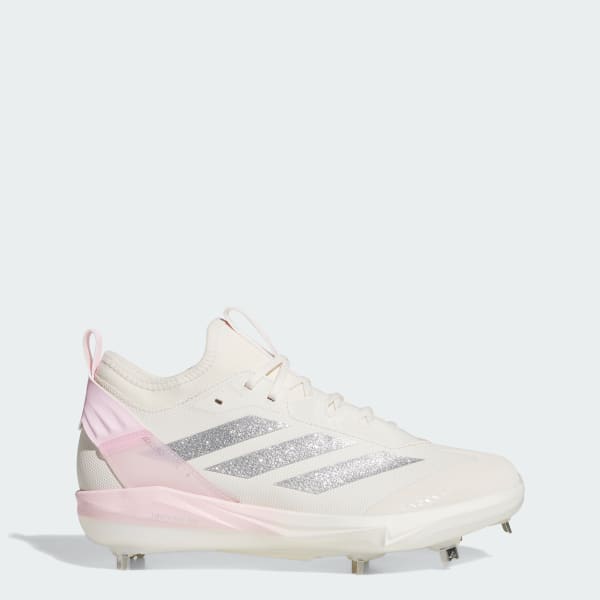
Credit: www.adidas.com
Key Differences
Baseball and soccer cleats might look similar, but they serve different purposes. Each sport has unique demands, reflected in the cleat design. Knowing the key differences helps athletes choose the right footwear for optimal performance.
Design Variations
Baseball cleats often feature a low-cut design for agility. They provide support for quick lateral movements. Soccer cleats usually have a snug fit to enhance ball control. They come in various cuts, including low and mid-rise. The design caters to the need for speed and precision on the field.
Material Choices
Baseball cleats typically use durable materials like leather or synthetic leather. They withstand dirt and gravel on the diamond. Soccer cleats often use lightweight synthetic materials. This enhances speed and reduces fatigue during long matches. Breathability and comfort are prioritized.
Stud Configurations
Baseball cleats have metal or molded rubber studs. These offer grip on grass and dirt. Soccer cleats feature rubber or plastic studs. They are configured for traction on grass or turf. The stud arrangement aids quick direction changes and stability.
Performance Impact
Understanding the performance impact of choosing the right cleats is crucial. Both baseball and soccer cleats have distinct designs tailored for specific sports. Their unique features can significantly affect your game. Let’s explore the performance aspects.
Traction And Grip
Traction is vital for maintaining balance and speed. Soccer cleats offer excellent grip on grass fields. They have multiple small studs for stability during quick moves. Baseball cleats, meanwhile, feature fewer but longer studs. They provide better traction on dirt surfaces. This difference impacts how players move.
Foot Support
Proper foot support is essential for comfort and injury prevention. Soccer cleats are lighter and offer more flexibility. They allow for sharp turns and fast sprints. Baseball cleats are heavier with reinforced areas. They provide support during high-impact actions like sliding. Each type caters to the sport’s demands.
Field Adaptability
Field conditions vary greatly between sports. Soccer is played mostly on grass. Cleats are designed for smooth transitions on such surfaces. Baseball fields combine grass and dirt. Cleats must adapt to these changes. This adaptability influences performance and safety. Selecting the right cleats for each field is important.
Safety Considerations
When choosing cleats for baseball or soccer, safety is a top priority. Different cleats are designed for specific sports needs. This can impact player safety significantly. Understanding these differences helps prevent injuries and ensures compatibility with various field surfaces.
Injury Prevention
Baseball and soccer cleats have distinct features. Baseball cleats often have a toe spike for traction in dirt. Soccer cleats are designed for smooth transitions and lateral movements. Using the wrong cleats can increase injury risk. Wearing soccer cleats on a baseball field might not offer the necessary grip. Conversely, baseball cleats on a soccer field can hinder movement and increase the risk of ankle injuries. Choose cleats tailored to the sport for better safety.
Field Surface Compatibility
Field surfaces vary between baseball and soccer. Baseball is often played on dirt and grass. Soccer fields are usually grass or turf. Soccer cleats are designed for quick changes on grass or turf. Baseball cleats provide stability on dirt. Using soccer cleats on a baseball field can cause slipping. Baseball cleats might not grip well on a soccer field. Select cleats that match the field surface for optimal performance and safety.
Regulations And Standards
Understanding the regulations and standards of sports footwear is crucial. Cleats used in baseball and soccer are designed with specific needs in mind. These regulations ensure safety and performance on the field. Each sport has unique requirements, which are reflected in their respective footwear designs.
Sport-specific Requirements
Baseball cleats often have metal spikes for grip on dirt surfaces. Metal spikes provide stability, especially during rapid movements. Soccer cleats, in contrast, feature rubber or plastic studs. These studs allow for better traction on grass. The design of soccer cleats promotes agility and quick direction changes. Both sports prioritize different aspects due to their distinct play styles.
League And Competition Rules
Each league has specific rules regarding footwear. Baseball leagues may restrict metal cleats for certain age groups. This is to prevent injury from sharp spikes. Soccer leagues often have rules about stud length. Longer studs can damage the playing field or cause injury. Compliance with these rules is essential for participation. Understanding these regulations helps players choose the right gear.
Choosing The Right Cleats
Baseball and soccer cleats differ in design and purpose. Baseball cleats often have a toe spike for traction, while soccer cleats focus on agility with a more rounded design. Choosing the right cleats can enhance performance and prevent injury.
Choosing the right cleats can be a game-changer for any athlete. Whether you’re on the diamond or the soccer field, the right footwear can boost your performance and keep you safe from injury. But how do you decide which cleats are right for you? Let’s break it down.Player Position Influence
Your position in the game significantly impacts your cleat choice. If you’re a soccer forward, you might opt for lightweight cleats that enhance speed and agility. On the other hand, baseball outfielders often need cleats with more grip for quick pivots and explosive starts. Consider your role and how your feet interact with the ground. Are you often sprinting down the field or making sudden stops and turns? Your cleat needs will vary based on these dynamics.Weather And Field Conditions
Weather and field conditions can turn a game around—literally! Wet, muddy fields call for cleats with longer studs for better traction. Conversely, dry, hard surfaces might require shorter studs to prevent discomfort and enhance speed. Picture a rainy day where the field turns slick. Without proper cleats, even the best athlete could end up sliding more than running. Always check the forecast and field type before choosing your cleats for the day. In both baseball and soccer, the right cleats can give you the edge. So, what will you choose for your next game?
Credit: www.dickssportinggoods.com
Common Misconceptions
When it comes to sports gear, misconceptions abound, especially concerning baseball and soccer cleats. Many believe these cleats are interchangeable, but the truth is more nuanced. Understanding these distinctions can improve your game and protect your investment. Let’s debunk some common misconceptions.
Interchangeability Myths
One of the most common myths is that baseball and soccer cleats can be used interchangeably. While at a glance they may seem similar, their designs cater to different needs. Soccer cleats are crafted for agility and ball control, featuring a low-cut style for ankle movement. Baseball cleats, on the other hand, often have a front cleat for better grip on dirt and grass, essential for quick sprints and sudden stops.
Using soccer cleats for baseball, or vice versa, can hinder performance and increase injury risk. Have you ever tried running bases with cleats that lack the right traction? It’s like trying to sprint on ice. Choosing the right cleat for your sport not only enhances performance but also ensures safety on the field.
Cost And Quality Assumptions
Another misconception is that all cleats are created equal in terms of cost and quality. Some assume that spending more automatically means better quality, which isn’t always the case. The price often reflects brand popularity rather than the actual durability or suitability of the cleat for your sport.
Evaluate the features and benefits that align with your needs. A high-priced soccer cleat might not perform well on a baseball diamond. Conversely, a mid-range baseball cleat could offer the stability and comfort you need without breaking the bank.
Consider what you truly need from your cleats. Are they comfortable? Do they provide the right support and traction for your sport? Asking these questions will guide you to make informed decisions, ensuring your investment is worthwhile.
Expert Opinions
Expert opinions provide valuable insights into the differences between baseball and soccer cleats. Understanding these differences helps athletes make informed choices. Coaches and players offer firsthand experiences that guide these decisions.
Insights From Coaches
Coaches emphasize the unique design of each cleat type. Baseball cleats often have a toe spike, aiding quick starts. Soccer cleats focus on agility, with a rounded design for smooth movements.
Coaches also highlight the importance of the playing surface. Baseball fields are dirt, needing different traction than soccer fields. Soccer fields are mostly grass, requiring cleats that grip without damaging the turf.
Training sessions further reveal differences in performance. Baseball demands sudden sprints and stops. Soccer involves continuous running and quick direction changes.
Athlete Experiences
Athletes share practical experiences with both types of cleats. Baseball players appreciate the stability and grip of their cleats. Soccer players value the lightweight feel and flexibility of their footwear.
Some athletes try using soccer cleats for baseball, finding them less effective. They miss the added support needed for sharp turns. Soccer cleats lack the toe spike crucial for baseball.
Conversely, baseball cleats on a soccer field can hinder performance. The toe spike can catch in the grass, causing falls. The heavier design can slow down a soccer player.
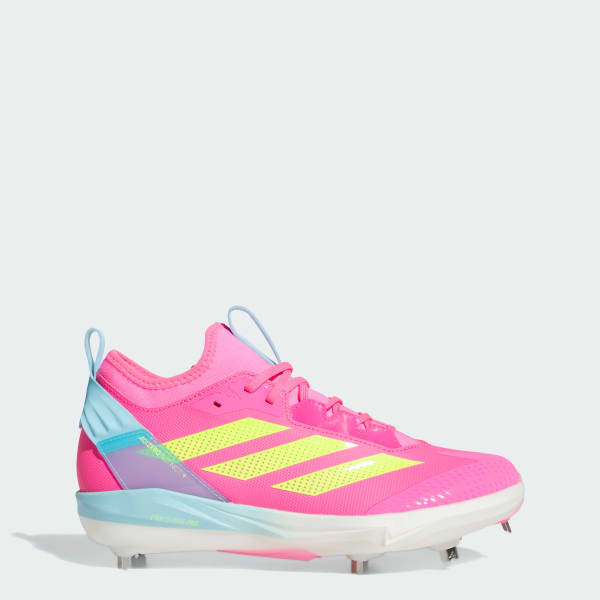
Credit: www.adidas.com
Frequently Asked Questions
Can You Use The Same Cleats For Soccer And Baseball?
Soccer and baseball cleats differ in design. Soccer cleats are lighter and lack a toe stud. Baseball cleats have a toe stud for traction. Using the wrong cleats can affect performance and safety. It’s best to use sport-specific cleats for optimal support and grip.
Are Baseball Cleats Allowed In Soccer?
Baseball cleats are not allowed in soccer. Soccer requires specific cleats for safety and performance. Baseball cleats have a toe spike, which can cause injuries and damage the field. Always use soccer cleats for playing soccer to ensure compliance with rules and safety standards.
What’s The Difference Between A Soccer Cleat And A Baseball Cleat?
Soccer cleats have a rounded front for better ball control and no toe spike. Baseball cleats feature a toe spike for grip in dirt and grass. Soccer cleats prioritize agility, while baseball cleats focus on traction and stability. Both are designed for their specific sports’ playing surfaces.
Can I Wear Softball Cleats For Soccer?
Softball cleats are not suitable for soccer. Soccer requires cleats with specific traction and design. Using softball cleats can increase the risk of injury and affect performance on the soccer field. Always choose the right footwear designed for the sport you are playing to ensure safety and optimal performance.
Conclusion
Choosing the right cleats matters. Baseball and soccer cleats differ in design. Each caters to specific sport needs. Baseball cleats offer grip for quick runs and sudden stops. Soccer cleats focus on ball control and agility. Always select cleats based on your sport.
Comfort and performance improve with the right choice. This ensures safety and enhances your game experience. Never underestimate the importance of proper footwear. Your cleats can impact your playing style and results. So, invest time in finding the perfect fit.
Your feet will thank you, and your game will too.