
Have you ever found yourself on the field, ready to make that crucial save, only to realize your gloves don’t fit quite right? You’re not alone.
Choosing the perfect goalkeeper gloves is a game-changer, not just for comfort but for performance too. You deserve gear that supports your skills and boosts your confidence. We’ll guide you through the simple steps to size goalkeeper gloves perfectly. Imagine the difference when every dive feels natural, and every grip is firm.
With these insights, you’ll ensure your gloves fit like a second skin, making you unstoppable on the field. Let’s unlock the secret to finding your perfect fit!
Importance Of Proper Fit
Properly fitted goalkeeper gloves enhance performance and safety. Gloves too loose or tight can hinder grip and control. Accurate sizing ensures comfort, allowing goalkeepers to focus on the game.
The proper fit of goalkeeper gloves is crucial for optimal performance. A well-fitted glove enhances grip, control, and protection. Without the right fit, even the best gloves won’t perform well. Finding the perfect size requires careful consideration.Comfort And Control
A snug fit ensures comfort during intense matches. Loose gloves may slip, causing distractions. Tight gloves restrict movement, affecting performance. Comfort directly impacts a goalkeeper’s confidence and control.Enhanced Grip
Properly fitting gloves improve grip on the ball. This is vital for catching and holding. An ill-fitting glove can lead to mishandles. A secure grip is essential for making successful saves.Protection And Safety
Well-fitted gloves offer better protection against injuries. They cushion impacts and provide support to the fingers. Proper sizing reduces the risk of sprains. Safety should never be compromised.Performance And Agility
The right fit boosts agility and reaction time. Goalkeepers need quick reflexes. Gloves that fit well enhance these abilities. They allow for swift and precise movements.Durability And Longevity
Gloves that fit properly last longer. They endure less wear and tear. Proper sizing prevents unnecessary strain on the material. This ensures they stay in good condition for more games.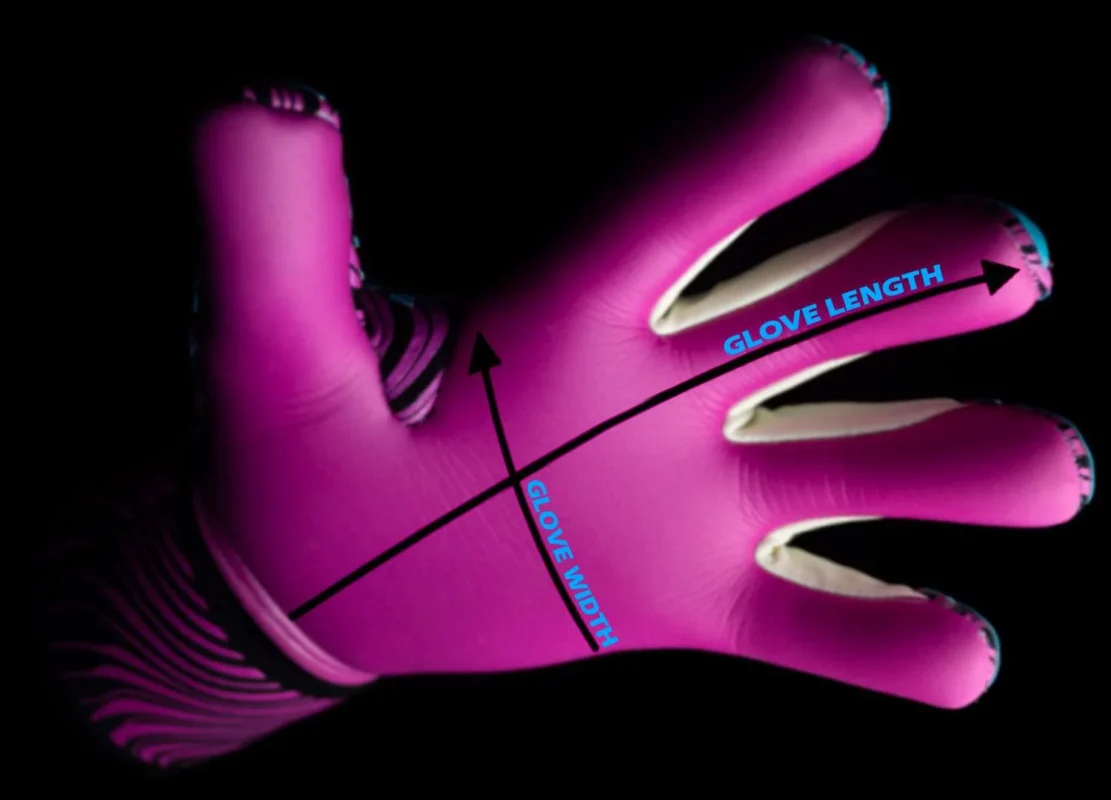
Credit: saviourgk.com
Measuring Hand Size
Finding the perfect fit for your goalkeeper gloves can dramatically enhance your performance on the field. The key to selecting the right size lies in accurately measuring your hand. Proper measurements ensure comfort, grip, and protection. Let’s dive into the essentials of measuring hand size, focusing specifically on hand circumference and hand length.
Hand Circumference
The hand circumference is a vital measurement to guarantee your gloves fit snugly without being too tight. To measure this, wrap a soft tape measure around the widest part of your hand, typically just below the knuckles. Ensure the tape is not too tight; it should sit comfortably against your skin.
Consider this: your gloves should allow flexibility, but if they’re too loose, you might struggle to maintain a firm grip on the ball. So, how does your hand circumference align with glove sizes? Many brands provide sizing charts, so check these before purchasing.
Hand Length
Hand length is another critical factor in glove sizing. Measure from the tip of your middle finger down to the base of your palm. This dimension helps in ensuring your fingers fit comfortably within the gloves without excess material bunching up.
If you’ve ever felt your gloves were a bit bulky or cumbersome, it could be due to incorrect hand length sizing. A precise hand length measurement can prevent issues with glove control, giving you greater dexterity and comfort during matches.
Have you ever wondered if your gloves are affecting your game? Taking the time to measure both your hand circumference and length might just be the solution to improving your performance and confidence on the field.
Understanding Glove Sizes
Understanding the correct size of goalkeeper gloves is crucial for optimal performance on the field. Too tight, and you might struggle with comfort and control; too loose, and you risk the gloves slipping at critical moments. But how do you find the perfect fit? Let’s dive into the essentials of glove sizing, ensuring you make the right choice for your game.
Standard Sizing Charts
Standard sizing charts are your first resource in determining glove size. These charts provide a range of measurements based on the circumference of your palm without the thumb. Use a measuring tape to get this number. Then, compare it to a sizing chart to find your match.
For example, if your palm measures 7 inches, you might look at a size 7 glove. But remember, brands can vary slightly, so always check the specific chart of the brand you’re interested in.
Youth Vs. Adult Sizes
Are you buying gloves for a young aspiring goalie or an adult athlete? Youth gloves generally cater to smaller hands with sizes ranging from 4 to 6. Adult gloves, on the other hand, typically start at size 7 and go up to size 12.
Consider the player’s age and hand growth stage. Youth gloves are designed to be snug but flexible, while adult gloves focus on durability and grip. Have you ever considered how growth spurts might affect sizing? Be prepared to reassess glove size regularly, especially for young players.
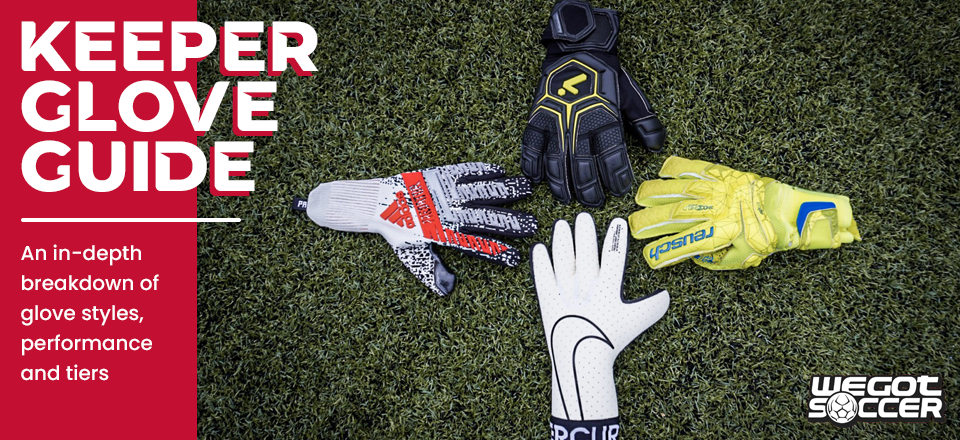
Credit: wegotsoccer.medium.com
Types Of Goalkeeper Gloves
Properly sizing goalkeeper gloves ensures a comfortable fit. Consider the glove’s cut, finger protection, and palm material. Measure your hand’s circumference and add one inch for accurate sizing.
When choosing goalkeeper gloves, understanding the types available is crucial. Different types offer varied fits, grips, and comfort levels. Each type caters to specific playing styles and personal preferences. Let’s explore the main types of goalkeeper gloves.Flat Cut
Flat cut gloves are traditional. They have a flat palm design. This type offers a looser fit. Flat cut gloves provide a larger surface area. They are ideal for goalkeepers who prefer roomier gloves. They allow for more finger movement.Roll Finger
Roll finger gloves wrap around each finger. This design gives a snug fit. The wrap increases contact with the ball. This type is perfect for those who want a tight grip. Roll finger gloves enhance ball control. They are suitable for wet and dry conditions.Negative Cut
Negative cut gloves have seams on the inside. This design offers a tighter fit. They are often used by professional goalkeepers. Negative cut gloves offer better control and touch. They are ideal for those who prefer a close-fitting glove. These gloves are great for precision handling.Adjusting For Comfort
Finding the right fit for goalkeeper gloves enhances performance and comfort. Measure hand size accurately, considering width and length. Choose gloves with a snug fit that allows flexibility and grip.
Finding the perfect fit for your goalkeeper gloves is crucial for both performance and comfort. While size charts and measurements provide a good starting point, adjusting for comfort ensures that your gloves support you through every dive and catch. It’s not just about how they fit your hand, but how they feel during a game. The right adjustments can make a difference between a confident save and a missed opportunity.Finger Protection
Finger protection is a key element in goalkeeper gloves. It shields your fingers from intense impact and reduces the risk of injuries. Opt for gloves with built-in finger spines if you frequently face high-velocity shots. When choosing gloves, consider how much flexibility you need. Stiffer finger protection offers more security, but can limit movement. Try different options to see what feels right for you.Wrist Support
Wrist support can be a game-changer in maintaining glove stability. Adjustable straps allow you to find the perfect tightness, ensuring your gloves stay in place during intense play. Look for gloves with wrap-around wrist straps for enhanced support. This feature can prevent your gloves from slipping off, giving you confidence in every save. Remember, your wrist should feel secure, but not restricted. Comfort adjustments can greatly enhance your performance. Have you ever felt distracted by uncomfortable gear during a match? By focusing on both finger protection and wrist support, you can eliminate these distractions and focus on the game.Common Sizing Mistakes
Choosing the wrong size of goalkeeper gloves can affect performance. Measure your hand and check the sizing chart. Consider finger protection and try them on before buying to ensure the best fit.
Sizing goalkeeper gloves correctly is crucial for optimal performance and comfort. However, many players fall into common sizing mistakes, leading to gloves that are either too tight or too loose. Understanding these pitfalls can help you make a better choice and enhance your game on the field.Too Tight
Wearing gloves that are too tight can severely impact your performance. Tight gloves restrict finger movement, making it difficult to catch and grip the ball effectively. Imagine being in a crucial match and struggling to make a save because your fingers feel constricted. Tight gloves can also lead to discomfort and fatigue. After just a short period, your hands may start to ache, distracting you from focusing on the game. If your gloves leave marks on your skin or make you feel like you’re losing circulation, it’s time to reconsider the size.Too Loose
On the other hand, gloves that are too loose can be equally problematic. Loose gloves lack the necessary grip and control, causing the ball to slip through your fingers. This can be particularly frustrating during high-stakes moments when precision is key. Moreover, loose gloves may shift around on your hands, reducing your confidence in making secure saves. This instability can lead to hesitation, which is the last thing you want as a goalkeeper. If your gloves feel like they’re slipping off with every dive, it’s a clear sign they’re not the right fit. Choosing the right size is more than just a matter of comfort; it’s about enhancing your performance. Have you ever found yourself wondering why your saves aren’t as sharp as they should be? It might be time to reassess your glove size.Trying Gloves Before Buying
Trying gloves on helps find the perfect fit for goalkeepers. Ensure fingers have space without extra room. Proper sizing boosts comfort and performance on the field.
Trying on goalkeeper gloves before purchasing is crucial. It ensures a comfortable and secure fit. Different brands and models can vary significantly in size and feel. Trying them on gives firsthand experience. It helps you find the pair that fits perfectly. Below, we explore key aspects to consider during this process.Check The Fit And Feel
Slide your hand into the glove. It should feel snug but not tight. Your fingertips should touch the glove’s tips lightly. Ensure there’s no excess space. A glove that’s too loose can affect performance. Make a fist. Check for any discomfort or resistance. Your hand should move easily.Test Grip And Flexibility
Grip a ball while wearing the gloves. The glove should offer good grip. Practice catching and throwing motions. Evaluate the glove’s flexibility. It should bend easily without resistance. Flexibility is key for effective saves.Examine Stitching And Seams
Inspect the gloves’ stitching. It should be strong and secure. Loose threads indicate poor quality. Check seams for any signs of wear. High-stress areas should be reinforced. This ensures durability over time.Consider Padding And Protection
Feel the padding on the palm and fingers. It should provide adequate protection. Ensure the glove absorbs impact well. Proper padding reduces hand fatigue. It enhances comfort during long games.Assess Closure Systems
Look at the wrist closure system. It should offer a secure fit. Velcro straps are common. Ensure they fasten tightly. A good closure prevents the glove from slipping. It adds stability to your hand movements.Evaluate Material And Breathability
Touch the glove material. It should feel durable yet breathable. Breathability is important. It prevents excessive sweating. Look for gloves with mesh panels. They allow better airflow. Trying on different gloves helps identify the best fit. It enhances your confidence and performance on the field.
Credit: www.ebay.com
Caring For Your Gloves
Finding the right size is key for goalkeeper gloves. Measure your hand from the tip of your middle finger to the base of your palm. Ensure a snug fit, allowing room for finger movement without excess space.
Caring for your goalkeeper gloves is crucial for their longevity. Regular maintenance ensures they perform well during matches. Proper care also keeps them looking fresh and ready for action.Cleaning Tips
Wash your gloves after every use. Lukewarm water is ideal for cleaning. Avoid harsh detergents as they can damage the material. Gently rub the gloves to remove dirt. Rinse thoroughly to ensure all soap is gone. Squeeze out excess water carefully. Never wring them out.Storage Advice
Store your gloves in a cool, dry place. Avoid direct sunlight to prevent material damage. Use a glove bag for added protection. Ensure they are completely dry before storing. This prevents mold growth. Keep them flat to maintain their shape. Avoid folding or crumpling them.Frequently Asked Questions
What Is My Hand Size For Goalkeeper Gloves?
Measure from the tip of your middle finger to your wrist. Use a tape measure for accuracy. Compare the measurement to a glove size chart. Sizes typically range from 7 to 12. Ensure a snug fit for better control and comfort during play.
What Size Would A 12 Year Old Be In Goalie Gloves?
A 12-year-old typically wears goalie gloves in sizes 6 to 7. Check the brand’s size chart for accuracy. Consider hand measurements for precise fit. Quality and comfort are crucial for performance.
How Do I Calculate My Glove Size?
Measure around your palm at its widest point, excluding your thumb, using a tape measure. Convert inches to glove size using a sizing chart. Round up if between sizes for a comfortable fit.
What Size Goalkeeper Gloves For A 20 Year Old?
Choose goalkeeper gloves based on hand size, not age. Measure palm width for accurate sizing. Sizes typically range from 7 to 12. Check the manufacturer’s size chart for precise fit. Remember, a snug fit ensures optimal performance and comfort. Test gloves if possible to ensure the best fit and feel.
Conclusion
Choosing the right goalkeeper gloves makes a big difference. Properly fitting gloves provide comfort and protection. Measure your hand carefully for the best size. Remember, gloves should fit snugly but not too tight. Try different brands for the perfect match.
Each brand can vary in sizing. Check the glove materials for durability and grip. Good grip helps in catching and holding the ball. With the right gloves, you can play confidently. Invest time in finding the best fit. Your performance will improve with the right gloves.
Keep these tips in mind when buying your next pair.