
Have you ever tuned into a boxing match and heard the term “RTD” but found yourself puzzled about its meaning? You’re not alone.
Boxing is a sport rich in history and unique terminology, which can often feel like a different language to newcomers. However, understanding these terms can significantly enhance your viewing experience and deepen your appreciation for the sport. In this article, we will unravel the mystery behind “RTD” in boxing.
This exploration isn’t just about learning a new term; it’s about gaining an insider’s perspective into a crucial aspect of the sport. If you’re ready to elevate your boxing IQ and become the go-to person among your friends for boxing knowledge, keep reading.
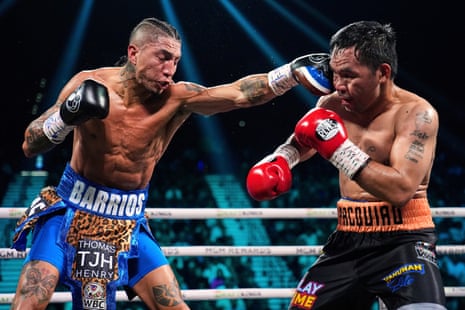
Credit: www.theguardian.com
RTD Definition in Boxing
In boxing, many terms hold specific meanings, and one such term is “RTD.” RTD stands for “Retired” and signifies a particular outcome in a boxing match. This term comes into play when a fighter decides not to continue the fight, often due to injury or fatigue. Let’s delve deeper into what RTD means in the context of boxing.
What Does RTD Mean?
RTD indicates a fighter’s retirement during a match. This decision is typically made by the fighter or their corner and results in the fight being stopped before the scheduled rounds end. The opponent is then declared the winner. Understanding this term is crucial for grasping the dynamics of a match. For more, see our complete guide on What Does Majority Draw Mean.
How is RTD Determined in Boxing?
RTD is determined when a fighter, due to injury or exhaustion, can no longer continue the fight. The fighter or their corner may signal the referee to stop the match, ensuring the fighter’s safety. This decision is made to prevent further harm and prioritize the fighter’s health.
Why Fighters Choose RTD
Fighters often choose to retire for safety reasons. Injuries can severely impact their ability to compete effectively, and continuing to fight could exacerbate the injury. Fatigue is another common reason; a fighter may feel they cannot continue safely. Ultimately, their health and future in the sport take precedence.
Impact of RTD on a Fighter’s Record
An RTD decision has significant implications for a fighter’s record. It counts as a loss for the retiring fighter, while the opponent is credited with a win. This outcome can influence rankings and future match opportunities, highlighting the importance of health over competition.
Examples of RTD in Boxing History
Many notable boxers have opted for RTD in their careers, often surprising fans. These decisions underscore the physical toll of boxing and remind us of the sport’s intensity. Famous matches have ended unexpectedly due to RTD, illustrating the tough choices fighters must make. We cover this in detail in our What Does Oz Mean Boxing article.

Q: What is RTD in boxing?
RTD in boxing stands for “Retired,” indicating that a fighter has chosen to stop the match before the scheduled rounds end, usually due to injury or fatigue. According to Mayo Clinic fitness guide, this is important for athletes.
Q: How is RTD determined in boxing?
RTD is determined when a fighter or their corner signals to the referee that they can no longer continue the fight, prioritizing the fighter’s safety.
Q: What does RTD stand for in boxing?
RTD stands for “Retired,” a term used to describe a fighter who has chosen to withdraw from a match before its conclusion.
Q: Is RTD a common outcome in boxing?
While not the most frequent outcome, RTD does occur in boxing, particularly when fighters face injuries or extreme fatigue during a match. You may also find our What Does Majority Draw Mean helpful.
Q: What are the implications of an RTD on a fighter’s record?
An RTD counts as a loss for the retiring fighter and a win for their opponent, impacting rankings and future match opportunities.
Q: Can a fighter recover after an RTD?
Yes, many fighters can recover from injuries or fatigue that led to an RTD and continue their careers, focusing on their health and training.
Q: How does RTD affect a fighter’s reputation?
While an RTD is considered a loss, many fans respect fighters who prioritize their health, often viewing them as responsible athletes.
Q: Are there famous matches that ended in RTD?
Yes, several high-profile boxing matches have ended in RTD, showcasing the physical demands of the sport and the tough decisions fighters must make.
In summary, understanding the term “RTD in boxing” not only enriches your knowledge of the sport but also emphasizes the importance of fighter safety. Whether you’re a casual viewer or a dedicated fan, grasping these boxing terminologies will enhance your appreciation for the sport. For more insights into boxing, check out our articles on What Does Draw Mean in Boxing: Unraveling the Mystery and What Does Oz Mean for Boxing Gloves: Essential Guide.