

You’re watching an intense boxing match, the final bell rings, and you hold your breath waiting for the decision. But instead of a clear winner, the announcement is a “majority draw.”
What just happened? If you’ve ever scratched your head at this outcome, you’re not alone. Understanding a majority draw can be as puzzling as decoding boxing’s intricate scoring system. But what if unraveling this mystery could transform your viewing experience, making you the go-to expert among your friends?
Stick around, because we’re about to break down what a majority draw means in boxing, and why it’s crucial for you to know. Dive into the details, and never be caught off guard by a judge’s decision again.
Majority Draw Defined
A majority draw in boxing occurs when two judges score the fight as a draw, while the third judge favors one fighter. This results in no clear winner, as the majority of judges do not agree on a victor.
In the dynamic world of boxing, scoring outcomes can be complex. One such outcome is the “Majority Draw.” This result often confuses fans and followers of the sport. It’s crucial to understand what it truly means.
Understanding The Majority Draw
A Majority Draw occurs when two judges score the fight evenly. The third judge favors one fighter. This means the match ends without a winner. Neither fighter gets a victory or defeat. The draw reflects an evenly matched bout.
Scoring Process Explained
Judges score each round based on performance. Points are given for punches, defense, and aggression. Each judge has their own perspective. A Majority Draw shows a close and competitive fight.
Impact On Fighters’ Records
A Majority Draw affects fighters’ records. It doesn’t count as a win or loss. It can influence future matchups and rankings. Fighters often feel mixed emotions about this result. They neither win nor lose, leaving room for improvement.
Common Reactions To A Majority Draw
Fans and fighters often feel unsatisfied. Some may call for a rematch. Others accept it as a fair outcome. It sparks discussions and debates about the fight. Judges’ decisions are always subject to opinions. Understanding a Majority Draw helps fans appreciate the sport. It highlights the skill and strategy involved in boxing.
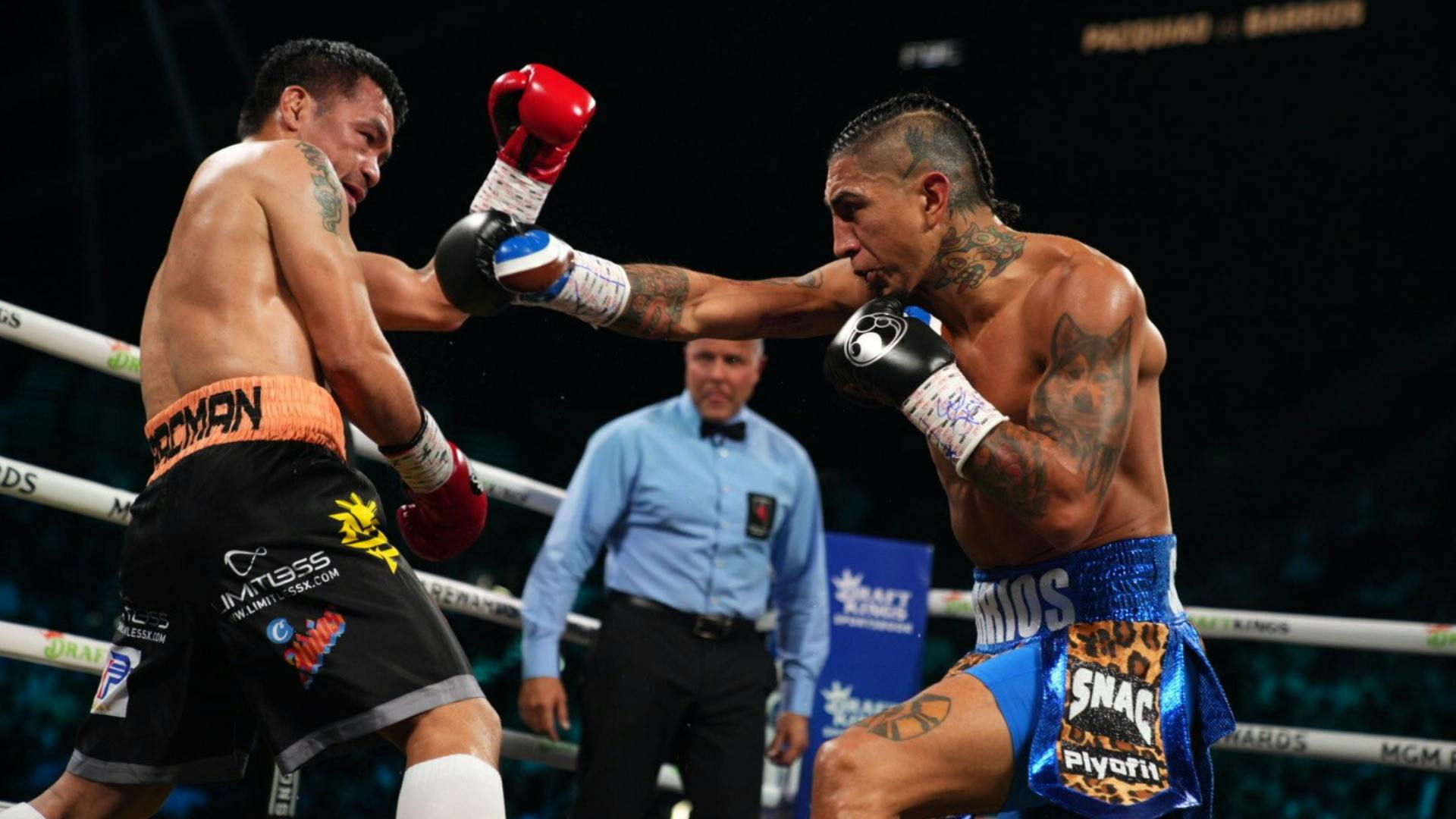
Credit: www.onesports.ph
Scoring System In Boxing
Boxing is not just about punches. It involves a complex scoring system. This system determines the winner of each match. Understanding it is crucial for fans and fighters alike. The scoring system in boxing ensures fairness and objectivity.
Judges’ Role
Three judges are typically present in a boxing match. They watch every round closely. Their main task is to score each round. Judges use specific criteria to allocate points. Accuracy and technique are key factors. They focus on clean punches and ring generalship. Each judge brings their unique perspective to the match. This ensures a balanced view of the fight.
Point Allocation
Points in boxing are allocated based on performance. Most rounds are scored using a 10-point system. The winner of the round often gets 10 points. The other fighter receives fewer points, usually 9. Judges may give a lower score if performance is poor. Knockdowns significantly impact scoring. They can change the point allocation dramatically. The goal is to reflect the effectiveness of each fighter’s strategy.
Criteria For Majority Draw
A majority draw in boxing occurs when two of the three judges score the fight as a draw. The third judge scores it in favor of one fighter. This decision results in neither boxer being declared the winner. It reflects a closely contested match.
Split Decision Vs Majority Draw
A split decision happens when two judges favor one boxer, while the third judge favors the opponent. In contrast, a majority draw requires two judges to have identical scores, resulting in a draw. The split decision shows more division among the judges’ opinions.
Factors Leading To Majority Draw
Several factors can lead to a majority draw in boxing. Equally matched fighters often result in close rounds, making scoring difficult. Judges might see the fight differently due to their unique perspectives. Defensive strategies can also contribute, with neither boxer clearly dominating.
Some fights have low activity, with few punches thrown or landed. This can make rounds hard to score. Judges look for effective aggression, ring control, and defense. If both fighters show equal skill, a majority draw is a possible outcome.
Credit: www.tiktok.com
Impact On Fighters
Majority draws in boxing leave fighters with mixed emotions. Both fighters have neither won nor lost, affecting morale. This result can impact rankings and future opportunities.
The impact of a majority draw in boxing can be profound on the fighters involved. When two judges score the bout as a draw and only one judge favors a fighter, the result can leave both boxers in a state of uncertainty. This unique outcome can affect a fighter’s mind and future in surprising ways.
Psychological Effects
A majority draw can be a mental rollercoaster for boxers. Imagine stepping into the ring, giving your all, only to leave without a definitive result. The lingering question, “What if I had done more?” can haunt a fighter’s thoughts. The ambiguity of a majority draw can lead to self-doubt. Fighters may question their abilities and choices during the match. This introspection, though challenging, can become a catalyst for growth if embraced positively.
Career Implications
The career implications of a majority draw are significant. A clean win boosts a fighter’s ranking, while a loss demands recovery. But a draw leaves them in a limbo, impacting their progression and future match opportunities. Promoters and fans often seek clear outcomes. A majority draw might cause hesitation in future bookings, affecting a fighter’s income and visibility. However, some fighters use this as a chance to prove themselves in a rematch, turning uncertainty into opportunity. Have you ever faced a situation where you didn’t get a clear result? How did it shape your next steps? The lessons from such experiences can be as valuable as a decisive victory.
Historical Examples
A majority draw in boxing occurs when two judges score a fight as a draw, while the third judge favors one fighter. This result highlights the subjective nature of scoring and can lead to mixed reactions from fans and fighters alike.
In boxing, the term “majority draw” can evoke both intrigue and debate. It’s a result that leaves fans on the edge of their seats, sometimes leading to heated discussions about who truly deserved the win. To appreciate the drama and excitement a majority draw brings, let’s dive into some historical examples where this outcome has played a pivotal role.
Notable Matches
One of the most talked-about majority draws was the clash between Lennox Lewis and Evander Holyfield in 1999. This match was expected to be a definitive showdown between two heavyweight giants. But when two judges couldn’t agree, and the third scored it evenly, it left fans and analysts in shock. Another memorable fight that ended in a majority draw was the match between Gennady Golovkin and Canelo Alvarez in 2017. With both fighters showcasing remarkable skill and resilience, the result sparked debates, with many spectators feeling Golovkin had done enough to win.
Boxing Legends Involved
Lennox Lewis, a formidable force in the ring, was involved in one of the most significant majority draws against Evander Holyfield. Lewis, known for his powerful jab and strategic brilliance, found himself in a result that many believed was controversial. Evander Holyfield, a legend in his own right, also faced a majority draw against Lewis, marking a critical point in his illustrious career. Known for his tenacity and heart, Holyfield’s involvement in this result only added to his storied legacy. Gennady Golovkin, often regarded as one of the best middleweights of his era, experienced a majority draw against Canelo Alvarez. His aggressive style and relentless pressure made the draw an unexpected conclusion for many of his fans. These historical examples highlight the unpredictability of boxing and remind us how a majority draw can add an intriguing layer to the sport’s rich tapestry. Have you ever watched a match that ended in a draw and felt the tension in the air? It’s moments like these that keep fans coming back for more, eager to witness the next chapter in boxing history.
Controversies And Criticisms
In boxing, a majority draw stirs up debates and controversies. This outcome happens when two judges score a fight as a draw, while the third judge favors one fighter. This results in no clear winner, leaving fans and experts divided.
Public Perception
Fans often feel confused and frustrated by majority draws. Many believe it reflects poor judging or biases. Social media buzzes with comments whenever a fight ends this way. Spectators want clear winners, not undecided outcomes. This perception impacts the sport’s credibility among casual viewers.
Debates Among Experts
Experts in boxing frequently discuss the implications of a majority draw. Some argue it highlights the complexity of scoring fights. Others think it undermines the competitive spirit. Analysts dissect judges’ scorecards to understand their decisions. Debates arise on whether the scoring system needs changes.
Future Of Majority Draws
The future of majority draws in boxing sparks curiosity among fans. These draws can lead to confusion and dissatisfaction. Many wonder how the rules might change to address this.
Potential Rule Changes
Boxing organizations might consider new scoring systems. They could aim to reduce unclear outcomes. Judges may receive better training. This would help them make more consistent decisions. Some suggest using technology for scoring. Like instant replay or AI analysis. More transparency in judging could improve the sport. Fans and fighters want clarity and fairness.
Influence On Boxing’s Evolution
Changes to majority draws might shape boxing’s future. They could lead to more decisive outcomes. This would enhance the sport’s appeal to viewers. Clear results encourage more interest in boxing events. Fighters may feel more confident in the system. This could boost their performance. Majority draws currently impact rankings and reputations. Adjustments might lead to fewer controversial outcomes. Boxing’s evolution depends on fair and transparent decisions.
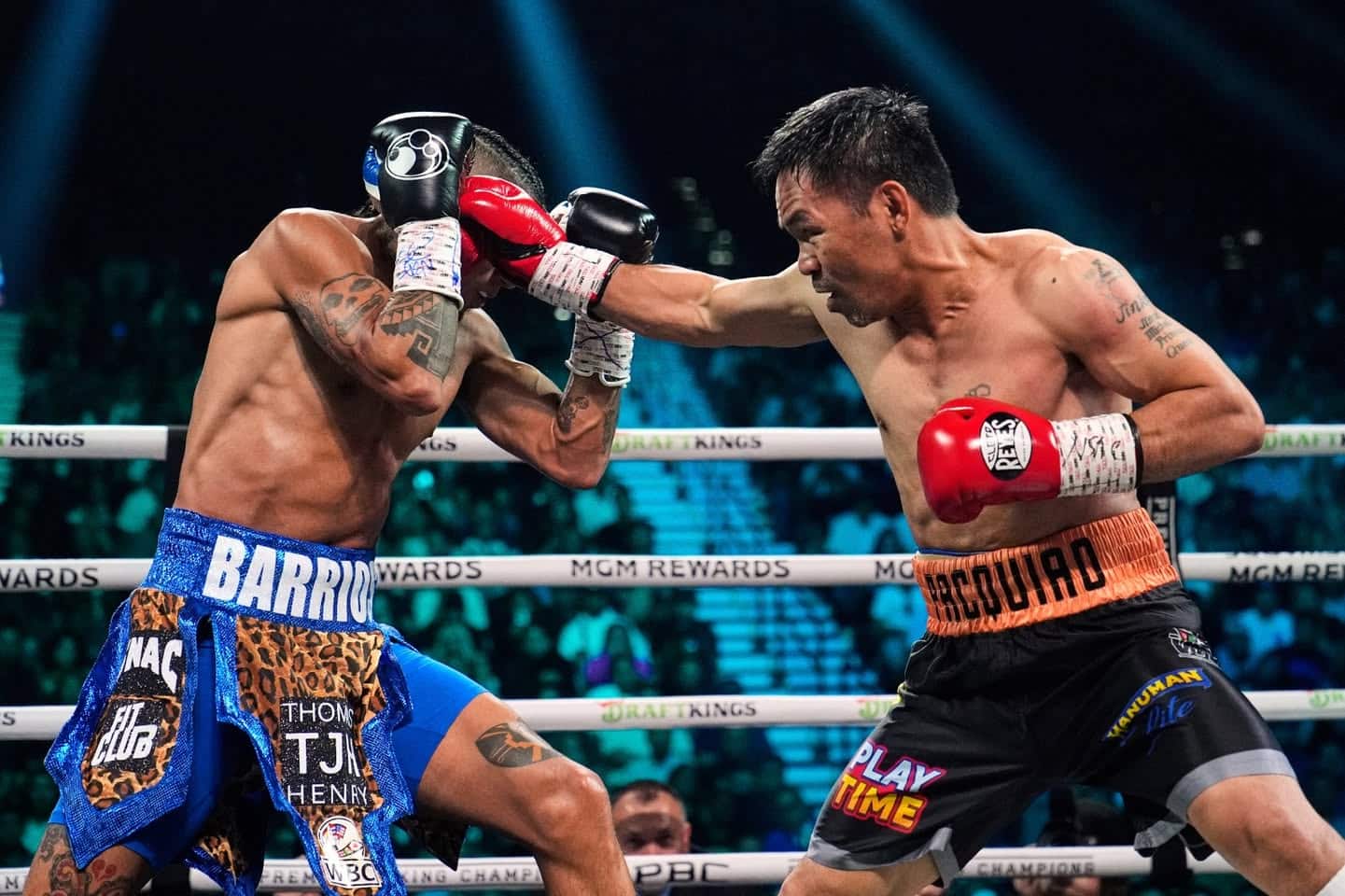
Credit: cebudailynews.inquirer.net
Frequently Asked Questions
What Is A Majority Draw In Boxing?
A majority draw in boxing occurs when two judges score the fight as a draw, while one judge favors a boxer. This results in no winner being declared.
What Is The Difference Between A Split Draw And A Majority Draw?
A split draw occurs when judges give equal scores, but not unanimously. A majority draw happens with a unanimous equal score decision.
What Is The Majority Decision?
The majority decision is a ruling agreed upon by more than half of the judges or jurors. It represents the collective opinion in a court case or decision-making process. This decision becomes the official and binding verdict or outcome.
What Does A Boxing Draw Mean?
A boxing draw occurs when judges score a fight evenly. Neither fighter wins or loses, resulting in a tie. It reflects a balanced match where competitors have equal performance, leading to no clear victor. Draws can happen in both professional and amateur boxing.
Conclusion
Understanding a majority draw in boxing is crucial for fans. It happens when two judges see a tie, while one favors a fighter. This outcome can surprise and disappoint. But, it ensures fairness in close matches. Boxing thrives on such excitement and unpredictability.
Fans love the thrill, the action, and the drama. Majority draws add a unique twist to the sport. They remind us that every punch counts. Every round matters. Whether you support the winner or not, boxing keeps you on the edge.
And that’s what makes it so captivating.