
Do you ever wonder if your daily run is enough to give your legs that toned, muscular look you desire? You’re not alone.
Many fitness enthusiasts and casual runners alike question whether pounding the pavement can truly replace traditional leg workouts. The truth might surprise you. Understanding how running impacts your leg muscles can transform the way you approach your fitness routine. We will delve into whether running can be your go-to leg workout, and how you can maximize its benefits.
Get ready to uncover the secrets that could revolutionize your workout strategy and elevate your fitness game.
Benefits Of Running For Leg Strength
Running effectively strengthens leg muscles, enhancing endurance and power. It engages calves, quads, and hamstrings efficiently. Regular practice builds leg strength while promoting overall fitness.
Running is an excellent way to enhance leg strength. It engages various muscles, promoting better endurance and power in your legs. Whether you’re sprinting or jogging, running helps build muscle and improve flexibility. It’s a convenient workout that requires no special equipment.Improved Muscle Tone
Running works on multiple muscle groups in your legs. Your calves, quads, and hamstrings all benefit. As you run regularly, these muscles become more defined and toned.Increased Endurance
Running boosts your stamina. Your legs become capable of sustaining effort for longer periods. This increased endurance is beneficial for various physical activities.Enhanced Joint Health
Regular running can strengthen the ligaments around your knees and ankles. This adds support and reduces the risk of injury. Stronger joints mean better mobility and less discomfort.Boosted Cardiovascular Health
Running improves blood flow and heart health. Your leg muscles receive more oxygen, enhancing their performance. This cardiovascular boost helps in maintaining energy levels during workouts.Weight Management
Running helps burn calories efficiently. As you lose weight, leg muscles become more prominent. This leads to a leaner and stronger appearance.Convenience And Accessibility
Running can be done almost anywhere. It doesn’t require a gym membership. You can run in a park, on a treadmill, or even around your neighborhood.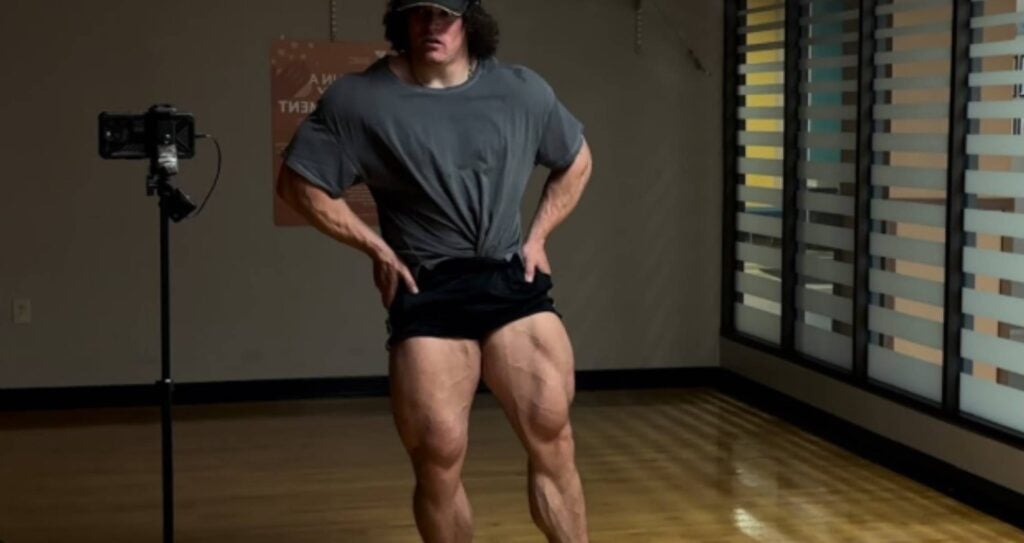
Credit: generationiron.com
Muscles Engaged During Running
Running engages major leg muscles like quadriceps, hamstrings, and calves. It strengthens and tones these muscles effectively. A consistent running routine can provide a solid leg workout.
Muscles Engaged During Running Running is a popular way to exercise. It engages many leg muscles, providing a thorough workout. Different muscles work together to support your movement. Let’s explore how running activates key leg muscles.Quadriceps Activation
The quadriceps are at the front of your thigh. They play a vital role in running. As you push off the ground, the quadriceps extend your knee. This movement propels you forward. Strong quadriceps help maintain speed and endurance. They also stabilize your knee joint. This reduces the risk of injury.Hamstring Engagement
Hamstrings are located at the back of your thigh. They work opposite the quadriceps. When running, they bend the knee and extend the hip. This helps lift your leg off the ground. Strong hamstrings improve running efficiency. They also prevent muscle imbalances. Proper hamstring engagement enhances overall performance.Calves And Ankles
The calves play a crucial role in running. They help push your foot off the ground. This movement gives you forward momentum. The calf muscles also absorb impact forces. This protects your lower leg. Ankle joints are equally important. They provide stability and balance. Healthy calves and ankles ensure a smooth running experience.Comparing Running To Traditional Leg Workouts
Running engages multiple leg muscles, providing a balanced workout. It strengthens calves, hamstrings, and quads effectively. While not as targeted as traditional leg exercises, running builds endurance and enhances cardiovascular health.
Running offers a unique approach to leg workouts. It combines cardiovascular exercise with muscle engagement. Traditional leg workouts focus on building muscle strength and size. They include exercises like squats, lunges, and leg presses. Understanding the differences can help you decide which suits your fitness goals better.Strength Training Vs. Endurance
Strength training builds muscle mass and power. It involves lifting weights or using resistance bands. Exercises target specific leg muscles. This can lead to increased strength and muscle definition. Running, on the other hand, enhances endurance. It strengthens the heart and lungs while engaging the legs. It is ideal for improving stamina and cardiovascular health. While running tones muscles, it doesn’t significantly increase muscle size like weight training.Impact On Joint Health
Joint health is crucial for long-term mobility. Running places repetitive stress on joints. This can lead to wear and tear over time. The risk is higher on hard surfaces. Proper footwear and technique can reduce this risk. Traditional leg workouts offer a different approach. They allow for controlled movements. Exercises can be adjusted to minimize joint strain. This makes them ideal for those with joint concerns. Both running and strength training have their benefits. Choose based on your health needs and fitness goals.Incorporating Running Into A Leg Workout Routine
Running strengthens leg muscles and improves endurance. It targets calves, quads, and hamstrings effectively. Combining running with leg exercises enhances overall leg strength and fitness.
Incorporating running into your leg workout routine can be a game-changer. Many people believe running is just about cardio, but it significantly strengthens and tones leg muscles. By combining running with weight training, you can create a balanced and effective workout plan that maximizes your leg strength and endurance.Balancing Running And Weight Training
Striking the right balance between running and weight training is key. Running builds endurance and works on muscles like the quadriceps, hamstrings, and calves. Meanwhile, weight training targets specific muscle groups for growth and definition. If you run too much, it might lead to fatigue and decrease your performance in weight training sessions. On the other hand, focusing solely on weights can make your muscles strong but may leave you breathless during runs. Consider alternating between the two to give your muscles time to recover and grow.Sample Weekly Workout Plan
Creating a weekly workout plan helps in maintaining consistency and measuring progress. Here’s a simple yet effective plan:| Day | Workout |
|---|---|
| Monday | 30-minute run at a moderate pace |
| Tuesday | Leg weight training: squats, lunges, and calf raises |
| Wednesday | Rest or light stretching |
| Thursday | Interval running: 5 minutes fast, 3 minutes slow, repeat 4 times |
| Friday | Leg weight training: deadlifts, leg presses, and hamstring curls |
| Saturday | Long-distance run at a comfortable pace |
| Sunday | Rest and recovery |
Tips For Maximizing Leg Gains From Running
Running is an effective leg workout that boosts muscle endurance and strength. To maximize leg gains, incorporate interval training and hill runs into your routine. Focus on maintaining proper form and gradually increasing speed and distance.
Running is a fantastic way to enhance your leg strength while boosting your cardiovascular fitness. It can sculpt your quads, hamstrings, calves, and glutes, making it a comprehensive leg workout. But how can you ensure you’re getting the most out of your runs for maximum leg gains? Here are some practical tips to help you optimize your running routine for stronger legs.Proper Running Technique
Adopting the right running technique is crucial for effective leg workouts. Keep your posture upright, but relaxed, to allow for better breathing and less strain on your body. Ensure your feet land under your hips, not in front, to reduce impact and enhance muscle engagement. Focus on a mid-foot strike rather than landing on your heels or toes. This technique helps distribute the impact evenly, reducing stress on your knees and maximizing the use of your leg muscles. Remember, consistency in maintaining proper form can significantly boost your leg strength over time.Injury Prevention Strategies
Preventing injuries is essential for consistent leg training through running. Warm up before every run with dynamic stretches like leg swings or lunges to prepare your muscles. This practice increases blood flow and reduces the risk of strains. Pay attention to your body’s signals. If you feel persistent pain, it’s better to rest than risk a serious injury. Investing in good quality running shoes that support your feet and align your body can also make a huge difference in preventing injuries. Incorporate rest days into your routine to allow your muscles to recover and grow stronger. Do you listen to your body and give it the recovery it needs? Balancing running with proper rest can lead to better leg gains without the setbacks of injuries.
Credit: www.facebook.com
Common Myths About Running And Leg Workouts
Running is often seen as a simple way to stay fit. Yet, many myths surround its effectiveness as a leg workout. Some believe running leads to muscle loss or smaller legs. Let’s explore these common misconceptions.
Muscle Loss Concerns
Many fear running causes muscle loss in the legs. This myth stems from the belief that cardio exercises burn muscle. In reality, running primarily targets fat loss. Muscle fibers adapt to running by becoming more efficient. This process helps maintain muscle mass. A balanced diet and varied exercise routine support muscle retention. Running strengthens leg muscles, not diminishes them.
Running And Leg Size
People worry running makes legs smaller. This myth suggests running only leads to lean muscles. Running enhances leg muscle endurance and tone. It encourages muscle growth by challenging different muscle groups. Sprinting, for example, activates fast-twitch muscle fibers. These fibers contribute to muscle size and power. Regular running combined with strength training boosts leg size. It shapes the legs without making them bulky.
Success Stories And Personal Experiences
Running strengthens leg muscles and boosts endurance, making it a great workout. Personal experiences highlight improved agility and muscle tone through regular running routines. Success stories from runners reveal increased fitness and leg strength without gym equipment.
Success stories and personal experiences can be incredibly motivating for those wondering if running is a good leg workout. Real-life accounts provide genuine insight and inspiration. They illustrate the transformative power of a consistent running routine on leg strength and overall fitness. Let’s dive into some compelling narratives that highlight the benefits of running for your legs.Personal Triumph Over Challenges
Many have faced physical limitations only to overcome them through running. Consider Jane, who struggled with knee pain for years. She started with short, gentle jogs and gradually increased her distance. Now, she runs marathons, boasting stronger, pain-free legs. Her story emphasizes the importance of patience and perseverance.From Couch To 5k Success
The Couch to 5K program has changed lives by introducing running in a manageable way. Tom, a self-proclaimed couch potato, used this program to kickstart his fitness journey. Within months, he completed his first 5K and noticed significant improvements in his leg strength and endurance. His journey shows how structured programs can lead to lasting change.Transformational Weight Loss Journeys
For those seeking weight loss, running offers dual benefits: burning calories and toning legs. Sarah’s story is a testament to this. She combined running with a healthy diet and lost 50 pounds in a year. Her once untoned legs are now strong and muscular, underscoring the effectiveness of running as a leg workout.Inspiring Community Stories
Running is more than a solo activity; it fosters community. Many have found support and motivation in local running groups. Mark joined a community run every Saturday and found his running skills, particularly his leg strength, improved exponentially. This sense of belonging can be the motivation you need to keep going.Overcoming Mental Hurdles
Running is not just a physical challenge but a mental one too. Lisa battled anxiety and found running therapeutic. As she pushed past mental barriers, her legs grew stronger, symbolizing her resilience. Her story invites you to reflect on the mental benefits of running alongside the physical gains. These stories are not just tales of physical transformation; they offer actionable insights. They remind us that with dedication, you can achieve significant leg strength and overall fitness through running. What’s your story going to be?
Credit: www.youtube.com
Frequently Asked Questions
Can I Build Leg Muscle By Running?
Running can help build leg muscles, especially in the calves, quadriceps, and hamstrings. Incorporate uphill runs and sprints for better muscle growth. Pair running with strength training exercises for optimal results. Consistent workouts and balanced nutrition are essential to support muscle development.
Can Running Shape Your Legs?
Yes, running can shape your legs. It tones muscles, burns fat, and improves overall leg appearance. Regular running strengthens calves, quadriceps, hamstrings, and glutes, enhancing leg definition. Combining running with strength training maximizes results for well-toned, sculpted legs. Consistency and proper technique are key for achieving desired leg shape.
Can I Run Instead Of Lifting Legs?
Running targets different muscle groups than leg lifting. It improves cardiovascular health but may not build leg strength like lifting. Combining both exercises maximizes benefits for overall fitness. Adjust your workout based on personal goals and preferences to achieve the best results.
Consult a fitness expert for personalized advice.
Can Running Count For Leg Day?
Yes, running can count for leg day as it engages various leg muscles. It primarily targets calves, quadriceps, hamstrings, and glutes. For balanced leg development, combine running with strength exercises like squats or lunges. This ensures comprehensive muscle growth and improved leg strength.
Conclusion
Running is a great leg workout. It strengthens muscles, boosts endurance, and burns calories. Whether jogging or sprinting, your legs get toned. Consistency matters. Keep a routine for best results. Listen to your body. Avoid injuries by resting when needed.
Pair running with other exercises. This adds variety and balance. Running outside? Enjoy nature and fresh air. Treadmill? Great for consistent pace. Both options benefit the legs. Remember to stretch. It reduces soreness and improves flexibility. Running offers more than physical benefits.
It’s good for mental health too. So, lace up and hit the ground running!