
Have you ever wondered how you can improve your running performance without spending a fortune on high-tech gear? Imagine enhancing your endurance, reducing fatigue, and speeding up recovery—all by simply wearing the right socks.
Yes, socks! Compression socks are gaining popularity among runners for their surprising benefits. You might be skeptical, but these specially designed socks could be the secret weapon your running routine needs. As you lace up your shoes for your next run, think about the potential boost you could experience.
The science behind compression socks is fascinating, and unlocking their power could take your running to the next level. Curious to learn more? Let’s dive into the reasons why these socks might become your new favorite running accessory.
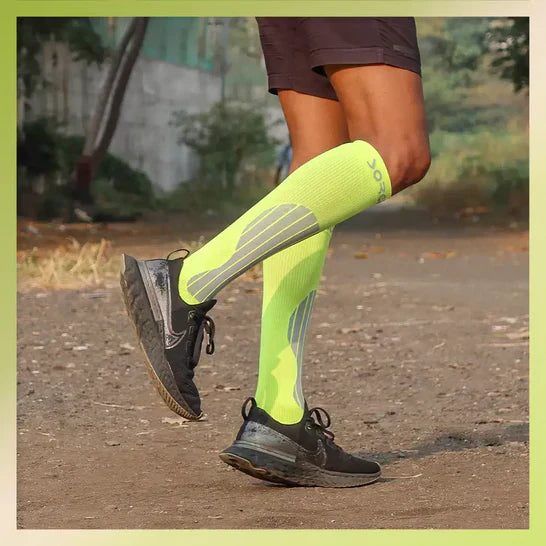
Credit: sorgen.co
Benefits Of Compression Socks
Compression socks enhance blood flow during runs. They reduce muscle fatigue and swelling, aiding quicker recovery. Improved circulation helps runners maintain energy and endurance.
The benefits of wearing compression socks while running are significant. They offer a range of advantages that can enhance your running experience. From improved blood circulation to reduced muscle fatigue, these socks can be a valuable addition to your running gear.
Improved Blood Circulation
Compression socks apply gentle pressure to your legs. This helps improve blood flow. Better circulation means more oxygen reaches your muscles. This can lead to increased performance and endurance.
Reduced Muscle Fatigue
Muscle fatigue can slow you down. Compression socks help reduce vibration in muscles. This can minimize muscle soreness and tiredness after a run. You’ll feel less exhausted and more energized.
Enhanced Recovery
Recovery is key after a run. Compression socks help speed up this process. They assist in flushing out lactic acid and other waste products. This means less downtime and a quicker return to training.
How Compression Socks Work
Compression socks gently squeeze the legs to improve blood flow. They help reduce swelling and muscle soreness during running. Enhanced circulation aids recovery and boosts performance, making them a popular choice for runners.
Wearing compression socks during a run can be highly beneficial. They work by applying gentle pressure to your legs, promoting better blood flow and reducing fatigue. Understanding how these socks function can help you make the most of your running experience.
Graduated Compression
Compression socks feature graduated compression. This means the pressure is strongest at the ankle and decreases up the leg. This design helps push blood back to your heart more efficiently. Improved circulation can lead to less swelling and quicker recovery after a run.
Support For Muscles And Joints
These socks offer support for muscles and joints. They help keep muscles stable during movement. This reduces vibrations and muscle oscillation. Less movement means less soreness and injury risk. Your joints also benefit from added stability.
Moisture-wicking Properties
Compression socks often have moisture-wicking properties. This means they draw sweat away from your skin. Keeping your feet dry can prevent blisters and discomfort. Dry feet can improve your overall running experience. Look for socks with breathable materials for best results.
Choosing The Right Compression Socks
Compression socks boost circulation during runs, reducing muscle fatigue and soreness. They offer support and improve recovery, making them essential for runners seeking comfort and performance enhancement.
Choosing the right compression socks is crucial for enhancing your running experience. They provide the support your legs need while ensuring optimal comfort. Selecting the perfect pair involves considering several key aspects. These aspects ensure that the socks not only serve their purpose but also suit your personal preferences.
Material And Fit
The material affects comfort and breathability. Look for socks made from moisture-wicking fabrics. These materials keep your feet dry during a run. Consider materials like nylon, polyester, or spandex for flexibility. The fit is equally important. Compression socks should snugly hug your legs without being too tight. This ensures the compression is effective and comfortable.
Compression Levels
Compression socks come in varying levels of tightness. Light compression is suitable for mild support. Medium compression offers more robust support for longer runs. High compression levels are ideal for intense activities or recovery. Choose a level based on your running intensity and personal comfort.
Style And Design
Style matters for many runners. Compression socks come in various colors and patterns. Choose a design that matches your personality. Consider the length of the socks. Knee-high options offer more coverage and support. Ankle-length socks are less conspicuous and suitable for short runs. Style should enhance your confidence while running.
When To Wear Compression Socks
Compression socks can be a game-changer for runners, but knowing when to wear them is key to maximizing their benefits. Whether you’re lacing up for a training session, recovering post-run, or embarking on a long-distance adventure, the right timing can enhance your performance and recovery. Let’s dive into the best times to slip on these snug-fitting allies.
During Training Sessions
Wearing compression socks during training can improve your endurance and reduce muscle fatigue. They enhance blood flow, supplying your muscles with oxygen and nutrients needed during intense workouts. Do you often experience leg cramps or fatigue during your runs? Compression socks might just be the solution you need.
Try them on for your next interval run or long-distance training session. Notice if your legs feel fresher and lighter. Many runners report less soreness and quicker recovery times when using them consistently.
Post-run Recovery
Recovery is just as important as the run itself. Compression socks can be your best friend in reducing soreness after a demanding session. They help flush out lactic acid and reduce swelling, accelerating muscle recovery.
Consider wearing them for a few hours post-run. Some runners even sleep in them to wake up feeling rejuvenated. How do you currently manage post-run recovery? Compression socks could be the missing piece in your routine.
Travel And Long-distance Runs
Long flights or road trips can be tough on your legs, especially if you’re gearing up for a race. Compression socks can help maintain circulation and prevent swelling during travel. Have you ever arrived at your destination with swollen ankles? These socks might help keep that at bay.
For long-distance runs, they provide the same benefits by keeping your legs energized and reducing fatigue. Whether you’re running a marathon or embarking on a trail adventure, consider adding compression socks to your gear. They might just make the difference in how you feel during and after your run.
Common Myths And Misconceptions
Compression socks are often surrounded by a cloud of myths and misconceptions. Many runners wonder if these snug-fitting garments are truly beneficial or just another fad. To unravel the truth, let’s debunk some common misunderstandings about compression socks.
Compression Socks And Circulation Risks
One prevalent myth is that compression socks can restrict blood flow, causing circulation problems. This misconception likely stems from the word “compression,” which sounds like it might squeeze too tightly. In reality, when worn correctly, compression socks enhance blood circulation by applying gentle pressure to your legs, helping veins carry blood back to the heart more efficiently. If you’ve ever felt your legs swelling after a long run, compression socks can be a game-changer. So, rest assured, they’re designed to support, not suffocate.
Performance Enhancement Claims
Another common misconception is that compression socks can dramatically boost your running performance. While they can aid in recovery by reducing muscle soreness and fatigue, they won’t magically turn you into a marathon champion overnight. However, they do provide a certain level of comfort and support, which might help you push through those last few miles with a bit more ease. Have you ever tried running with sore calves? Compression socks might just be the subtle edge you need.
Usage For Non-athletes
Many believe that compression socks are only meant for athletes. In truth, these socks can benefit anyone who spends long hours on their feet, from nurses to travelers. They help prevent swelling and improve circulation, making them ideal for non-athletic use as well. If you’ve ever experienced swollen legs after a flight, you might find relief with a pair of compression socks. They’re not just for runners—they’re for anyone who values leg health.
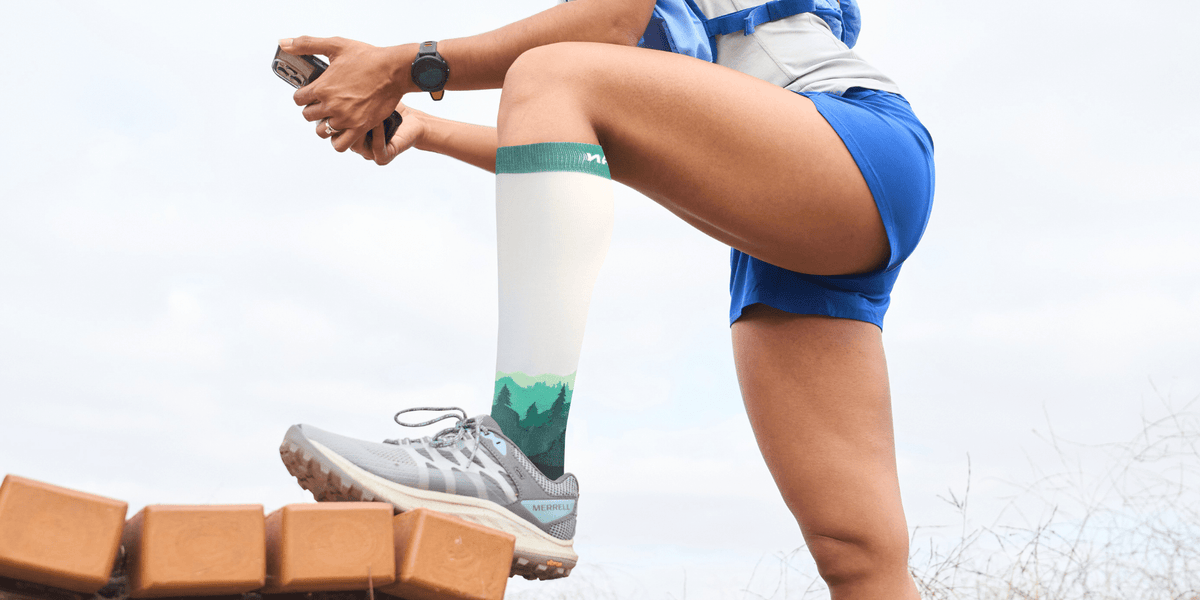
Credit: nathansport.eu
Tips For Using Compression Socks
Compression socks enhance blood flow during running, reducing muscle fatigue and improving performance. These socks support leg muscles and decrease the risk of injury. Wearing them can help with quicker recovery and less swelling post-run.
Wearing compression socks while running can enhance your performance and recovery, but to reap these benefits, you need to use them correctly. From putting them on with ease to ensuring they last through many runs, these tips will guide you in getting the most out of your compression socks. Ready to boost your running game?
Proper Wearing Technique
First things first, putting on compression socks can be a bit tricky. Roll the sock down to the heel, insert your foot, and then gradually unroll it up your leg. This technique ensures even compression and avoids overstretching the fabric. Consider wearing them for a few hours before your run to get accustomed to the fit. Just like breaking in new shoes, this can help prevent discomfort during a run. Have you ever noticed how much better a snug shoe feels compared to a loose one? The same logic applies here.
Cleaning And Maintenance
Keeping your compression socks clean is essential for both hygiene and maintaining their elasticity. Hand-wash them in cold water with mild detergent to avoid weakening the fibers. Air-drying is your best friend, as heat from dryers can degrade the elastic material over time. Do you remember the last time you shrunk a shirt in the dryer? Save your socks from a similar fate.
Monitoring Comfort And Fit
Pay attention to how your socks feel during and after a run. They should feel snug but not overly tight, ensuring they don’t cut off circulation. Check for signs of discomfort such as pinching or slipping down your leg, which indicates an improper fit. If you notice any skin irritation, it might be time to try a different size or brand. How often do you adjust your socks mid-run? The right fit should stay put from start to finish. By following these actionable tips, you can maximize the benefits of compression socks and enhance your running experience. Have you tried these techniques yet?
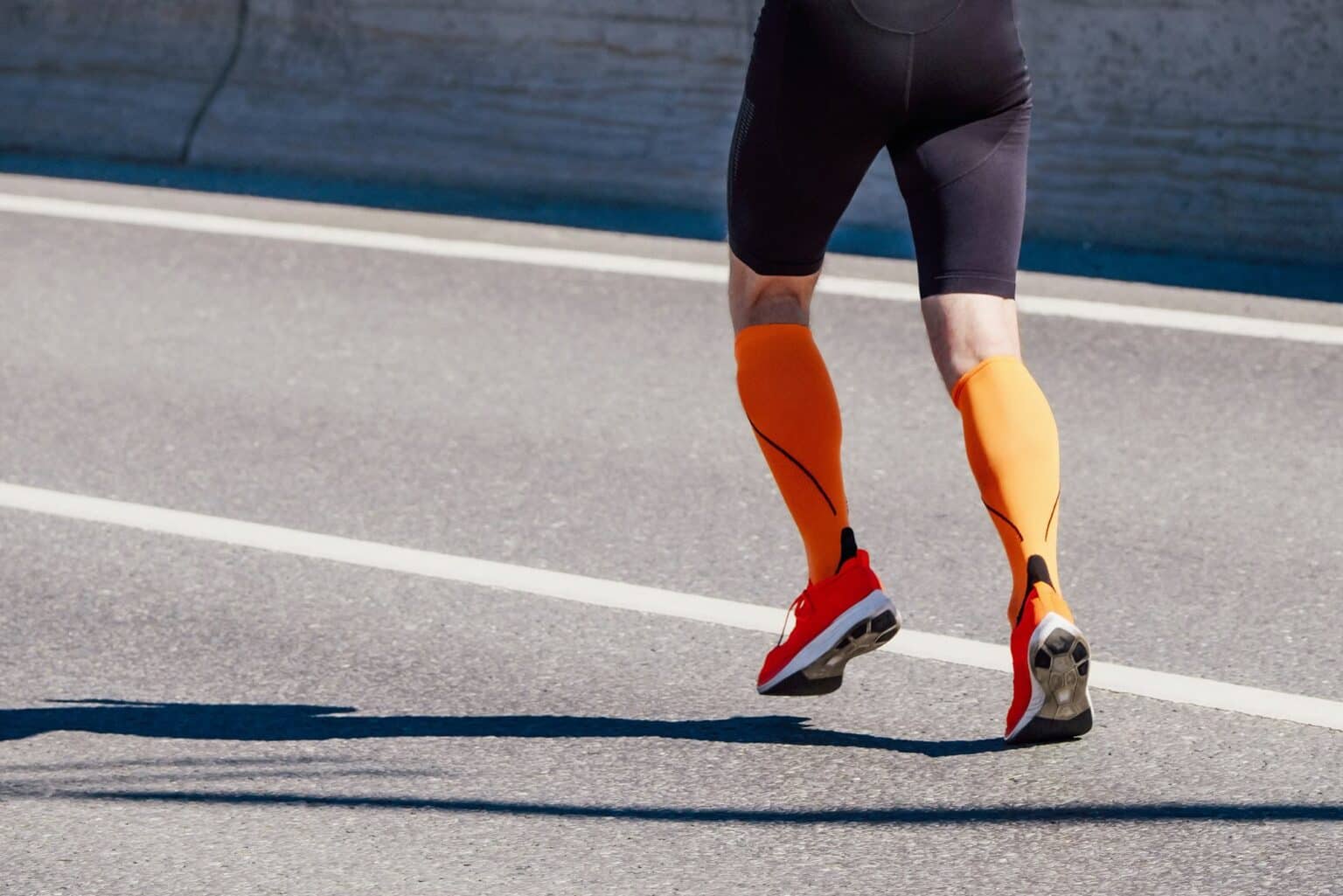
Credit: coachtherun.com
Frequently Asked Questions
Should I Wear Compression Socks While Running?
Compression socks can enhance circulation and reduce muscle soreness during running. They provide support and may improve performance. Consider wearing them for long runs or recovery. Ensure proper fit for maximum benefits. Consult a healthcare professional if you have specific medical concerns.
How Long Should I Wear Compression Socks After A Run?
Wear compression socks for 1-2 hours after running to aid recovery and reduce muscle soreness. Adjust duration based on personal comfort and specific needs. Consult a healthcare professional for personalized advice.
What Are The Benefits Of Compression Socks For Runners?
Compression socks improve blood circulation and reduce muscle fatigue during runs. They aid in quicker recovery by minimizing muscle soreness and swelling. Additionally, these socks can decrease the risk of injuries like shin splints and cramps. Many runners find that wearing compression socks enhances their performance and comfort.
How Do Compression Socks Improve Running Performance?
Compression socks enhance running performance by promoting better oxygen delivery to muscles. This results in improved endurance and reduced fatigue. The compression also stabilizes muscles, reducing vibrations and energy loss. Additionally, they help manage sweat and moisture, keeping feet dry and comfortable during long runs.
Conclusion
Compression socks offer many benefits for runners. They improve blood flow. This helps reduce muscle soreness and fatigue. Better circulation aids recovery post-run. Comfort and support enhance performance. They can prevent swelling and injuries. Compression socks keep your legs feeling fresh.
Easy to wear and manage. Ideal for short and long runs. Affordable and available in various styles. Many runners swear by their effectiveness. Consider adding them to your running gear. Experience the benefits firsthand. Your feet will thank you. Run further, recover faster, and stay healthy.
Make each run enjoyable and productive.